Orlando Nightlife Venues Push City to Suspend Late-Night Police Fees While Their Legal Challenge Sits at the 11th Circuit
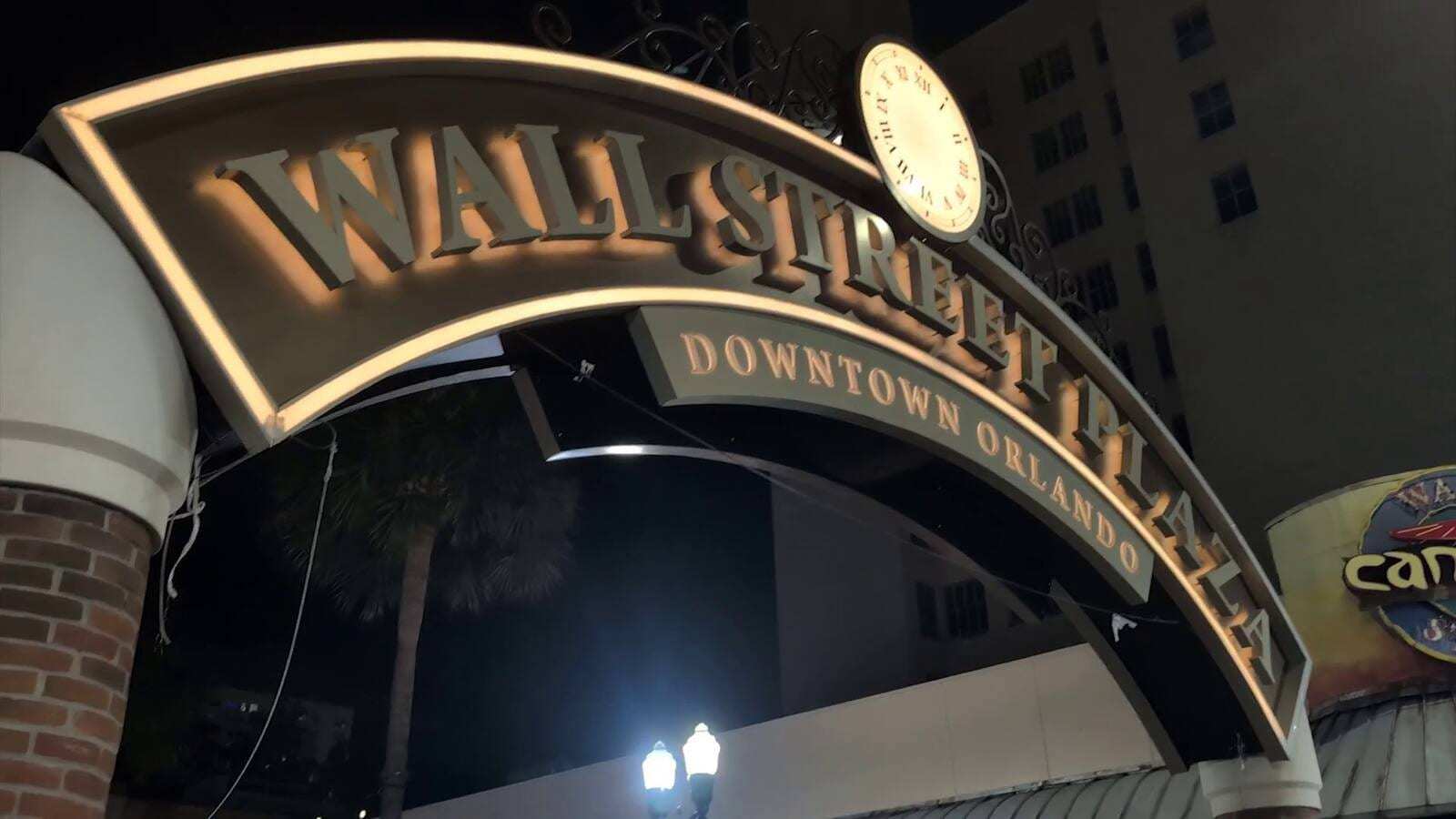
Owners of downtown Orlando nightclubs and music venues are stepping up their fight against the city's After-Midnight Alcohol Sales permit program, which requires larger late-night businesses in the Downtown Entertainment District to pay for off-duty police officers who patrol the area. Their federal lawsuit, dismissed by a trial judge last year, is now before the 11th U.S. Circuit Court of Appeals, WKMG News 6 reported, and a national trade group this week asked the city to suspend the fees while it rethinks how downtown safety is paid for.
The renewed push comes more than three years after the City Council created the program in response to a string of downtown shootings. Venue owners say the costs, which can run to thousands of dollars a month for a single club, fall on a small group of businesses for policing that benefits the entire district. The city says the permit covers only part of what Orlando spends on downtown public safety and credits the broader effort with a drop in crime.
What the venues are asking for
On Wednesday, Nov. 4, the National Independent Venue Association sent a letter to Mayor Buddy Dyer and the City Council urging them to suspend the police-protection fees during a comprehensive review, according to WFTV Channel 9. The group also asked the city to:
- Create a downtown public safety working group within 30 days that includes independent venues and promoters.
- Adopt a funding model that spreads public safety costs more broadly.
- Publish an accounting of spending, officer hours and outcomes under the program.
- List every property exempt from the program and the reason for each exemption.
The association questioned exemptions for hotels and other public lodging establishments, civic auditoriums and sports arenas. In the earlier lawsuit, the plaintiffs pointed to city-owned Camping World Stadium and the Dr. Phillips Center, which serve alcohol but are not part of the after-midnight permit program.
How much businesses have paid
Citing its analysis of city billing records, the venue association said Orlando invoiced 39 downtown establishments more than $4.3 million for off-duty police officers from June 2023 through August 2025, WFTV reported. Twenty-four of those businesses were each billed more than $100,000 during that period. The Beacham was billed about $331,000 and Celine about $329,000.
"Celine has paid the City more than $328,000 for officers who do not work inside our building," Celine owner Eric Fuller said. Fuller told WKMG that his venue pays "almost $10,000 a month for a service that's provided to an entire district," and that the cost has forced him to cut staff and delay maintenance and upgrades. He said 23 of the roughly 60 businesses downtown pay the fees that support police services across the district.
The association says 10 of the 39 billed establishments have since closed. WFTV noted that the closures alone do not establish why each business shut down.
What the ordinance requires
The City Council approved the after-midnight alcohol ordinance 5-2 on March 20, 2023, and the permit program took effect that May. Under the rules, downtown businesses that want to serve alcohol between midnight and 2 a.m. must buy a $250 permit. Those with an occupancy above 125 people must also help pay for off-duty police protection and add security measures such as metal detectors and ID scanners.
According to the city's published explanation of the program, extra police protection can be required based on a business's size and type, traffic needs and history of violent incidents. Earlier reporting by WKMG described the required coverage as running from 10:30 p.m. to 3:30 a.m.
The council acted after violence downtown, including a July 2022 shooting that injured seven people after a large fight near South Orange Avenue and Wall Street. Dyer said at the time that the city had worked to make downtown safe, especially after events the previous year.
The legal fight so far
The dispute has moved through federal court for more than two years. Key steps, based on reporting by WKMG and WFTV:
| Date | Development |
|---|---|
| March 20, 2023 | City Council approves after-midnight ordinance, 5-2 |
| May 2023 | Permit program takes effect |
| September 2024 | Seven venues sue the city and Police Chief Eric Smith |
| Feb. 27, 2025 | Venues ask for a preliminary injunction |
| August 2025 | Judge denies injunction, ordinance stays in effect |
| September 2025 | Judge Wendy Berger dismisses the lawsuit |
| Nov. 4, 2026 | Venue association asks city to suspend fees |
The original plaintiffs were the owners of The Patio, 64 North, Aero Rooftop Bar & Lounge, The Corner, The Social, The Beacham and Celine Orlando. Filed in the U.S. District Court for the Middle District of Florida, their suit argued that the ordinance violated their due process and equal protection rights under the Fifth and Fourteenth Amendments, imposed police-protection costs that the seven venues put at about $591,120 a year combined, and singled out nightclubs while exempting other venues. The suit also said the people responsible for the downtown shootings had no connection to the plaintiffs' businesses.
In August 2025, the court refused to pause the ordinance, writing that "the motion fails because it does not establish irreparable harm." The next month, U.S. District Judge Wendy Berger dismissed the case. She found the police-protection fee reasonable, concluded that the city's motives did not violate the Fourteenth Amendment's equal protection guarantee, rejected the plaintiffs' comparison between nightclubs and theaters, and said the clubs' complaints "fail to hold water."
WKMG reported that the venue owners' constitutional challenge to the fee structure is now pending before the 11th Circuit in Atlanta. The station did not report when the appeal was filed or when it might be decided.
The city's response
A city spokesperson told WKMG that the permit "helps offset a portion" of downtown public safety costs and that Orlando also pays for law enforcement downtown. The city pointed to additional off-duty officers, better lighting, more code enforcement and stronger security requirements, and said its SAFE grant program helps businesses pay for security upgrades. Officials said those efforts have contributed to a 20% reduction in overall downtown crime.
In court filings, the city has argued that businesses do not have a constitutional right to serve alcohol after midnight, WFTV has reported.
What it means for downtown Orlando
The fight puts two goals in tension for Central Florida's busiest nightlife district: keeping late-night crowds safe and keeping independent venues in business. The city credits the program and related measures with a 20% drop in downtown crime. Owners and the venue association argue that a few dozen businesses are bearing a district-wide cost, and that the bills are contributing to closures of the clubs and music rooms that draw people downtown.
What's next
The city has not said whether it will act on the venue association's request for a suspension and a working group. The appeal remains pending at the 11th Circuit, and unless the city changes course or the appeals court revives the lawsuit, permit holders will keep paying for after-midnight police protection.
Spotted an issue with this article?
Have something to say about this story?
Write us a letterComments
No comments yet. Be the first to weigh in.
Related Coverage

Judge Rejects Sarasota County's Rural Live Local Act Defense, Clearing Celery Fields Apartments to Move Forward
2h ago

OUC DemandLevel Pricing Hits November Bills: How the New $5, $10 and $15 Demand Tiers Work
23h ago
After Amendment 3, Florida Cities and Counties Start Budget Triage, From Jacksonville Nonprofits to the Charlotte County Sheriff
1d ago
Kraft Heinz Sells Its Coffee Business, Including Jacksonville's Maxwell House Plant, to One Rock Capital in $650 Million Deal
1d ago