Orlando's Fall Season Opens With Horror Nights and Food and Wine
Central Florida's fall event season begins this week, with Universal Orlando's Halloween Horror Nights opening Aug. 28 and running through Nov. 1, and the Epcot International Food and Wine Festival at Walt Disney World running Aug. 27 through Dec. 21. Together the two events anchor a stretch that has become one of the most commercially important periods on the Orlando calendar.
The timing reflects a deliberate strategy that reshaped Florida tourism over the past two decades. Late August through early November was once the industry's slowest stretch, falling between the summer family travel season and the winter holidays, coinciding with the peak of hurricane season and the return of school across the country.
Seasonal events converted that gap into a reliable draw, and both operations now build substantial portions of their annual attendance around it.
Halloween Horror Nights
Universal's event has grown from a modest addition into one of the most significant seasonal attractions in the theme park industry. It operates on select nights after regular park hours, with separate admission, and features haunted houses built inside soundstages and existing structures, outdoor scare zones and live entertainment.
The production scale is substantial. Houses are designed and constructed as original builds each year, staffed by hundreds of performers, and the event employs a seasonal workforce that represents meaningful employment in the region.
Intellectual property licensing has become central to the format. Houses based on recognizable horror films and television properties draw audiences who might not attend a generic haunted attraction, and the announcement of each year's lineup generates its own coverage cycle among enthusiasts who plan travel around it.
The event is explicitly aimed at adults and older teenagers rather than at the family audience the parks serve during daylight hours, which allows Universal to draw a different demographic into the same physical footprint at a different time.
Epcot Food and Wine
Disney's festival takes the opposite approach. Running nearly four months, from Aug. 27 through Dec. 21, it operates during regular park hours and is included with standard admission, with guests paying separately for food and beverage items at marketplace booths positioned around the World Showcase promenade.
The economics work through incremental spending rather than separate admission. Guests purchase small plates and drinks across multiple booths over the course of a visit, and the aggregate frequently exceeds what a conventional table service meal would cost.
The format also encourages repeat visitation from Florida annual passholders, who can attend multiple times across the festival's run and sample different offerings. That local audience is a significant part of the calculation, since passholders visit during periods when out-of-state tourism is lighter.
The extended run through Dec. 21 means the festival overlaps with the holiday season, giving Epcot a continuous event calendar through the fall and into winter.
Epic Universe and the competitive landscape
The fall season arrives with Universal's Epic Universe having passed its first anniversary in summer 2026. The park represented the most significant capacity addition to the Orlando market in decades and altered the competitive balance in a destination Disney has dominated for fifty years.
Additional capacity in a destination market does not simply divide existing demand. It can extend the length of the average visit, since travelers who might have planned four days may plan six to accommodate another park, which increases hotel nights, dining and overall spending across the region.
The competitive pressure also drives investment. Both operators have accelerated development in response to each other, and SeaWorld Orlando and Busch Gardens Tampa participate in the same market with their own seasonal offerings.
Universal has also confirmed a Five Guys location coming to CityWalk in the former Burger King Whopper Bar space, part of continuing changes to the dining district outside the park gates.
Why fall works for Florida visitors
For Floridians specifically, the fall event season offers advantages that summer does not. Crowds during weekdays in September and October are generally lighter than during summer or holiday periods, with the notable exception of Halloween weekends.
Weather is the more significant factor. Central Florida summer conditions involve daily heat indices that make full days in the parks physically demanding, along with afternoon thunderstorms that regularly interrupt outdoor attractions. Conditions moderate gradually through the fall.
Hurricane season is the countervailing consideration. Late August through October is the peak period for Florida storm activity, and while Orlando's inland location provides more protection than coastal destinations, significant storms have closed the parks. Travelers should understand cancellation policies and consider travel insurance for trips booked during this window.
The tourism economy behind the events
Tourism remains among Florida's largest industries, and the Orlando area is its center. The sector supports employment across parks, hotels, restaurants, transportation and retail, and it generates sales tax revenue that matters disproportionately in a state without a personal income tax.
Central Florida's hospitality workforce is substantial, and seasonal events add temporary positions in performance, operations, food service and custodial roles. For many workers, the fall season provides hours that the slower late-summer period does not.
The persistent challenge is housing affordability. Orlando area housing costs have risen substantially, and hospitality wages have not kept pace, which has produced documented difficulty in recruitment and retention. Workers commuting long distances into the tourism corridor is a recognized feature of the regional labor market.
What Florida residents should know
Annual passes remain the primary mechanism through which both operators serve the Florida resident market, with tiered options carrying different blackout dates and benefits. Florida residents also receive access to discounted ticket offers that vary by season.
For Halloween Horror Nights specifically, separate admission is required, and pricing varies substantially by date. Weeknights early in the run are considerably less expensive than October weekends, and express pass options that reduce wait times carry additional cost that rises with demand.
For Food and Wine, no separate admission is needed, but food and beverage purchases add up quickly. Guests planning to sample extensively should budget accordingly, and both operators offer prepaid sampling options that can reduce per-item cost.
Parking, dining reservations and attraction access systems change periodically at both resorts, and visitors who have not been recently should review current procedures before arriving.
The broader Florida fall calendar
The Orlando events are part of a wider seasonal calendar across the state. Busch Gardens Tampa and SeaWorld Orlando operate their own Halloween programming. Florida's beach destinations enter a shoulder season with lower rates than winter, and the state's cultural and food festival calendar fills in through the fall.
College football adds another draw, with Florida, Florida State, Miami and UCF hosting home games that generate travel and hotel demand in their respective markets through the autumn.
For Floridians, the fall is arguably the best period to experience the state's attractions, combining moderating weather, lighter crowds than peak periods and pricing below winter rates in most categories.
How seasonal events changed park economics
The growth of separately ticketed and festival events represents one of the more consequential business shifts in the theme park industry over the past two decades, and Orlando has been where much of it was developed.
The core insight was that physical capacity sits idle during periods of low demand while fixed costs continue. A park's infrastructure, its land, buildings, ride systems and utilities, costs the same whether 15,000 or 60,000 people pass through the gates. Filling low-demand periods generates revenue against costs already being incurred.
Separately ticketed evening events extend that further by using the same footprint twice in one day, with a daytime family audience and an evening adult audience paying separate admissions. The operational demands are substantial, requiring the park to clear between sessions and reconfigure, but the revenue per square foot is difficult to match any other way.
Festivals accomplish something similar through incremental spending rather than separate admission, encouraging guests already inside to spend more and encouraging local passholders to return more frequently.
The local passholder economy
Florida residents occupy a specific and important position in the Orlando market that visitors rarely notice.
Annual passholders visit far more frequently than tourists, often for a few hours at a time rather than full days, and their spending patterns differ accordingly. They are less likely to buy multi-day tickets or stay in resort hotels and more likely to spend on food, beverage and merchandise during shorter visits.
That behavior makes them particularly valuable during festival periods, when the offering is designed around sampling and repeat visitation. A passholder who returns six times across a festival's run to try different booths generates spending a single tourist visit would not.
Both operators structure pass tiers with blackout dates that manage passholder attendance during peak tourist periods while encouraging visits during slower stretches, which is precisely the fall window these events occupy.
The workforce behind the season
Seasonal events require a substantial temporary workforce, and the hiring associated with them is a recurring feature of the Central Florida labor market each fall.
Halloween Horror Nights in particular employs large numbers of performers, alongside makeup artists, costume staff, technicians and operations personnel. The roles draw from the region's substantial community of performers and technical theater workers, many of whom assemble annual income from a combination of theme park work, cruise ship contracts, regional theater and event production.
The work is physically demanding. Scare actors perform repetitive movements in costume and makeup for hours across multiple nights per week through a run of more than two months, in conditions that remain warm well into October.
For the regional economy, the seasonal hiring provides hours during a period when tourism employment would otherwise be lighter, which matters in a labor market where many hospitality workers depend on hour availability rather than salaried positions.
What's next
Halloween Horror Nights runs on select nights through Nov. 1, with the schedule and pricing varying by date. The Epcot festival continues through Dec. 21, transitioning into the holiday period at Walt Disney World.
Both resorts typically announce holiday programming during the fall, and the seasonal calendar in Central Florida now runs essentially without interruption from late August through early January.
Hurricane season remains the variable that could disrupt any of it. Operators have established procedures for storm closures and generally reopen quickly once conditions permit, but travelers booking during September and October should plan with that possibility in mind.
Spotted an issue with this article?
Have something to say about this story?
Write a letter to the editorComments
No comments yet. Be the first to weigh in.
Related Coverage
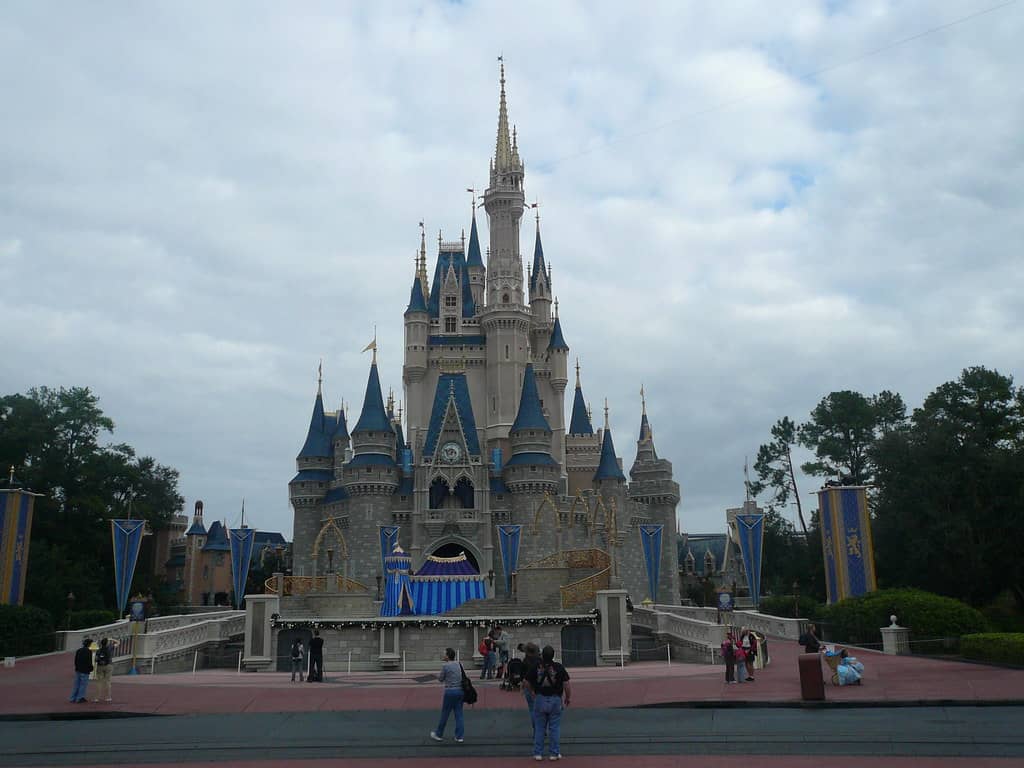
Walt Disney World turns 55 with Lakeshore Lodge reservations opening Oct. 8
2d ago

Disney Cruise Line Sets Oct. 7 Reveal for Disney Believe Homeport
5d ago

Orlando's Theme Park Market Cools Even as Epic Universe Fills Its First Full Year
Sep 26
Orlando's Theme Park Balance Shifts as Universal's Epic Universe Reshapes the Market
Sep 25