Orlando's Theme Park Market Cools Even as Epic Universe Fills Its First Full Year
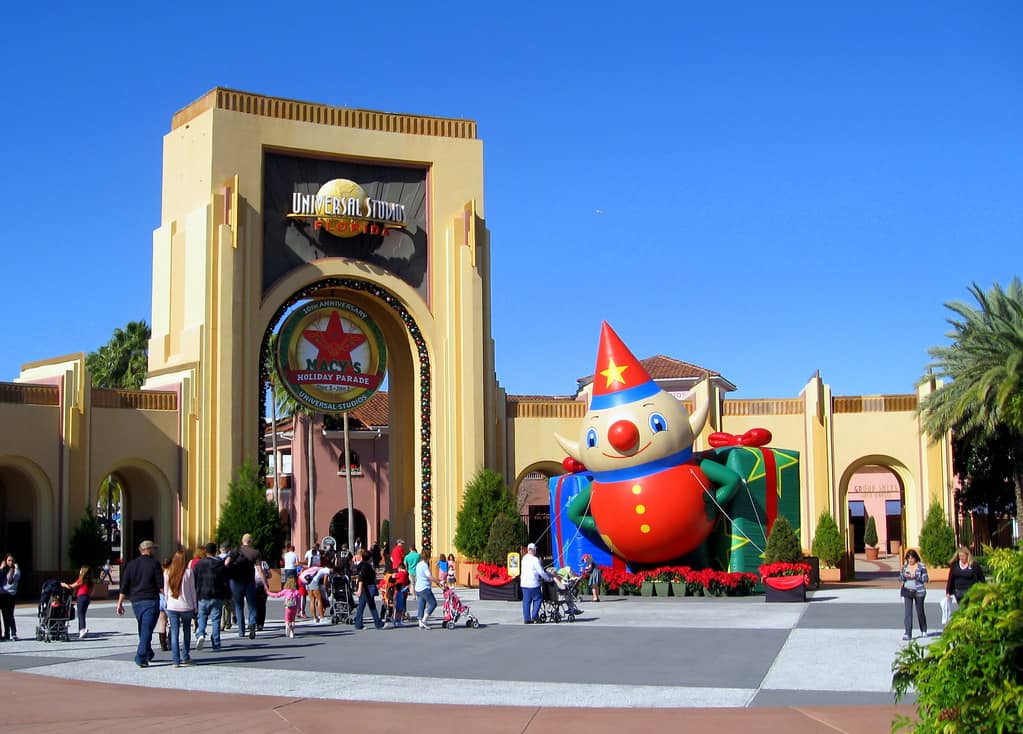
Orlando's theme park economy is showing signs of cooling after a year of heavy capacity additions. Universal Orlando has reduced operating hours at Epic Universe, its newest park, with most September dates closing at 8 p.m. rather than later, while opening at the same 10 a.m. Comcast's chief financial officer told investors that attendance declined during the second quarter and that softness in the Orlando market has continued.
Operating hours are the clearest public signal a park gives about expected demand. Staffing a park to a later close costs money in labor, utilities and entertainment, and a park trims hours when the marginal guest spending in those final hours does not cover the cost.
The context matters. Epic Universe opened as the largest new theme park investment in the United States in decades and drew enormous attention through its first season. A pullback in hours during the traditional September shoulder period is partly seasonal and partly a read on where demand settles once the opening surge passes.
Central Florida's economy is unusually concentrated in this sector. Theme park attendance drives hotel occupancy, restaurant traffic, airport volume and a labor market of hundreds of thousands of workers across Orange and Osceola counties. When the parks soften, the region feels it broadly.
What Universal has changed
Epic Universe's September calendar shows most days closing at 8 p.m., a reduction from the later closes the park maintained through the summer. The 10 a.m. opening has held, meaning the park is trimming the evening rather than the morning.
The park has continued to add premium after hours events, expanding its separately ticketed after hours lineup with additional dates. That is a familiar strategy in the industry, converting low demand evening capacity into a higher priced limited capacity product rather than operating the full park at low utilization.
Epic Universe's nighttime spectacular, which debuted in July, runs nightly and is built around synchronized fountains, extensive lighting and a fireworks finale. A show of that scale is expensive to run and is one of the fixed costs an operating hours decision has to accommodate.
Individual attractions have also cycled through scheduled downtime, including a temporary closure for one of the park's live shows in mid September. Planned refurbishment during shoulder season is routine and should be read separately from the hours reduction.
The competitive picture
Walt Disney World and Universal Orlando have been on divergent trajectories in recent reporting. Disney's Florida resort has continued to draw bookings while Universal absorbed the cost and the attention of opening an entirely new gate, and industry coverage this month described the two operators experiencing different realities in the same market.
That divergence is partly a matter of what each company is measuring. A new park adds attendance that did not previously exist, but it also cannibalizes attendance at the operator's existing parks and requires enormous marketing spend. Net attendance across a resort can rise while per park figures fall.
Disney has its own capacity additions in progress across its Florida parks, part of a multiyear investment commitment the company announced for its experiences division. Those projects arrive over the next several years rather than immediately.
SeaWorld Orlando, Busch Gardens Tampa and the region's smaller attractions operate in the shadow of the two majors and tend to feel demand shifts more sharply, since their guests are more often local residents and value focused visitors rather than long haul destination travelers.
Why demand is softening
Cost is the most cited factor. A family trip to Orlando involves airfare, several nights of lodging, multiday park tickets, food and increasingly a paid line skipping product at each park. The total has risen faster than household income for several years running.
Macroeconomic conditions add pressure. The Federal Reserve raised its benchmark rate in September for the first time since 2023, citing inflation driven partly by energy prices, and consumer discretionary spending tends to weaken when borrowing costs and prices rise together.
International visitation is a further variable. Orlando draws substantial numbers of British, Brazilian and Canadian visitors, and exchange rates, airfare and travel sentiment all move that segment independently of domestic demand.
There is also a novelty cycle. New attractions drive visits, and the year after a major opening frequently shows a decline against the opening year comparison. That effect is well documented across the industry and is not by itself evidence of structural weakness.
What it means for Central Florida workers
The Orlando metropolitan area's employment is heavily weighted toward leisure and hospitality, and the theme parks sit at the center of that structure. Reduced operating hours translate directly into fewer scheduled shifts for hourly employees in attractions, food service, merchandise and custodial roles.
Union contracts covering large portions of the Orlando theme park workforce set minimum wage floors and scheduling provisions, and the practical effect of an hours reduction depends on how a given operator allocates available shifts among its workforce.
The effect extends past the parks. Hotels along International Drive and in Lake Buena Vista, the restaurants and retail that serve visitors, the ride share and shuttle operators, and the vacation home rental market in Osceola County all track park attendance closely.
Florida's weekly unemployment claims have remained low, with the state averaging under 6,000 initial claims per week since late August and posting 5,130 in the most recent reported week. That figure does not yet show a hospitality driven increase, which suggests the softness is showing up in hours rather than in layoffs.
The local government stake
Orange County's tourist development tax, levied on short term lodging, funds the convention center, sports facilities and tourism marketing. Collections track visitor volume and hotel rates, and a soft season reduces the revenue available for those commitments.
The county has periodically debated redirecting a portion of that revenue toward infrastructure, workforce housing and transit, a discussion that gets more difficult when the underlying collections are flat or declining.
Property tax bases in Orange and Osceola counties are also tied to the sector, since hotel and attraction valuations reflect income potential. A sustained downturn would eventually show up in assessed values and in the revenue local governments plan around.
The proposed property tax amendment on the November ballot adds a layer of uncertainty for those governments, since it would reduce non school property tax revenue substantially if approved by voters.
How Orlando has handled downturns before
The market has cycled repeatedly. Post 2001 travel contraction, the 2008 financial crisis and the pandemic each produced sharp declines followed by recoveries that exceeded the prior peak. Orlando's operators have historically responded by discounting, by targeting the Florida resident market with seasonal passes, and by accelerating capital projects into the trough.
Florida resident pricing is the most visible tool. Discounted annual passes and multiday tickets restricted to in state residents fill capacity during slow periods with guests who do not require hotel rooms and who can visit on short notice.
Operators also manage the calendar. Seasonal events including fall horror nights, holiday programming and spring festivals shift demand into periods that would otherwise be soft, and those events carry high per guest spending.
Epic Universe's after hours expansion fits that pattern precisely. It is a demand management tool as much as a revenue product.
The convention and business travel side
Orlando's visitor economy is not only leisure. The Orange County Convention Center is among the largest in the country, and business travel fills hotel rooms during periods when family leisure demand is low.
Convention bookings are made years in advance, which makes that segment more stable than leisure travel but also slower to respond when the leisure side softens. A weak leisure quarter does not immediately show up in convention numbers.
The two segments interact. Convention attendees frequently extend trips to visit the parks, and the presence of the attractions is part of what makes Orlando competitive against other convention cities.
Airport volume at Orlando International is the aggregate indicator. It captures leisure, business and connecting traffic, and monthly passenger counts published by the aviation authority provide an independent read on the region's visitor economy.
The workforce housing problem
Central Florida's hospitality workforce faces a housing cost burden that has intensified over the past several years. Orange and Osceola counties have among the higher shares of cost burdened renters in Florida, with many households paying more than a third of income on housing.
The mismatch is structural. Theme park and hospitality wages, even after minimum wage increases, do not clear the rents that a growing metropolitan area with constrained supply produces.
Osceola County in particular has seen extended stay motels function as long term housing for working families, a pattern documented repeatedly in reporting on the region.
Local governments have pursued workforce housing initiatives, including proposals to direct tourist development tax revenue toward housing, a use that state law has historically restricted to tourism related purposes.
What is next
Holiday season programming is the immediate test. Universal Orlando has announced its holiday dates including new decor at Epic Universe, and the November and December period is when Orlando operators find out whether soft fall demand was seasonal or structural.
Comcast's next quarterly report will provide updated attendance and per capita spending figures for the Universal parks, and Disney's results will offer the comparison point. Those disclosures are the most reliable public data on the market's direction.
Operating calendars for October through December, published well in advance, are the leading indicator available to anyone watching. Extended hours signal confidence. Further trimming signals the opposite.
For Central Florida households working in the sector, the practical question through the fall is hours rather than jobs. Florida's claims data will show if that changes, and it is the number worth tracking as the region moves into its most important quarter.
Spotted an issue with this article?
Have something to say about this story?
Write a letter to the editor