Paddleboarder Helps Rescue Swimmer in Fourth Silver River Gator Attack
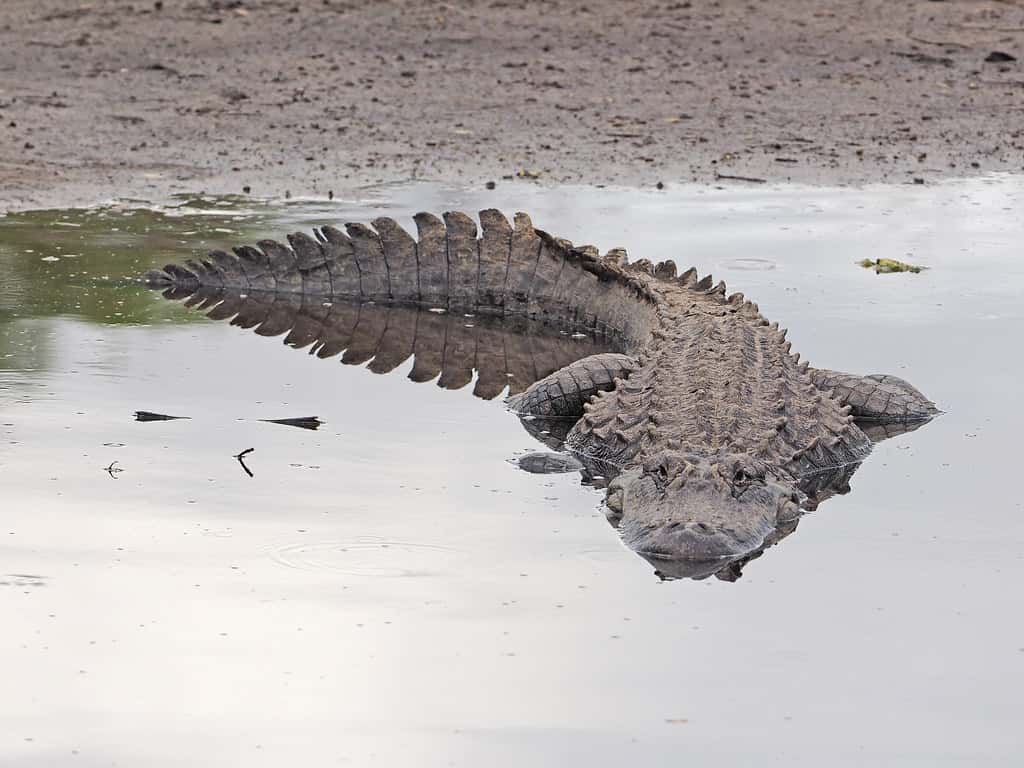
A woman swimming in the Silver River in Marion County was hospitalized after an alligator bit her on the arm, and she was pulled from the water by bystanders including a paddleboarder who used his paddle to drive the animal away and then applied a makeshift tourniquet to slow the bleeding. The attack happened near Ray Wayside Park on Saturday, August 8, and the Florida Fish and Wildlife Conservation Commission subsequently removed a nearly 10-foot alligator from the area.
Authorities closed the river to recreational traffic around 1 p.m. while officers and a contracted nuisance alligator trapper searched, and reopened it around 4 p.m. after the animal, measured at 9 feet 8 inches, was captured and removed.
The incident was the fourth alligator attack reported in the area this summer, a cluster that is unusual for a single stretch of water and that has prompted renewed attention to how people use the Silver River during the warmest and most active months of the alligator year.
What happened
According to accounts from local news outlets and witnesses, the woman was swimming in the river when the alligator struck, biting her on the arm. A paddleboarder identified in reports as Mike Head reached her and used his paddle against the animal, then helped get her out of the water. Bystanders on shore assisted in bringing her in, and a tourniquet was improvised to control blood loss from the arm wound before emergency medical services arrived.
The woman was transported to a hospital. Her condition has not been detailed publicly in the days since, and neither the Florida Fish and Wildlife Conservation Commission nor Marion County officials have released her identity.
FWC officers responded along with a Statewide Nuisance Alligator Program trapper, the standard protocol after a bite involving a person. Under that program, an alligator involved in an attack on a human is treated as a nuisance animal and removed rather than relocated, because relocated alligators frequently return or create the same risk elsewhere.
The 9-foot-8-inch measurement places the animal in the size range where alligators are capable of causing serious injury to an adult. Florida considers alligators longer than four feet to be potentially dangerous for the purposes of nuisance complaints.
Where the attack happened
The Silver River flows roughly five miles from Silver Springs, one of the largest artesian spring systems in the world, east to the Ocklawaha River. The corridor runs through Silver Springs State Park and Ray Wayside Park, and it is heavily used by paddlers, kayakers, glass-bottom boat tours, and swimmers.
The river is also prime alligator habitat. The combination of clear, warm spring-fed water, abundant fish, wooded banks, and slow current supports a substantial resident population, and alligators are visible to nearly anyone who spends an afternoon on the water there.
Silver Springs is one of Florida's oldest tourist attractions, drawing visitors since the 19th century, and the state park draws hundreds of thousands of visitors a year. That volume of human activity in dense alligator habitat is the underlying condition behind incidents like this one.
Ray Wayside Park, operated by Marion County, provides boat ramp access to the Silver River and the Ocklawaha and is a common launch point for paddlers.
The pattern this summer
Four attacks in one area over a single summer is well above the historical baseline for any single Florida waterway. Statewide, Florida averages roughly seven to eight unprovoked bites serious enough to require medical treatment per year across the entire state, out of an estimated alligator population of well over a million animals.
Several conditions can concentrate risk. Alligators are most active when water temperatures are high, which in Central Florida means late spring through early fall. Mating season runs through the late spring and into early summer, and males in particular range more widely and behave more aggressively during that period.
Human feeding is the other major factor, and it is the one wildlife officials emphasize most. An alligator that has been fed by people loses its natural wariness and begins to associate humans with food. Feeding alligators is a criminal offense in Florida, classified as a misdemeanor, and FWC has pursued charges in past cases.
Water clarity in spring-fed systems cuts both ways. The visibility that makes the Silver River appealing to swimmers also means alligators can see and track movement in the water from a considerable distance.
How Florida manages alligators
The Florida Fish and Wildlife Conservation Commission operates the Statewide Nuisance Alligator Program, which responds to complaints about alligators that pose a threat to people, pets, or property. Residents can report a nuisance alligator through a toll-free hotline, and the agency contracts with licensed trappers who respond to verified complaints.
The program handles thousands of complaints per year and removes a substantial number of animals. Alligators taken under the program are generally not relocated to other public waters; the standard outcome is that the trapper harvests the animal and retains the hide and meat as compensation, which is how the program is funded without direct state expenditure per removal.
The American alligator was listed as endangered in 1967 and recovered so successfully that it was removed from the endangered list in 1987. It remains federally listed as threatened due to similarity of appearance to the American crocodile, which supports regulation of the commercial trade in hides.
Florida also runs a regulated statewide alligator hunt each fall, allocating permits by unit, which functions as both a management tool and a revenue source.
Staying safe on Florida water
Wildlife officials give consistent guidance, and it is worth repeating because most Florida residents live within a short drive of alligator habitat. Swim only in designated swimming areas, and only during daylight hours. Alligators feed most actively at dusk, overnight, and at dawn.
Keep pets away from the water's edge and never allow a dog to swim in fresh water where alligators may be present. A dog in the water is closer in size to natural prey than an adult human is, and a significant share of alligator conflicts involve pets.
Never feed an alligator and never approach one, including small ones. Maintain distance from the bank in any fresh or brackish water body, and be particularly cautious around vegetation at the water's edge, where an alligator can be within a few feet without being visible.
If bitten, wildlife experts advise fighting back aggressively, targeting the eyes and snout, and making as much noise as possible to attract help. Bite wounds carry a high infection risk from bacteria in the animal's mouth, so medical treatment is essential even for injuries that appear minor.
The springs and who uses them
Florida's spring systems are among the state's most distinctive natural features, and the way people use them creates the specific conditions that produced this incident.
The state has more first-magnitude springs than anywhere else on earth, fed by the Floridan aquifer and discharging water at a nearly constant temperature year-round. That temperature, around 72 degrees, is what makes them a refuge during Florida summers and what draws crowds from June through September.
Silver Springs discharges hundreds of millions of gallons daily into the Silver River. The system supported a tourism industry beginning in the 1870s and became famous for glass-bottom boats and for serving as a filming location for movies and television.
Recreational use is layered. State parks manage designated swimming areas with defined boundaries and posted rules. Rivers downstream of the spring heads are open water managed differently, and the Silver River is a river rather than a swimming area, which is the distinction wildlife officials emphasize when discussing where it is advisable to swim.
Water quality has also become a concern across the spring system generally, with nitrate loading from agriculture and septic systems driving algal growth that has altered the ecology of several major springs over the past several decades.
The numbers behind the fear
Alligator attacks occupy a disproportionate share of public attention relative to their actual frequency, which is worth stating plainly because the fear shapes how Floridians and visitors use the state's water.
Florida has documented several hundred unprovoked bites over the past seven decades, with fatalities numbering in the low dozens across that entire span. Against a resident population of 23 million people and roughly 140 million annual visitors, the per-exposure risk is extremely low.
What has changed is not alligator behavior but human density. Florida's population has grown roughly tenfold since the 1950s, and much of that growth has occurred on and around fresh water, since the state's development pattern places housing along lakes, canals, retention ponds, and rivers. More people at the water's edge produces more encounters even with a stable alligator population.
Retention ponds in residential subdivisions deserve particular mention. They are fresh water, they connect to larger systems during heavy rain, and alligators move into them readily. Residents frequently do not think of a neighborhood pond as alligator habitat, which is precisely why it accounts for a share of conflicts involving pets and small children.
What's next
FWC will continue to monitor the Silver River corridor following the removal. A cluster of incidents in a single area typically prompts increased patrol presence and additional signage at access points, and county park staff often adjust posted guidance.
Marion County and Silver Springs State Park have not announced changes to swimming access along the river, and the river reopened the same afternoon as the attack. Visitors should check posted conditions at access points before entering the water.
Florida's alligator activity typically remains elevated through September before declining as water temperatures fall. The state's regulated hunt season opens in mid-August and runs into the fall, which will bring additional harvest pressure across designated management units.
For the woman injured on Saturday, the outcome could have been far worse without the bystanders who reached her. Wildlife officials have repeatedly noted that the actions immediately following a bite, including controlling bleeding and getting the person out of the water, are what most often determine whether an attack becomes a fatality.
Spotted an issue with this article?
Have something to say about this story?
Write a letter to the editor