Tampa Bay Water Gets $10 Million State Grant to Expand Its Surface Water Treatment Plant as Drought Restrictions Drag On
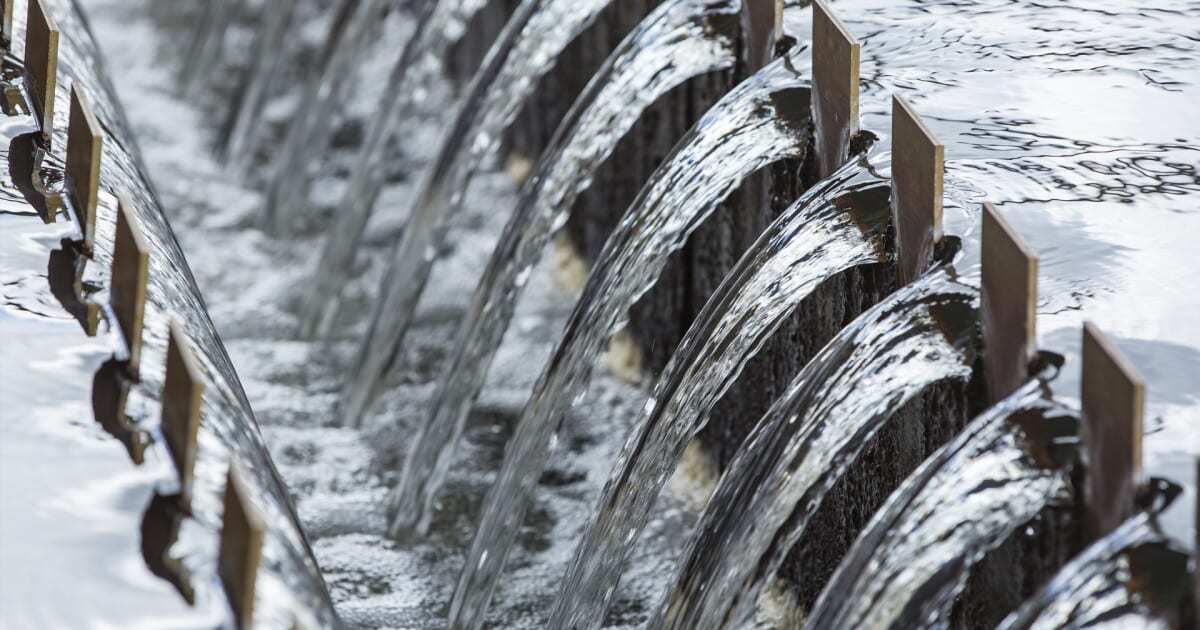
Tampa Bay Water has been awarded a $10 million Alternative Water Supply Grant from the state of Florida to help expand its Regional Surface Water Treatment Plant in Tampa, a roughly $181 million project that will add up to 12.5 million gallons per day of drinking water treatment capacity for the 2.6 million people the utility serves in Hillsborough, Pasco and Pinellas counties. The grant, detailed this week by St. Pete Catalyst and WUSF, comes as the region heads into another dry season still under one-day-a-week watering limits.
The added capacity amounts to nearly a 14% increase at the plant, according to Tampa Bay Water senior project manager Karim Molina-Oyola. The expansion is expected to be finished in 2028 and is designed to meet the region's drinking water demand through 2033.
Where the money comes from
The grant is part of roughly $100 million in water projects Gov. Ron DeSantis announced Oct. 28 at an appearance in Crystal River. Half of that money flows through the state's Springs Restoration Grant Program, and the other $50 million goes to 22 projects meant to expand alternative water supplies, WUSF reported.
Other awards in the same round include $12.6 million for seven Polk County communities to add brackish water to their supplies through the Polk Regional Water Cooperative, and $19.1 million for six reclaimed water projects, among them a reuse expansion at Fort Myers' Central Advanced Wastewater Treatment Facility and a transmission expansion in Apopka. On the springs side, awards include $3 million for Citrus County's septic-to-sewer program, $3 million for the Suwannee River Water Management District to buy land in the Suwannee River Basin and $3 million for a DeLand pump station and sewer extension.
According to the Southwest Florida Water Management District, an alternative water supply relies on a nontraditional source, such as reused wastewater or desalinated seawater, rather than groundwater.
"We are thankful to the Florida Department of Environmental Protection for granting us this funding opportunity for the Surface Water Treatment Plan expansion," Molina-Oyola told St. Pete Catalyst. "This project will increase our reliability at the site."
What the expansion adds
According to a news release cited by WUSF, the regional project will "increase drinking water supply and strengthen long-term reliability of the region's drinking water." The plant has operated since 2002. It treats water drawn from the Alafia River, the Hillsborough River and the Tampa Bypass Canal, along with surplus water stored at the C.W. Bill Young Regional Reservoir in Hillsborough County.
Molina-Oyola said the project adds a fifth treatment process train, which works like an assembly line: raw water enters the plant, passes through a series of filters and is treated with chemicals to make it safe to drink. According to Tampa Bay Water, the upgrade includes:
- An expanded ACTIFLO clarification process, which removes color and particles from raw water.
- An additional ozone contactor. Ozone is the plant's primary disinfectant.
- More biologically active filters to remove remaining organic molecules.
- Expanded secondary disinfection chemical systems.
Construction began in September 2025, St. Pete Catalyst reported. Crews have completed large-diameter pipe installation and are continuing work on foundations, filters, pumps, chemical facilities and other systems, according to a Tampa Bay Water update.
"We have a growing demand in the Tampa Bay area," Molina-Oyola said. "The project will also support the resiliency of our water infrastructure. We need more redundancy."
How the project is funded
The state grant adds to earlier outside money for the expansion. The funding pieces reported so far are below.
| Source | Amount |
|---|---|
| State Alternative Water Supply Grant (2026) | $10,000,000 |
| Congressional funding | $1,016,667 |
| Earlier state funding | $1,000,000 |
| Total project cost | About $181 million |
Tampa Bay Water selected the expansion from three top-ranked projects identified during the update of its Long-Term Master Water Plan, which included public input, according to the utility.
A plant expansion during a drought
The project's value is easiest to see in a dry year, and 2026 has been one. In March, Tampa Bay Water declared a Stage 3 Extreme Regional Supply Shortage and stopped drawing from local rivers because flows were too low, relying only on its groundwater wells and its seawater desalination plant in Apollo Beach, WUSF reported at the time. The utility's chief science officer, Warren Hogg, told the station the drought was about the worst in the last 50 years, and the intake on the Alafia River had run dry.
The rainy season did not refill the system. On Sept. 22, the Southwest Florida Water Management District's governing board extended its Modified Phase III "Extreme" Water Shortage order through March 31, 2027, Fox 13 reported. The C.W. Bill Young Regional Reservoir held 7.87 billion gallons as of Sept. 20, about half its 15.5 billion-gallon capacity.
Under the order, residents across 11 counties, including Hillsborough, Pasco and Pinellas, may water lawns only one day a week, during limited overnight hours, unless their city or county sets stricter rules. Hand watering and low-volume irrigation of plants and shrubs are allowed on any day before 8 a.m. or after 6 p.m.
Statewide, the rainy season ended with drought still lingering in many areas despite October downpours and this month's flooding on the east coast, as The Florida Press has reported.
Why it matters for Tampa Bay
Tampa Bay Water is a wholesale utility: it supplies drinking water to its member governments, Hillsborough, Pasco and Pinellas counties and the cities of St. Petersburg, New Port Richey and Tampa, which then deliver it to homes and businesses. A bigger regional treatment plant therefore touches nearly every tap in the three counties. Molina-Oyola framed the project around two needs, rising demand from a growing population and redundancy, so that the system has more than one way to keep water flowing. This spring showed the stakes, when the region's supply was narrowed to wells and desalination after the rivers ran too low to use.
What's next
Construction will continue through 2028, when the expanded plant is expected to come online. In the meantime, the regional watering restrictions remain in effect through at least March 31, 2027, and Tampa Bay Water continues to urge customers to conserve during the dry season that runs through spring.
Spotted an issue with this article?
Have something to say about this story?
Write us a letterComments
No comments yet. Be the first to weigh in.
Related Coverage
Rising Fuel Costs Squeeze Citrus County Stone Crabbers as 2026-27 Season Gets Underway
1h ago
Fort Pierce Chimp Sanctuary Uses a Drone to Feed a Stranded Ape as Floodwater Swamps Save the Chimps
4h ago
Florida's Rainy Season Ends With Drought Still Lingering Despite October Downpours and November Flooding
1d ago

Experts Warn Florida's State-Subsidized Septic Biofilters Might Not Work as Intended
3d ago