Pinellas commissioners set Oct. 27 vote on Vince Nowicki's Flock camera ban after Bob Gualtieri's fierce defense
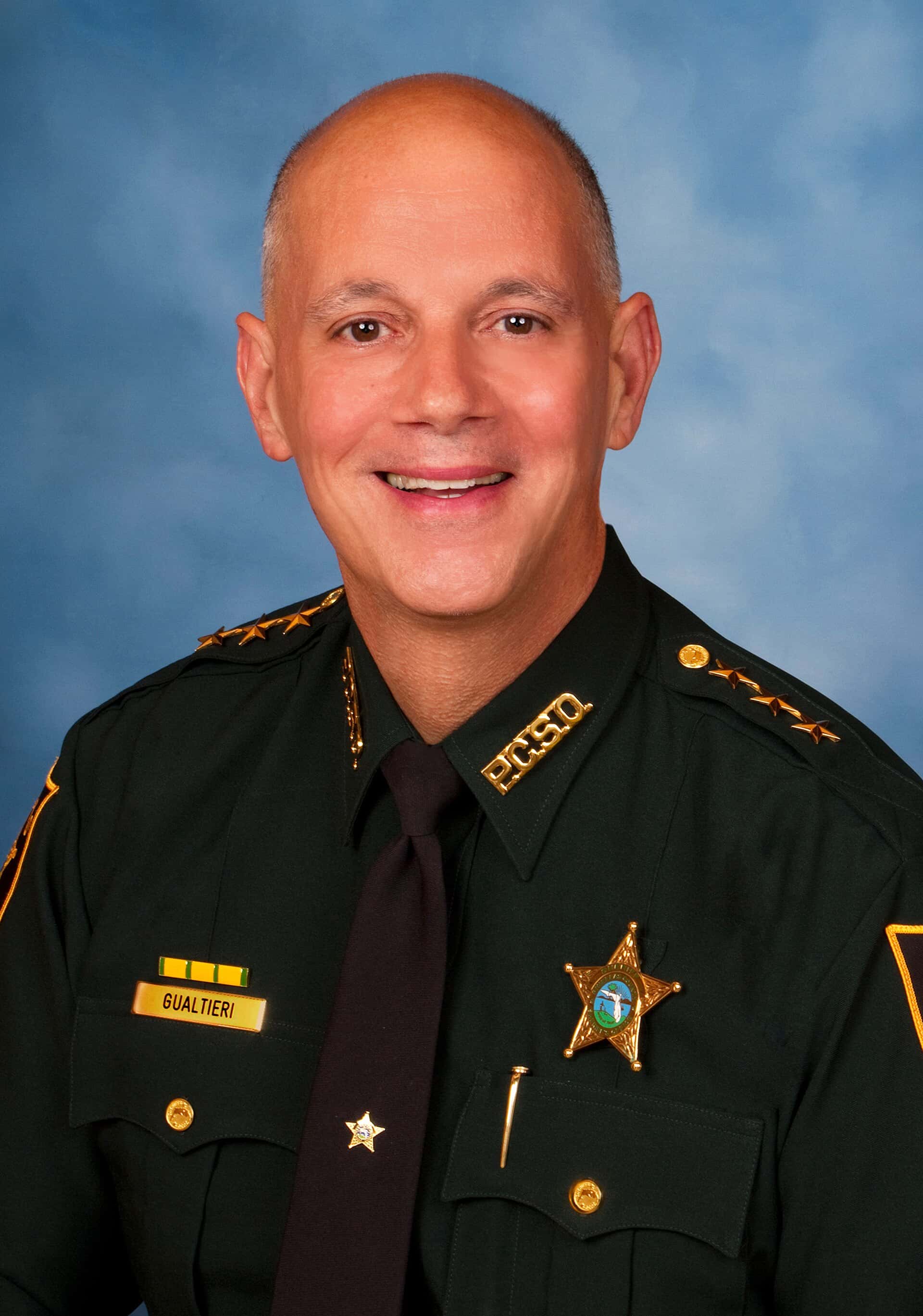
Pinellas County commissioners are scheduled to vote Tuesday, Oct. 27, on Commissioner Vince Nowicki's resolution to cut the county's ties to Flock Safety cameras and other automated license plate readers, the first formal decision in a fight that has pitted privacy-minded residents against Sheriff Bob Gualtieri, one of the technology's most prominent defenders in the country. The vote, reported by Florida Politics, comes one week after St. Johns County commissioners on Florida's First Coast voted 3-2 to pull the readers off their county rights-of-way.
What Nowicki's resolution would do
According to Florida Politics, the resolution would end county contracts, subscriptions and data-sharing agreements with Flock Safety, Axon and other automated license plate reader providers. It calls for removing the cameras from county-controlled roads and rights-of-way within 30 days and would bar the county from entering new agreements for the technology.
The measure goes further in tone than in force. It would urge the Pinellas County Sheriff's Office and municipal police departments to end their own use of the readers, and it would direct county staff to report back on existing camera locations, who owns them and what removing them would cost.
Even if it passes, the resolution would not eliminate plate readers across Pinellas. Cities run their own camera programs, and Gualtieri is an independently elected constitutional officer whom the commission cannot order to abandon every reader his agency operates. What a yes vote would do is pull county government out of the system and take county-controlled roads off the network.
How big the network is
The Sheriff's Office has used plate reader technology since 2006 and buys systems from Flock Safety, Motorola and Axon. In early September, Gualtieri said 23 of the agency's 73 fixed readers sat on state rights-of-way and had to come down under the Florida Department of Transportation's order, while St. Petersburg police identified six of the 50 Flock cameras available to officers for removal, Florida Politics reported. The agency also runs mobile readers on trailers and has plate reader capability built into the dash-camera systems of all 560 of its patrol vehicles.
At the Oct. 8 workshop, Gualtieri told commissioners the county has 79 stationary cameras and that the Flock Safety contract costs $287,000 a year, according to Bay News 9. Published accounts have not reconciled the 73 and 79 figures, which may reflect different counting dates or vendors.
The state action that forced some cameras down did not reach county or municipal roads. FDOT revoked permits for every reader on a state right-of-way on Aug. 31 and gave agencies 30 days to remove them, after Gov. Ron DeSantis called the cameras "out of control." That left most of the Pinellas network in place, and Gualtieri has said his agency will not voluntarily move cameras off county roads.
Gualtieri's case for the cameras
Gualtieri spent more than an hour defending the readers at the Oct. 8 work session, which commissioners scheduled in September after delaying Nowicki's proposal so the sheriff could make his case. He called the technology potentially "the greatest public safety invention since the two-way radio."
"We can't not have it," Gualtieri said, according to Florida Politics. "We just have to do it the right way."
His presentation leaned heavily on what fixed readers are not. He told commissioners they take still images of vehicles and plates, do not continuously record video and do not perform facial recognition, though commissioners established that the images can capture more than a plate and that investigators can search by features such as vehicle color, roof racks or bumper stickers. Gualtieri also said every appellate court in the country that has considered the question has found plate reader use does not violate the Fourth Amendment, and that Florida law, which allows agencies to keep the data for up to three years, requires agencies to release plate reader records to a resident who asks for them unless that person is under investigation, Bay News 9 reported.
In September, Gualtieri pointed to an armed robbery near U.S. 19 and Ulmerton Road in which plate reader records helped identify a getaway car later stopped in Daytona Beach, and he credited the technology as one reason serious crime in his service area has fallen more than 64% over a decade. "We live in a technological age, which means we cannot fight crime in the Stone Age," he said then.
The deputy arrests and the audit gap
The debate sharpened after Gualtieri announced on Sept. 30 the arrests of two now-former deputies accused of misusing law enforcement databases. One allegedly searched for a woman he had arrested years earlier, and later pursued romantically, 381 times across several databases, 300 of them through the plate reader system. The other allegedly used databases to pursue a 17-year-old student, according to Florida Politics.
Gualtieri acknowledged the agency's audits did not catch the searches. "The reason why the audits didn't catch it is because he was lying," he told commissioners. He said manufacturers are developing artificial intelligence tools that could learn normal search patterns, flag anomalies and freeze a user's access until a supervisor reviews it, and predicted enhanced tools would be in place around the start of next year. He also floated stripping the state law enforcement certification of any officer who misuses the databases, while conceding that no safeguard can guarantee abuse will never happen again.
In September he framed the arrests as "a people problem," not a flaw in the product.
Data sharing, ICE and the sponsorship clash
Commissioners pressed Gualtieri on how far Pinellas data travels. Commissioner Brian Scott noted the county shares data with agencies elsewhere and asked whether they keep the same safeguards. "We don't share with everybody," Gualtieri said. "We do share with a lot." Commissioner Chris Scherer asked whether the Sheriff's Office would even know if an officer outside Pinellas improperly searched images collected by cameras here, and said the answer made him nervous.
The workshop never specifically addressed immigration enforcement, Florida Politics reported, leaving unanswered a central worry among critics: that U.S. Immigration and Customs Enforcement could be deliberately granted access to plate reader data. Flock says ICE does not have direct access by default and that sharing with federal agencies is disabled unless the local agency controlling the data expressly allows it.
The meeting turned heated when Nowicki asked about Gualtieri's role as president of the Major County Sheriffs of America, an organization that sells sponsorships to surveillance technology companies. "I'm not being bought and paid by anybody," Gualtieri told him, calling the suggestion offensive. Nowicki later apologized for offending the sheriff, but afterward said it was clear a majority of his colleagues did not want to end the contracts. "A majority of my colleagues seem to be OK with dragnet surveillance," Nowicki said, according to Bay News 9. Commissioner Rene Flowers said she was comfortable with how the Sheriff's Office uses the system and believed most commissioners agreed.
Residents push back on the commission
At the commission's Oct. 13 meeting, residents accused commissioners of giving Gualtieri too little pushback. Paul Merola of Palm Harbor, speaking for himself and four other residents, told the board it had been given "an ALPR sales pitch." He argued the presentation omitted that Miami-Dade's sheriff shut down that county's readers on Sept. 1, and he traced links he said run between the sheriffs' association, its corporate sponsors and the lobbying firm Ballard Partners, which also lists Flock as a client.
Other speakers aimed at commissioners themselves. Lauren Meyers said the board had been too deferential. "Your job is to ask questions, not explicitly trust your colleagues," she said. Jeremy Warner said the county let the technology expand before guardrails were in place, and Heather Vernillo of Palm Harbor said residents were "buying a surveillance state," not safety. Merola asked commissioners to hold an evening meeting so more working residents could weigh in.
The St. Johns County parallel
The Pinellas vote follows a similar decision on the First Coast. On Oct. 20, St. Johns County commissioners voted 3-2 to remove automated plate readers, including Flock cameras, from county rights-of-way, Action News Jax reported. The decision does not apply to privately operated readers such as those used by homeowners associations.
Commissioner Christian Whitehurst made the motion, saying he did not expect it to pass. Commissioner Sarah Arnold said the technology appeared to have outpaced the safeguards, while Commissioner Krista Joseph called removal "radical." Sheriff Robert Hardwick, who had cut data retention to 30 days and ended sharing with outside agencies, said in a statement that the decision encroaches on his ability to keep the community safe and that his office will keep working to bring the technology back.
Elsewhere, the Pasco sheriff ended his Flock contract in September, saying it lacked support from county commissioners, according to Bay News 9, and the St. Petersburg City Council sent its own $730,250 Flock contract to committee for review.
What's next
Commissioners take up the resolution Tuesday. Comments from the Oct. 8 workshop suggest Nowicki may lack the votes, but the meeting will be the board's first formal choice between Gualtieri's call to regulate the cameras and Nowicki's push to remove them from county government. Gualtieri has said he expects the Legislature to write new statewide rules on plate readers in its next session, and Attorney General James Uthmeier has called for legislative protections, so the larger fight is likely headed to Tallahassee whatever Pinellas decides.
Spotted an issue with this article?
Have something to say about this story?
Write us a letterComments
No comments yet. Be the first to weigh in.
Related Coverage

Volusia County Launches Florida's First Online Database of Convicted Domestic Abusers
19h ago

Miami-Dade sheriff ends Sergeant-at-Arms security detail; Levine Cava warns of risk at Government Center
23h ago

Florida AG Uthmeier proposes Safe Screens Act with overnight shutoff, app store age checks for teens
1d ago
Voter Lookup Tools Go Down on Florida County Election Sites as Early Voting Begins
1d ago