Red Tide Spreads Along the Florida Panhandle, With Bloom Levels at Mexico Beach, St. Andrews and Cape San Blas
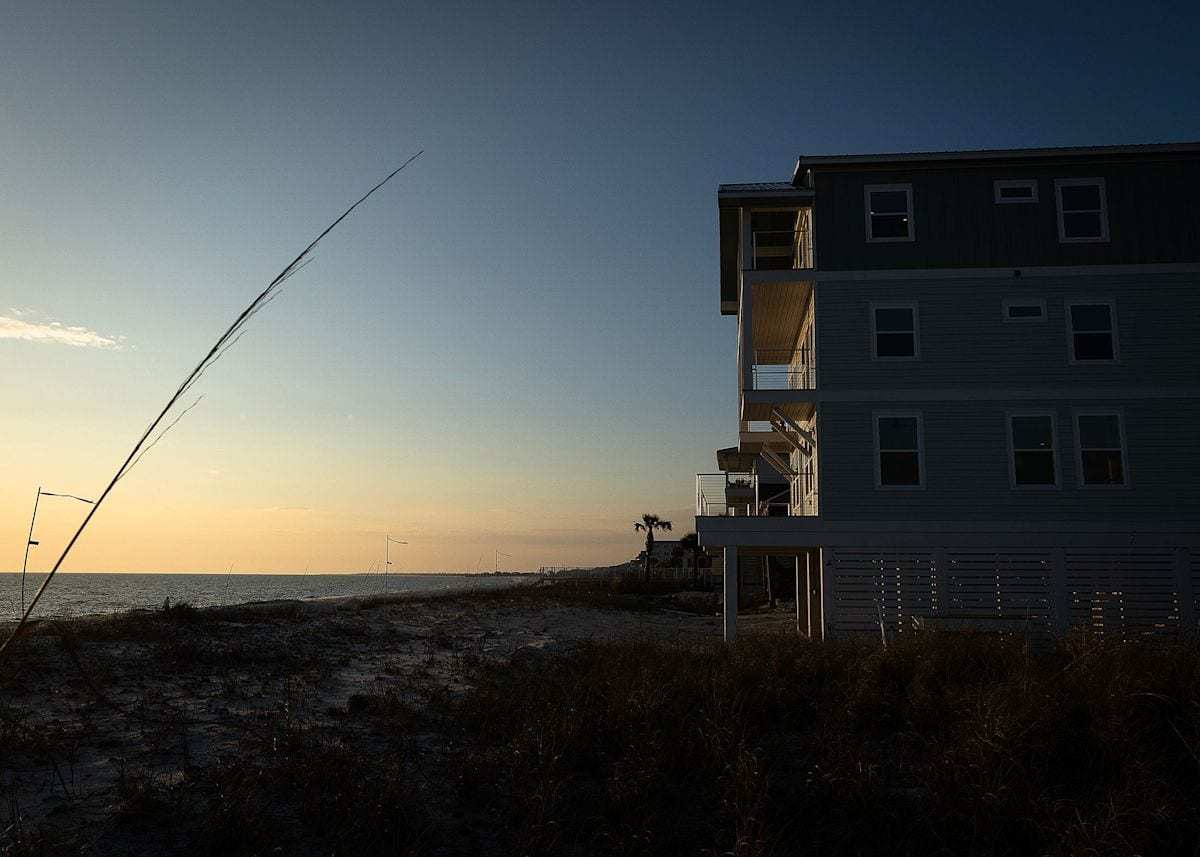
A red tide bloom that took hold in St. Joseph Bay in October has spread along the Florida Panhandle, with the Florida Fish and Wildlife Conservation Commission now detecting the algae Karenia brevis in Walton, Bay and Gulf counties and confirming bloom-level concentrations at Mexico Beach, St. Andrews State Park and two Gulf County sites. FWC's latest status report, issued Friday, Nov. 13, also noted several fish kills suspected to be caused by red tide in Bay and Gulf counties, and the Florida Department of Health has posted health alerts and cautions at beaches, boat ramps and parks from Panama City to Cape San Blas.
What FWC found
Over the week covered by the Nov. 13 report, FWC detected K. brevis in 20 samples from Northwest Florida. Four samples from Bay and Gulf counties held bloom concentrations, which the agency defines as more than 100,000 cells per liter, the level at which fish kills become probable. The agency also noted that cloud cover had obscured satellite imagery of the bloom area for several days, limiting how much of the offshore picture could be seen.
The county-by-county readings in FWC's Northwest Florida table, based on samples collected Nov. 5 to Nov. 10, are below.
| County | Samples with K. brevis | Range | Highest reading |
|---|---|---|---|
| Escambia | 1 | Background | Pensacola Beach Pier |
| Walton | 1 | Low | Grayton Beach State Park |
| Bay | 9 | Background to medium | Mexico Beach; St. Andrew State Park pier |
| Gulf | 9 | Very low to high | Spinaker Beach (high); east of Blacks Island in St. Joseph Bay (medium) |
The only high reading, meaning more than 1 million cells per liter, came from Spinaker Beach in Gulf County on Nov. 9. At that level, FWC's scale notes, water discoloration is possible on top of fish kills and respiratory irritation. FWC did not find the organism in samples from Franklin, Levy, Citrus or Hernando counties that week, and no samples from Santa Rosa, Okaloosa, Wakulla, Jefferson, Taylor, Dixie or Pasco counties were analyzed.
No respiratory irritation suspected to be related to red tide was reported in the most recent week, according to FWC, though the agency had reported irritation in the St. Joseph Bay area in its Oct. 23 update.
How the bloom grew
Red tide has been building in Gulf County since early fall. The Florida Department of Health in Gulf County issued its first caution of the season on Oct. 19, for St. Joseph Point at the southwest end of St. Joseph Bay, based on an FWC sample collected Oct. 14. On Oct. 23, FWC reported bloom concentrations for the first time this season, in two samples from St. Joseph Bay. By Oct. 30 the agency was finding K. brevis in 24 Northwest Florida samples.
The bloom then pushed west into Bay County. DOH-Bay issued a health alert for Mexico Beach on Oct. 28, based on samples taken Oct. 26, followed by a caution for the Panama City Marina boat ramp on Nov. 6 and, on Nov. 13, notices for St. Andrews State Park and for West Bay near Cedar Hammock Island, both based on Nov. 9 samples. The low reading at Grayton Beach State Park marks the farthest west the organism has appeared above background levels in the latest report.
It is the second straight fall that red tide has hit the area. A bloom brought high concentrations to the Panhandle coast in the fall of 2025, and the Port St. Joe Star reported on Nov. 2 that red tide was again plaguing the Gulf County coast.
Health alerts and cautions
The two county health departments have posted the following notices since mid-October.
| Date | Agency | Location | Level |
|---|---|---|---|
| Oct. 19 | DOH-Gulf | St. Joseph Point | Caution |
| Oct. 28 | DOH-Bay | Mexico Beach | Alert |
| Oct. 29 | DOH-Gulf | St. Joseph Peninsula Point and Eagle Harbor, Gulf side | Caution |
| Oct. 30 | DOH-Gulf | Cape Palms Park, Cape San Blas | Alert |
| Nov. 3 | DOH-Gulf | T.H. Stone Memorial St. Joseph Peninsula State Park boat ramp, Gulf side; beach access near the Bay and Gulf county line | Alert |
| Nov. 4 | DOH-Gulf | Windmark Beach public access; Highland View Bridge; St. Joseph Peninsula Point, bay side | Alert |
| Nov. 6 | DOH-Gulf | Port St. Joe RV Resort, Highland View; state park boat ramp, bay side; kayak launch near the stump hole | Alert |
| Nov. 6 | DOH-Bay | Panama City Marina boat ramp | Caution |
| Nov. 13 | DOH-Bay | St. Andrews State Park; West Bay near Cedar Hammock Island | Alert and caution |
In its Mexico Beach alert, DOH-Bay advised people not to wade or swim in or around red tide, which can cause skin irritation, rashes and burning eyes, and to wash skin and clothing with soap and fresh water after contact. The department urged people with chronic respiratory conditions to stay away from affected areas and told beachfront residents to close windows and run air conditioning with a maintained filter. It also said not to harvest or eat molluscan shellfish, such as clams, oysters and mussels, or distressed or dead fish from affected areas. Healthy finfish caught alive are safe to eat if they are filleted, the guts are discarded and the fillets are rinsed with tap or bottled water. Pets and livestock should be kept out of the water and away from dead marine life, and a pet that swims in red tide should be washed with soap and water as soon as possible.
Local response in Gulf County
Gulf County commissioners voted in late October to pay for nutrient and bacteria testing at six sites around St. Joseph Bay, working with the St. Andrew and St. Joseph Bays Estuary Program, to help identify what is feeding the bloom, according to a county release dated Oct. 28. Commissioners reviewed preliminary sampling results on Nov. 12, and further results are expected by the board's next regular meeting on Nov. 24, according to local reporting. Red tide forms naturally offshore, but nutrients from land can help a bloom persist once it reaches coastal waters, which is why the county is testing the bay.
Elsewhere on Florida's coasts
Southwest Florida, where the state's most damaging red tides have historically occurred, is largely clear for now. FWC found K. brevis only at background levels, 1,000 cells per liter or less, in three samples: one offshore of Pinellas County, one in Sarasota County and one offshore of Collier County. The organism was not observed on Florida's east coast.
The joint USF and FWC forecast in the Nov. 13 report projected surface waters moving southeast from Okaloosa County toward Citrus County over the following few days, with subsurface currents running mainly southeast along the Gulf Coast from Walton County to northern Monroe County.
What's next
FWC said its next statewide status report is scheduled for Friday, Nov. 20; the agency's daily sampling map is updated at 5 p.m. Residents can check beach conditions at Protecting Florida Together, call the statewide red tide recording at 866-300-9399, report fish kills to FWC's Fish Kill Hotline at 800-636-0511, and report health symptoms to the Florida Poison Information Center at 800-222-1222. Licensed shellfish harvesting area status is posted by the Florida Department of Agriculture and Consumer Services.
Spotted an issue with this article?
Have something to say about this story?
Write us a letterComments
No comments yet. Be the first to weigh in.
Related Coverage

DeSantis and Cabinet Approve $240 Million in Land Deals, Including $20.5 Million Clearwater Beach Tract for Caladesi Island State Park
4h ago
Suncoast Waterkeeper Threatens Clean Water Act Suit Against Nokomis Scrapyard Over Metal Runoff Into Dona Bay
1d ago
NOAA Proposes Reopening Part of Florida's Rare Oculina Bank Coral Reef to Shrimp Trawling
2d ago
Polk Ranch, St. Johns River Land and DeSoto Pasture Permanently Protected as Florida Buys Development Rights on Nearly 830 Acres
6d ago