Some Classes Will Stay on Hillsborough College's Dale Mabry Campus During Rays Stadium Construction, Reversing Part of Off-Site Plan
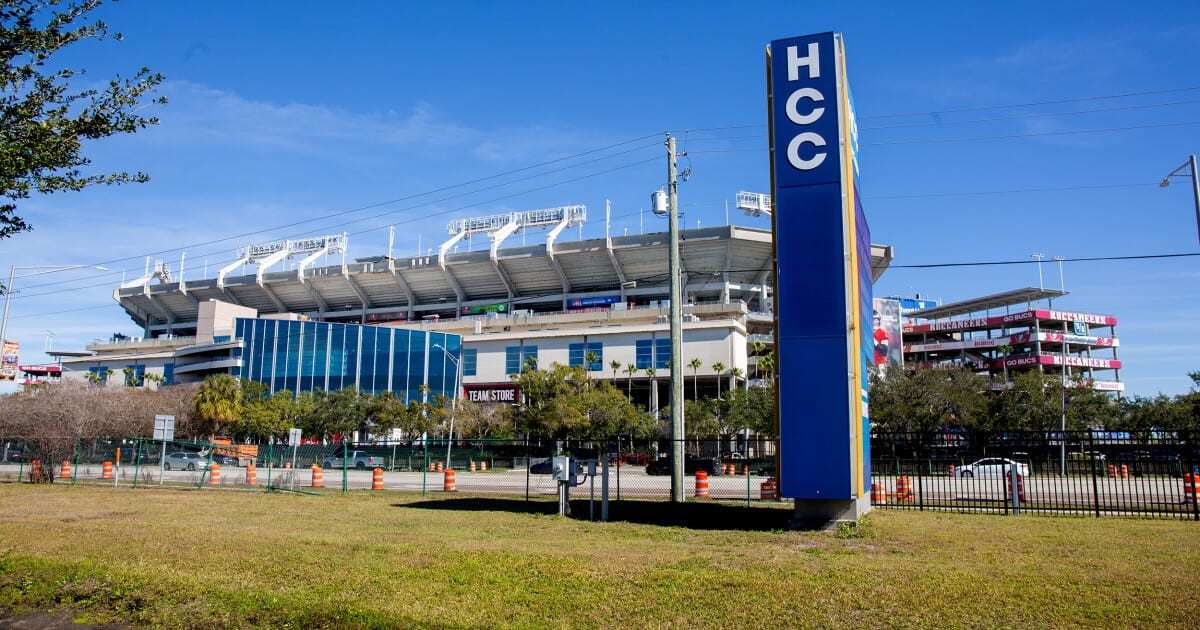
Hillsborough College will hold some classes on its Dale Mabry campus in Tampa after all while a new Tampa Bay Rays stadium rises on college land, a partial reversal of a plan that would have moved nearly all instruction off campus during construction, WUSF Public Media reported Tuesday, November 24, 2026.
Students told the station they persuaded administrators to hold some class sessions at The Nest, a cluster of portable classrooms the college is setting up on the campus away from the ballpark's footprint. The change gives some of the tens of thousands of students who take classes at the Dale Mabry campus a chance to stay on site, but student leaders say many still do not know where their spring courses will meet even as they register for them.
What changed
Under the plan the college laid out in late October, classes were to leave the Dale Mabry campus during construction. Five health care programs were headed to the University of South Florida's Center for Advanced Medical Learning and Simulation in downtown Tampa, and all other classes were to move to Tampa Bay Park, an office complex near the campus, according to WUSF's reporting at the time. The Nest, originally designed as temporary classroom space, was instead to house administrative and student services, the library and the bookstore, Fox 13 reported.
College President Ken Atwater had explained that earlier switch as a way to avoid putting students in portable classrooms next to a major construction project, Fox 13 reported. He told trustees in October that the off-campus plan offered a better learning environment because classes would be held in existing permanent buildings, while acknowledging that there would be some inconvenience for students.
The latest adjustment brings at least some instruction back to The Nest. WUSF reported that college officials were not available to comment this week, and the college has not publicly detailed how many classes or programs will meet on campus versus at the off-site locations.
Students say they were left out
Melanie Lopez, secretary of the Dale Mabry campus student government association, told WUSF that students feel they have been "treated as pawns" in the process. She said administrators had not told students enough, and that while the president told her the changes had been announced on social media, "Honestly, I don't think it was enough."
Lopez said the information had only been discussed at a student government meeting and that students are signing up for next semester's classes without knowing where those classes will be held. Most students who know about the plan dislike it, she told the station, and many oppose the stadium project altogether, citing what they see as rushed planning and a possible decline in the quality of their education.
Those complaints echo what students, faculty and community members told the college's Board of Trustees at a packed meeting in late October. Justin Yearwood, the student government's chief of staff, said then that students could not adequately prepare for the spring semester. "We're told the move may happen in March, but we don't know what classes are going to look like," he said, according to WUSF. He also raised questions about the college's proposed shuttle service, including its routes.
Political science professor Eric Fisk told trustees that a survey of 900 students found about 30% would consider relocating, transferring or leaving school. Despite the opposition, trustees approved an item that lets administrators begin relocating campus assets. That vote did not authorize demolition.
The scale of the project
The stadium and surrounding mixed-use district together carry a price tag of about $2.36 billion, WUSF reported in September. The Rays have committed more than $1.3 billion and will cover cost overruns, while the City of Tampa and Hillsborough County financing agreements approved in August provide up to $876 million combined. The Rays are also paying for the college's temporary relocation, according to the station.
The ballpark is planned as a roughly $2.3 billion indoor stadium, and team officials want it open in time for the 2029 regular season. Construction of the stadium and the college's new buildings is expected to continue through 2030. The college's rebuilt academic buildings will rise on the west side of the campus near Lois Avenue.
The college's trustees approved a nonbinding memorandum of understanding with the Rays in January, and the team signed a 99-year lease in May that takes effect when construction begins, WUSF reported. The state is expected to cover at least $150 million of a projected $215 million for the education portion of the site. Earlier this month, the outgoing Hillsborough County Commission approved $90 million, and up to $263 million, in tourist tax bonds for the project, and in late October the Tampa City Council approved a $21 million community benefits package the Rays will provide over five years.
Who is affected
Between 22,000 and 27,000 students take classes at the Dale Mabry campus, Fox 13 reported. Many commute long distances. Students interviewed by WUSF in September described drives of an hour or more each way and worried about traffic around a stadium district that already sits next to Raymond James Stadium and George M. Steinbrenner Field.
A handful of older campus buildings will be torn down, and the campus tennis facility will be removed and eventually relocated. Some students told WUSF in September that moving classes into trailers felt like a step backward for a college that charges tuition.
What the college has said
Atwater has defended the project as a long-term gain for students. In an August statement, he acknowledged that relocation could create challenges but said the benefits of rebuilding the campus "cannot be overlooked." He called the project "a rare opportunity to invest in a modern, student-centered campus" and said the college remains focused on student success and the region's workforce needs.
He has also argued that daily life on campus would not change dramatically because of the stadium. "I honestly don't think it will be that much different than the environment that we already live in," he told WUSF in September, noting the existing stadiums nearby. The college unveiled conceptual renderings of a rebuilt Dale Mabry campus on August 26.
What's next
Construction on the ballpark is expected to begin soon, and students have been told the move to temporary sites could happen as early as March, during the spring semester. The college has said it is still working through relocation logistics, including the shuttle service meant to connect The Nest, Tampa Bay Park and the downtown medical training center.
For students registering now, the open question is which of their classes will meet on campus in The Nest and which will be off site. Student leaders say they will keep pressing administrators for a full schedule of locations before the spring term begins, and administrators have told trustees they will return with an inventory of campus items being disposed of as the relocation proceeds.
Spotted an issue with this article?
Have something to say about this story?
Write us a letterComments
No comments yet. Be the first to weigh in.
Related Coverage
Broward Schools Fired 285 Teachers Over Certification Lapses This Year After a State Audit Found Nearly a Quarter Out of Compliance
7h ago
Vanderbilt's West Palm Beach Campus Aims to Keep Palm Beach County Talent at Home as 2029 Opening Nears
1d ago

Built to Fit: How Florida's Universal Vouchers Are Fueling a Microschool Boom and Pushing Districts to Compete
2d ago

Florida Names Step Up, Step Further and AAA to Run New Federal K-12 Tax Credit Scholarships
3d ago