Built to Fit: How Florida's Universal Vouchers Are Fueling a Microschool Boom and Pushing Districts to Compete
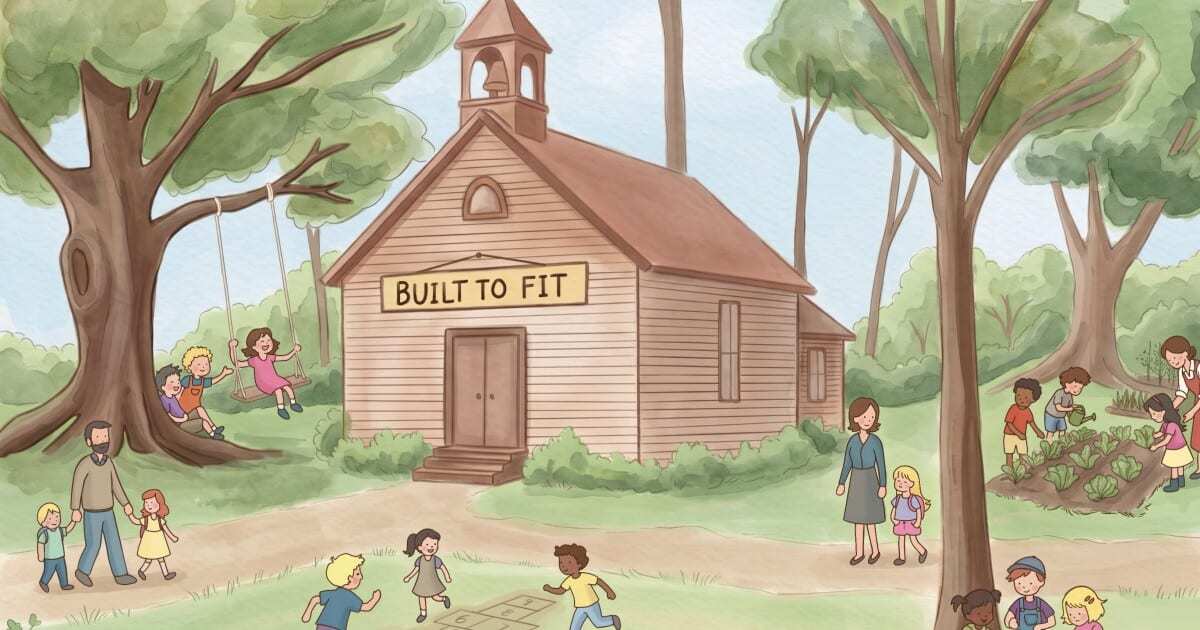
Three years after Florida opened taxpayer-funded scholarships to every K-12 student regardless of family income, microschools have become one of the most visible results, and a new public radio series is tracing how the tiny, often unconventional schools are pulling families and money away from traditional districts. "Built to Fit," a special report and podcast by freelance reporter Yvonne Bertucci zum Tobel for WLRN Public Media, published November 20 and republished by WUSF on November 21, follows students, teachers and district leaders from Lakeland to Miami-Dade.
The series lands as Florida's school choice system faces its biggest policy questions since the 2023 expansion. The Florida Press has separately covered Education Commissioner Henry Mack's push to lift the cap on voucher funding and Gov. Ron DeSantis' promotion of a new federal education tax credit; this story focuses on the schools that the scholarships are paying for.
The scale of Florida's choice system
The modern system traces to 1999, when Gov. Jeb Bush signed the A+ Plan creating the Opportunity Scholarship Program, alongside the McKay Scholarship for students with disabilities. In 2014, Florida became the second state after Arizona to offer an education savings account for students with disabilities. That program started with 1,491 students and now serves about 140,000, according to the WLRN report.
The turning point was HB 1, which DeSantis signed on March 27, 2023, making every K-12 student eligible for a scholarship. WLRN reports that nearly $4 billion in public money went to families in the 2025-26 school year, with an average award of about $8,000 per child. Step Up For Students, the nonprofit that administers 98% of the state's scholarships, said more than 525,000 students were funded on Florida's K-12 scholarship programs during 2025-26. For 2026-27, Step Up said more than 300,000 students applied after applications opened February 1, about 200,000 of them in the first three days.
Families can spend the money at private schools, on homeschooling or at microschools, small learning settings that typically enroll a dozen or so students and operate in storefronts, homes, churches and other nontraditional spaces. The state does not publish an official count of microschools, and local reporting has noted that no one knows exactly how many are operating. A presentation by Sarasota County Schools Superintendent Terry Connor, reported by the Observer this year, cited growth statewide from one registered microschool in 2020 to about 250 in 2024.
Where students are going
The series lays out enrollment figures from the Florida Department of Education that show the shift in plain numbers.
| School year | Private school enrollment | Public school enrollment |
|---|---|---|
| 2022-23 | 445,067 | 2,870,507 |
| 2023-24 | 466,004 | Not reported |
| 2024-25 | 496,519 | Not reported |
| 2025-26 | Not reported | 2,792,954 |
Public enrollment fell 2.7% over that span, and Miami-Dade County Public Schools, the nation's third-largest district, is down nearly 6%, with dozens of South Florida schools closing. About 70% of Florida students now attend district schools, compared with 86% a quarter century ago, according to the report. Roughly 14% attend charter schools and about 15% use vouchers or education savings accounts.
Nationally, the National Microschooling Center estimates more than 1.5 million students attend microschools. Its surveys, cited in the series, found that 54% of microschool students came from district public schools, 30% had been homeschooled, 9% came from private schools and 7% from charters. More than half of microschool founders are current or former licensed teachers.
Inside one microschool
Much of the series centers on Wonderhere, a nature-based microschool in Lakeland founded in 2016 by former public school teachers Tiffany Thenor and Jessica Zivkovich. It began with seven students in a downtown storefront and now operates on a roughly 9-acre former residential property with alpacas, goats, chickens and turkeys. There are no grades or high-stakes tests, classes are capped at 12 students and children call teachers by their first names.
Tuition is about $8,000 a year, roughly matching the average scholarship, and just over 80% of students use state vouchers, according to WLRN. About 70% attend a half-day program that runs four hours a day, four days a week. Wonderhere is registered as a private school, so voucher students must take an annual assessment. The school has since expanded to other Florida campuses and to South Carolina.
The series profiles several families who said a conventional classroom did not work for their children, including a 10-year-old who stutters and attends on a $10,000 scholarship for students with unique abilities, and a 12-year-old with dyslexia. The RAND Corporation has reported that microschools serve a disproportionate share of students with learning differences, a theme the series returns to repeatedly.
Districts start to compete
Some districts have stopped treating microschools only as rivals. Polk County Public Schools is running a two-year pilot with Wonderhere at Philip O'Brien Elementary in Lakeland, where Thenor taught for more than eight years. Pilot classes are limited to 12 students and get about two hours of outdoor time a day, compared with about 22 minutes in a regular classroom. Polk and Orange are the only Florida districts with this kind of partnership, according to the report, and Polk plans to extend the model to higher grades and across the county.
Polk Superintendent Frederick Heid told WLRN that districts must innovate rather than blame vouchers, charters or private schools for enrollment losses. "You either get in the game or you're going to lose," he said. Miami-Dade, meanwhile, has invited microschool providers to lease underused district space for an initial three-year term.
The case against
Critics argue the growth has outpaced oversight. Florida has no statewide standards for microschools, and their teachers do not need state certification. Florida Education Association President Andrew Spar, who opposes HB 1 and has sued the Florida Department of Education, told WLRN there is no guarantee students are learning and little transparency about how scholarship money is spent. He pointed to purchasing guidelines that have allowed items such as theme park trips and kayaks.
A November 2025 report from the state Auditor General found the department struggled to track about $270 million in voucher funds and may have overpaid for roughly 30,000 students in 2024-25, according to Spectrum News 13. Sen. Don Gaetz, R-Crestview, has since pushed to carry out the audit's recommendations, including separating voucher money from the main public school funding formula. Supporters such as William Mattox of the James Madison Institute counter that families now have real alternatives. "We no longer have a public school monopoly," he told WLRN.
What's next
The debate is moving to Tallahassee as lawmakers prepare for the 2027 session, with the voucher funding cap, accountability fixes and the federal tax credit all in play. WLRN's "The Florida Roundup" featured Bertucci zum Tobel on its November 21 broadcast to discuss the series, describing HB 1 as having rewritten the rules on education in the state. Polk's pilot results and Miami-Dade's leasing experiment are likely to be watched closely as districts look for ways to win families back.
Spotted an issue with this article?
Have something to say about this story?
Write us a letterComments
No comments yet. Be the first to weigh in.
Related Coverage
DeSantis Says New Federal Tax Credit Will Pay for Tutoring, Therapy for Florida Public School Students
22h ago
UF Jacksonville Wins Final Design Approval for First New Downtown Building in LaVilla
1d ago
Miami-Dade School Board Weighs Proof of Citizenship Requirement for Dual Enrollment Students
2d ago
Bradenton's Saint Stephen's Episcopal School Disputes Attorney General Uthmeier's Expulsion and Tuition Claims
4d ago