SpaceX Sets Record with Back-to-Back Falcon 9 Launches from Florida's Space Coast
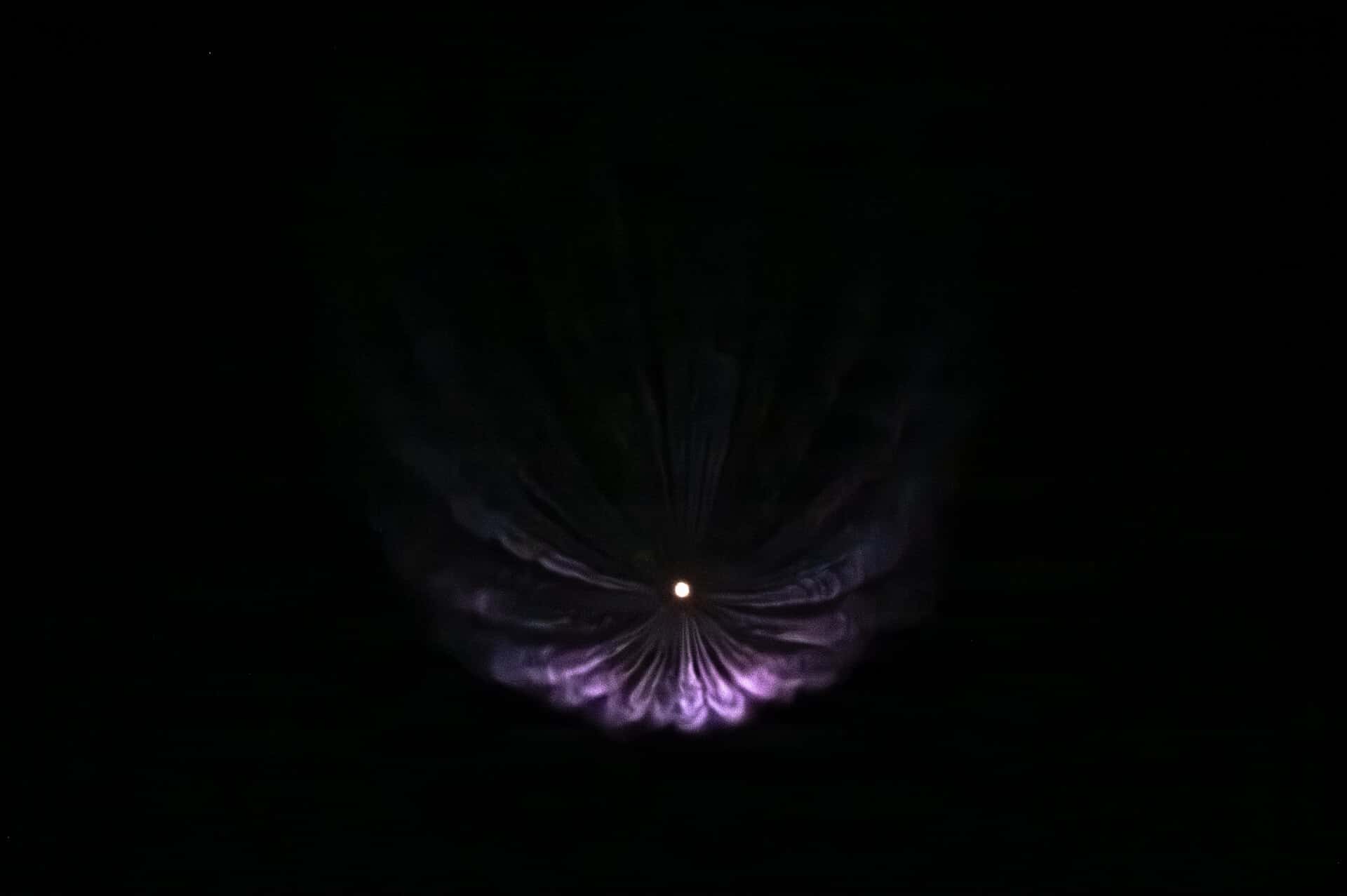
SpaceX shrank the interval between two Falcon 9 launches from Florida's Space Coast to a record 38.5 minutes earlier this month, using its Cape Canaveral Space Force Station and Kennedy Space Center infrastructure to deliver satellites for Globalstar and a U.S. Space Force customer in a single evening. The rapid succession is the latest demonstration of the launch cadence the state has been building for years, and it comes as Florida continues to add commercial and government space activity across the year.
What happened on the launch pads
The first Falcon 9 lifted off from Cape Canaveral at 9:12 p.m. EDT on the evening of the record. The mission carried a batch of Globalstar satellites into low Earth orbit as part of the company's constellation replenishment effort. A second Falcon 9 then launched a mission for the U.S. Space Force, closing the window between the two Florida launches to 38.5 minutes and setting the new benchmark for turnaround time on adjacent SpaceX launch complexes.
SpaceX operates from Cape Canaveral Space Force Station Space Launch Complex 40 and Kennedy Space Center Launch Complex 39A. The company also operates from Vandenberg Space Force Base in California. Coordinating rapid launches between the Cape Canaveral and Kennedy pads has been part of the operational goal for the company for several years, and the record turnaround was a milestone in that effort.
The Globalstar mission
Globalstar operates a constellation of low Earth orbit satellites that provide satellite communications services to customers around the world. The company has been in the process of replenishing and expanding its constellation, and SpaceX has been the launch provider for several of those missions. The batch delivered on the record night included eight satellites destined for Globalstar's operational constellation.
Globalstar's services span voice, data, and machine-to-machine communications, and the company has partnerships with technology firms that use its network for specialty applications. The constellation replenishment is important for maintaining service continuity and expanding capabilities over the coming years.
Space Force customers
The U.S. Space Force is a regular customer for SpaceX launches, with missions ranging from national security satellites to prototype technology demonstrators. Space Force launches involve close coordination with the launching company on payload integration, launch profile, and post-launch activities, and the schedule can be affected by mission-specific considerations.
Florida's role as the primary East Coast launch site for national security missions makes the state central to the country's space capabilities. The Space Force's presence on the Space Coast is anchored by Patrick Space Force Base in Brevard County, which oversees the range operations that support launches from Cape Canaveral Space Force Station and Kennedy Space Center.
Florida's launch cadence
Florida's Space Coast has become the busiest launch site in the world. SpaceX's rapid launch tempo, the ongoing missions of United Launch Alliance from Cape Canaveral, and other providers have combined to produce a launch schedule that reaches dozens of missions per year. Blue Origin's New Glenn program, based at Cape Canaveral Launch Complex 36, adds to the growing infrastructure.
The economic and workforce impacts of this activity have been substantial for the region. Space Florida, the state's aerospace economic development agency, works to attract and support space industry investments across the state. Local economies in Brevard County and surrounding areas have benefited from the launch cadence and the associated growth in support services.
The workforce behind the launches
Behind each launch is a workforce that includes SpaceX employees, contractors, Space Force personnel, and range operators. NASA's Kennedy Space Center, when it hosts SpaceX launches, provides infrastructure and logistical support. Coordinating these teams requires practiced protocols, and each launch involves days or weeks of preparation.
Local educational institutions, from community colleges to Florida Tech to state universities, have adjusted programs to align with the space workforce needs. Certifications, degrees, and apprenticeships that build technical skills for the aerospace sector are increasingly available across the region.
Environmental considerations
The scale of launch activity at Cape Canaveral has drawn attention to environmental considerations. Launch emissions, wildlife impacts on the surrounding refuges, and land use around the launch complexes are areas that federal agencies and companies monitor. The Merritt Island National Wildlife Refuge borders Kennedy Space Center, and coordination between NASA, the Fish and Wildlife Service, and other agencies is a routine part of operations.
Environmental compliance for launches involves reviews under the National Environmental Policy Act and coordination with the Federal Aviation Administration, which licenses commercial launches. As launch cadence increases, the environmental review process continues to evolve.
Upcoming activity
SpaceX has additional launches on its schedule from Florida in the coming days and weeks, spanning Starlink internet satellite missions and other customer payloads. A separate crewed mission to the International Space Station is on the launch schedule from Kennedy Space Center Launch Complex 39A, and dragon cargo missions are periodic.
United Launch Alliance operates its own missions from Cape Canaveral, and Blue Origin's New Glenn program is preparing for further activity. The mix of providers and missions keeps the range busy through the year, with occasional scrubs and delays being the norm for a complex launch environment.
Florida's economic impact
The commercial space sector's growth has been a bright spot in Florida's economy. Jobs in aerospace pay above regional medians and support supply chain and service businesses across the state. The state's investment in aerospace-related infrastructure and workforce development has aimed at capturing more of the value that the sector generates.
Space Florida has been active in structuring financing and property arrangements that support new aerospace investments. Companies including Firefly Aerospace, Vaya Space, and others have set up operations in the state, joining the established presence of SpaceX, Blue Origin, ULA, and NASA.
What comes next
The launch cadence will continue through the remainder of 2026 and beyond. Each mission adds to the record of Florida's role as the country's premier launch state. Investments in additional infrastructure, workforce, and supporting industries are likely to keep the state at the center of national and commercial space activity.
For Florida residents and visitors, the visible spectacle of a Falcon 9 or other launch remains one of the highlights of life on the Space Coast. The distant boom of an evening launch, the trail of exhaust arcing across the sky, and the return of a booster to a landing pad have become part of the region's rhythm.
The broader picture
Florida's dominance of American launch activity reflects decades of investment in the Space Coast infrastructure, from the earliest days of the space program through the current commercial era. The state's leadership recognizes the strategic importance of that infrastructure and continues to invest in ways that support future growth.
The record 38.5-minute turnaround is one indicator of how much the launch cadence has accelerated. It is also a reminder that the industry has moved beyond the era of infrequent, high-visibility missions and into a phase of routine, high-volume operations. Florida is at the center of that transition, and the state's role in the country's space activities looks likely to grow further in the years ahead.
Spotted an issue with this article?
Have something to say about this story?
Write us a letterComments
No comments yet. Be the first to weigh in.
Related Coverage

Isaias Shuts Pensacola and Okaloosa Airports as Airlines Waive Fees and Tolls Lift on Panhandle Bridges
4h ago

Ex-CIA official pleads guilty in $194 million fraud, will forfeit $102 million in Palm Beach and Hobe Sound real estate
5h ago
11th Circuit voids septic permit ban in Indian River Lagoon manatee case after federal 'harm' rule rollback
5h ago

Trump ties disaster aid to midterm campaign as Hurricane Isaias nears Florida Panhandle
1d ago