Supreme Court hears AR-15 ban challenge Wednesday, with Florida and Parkland families on opposite sides

The U.S. Supreme Court will hear arguments Wednesday, Dec. 2, in the most consequential gun rights case in years: a challenge to bans on AR-15-style rifles in Cook County, Illinois, and Connecticut. Florida has no such ban, but the state has a direct stake in the outcome. Attorney General James Uthmeier signed a 27-state brief urging the justices to strike the bans down, while survivors and families from the 2018 Parkland school shooting filed their own brief asking the court to let governments keep them.
A decision is expected by the end of June, according to the Associated Press. Whatever the court decides will shape what gun laws states and cities can pass, including any future measure in Florida.
The cases before the court
The justices agreed on June 30, 2026, to hear two consolidated cases, giving them one hour of argument combined. The first, originally filed as Viramontes v. Cook County (No. 25-238), comes from the 7th U.S. Circuit Court of Appeals, which ruled against the challengers on June 2, 2025. The second, Grant v. Higgins (No. 25-566), challenges Connecticut's law. In August 2025, the 2nd Circuit upheld that state's bans on assault weapons and large-capacity magazines.
The question the court agreed to decide is whether the Second and Fourteenth Amendments guarantee the right to possess AR-15 platform and similar semiautomatic rifles.
The Cook County half of the case hit a procedural snag this month. Lead petitioner Cutberto Viramontes asked on Oct. 29 to be dropped from the case, and the court docket shows he was dismissed on Nov. 23. Cook County then argued that no remaining petitioner had standing to press the AR-15 question, because the other individual challenger, Christopher Khaya, wants an IMI Galil, a rifle the challengers themselves described in lower court as based on the AK-47 design. The county asked the court to dismiss its case as moot. On Nov. 24, the justices put off ruling on that request until oral argument. Even the county acknowledged in its filing that the dispute would not stop the court from answering the core question, because the Connecticut case is consolidated with it.
Who is arguing what
Gun rights advocates, backed by the Trump administration, argue that banning the nation's most widely owned rifle is unconstitutional, the AP reported. The challengers cite a 2026 survey estimating about 40 million AR-15-type rifles are owned in the United States. Bill Sack of the Second Amendment Foundation called the case the "Super Bowl of gun rights for the time being."
The federal government's brief, filed by Solicitor General D. John Sauer, argues that the nation's legal tradition bars bans on arms in common use among law-abiding citizens for lawful purposes. It calls the AR-15 the quintessential example of such a weapon and notes that AR-15s are lawful under federal law and in 40 states.
Connecticut and Cook County counter that the rifles were designed as weapons of war and remain especially dangerous. They argue that widespread ownership does not stop democratically elected legislatures from regulating them. About a dozen states have bans on weapons such as the AR-15, covering cities including New York, Los Angeles and Chicago, according to the AP. A federal ban on the sale and manufacture of such weapons expired in 2004.
The case is the latest test of the court's 2022 Bruen decision, which held that gun restrictions must be consistent with the nation's historical tradition of firearm regulation. Lower court judges have struggled to apply that test, and a central question now is whether broad ownership of semiautomatic rifles rules out a blanket ban.
Florida signs on with the challengers
Florida is one of 27 states on a friend-of-the-court brief filed Sept. 4 and led by Tennessee and Kansas. Uthmeier's name appears in the signature block alongside the attorneys general of states including Texas, Georgia and Alabama. The states argue that rulings upholding the bans leave constitutional rights dependent on geography and ask the justices to hold that the Constitution does not allow a categorical ban on semiautomatic rifles in common use.
The brief points to a Florida example. It cites a 2019 CBS Miami report about a pregnant woman in Lithia, in Hillsborough County, who shot a masked and armed home invader with her family's AR-15, as evidence that law-abiding owners use the rifles for self-defense.
The filing fits Uthmeier's record. In 2025, he declined to defend Florida's own law barring people under 21 from buying rifles and other long guns, and his office urged the Supreme Court to take up the National Rifle Association's challenge and declare the law unconstitutional. The court turned down that case, NRA v. Glass, on June 30, 2026, the same day it agreed to hear the assault weapons cases. That left in place a March 2025 ruling by the full 11th U.S. Circuit Court of Appeals upholding the age limit. Earlier this month, Uthmeier said his office would no longer defend convictions under Florida's 2018 bump stock ban on appeal, arguing that law is unconstitutional, WLRN reported.
Parkland families on the other side
On Oct. 28, a group of Parkland survivors and family members filed a brief supporting Connecticut and Cook County. The group includes former Marjory Stoneman Douglas High School teacher Ivy Schamis; Mitch and Annika Dworet, whose son Nicholas was killed and whose son Alex was wounded; Anthony Borges, who was shot five times while holding a classroom door closed; survivors Aalayah Eastmond and Stephanie Horowitz; Robert Schentrup; and Fred Guttenberg, whose 14-year-old daughter Jaime was killed.
The brief recounts that on Feb. 14, 2018, a gunman armed with an AR-15-style rifle killed 17 students and staff members and wounded 17 others in less than 10 minutes, the deadliest mass shooting at a high school in U.S. history. "Assault weapons are weapons of war, and governments should be free to enact bans to keep these dangerous weapons out of civilian hands," the families wrote. They argue that a rule tying constitutional protection to a gun's popularity would lead to shootings like Parkland again and again.
The docket also lists briefs from survivors of the Highland Park parade and Las Vegas Route 91 Harvest festival shootings and from Sandy Hook Promise, co-founded by Nicole Hockley, whose 6-year-old son Dylan was killed in the 2012 Sandy Hook Elementary shooting. Hockley is traveling to Washington for the argument with other survivors and families, the AP reported.
Florida's own history with these rifles
Florida has been at the center of the national debate over semiautomatic rifles twice in the past decade. In June 2016, a gunman killed 49 people at the Pulse nightclub in Orlando. Police initially described his rifle as AR-15-style; it was later identified as a Sig Sauer MCX, a semiautomatic rifle similar to the AR-15. He also carried a Glock pistol.
After Parkland, the Legislature passed a sweeping school safety law that raised the minimum age to buy a rifle from 18 to 21, banned bump stocks, created a "red flag" law letting police seek removal of guns from people deemed a threat, and created the school guardian program. Then-Gov. Rick Scott signed it.
Parts of that law remain contested. The Florida House voted 74-37 in January 2026 to lower the purchase age for long guns back to 18, but the bill, HB 133, died in the Senate Rules Committee on March 13, the Senate's tracker shows. The House had passed similar bills in prior years without Senate action. Governor-elect Byron Donalds, who voted against the 2018 law as a state representative, has criticized its gun control measures, according to WLRN.
What it could mean for Florida
Because Florida does not ban AR-15-style rifles, a ruling for the challengers would not change what Floridians can buy. Its effect would be on the outer limits of gun regulation. A broad ruling that rifles in common use cannot be banned would take the option off the table for any future Florida Legislature and would likely fuel new challenges to other restrictions. UCLA law professor Adam Winkler told the AP he doubts the ruling will greatly affect public safety but said it could affect other gun laws.
A ruling upholding the bans would leave states free to choose, which would keep Florida's current approach unchanged while preserving bans in states such as Connecticut, New York and Illinois.
What's next
The justices will hear one hour of argument on Wednesday, Dec. 2. They could first address Cook County's mootness request, but the Connecticut case ensures the core question remains before the court. A decision is expected by the end of June 2027. In the meantime, Florida lawmakers will meet for their 2027 regular session, where the House has repeatedly pushed to lower the long-gun purchase age.
Spotted an issue with this article?
Have something to say about this story?
Write us a letterComments
No comments yet. Be the first to weigh in.
Related Coverage
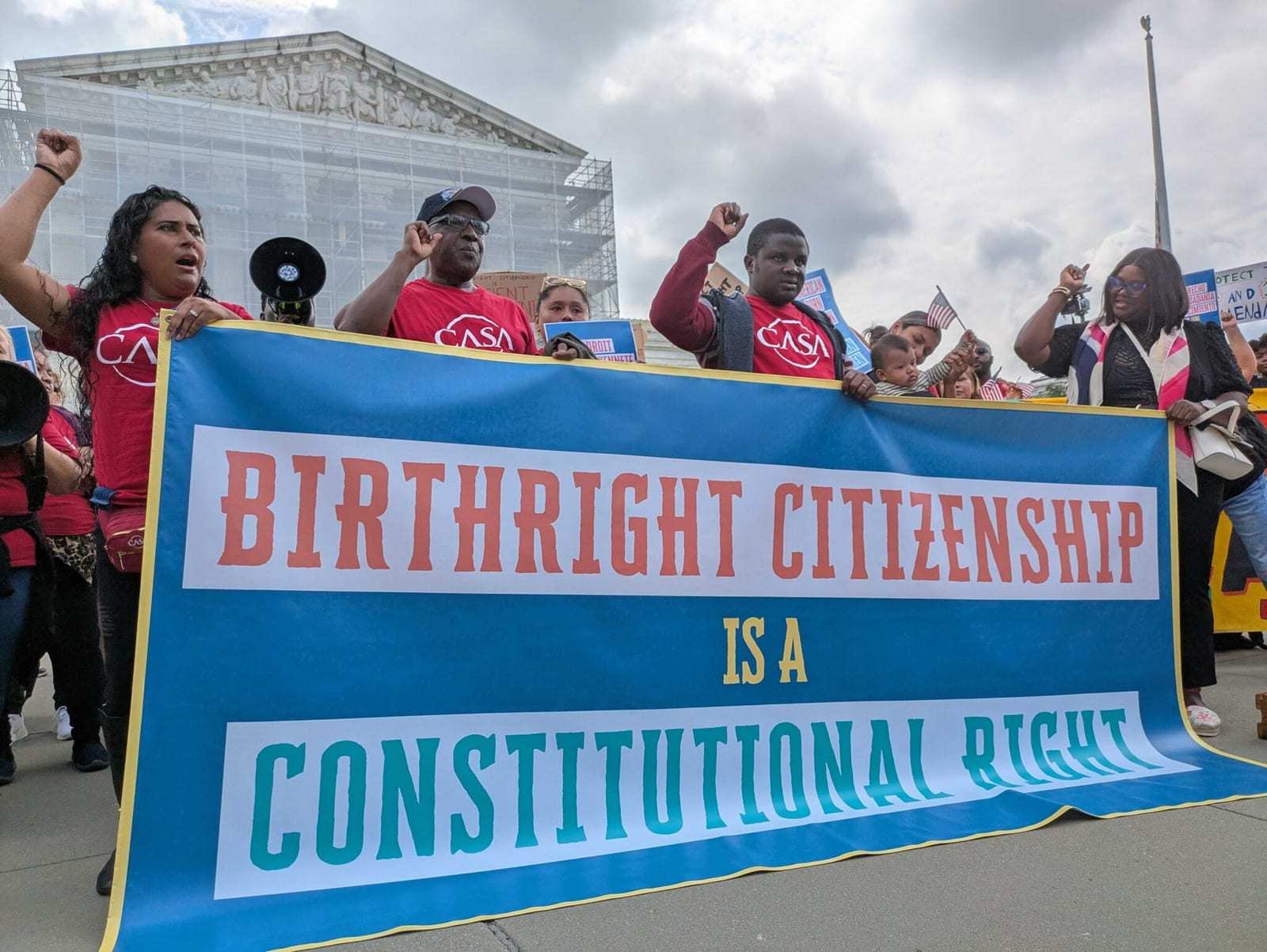
Second federal judge blocks Trump's new birthright citizenship order, a ruling watched closely in immigrant-heavy Florida
1h ago
Newborn Hepatitis B Vaccinations Drop to 65.6% Nationally as Florida Leads the Nation in New Infections
3h ago
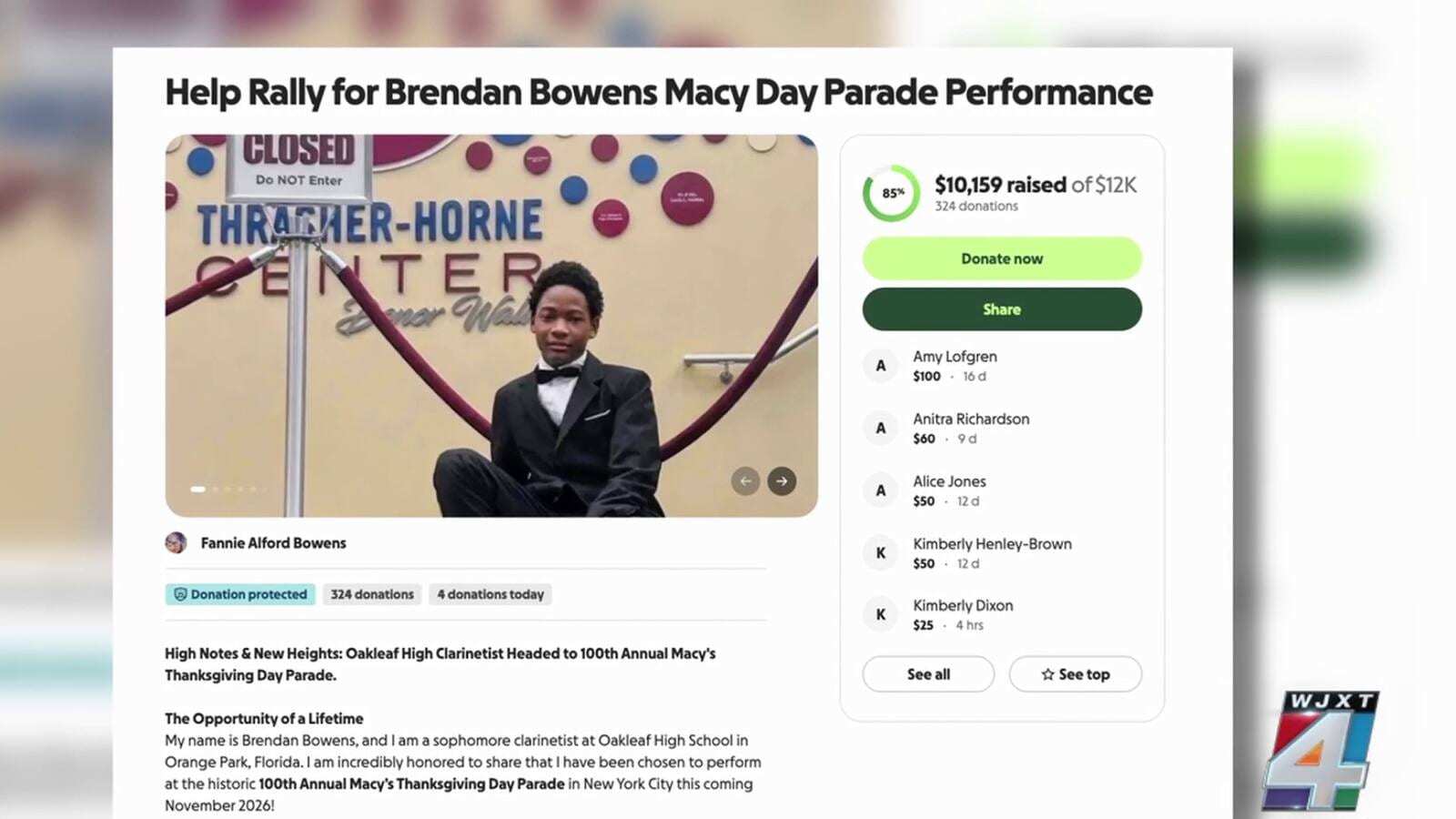
Macy's 100th Thanksgiving parade marches Saturday after first-ever postponement as Florida performers scramble
3h ago
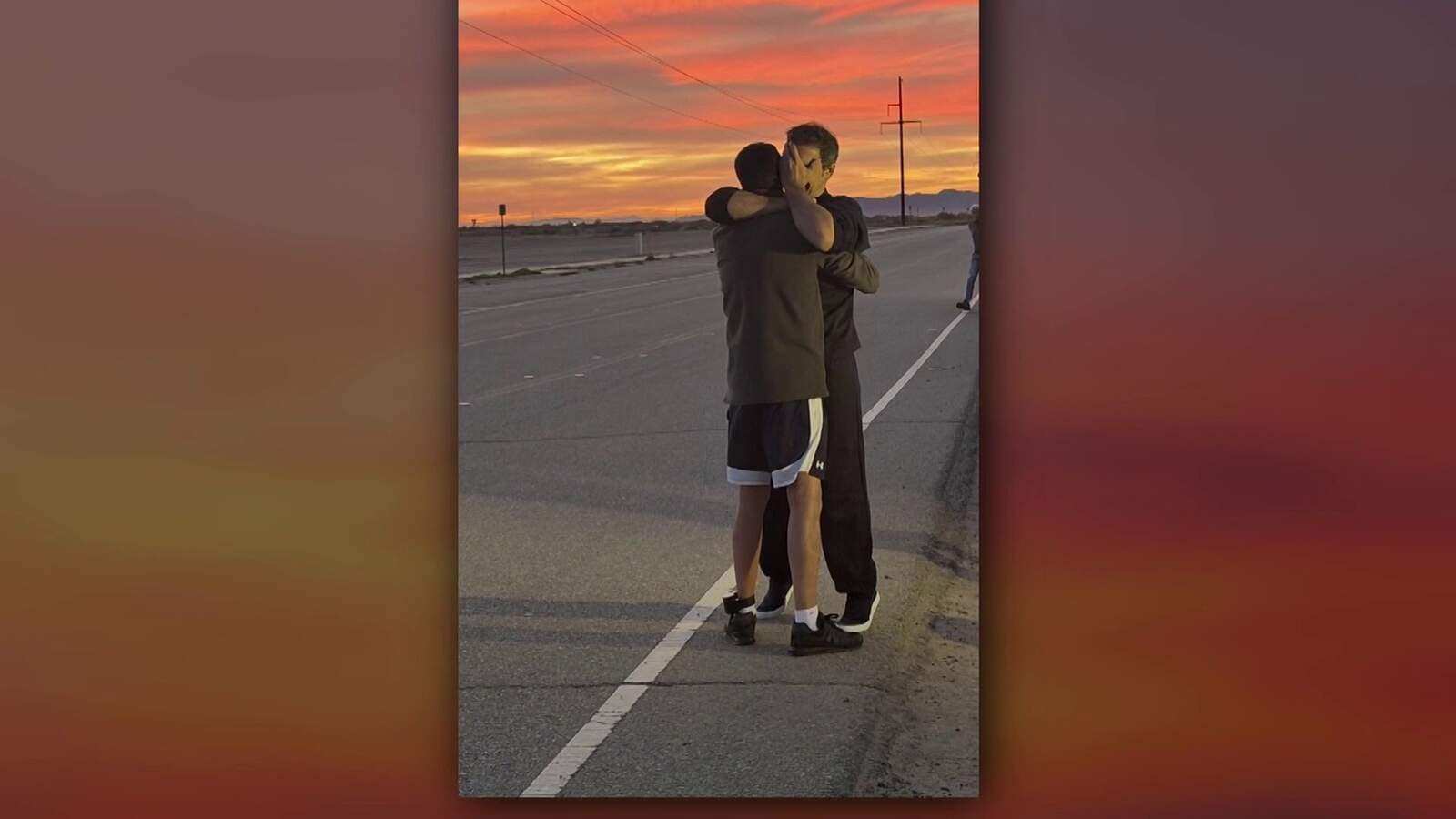
Epic Universe Acrobats Released From ICE Custody on Bond, Reunited in Arizona After Phoenix Airport Arrest
5h ago