Trump says he wants to 'get Cuba done' before leaving office and would consider military force, as Havana prepares for a possible attack
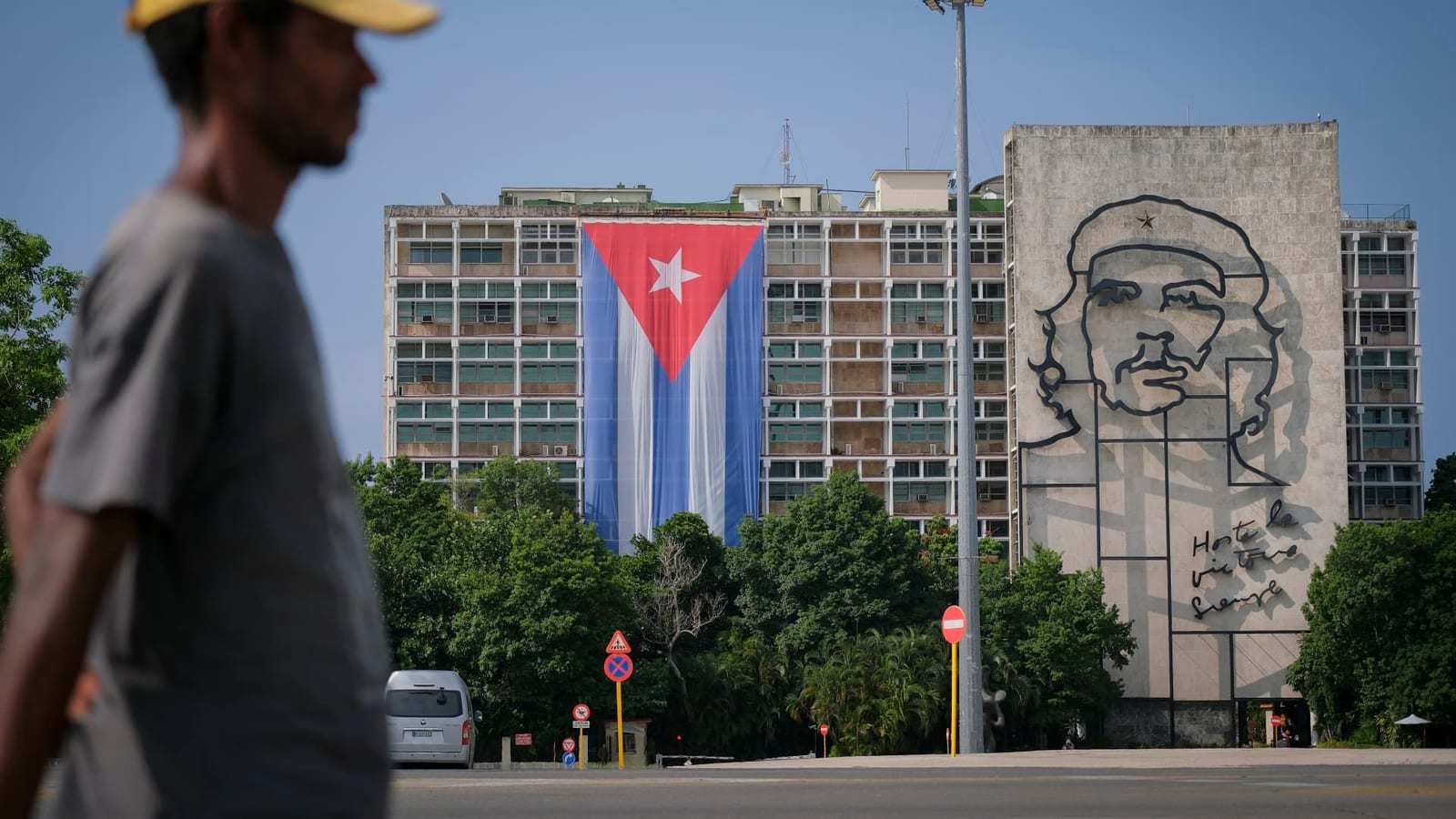
President Donald Trump said in a radio interview on Thursday, Nov. 12, that he wants to resolve the Cuba question before his term ends in January 2029 and would consider a brief U.S. military operation against the island, remarks that landed hard in South Florida, home to the largest Cuban exile community in the United States. Speaking by phone with conservative host Hugh Hewitt, Trump said he wants to "get Cuba done" before he leaves office and that he would "certainly consider" a short campaign. He added that Secretary of State Marco Rubio, the Miami native whose parents emigrated from Cuba, "would love to do it."
A day later, Cuban President Miguel Díaz-Canel said his government is preparing the island for a possible U.S. military attack. No order for military action has been announced, and Trump named no date or plan.
What Trump said
The exchange came when Hewitt asked whether Trump would weigh a limited military campaign against Cuba, which Hewitt framed as lasting about a week, according to a transcript published by Mediaite and coverage from NBC News and CNBC. Trump said he would "certainly consider" it and repeated that he wants the matter finished before his presidency ends. Politico reported that it was the first time Trump had attached a personal deadline to possible military action against Cuba.
Trump tied the Cuba question to the war with Iran, suggesting it could be addressed once that conflict is over, according to the reports. He also credited the cutoff of Venezuelan oil for Cuba's deepening crisis, saying the United States had stopped the oil and money that flowed to Havana from Caracas, which he described as the island's sole source.
In the same interview, Trump claimed he won the Cuban American vote in Florida by 94%. That figure does not match available polling. Florida International University's Cuba Poll, taken before the 2024 election, found 68% of likely Cuban American voters in Miami-Dade County intended to vote for him, a record but well short of his claim.
The remarks followed comments earlier that week at an impromptu White House news conference, where Trump said he thought the Cuban government would fall fairly soon, according to the coverage. CNBC noted that analysts still view further economic pressure as more likely than a military campaign.
Havana's response
On Nov. 13, Díaz-Canel said Cuba is preparing for a possible U.S. attack while insisting the island threatens no other nation. He said statements from U.S. officials had led the government to activate wartime structures to operate in peacetime, and he pointed to a nationwide defense exercise, Moncada 2026, held the week before, as evidence that the island's defense system was being strengthened, according to reports of his remarks.
Díaz-Canel has used similar language throughout the year. In March, after Trump floated the idea of "taking" Cuba, the Cuban leader warned that any aggression would meet what he called impregnable resistance, CBS News reported at the time.
A year of pressure on the island
The interview capped ten months in which the Trump administration has squeezed the Cuban government harder than any U.S. administration in decades. The turning point came on Jan. 3, when U.S. forces captured Venezuelan leader Nicolás Maduro and Venezuelan oil shipments to Cuba stopped. Later that month, an executive order authorized tariffs on imports from any country that supplies oil to Cuba, and U.S. forces began intercepting tankers bound for the island.
The effect on daily life in Cuba has been severe. The national power grid collapsed in March, and in May the country's energy ministry said Cuba had run out of diesel and fuel oil, setting off another partial grid collapse and street protests. Repeated nationwide blackouts, fuel and food shortages and a collapse in tourism followed.
Sanctions have widened through the year. In June, the Treasury Department sanctioned Díaz-Canel himself, his wife, his stepson and relatives of former President Raúl Castro, freezing any U.S. property or accounts they hold, CBS News reported. GAESA, the military-run conglomerate that controls much of the Cuban economy, remains the largest target. Federal prosecutors have also charged Raúl Castro, an indictment that drew celebrations among exiles in Miami. Earlier this month, the administration opened four more Cuban economic sectors to sanctions, allowing penalties on foreign companies operating in Cuba's marine, manufacturing, electronics and technology industries.
Trump's public messaging has swung between threats and talk of a deal. In September, he said the United States and Cuba would "make a deal" and that he did not expect military action to be necessary, Local 10 News reported. The Hewitt interview reversed that tone.
How it lands in Miami
For Miami's Cuban American community, the question of U.S. military action has been a live one since the Maduro operation. In March, regulars at Versailles restaurant on Calle Ocho in Little Havana told Local 10 News they hoped for a U.S. intervention to end the communist government. By October, Spanish-language radio in Miami was reflecting growing frustration among some exiles that the action they expected after Venezuela had not come, according to a CiberCuba report, as the war with Iran absorbed U.S. military attention.
The community's views are not uniform. NPR reported in October that many Cubans in the United States have soured on the administration's immigration policies, Families across South Florida remain tied to relatives on the island who are living through blackouts and shortages, and any military operation 90 miles from Key West would raise immediate questions about migration, the safety of family members and the security of the Florida Straits.
The Florida delegation
As of Wednesday, The Florida Press had not found public statements from Miami's Republican members of Congress, Reps. María Elvira Salazar, Carlos Gimenez and Mario Diaz-Balart, or from Sens. Rick Scott and Ashley Moody, responding specifically to the Hewitt interview.
Their earlier positions are on the record. Salazar, who represents much of Miami, has said she considers a military invasion unlikely while predicting the end of the Castro-era government is near, Florida Politics reported, and she said in May that Cuba's military is not ready to fight but warned that a refugee surge would pose a security problem. Scott and Moody co-sponsored legislation in 2025 to expand sanctions on Cuban officials over human rights abuses. Diaz-Balart, who chairs a House appropriations panel on foreign aid, said last week that the administration's immigration overreach had hurt Republicans in the midterm elections.
In Washington, Democratic senators have filed a war powers resolution that would bar military strikes on Cuba without congressional approval, according to the coverage of the interview.
What's next
No military order has been issued, and the administration has not described what getting Cuba "done" would mean in practice. Pentagon planners have studied options for possible action around the island this year, CBS News has reported, while officials stressed that the planning did not reflect a decision. The next signals are likely to come from the White House and from Rubio, who has said he doubts a negotiated outcome with Havana, and from how the Iran conflict Trump linked to the timeline unfolds.
In South Florida, the remarks guarantee that Cuba will remain at the center of local politics heading into the final two years of Trump's term, with exile leaders, families of people on the island and the region's congressional delegation all watching for whether the president's words turn into action.
Spotted an issue with this article?
Have something to say about this story?
Write us a letterComments
No comments yet. Be the first to weigh in.
Related Coverage
Florida's Congressional Delegation Urges Trump to Approve Disaster Declaration for Nine Counties Hit by Fall Flooding
3h ago
Federal Judge Blocks Sarasota From Releasing Christian Ziegler's Seized Phone Data Despite State Appeals Ruling
4h ago
Could South Florida Build the Navy's Next Drone Boats? Boatbuilders Eye Defense Work
5h ago
CMS Lets States Delay Medicaid Work Requirement Enforcement to June 30, 2027: What It Means for Florida
6h ago