Universal Retires a 36-Year-Old Show as Disney Reopens Its Animation Building
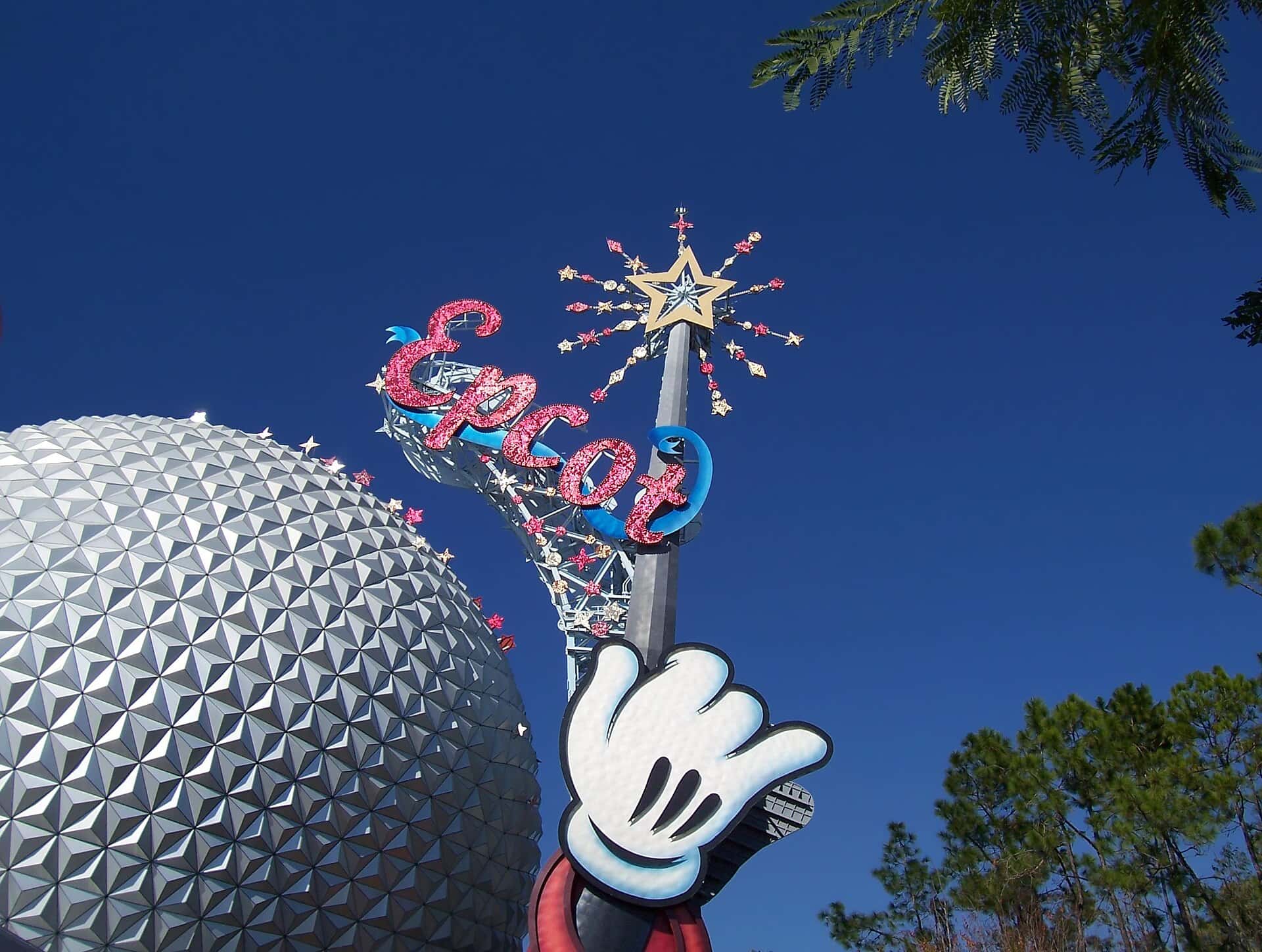
Two of Central Florida's largest theme park operators are reshaping their lineups this fall. Universal Studios Florida will retire Animal Actors on Location after 36 years, with the final performance scheduled for Monday, November 2, while Walt Disney World reopens The Magic of Disney Animation on September 14 as part of the new Walt Disney Studios land at Disney's Hollywood Studios.
Animal Actors is one of the remaining opening-day attractions at Universal Studios Florida, which debuted in 1990. Its closure makes way for a future project at the park, which Universal has not detailed publicly.
The Disney reopening restores a venue that had been closed for years. The building facade is being renovated to resemble the Roy E. Disney Animation Building in Burbank, and the guest experience will be themed around the Emmy-winning centennial short film Once Upon a Studio.
What closes and what opens
Animal Actors on Location has run in various forms since Universal Studios Florida opened, presenting trained animals performing behaviors demonstrated to audiences in a covered amphitheater. The show has functioned as a reliable capacity attraction, absorbing large numbers of guests in scheduled performances and providing shaded seating during Florida's hot months.
Attractions of that description serve a specific operational purpose beyond entertainment. Theater shows handle high throughput at predictable intervals, which helps parks manage crowd distribution, and they provide relief from heat and rain that ride attractions cannot.
The Disney addition operates differently, restoring a walkthrough and presentation experience within a themed land built around the studio's production history. The Once Upon a Studio framing connects the venue to the company's centennial celebration and to its animation legacy specifically.
Why parks retire attractions
Theme park operators cycle attractions continuously, and the reasons extend beyond popularity. Maintenance costs rise as show systems age and replacement parts become difficult to source. Intellectual property licenses expire. Guest expectations evolve, and a presentation format that worked in 1990 competes for attention against entertainment options that did not exist then.
Land use is frequently the decisive consideration. A theater occupying a substantial footprint in a park where space is finite represents an opportunity cost, and operators evaluate whether that acreage could generate more attendance and spending in another configuration.
The calculus has shifted as Central Florida's parks have expanded. Universal opened Epic Universe as a third gate, and the additional capacity across the resort changes how individual attractions within the older parks are evaluated. Attractions that were essential when a park stood alone may be reconsidered when the resort offers more overall.
The animal welfare dimension
Attractions featuring live animals have faced changing public expectations over the past two decades, and entertainment companies have adjusted accordingly. Universal has not attributed the closure to that dynamic, citing a future project instead, and the show has operated under standard industry oversight.
Animals appearing in entertainment settings in the United States are subject to Animal Welfare Act requirements administered by the U.S. Department of Agriculture, which establish standards for housing, veterinary care, handling and transport, with facilities subject to inspection.
The broader trend has been visible across the industry, with operators reducing or restructuring animal-based programming in response to changing audience sentiment. Central Florida has been a focal point for those discussions given the concentration of parks featuring animals in the region.
Central Florida's tourism economy
Orange County and the surrounding region depend on tourism to a degree that few metropolitan areas match. Theme parks anchor an economy encompassing hotels, restaurants, transportation, retail and the convention business centered on the Orange County Convention Center.
The tourist development tax levied on short-term accommodations funds convention facilities, venues and destination marketing, and its collections serve as a closely watched indicator of the region's economic health. Those revenues fluctuate with visitation and with hotel pricing.
Employment in the sector spans park operations, hospitality, food service, transportation and construction. The parks' continuous investment in new attractions sustains a construction and design workforce, including specialized firms that support the themed entertainment industry from bases in Central Florida.
The competitive dynamic
Competition among Orlando's operators has intensified with the addition of new capacity. Universal's expansion into a third park represents the most significant increase in the market in decades, and it changes the calculation for visitors deciding how to allocate vacation days and budget.
Disney has announced substantial multi-year investment across its parks, including new lands and attractions at Walt Disney World. The Walt Disney Studios land at Hollywood Studios, of which the animation building reopening is a component, is part of that program.
Competitive pressure has historically produced benefits for visitors in the form of accelerated investment. It also produces cost pressure, since new attractions are funded partly through admission pricing and through the paid line-skipping systems both operators now offer.
What visitors should know
Guests who want to see Animal Actors before it closes have until November 2, and final performances of long-running attractions typically draw larger crowds as the date approaches. Show schedules are published in park apps and daily times guides.
The Magic of Disney Animation reopening on September 14 will likely draw substantial initial demand, as new and returning attractions generally do. Operators sometimes manage that demand through virtual queue systems, and guests should check the park app for the applicable procedure.
September and early October have historically been among the less crowded periods at Orlando parks, falling between summer vacation and the holiday season. That pattern has moderated somewhat as parks have programmed seasonal events into the fall, but the shoulder season still generally offers shorter waits than peak periods.
Preservation and nostalgia
Long-running attractions accumulate an audience with genuine attachment, and closures reliably generate organized farewells among enthusiast communities. A show that has run for 36 years has been seen by multiple generations of the same families, and its retirement marks a change that regular visitors register personally.
Theme park history has developed into a documented field, with communities cataloging attraction details, preserving recordings and maintaining archives. That work has become more significant as the pace of change has increased and as attractions from the industry's formative decades have been replaced.
Operators have periodically acknowledged that heritage through references embedded in replacement attractions, retained architectural elements or merchandise. Whether Universal incorporates any such reference in what follows Animal Actors is not yet known.
What else is changing
Construction activity has been reported in The Lost Continent section of Universal's Islands of Adventure in preparation for future attractions that have not been announced. Areas placed under construction walls generally indicate projects at least a year or more from opening.
Central Florida's other operators continue their own investment cycles, with SeaWorld Orlando and Busch Gardens Tampa Bay maintaining regular schedules of new attractions and seasonal programming. Those parks compete for the same regional and visiting audience.
The cumulative effect is a market in which the attraction lineup changes continuously, and in which a visitor returning after several years encounters a substantially different set of options than they remember.
Fall programming and the seasonal calendar
Autumn has become one of the most heavily programmed periods on the Orlando calendar, a change from the era when September and October were genuinely quiet. Both major operators now run extensive seasonal events during the fall, with separately ticketed evening programs that convert what were once low-attendance weeks into significant revenue periods.
That shift has consequences for visitors planning trips. Parks hosting separately ticketed evening events typically close early to day guests on event nights, which reduces the operating hours available on a standard admission ticket. Checking the event calendar before booking dates has become essential rather than optional for anyone trying to maximize park time.
The economics behind the change are straightforward. Seasonal events generate incremental admission revenue from local annual passholders and regional visitors who would not otherwise make a trip, and they do so using existing infrastructure during periods that were historically underutilized. The model has proven successful enough that it has expanded to fill more of the calendar each year.
The workforce behind the parks
Central Florida's theme parks collectively employ tens of thousands of people across operations, entertainment, food service, merchandise, maintenance, engineering and administration. That concentration makes the sector one of the region's largest employers and gives labor relations in the industry unusual local significance.
Attraction closures affect performers, technicians and animal care staff attached to a specific show, though operators typically redeploy employees to other roles within the resort rather than eliminating positions outright. Specialized roles are the exception, since a trainer or a show technician whose expertise is tied to a particular production may find fewer comparable openings.
Union representation covers a substantial portion of the theme park workforce in Central Florida, and contract negotiations in the sector have drawn regional attention in recent years, particularly around wage levels measured against the region's housing costs. Those costs have risen faster than wages in many Orlando-area submarkets, which has made compensation a persistent issue in an industry whose employees largely live in the communities they serve.
What's next
The Magic of Disney Animation opens September 14, providing the first opportunity for guests to see the renovated building and the Once Upon a Studio presentation. Additional elements of the Walt Disney Studios land will open on their own schedules.
Animal Actors on Location performs through November 2, after which Universal will presumably begin work on whatever replaces it. Announcements of new projects typically follow demolition and site preparation rather than preceding them.
The Florida Press will continue covering Central Florida's theme park industry, including attraction openings and closures, capital investment and the tourism economy that depends on them.
Spotted an issue with this article?
Have something to say about this story?
Write us a letterComments
No comments yet. Be the first to weigh in.
Related Coverage

Joe Redner, Tampa's 'Strip Club King' and longtime courtroom combatant, dies at 86
2d ago

SeaWorld Orlando closes Mako after fatal fall on similar Georgia coaster
3d ago

Orlando Approves $12.6 Million Pulse Memorial Contract, With Construction Set to Begin Nov. 25
5d ago

Broward Denies Arts Grants to Stonewall Museum and Island SPACE Under Florida's Anti-DEI Law
Oct 13