USF and Tampa Electric Build Digital Twin of Power Grid With $3.8 Million Grant
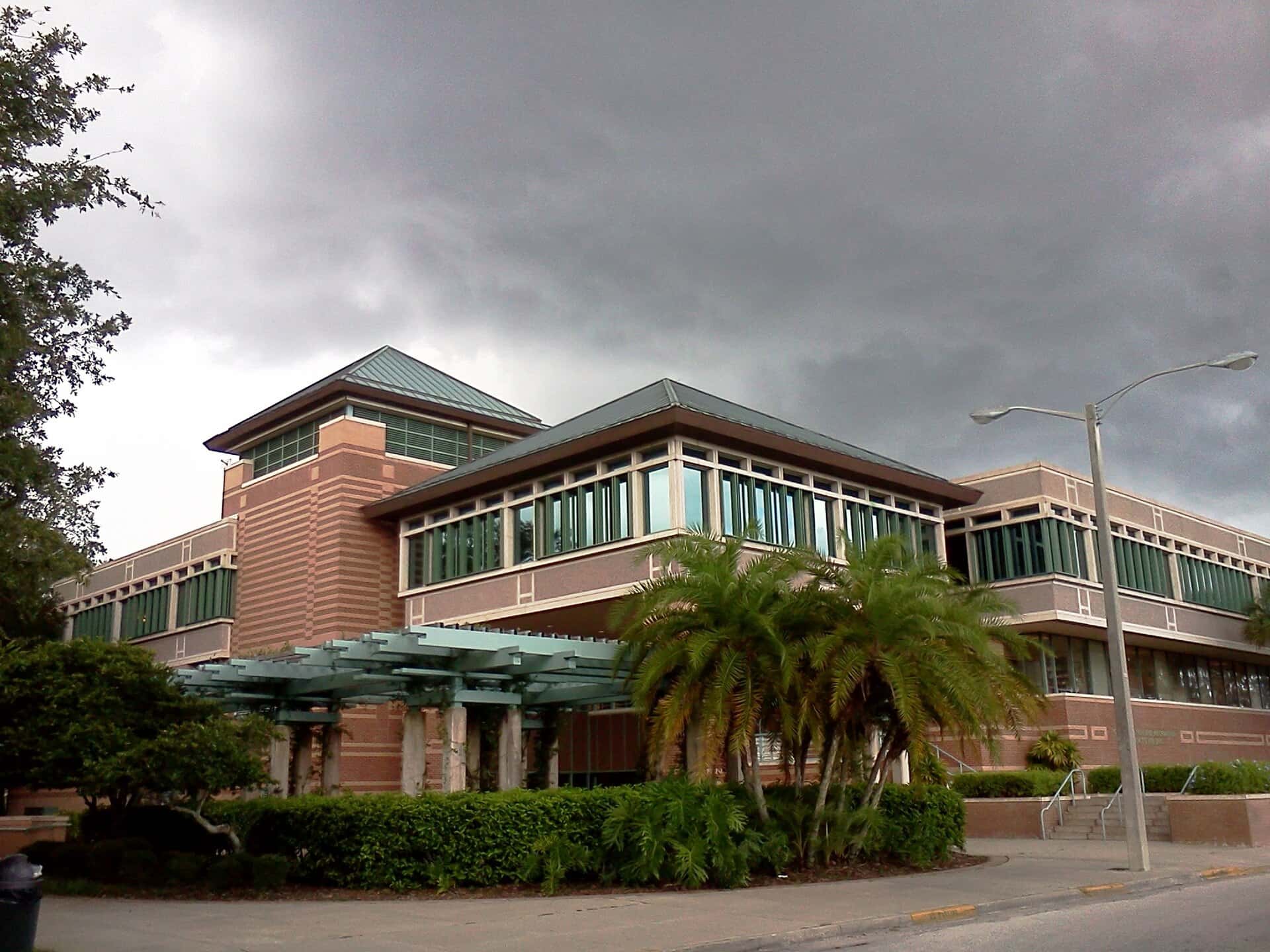
Engineers at the University of South Florida are working with Tampa Electric to build a digital twin of the utility's power system, a virtual copy of the grid that mirrors real-world conditions in real time. The project, funded by a $3.8 million grant from the U.S. Department of Energy, aims to give grid operators an early warning when problems start to develop, a capability that could matter a great deal in a region where heat, storms and rapid growth all put pressure on the electric system.
USF described the effort in a university announcement this month. The work is led by USF professors Lingling Fan and Zhixin Miao and their Smart Grid Power Systems Lab. Using real-time data from Tampa Electric facilities, the computer model continuously tracks what is happening on the grid, and the university said the tool could become a valuable addition to utility operations, giving operators more real-time insight into a power system serving about 2 million people.
What a digital twin is
A digital twin is a detailed computer model of a physical system that is continuously updated with data from the real thing. Instead of relying on a static design drawing or a model run once a year, a digital twin changes as conditions change, so it can reflect the actual state of the equipment at any given moment.
Digital twins are used in aviation, manufacturing and other industries to monitor jet engines, factory lines and even entire buildings. In each case, the goal is the same: use live measurements to understand how a system is behaving, compare that behavior with what engineers expect and flag anything unusual before it becomes a failure.
For an electric utility, that means building a virtual version of power plants, substations, transmission lines and the devices that connect them, then feeding it streams of measurements from sensors across the network. When the real grid behaves in a way the model does not expect, operators can investigate quickly rather than finding out after equipment trips offline or customers lose power.
The concept has gained momentum in the energy sector as computing power has grown cheaper and utilities have installed more sensors. Building a faithful model of a real utility system is still demanding work, however, because the model must capture how thousands of pieces of equipment behave together and must be kept current as the utility adds new plants, lines and customers.
Why the grid needs better early warning
The project is aimed at a challenge facing utilities across the country. As new energy sources such as solar farms and battery storage systems connect to the grid, utilities are collecting more data than ever and changing how they operate their networks. According to USF, the challenge is turning that growing stream of information into an early warning when problems emerge.
Solar panels and batteries connect to the grid through power electronics called inverters, which convert direct current into the alternating current used by homes and businesses. Inverter-based resources behave differently from the large spinning generators at traditional power plants. They respond to disturbances very quickly and are controlled largely by software, which can create new kinds of interactions on the grid that older monitoring tools were not designed to catch.
Power systems researchers have spent years studying how those interactions can produce unexpected oscillations, which are rhythmic swings in voltage or power that can grow if they are not detected and damped. Oscillations are one of the kinds of hidden problems a real-time model can help operators spot before they cause equipment to trip or spread across the network.
Fan and Miao's lab at USF has focused on the dynamics of power systems with high levels of renewable energy, and the university has received federal support for solar-related grid research before. The Department of Energy awarded USF a $2.9 million grant for solar energy research led by Fan in 2024, reflecting a long-running line of work at the lab on how solar power interacts with the grid.
Why Tampa Bay is a proving ground
Tampa Electric, which serves customers in Hillsborough County and parts of Pasco, Pinellas and Polk counties, has added large amounts of solar generation in recent years, making it a natural partner for research on how renewable energy affects grid behavior. The utility is a subsidiary of Emera, a Canadian energy company.
The Tampa Bay area has also been one of the fastest-growing regions in Florida, with new homes, businesses and data-hungry facilities adding to electricity demand. Growth, combined with long, hot summers that drive heavy air-conditioning use, means the grid often runs close to its limits during peak afternoon hours.
Hurricanes add another layer of stress. Recent storms, including Hurricanes Helene and Milton in 2024, left large numbers of Tampa Bay customers without power, and restoration can take days when substations flood or lines come down. While a digital twin will not stop a hurricane, tools that give operators a clearer picture of the grid's condition could help them manage the system during and after severe weather and prioritize repairs.
Working with real utility data is a key feature of the project. Many research models are built on simulated test systems, but a digital twin fed by live measurements from Tampa Electric facilities allows researchers to test their methods against the messy conditions of an operating grid.
The data behind a live grid model
A digital twin is only as good as the data that feeds it. Modern grids are instrumented with a growing number of sensors, from meters at substations to specialized devices known as phasor measurement units, which record voltage and current many times per second and time-stamp each reading using satellite clocks. Those high-speed measurements let engineers see fast-moving events that older monitoring systems, which sample far less often, can miss.
Solar farms and battery installations add their own streams of data from their inverters and control systems. Together, those sources can produce enormous volumes of information, far more than a human operator can review. Part of the research challenge is deciding which signals matter, how to combine them with a physics-based model of the grid and how to present the results so that operators can act on them quickly.
Cybersecurity is another consideration for any system that pulls live data from utility facilities. Utilities operate under strict federal reliability and security standards, and research partnerships that use operational data typically involve careful controls on how that information is shared and stored.
How the model could be used
USF's description of the project points to several ways a digital twin could support utility operations. Operators could compare real-time measurements with the model's predictions to detect equipment that is starting to fail, identify unusual behavior from solar farms or battery systems and evaluate how the grid would respond to a sudden loss of a power plant or transmission line.
In practice, those capabilities could help a utility answer questions faster during a disturbance, such as where the problem started and whether it is spreading. They could also help planners test changes, like adding a new solar farm or upgrading a substation, in the virtual grid before making them in the real one.
Researchers and utilities generally see digital twins as a complement to, not a replacement for, the existing control systems that run the grid. The goal is to give human operators better information, not to hand control of the grid to a computer model.
USF's growing research profile
The project comes as USF works to raise its profile as a research university. The university reported this year that its research activity climbed 15 percent, a gain it said strengthens its national standing. Energy and engineering research, including grid work at the Smart Grid Power Systems Lab, is part of that portfolio.
Partnerships with local employers are also a priority for Florida's public universities, which are encouraged to align research with the state's economic and infrastructure needs. A utility partnership gives students hands-on experience with real grid data, which can help prepare engineers for jobs at Florida utilities, which face a steady need for power systems expertise as the grid changes.
For Tampa Bay, research of this kind keeps grid expertise close to home. Many USF engineering graduates go on to work at utilities, consulting firms and technology companies in the region, and projects tied to a local utility can create a direct pipeline from the lab to the control room.
What it means for customers
For Tampa Electric customers, the effects of a research project like this one are indirect and would take time to show up. If the tools developed at USF help operators catch problems earlier, the potential benefits include fewer unexpected outages, faster diagnosis when something goes wrong and a smoother integration of solar and battery resources into the grid.
Reliability has become an increasingly visible issue in Florida, where extreme heat, severe storms and population growth all test the electric system. Utilities across the state have invested heavily in hardening their networks, including burying lines and replacing poles, and those investments are reflected in customer bills. Better monitoring tools are one of the less visible ways utilities can try to get more out of existing infrastructure.
Neither USF nor Tampa Electric has said when or whether the digital twin will become part of the utility's daily operations. The project is a research effort, and its results will likely be shared through academic publications and industry presentations before any tools are adopted more broadly.
What's next
The USF team will continue developing and refining the digital twin using data from Tampa Electric facilities over the course of the Department of Energy grant. Researchers are expected to test how well the model tracks real grid conditions and how reliably it can flag emerging problems.
If the approach proves effective, it could serve as a model for other utilities facing the same challenge of integrating large amounts of solar and battery storage. Florida's major utilities are all adding solar at a rapid pace, which means the questions the USF team is studying in Tampa apply statewide.
The Florida Press will follow the project as USF and Tampa Electric share results.
Spotted an issue with this article?
Have something to say about this story?
Write a letter to the editorComments
No comments yet. Be the first to weigh in.
Related Coverage
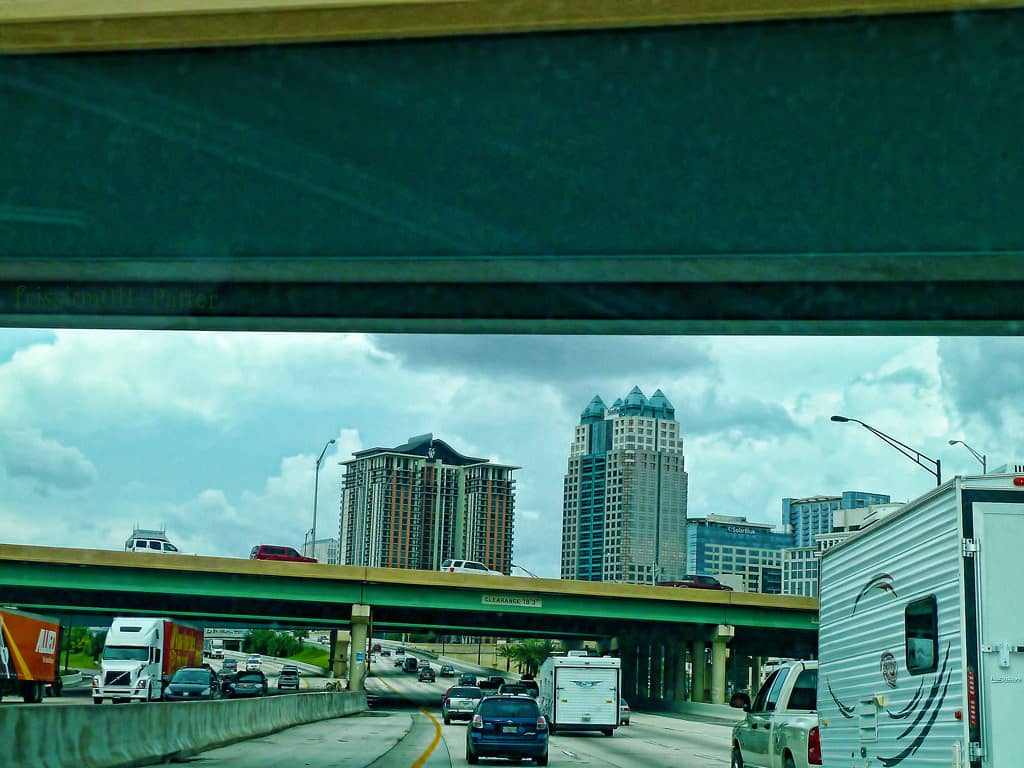
Orange County Moves Toward a One-Year Pause on AI Data Centers Over Water and Power Concerns
6d ago

University of Florida Research Spending Hits Record $1.34 Billion as State Universities Expand Their Labs
Sep 21
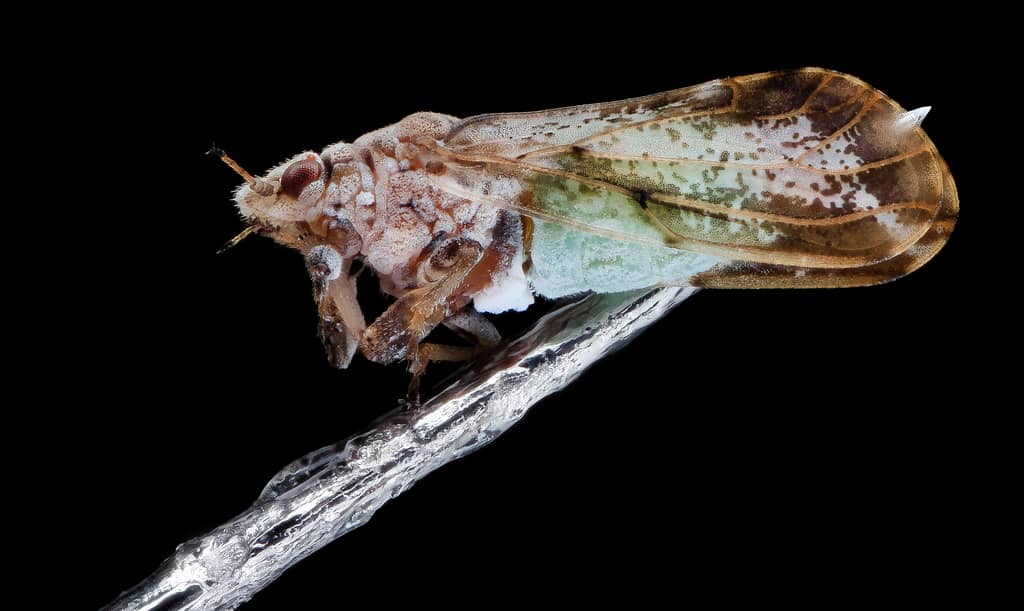
Gene-Edited Rootstock Gives Florida Citrus Growers a New Weapon Against Greening
Sep 19
Florida Sues Netflix, Alleging It Tracked Children After Promising an Ad-Free Service
Sep 16