Wildfires Erupt in the Everglades as Late-Summer Dry Spells Test South Florida Firefighters
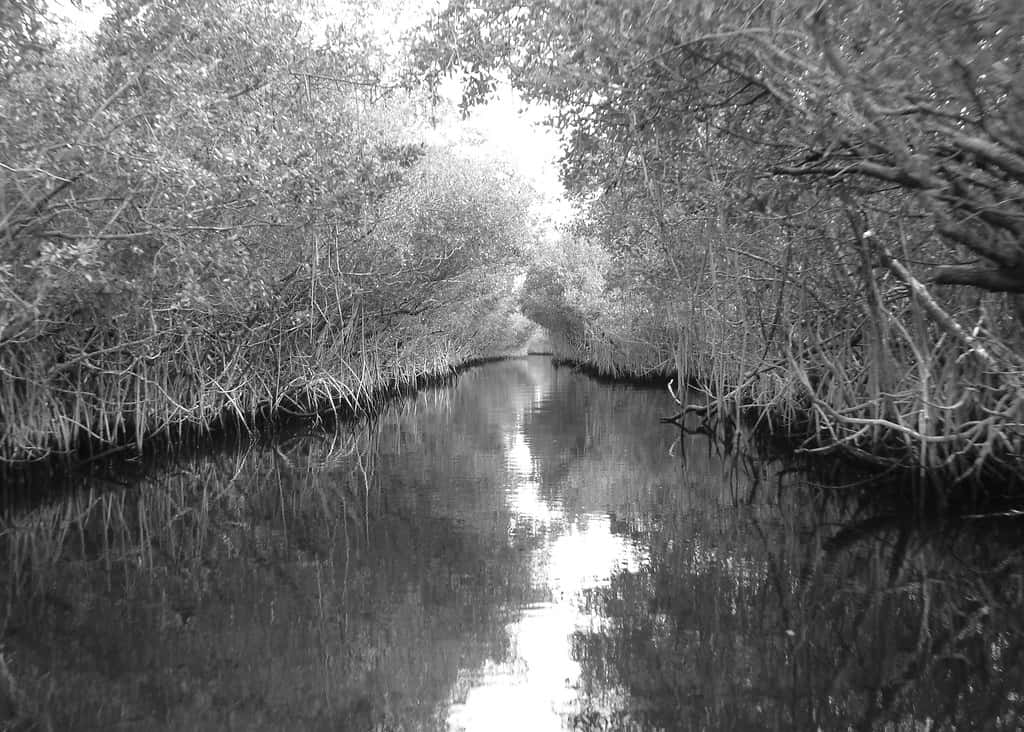
Two wildfires have sparked in the Everglades in recent days, according to the U.S. Wildland Fire Service, drawing firefighting crews and equipment into remote parts of one of the country's most ecologically sensitive landscapes. The fires arrive during a stretch of hot, dry weather in South Florida and add another element to a summer that has already tested emergency responders across the region.
Where the fires are burning
The Everglades region spans roughly 1.5 million acres of protected wetlands, hardwood hammocks, sawgrass prairies, and pine ridges across South Florida. The two active fires reported by the U.S. Wildland Fire Service are burning in areas typical of the mixed vegetation across the ecosystem, and crews are working to establish containment lines and monitor fire behavior.
Specific fire perimeters, size estimates, and structures threatened will be updated as firefighters and incident commanders make additional assessments. The remoteness of much of the Everglades means fires can burn in relatively unpopulated areas without threatening structures, though smoke can travel long distances and affect air quality in nearby communities.
Response agencies
The U.S. Wildland Fire Service coordinates with the National Park Service, U.S. Fish and Wildlife Service, the Florida Forest Service, and state and local agencies on wildfires in the Everglades ecosystem. Federal and state agencies together manage large portions of the landscape, including Everglades National Park, Big Cypress National Preserve, and adjacent Water Conservation Areas managed by the South Florida Water Management District.
Firefighting crews often include personnel from the National Park Service, U.S. Forest Service, and Florida Forest Service. In some cases, wildfire suppression is coordinated with prescribed burn programs that periodically reduce fuel loads in ways that benefit the ecosystem.
Weather and fuel conditions
South Florida has been experiencing hot, humid conditions typical of late summer, but with dry spells that can allow vegetation to become more flammable. The National Weather Service tracks fire weather indicators that help agencies forecast when conditions favor ignition and rapid spread. Lightning, human activity, and prescribed burns that escape control lines can all serve as ignition sources.
Sawgrass, in particular, can carry fire quickly under the right conditions. Burning sawgrass produces significant smoke, which can affect air quality in nearby communities and disrupt travel along roadways such as U.S. Highway 41 (Tamiami Trail) and Interstate 75 (Alligator Alley) if the smoke crosses those corridors.
Impacts on nearby communities
Air quality is often the most direct effect of Everglades wildfires on South Florida residents. Smoke can reach populated areas in Miami-Dade, Broward, Collier, and Lee counties depending on wind direction. Residents with respiratory conditions, older adults, and children may be more sensitive to smoke exposure, and health officials generally recommend limiting outdoor activity during periods of elevated fine particulate levels.
Roadway closures, if smoke reduces visibility on major highways, can affect commuters and commercial traffic. Emergency management agencies coordinate with the Florida Department of Transportation to manage those situations.
Ecological considerations
Fire is a natural part of the Everglades ecosystem, and periodic burning can benefit habitats and species that have adapted to fire-dependent conditions. Prescribed burn programs are designed to mimic natural fire cycles in a controlled way. Unplanned wildfires, however, can produce more intense burns that pose greater risk to wildlife and to the built infrastructure around the ecosystem.
Everglades restoration efforts, including the Comprehensive Everglades Restoration Plan, have been a long-running priority for federal and state agencies. The plan is designed to restore water flow patterns that once shaped the ecosystem before drainage projects altered them in the 20th century. Restoration outcomes and fire dynamics are interrelated, and land managers monitor both closely.
Historical context
Wildfires in the Everglades are not new. The ecosystem experiences fires most years, with the frequency and severity depending on rainfall, temperature, and other conditions. Some years have brought major wildfire events that required extended firefighting campaigns and broader public awareness efforts.
Firefighting agencies have developed a body of knowledge about how to respond to Everglades fires, including the use of airboats, helicopters, and specialized equipment adapted to the wetland environment. Coordinating with the ranchers, park visitors, tribal communities, and other stakeholders who use the landscape is also part of the response.
Public safety guidance
Residents in areas that may be affected by Everglades wildfire smoke should monitor local air quality reports and follow guidance from local health departments. The Florida Department of Health and county health departments provide information on air quality and health impacts through their websites and social media.
Travelers on highways through the Everglades should heed any advisories about smoke or visibility. If smoke reduces visibility on U.S. 41 or I-75, drivers should slow down, turn on headlights, and be prepared for changes in road conditions. Emergency service agencies coordinate with the Florida Highway Patrol to manage any roadway impacts.
Coordination with tribal governments
The Miccosukee Tribe of Indians of Florida and the Seminole Tribe of Florida have historical, cultural, and land-management ties to the Everglades. Tribal governments coordinate with federal and state agencies on land use, fire management, and other activities that affect their reservations and traditional lands.
Cultural and archaeological considerations are part of wildfire response planning, and land managers consult with tribes on activities that may affect their interests.
What's next
Firefighting agencies will continue to work the two Everglades fires until they are contained. Public updates on fire size, containment percentages, and any evacuation or road closures will come from the federal and state agencies coordinating the response.
Weather forecasts and any tropical activity will also factor into fire dynamics. Wind shifts can push fires into new areas, and rainfall from an approaching storm can help suppression efforts. Florida is currently under no threat from a tropical system in the immediate five to seven days, according to the National Hurricane Center, but late-summer weather can change quickly.
How residents can help
Residents can support the firefighting effort by staying informed, avoiding the affected areas, and following any guidance from emergency management agencies. Reporting suspicious activity or new fires promptly to authorities helps ensure rapid response. During dry conditions, homeowners in areas near natural landscapes should maintain defensible space around their properties by clearing dry vegetation.
Support for firefighting agencies takes several forms. The federal and state governments fund the primary response, and volunteer organizations often support with logistics, feeding, and family assistance. Community organizations in South Florida also provide air-quality awareness resources and outreach.
Spotted an issue with this article?
Have something to say about this story?
Write us a letterComments
No comments yet. Be the first to weigh in.
Related Coverage
Lead pellets from shot iguanas linked to first known crocodile poisoning death in Florida
2d ago

DeSantis and Cabinet protect more than 10,770 acres, from Putnam County woods to Martin County ranches
5d ago

Record King Tides and Heavy Rain Swamp South Florida Streets as Water Managers Warn the Season Peaks Oct. 27
6d ago

Florida's loggerhead sea turtles set preliminary nesting record
Oct 1