2026 Stanley Cup Final Leaves Florida on the Outside as Hurricanes Face Golden Knights
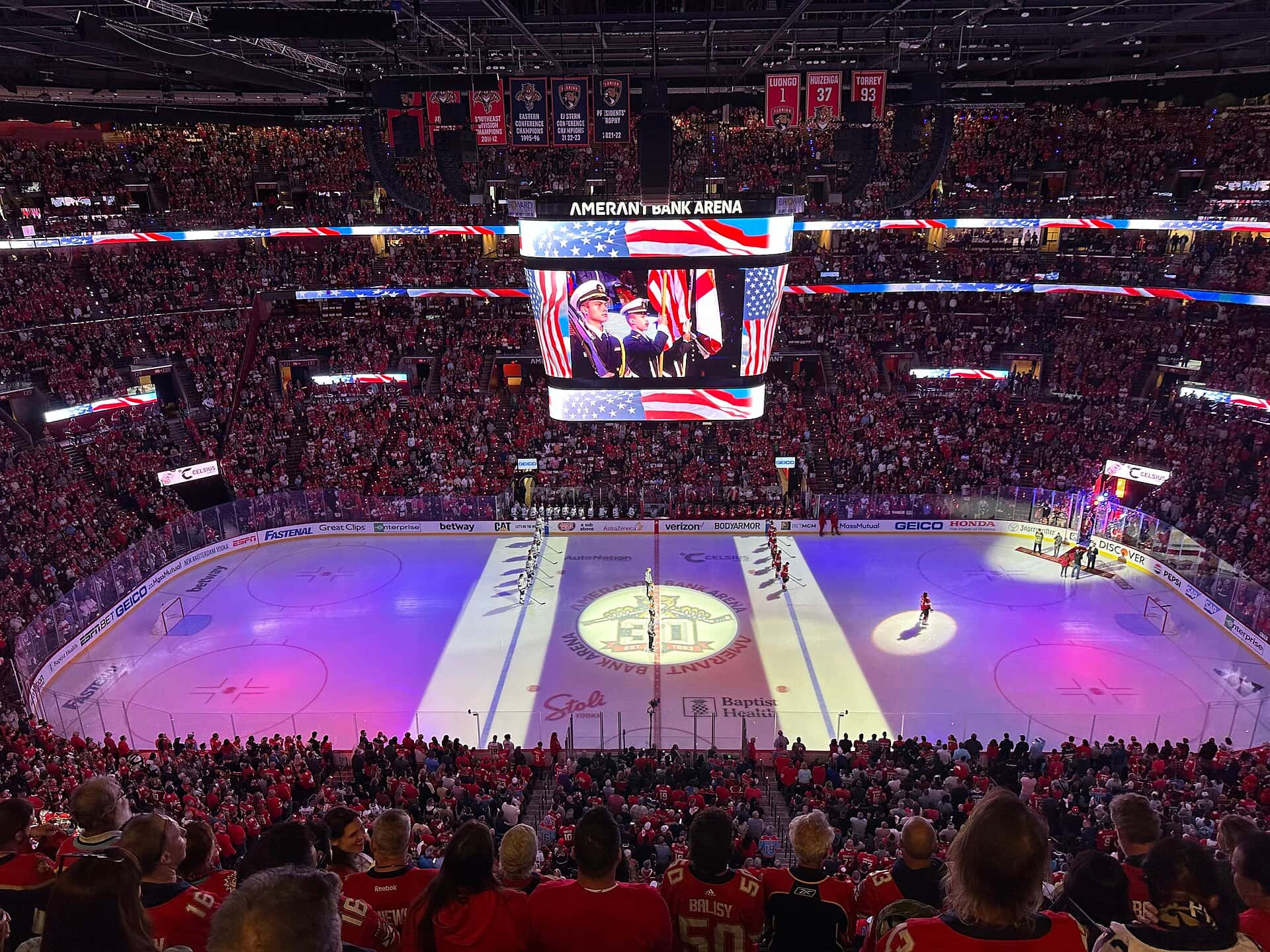
For the first time since 2019, the Stanley Cup Final does not include a team from the state of Florida. The 2026 championship round pits the Carolina Hurricanes, champions of the Eastern Conference, against the Vegas Golden Knights, winners of the West, in a series that has already delivered dramatic swings. As of this week, Vegas holds a 2-1 lead, but the larger story for fans in the Sunshine State is one of absence. After years of Florida dominance on hockey's biggest stage, neither the Florida Panthers nor the Tampa Bay Lightning is playing for the Cup.
The reason cuts especially deep in South Florida. The Panthers, two-time defending Stanley Cup champions, did not merely lose in the playoffs this season. They missed the postseason entirely, eliminated from contention before the bracket was even set. A franchise that hoisted the Cup in both 2024 and 2025 watched the 2026 playoffs unfold without a place in them, an abrupt fall from the top of the sport.
The Lightning, the other half of Florida's recent hockey golden age, also failed to reach the Final. Together, the two clubs had turned the state into the center of the NHL universe across the first half of the decade. Their simultaneous absence from this year's championship round marks a stark reset for a region that had grown accustomed to playing deep into June.
What remains is a Final between two franchises from outside the traditional hockey heartland, each chasing a championship of its own. For Florida fans, the series offers a chance to watch the sport at its highest level while adjusting to an unfamiliar feeling: being spectators rather than participants in the race for the Cup.
A Final without the Sunshine State
The numbers tell the story of how dominant Florida hockey had become. The Lightning won the Stanley Cup in 2020 and 2021, back-to-back titles that established Tampa Bay as a model franchise. The Panthers followed with consecutive championships in 2024 and 2025, extending the state's grip on the sport's ultimate prize. Across a six-season stretch, Florida teams accounted for four Cups and a near-permanent presence in the late rounds.
That run reshaped how the hockey world viewed the state. Once dismissed as a non-traditional market, Florida became synonymous with sustained excellence, deep playoff runs, and championship parades held in warm-weather cities far from the sport's northern roots. The success drew new fans, energized arenas, and gave the state a hockey identity that rivaled its standing in any other sport.
The 2019 Final was the last one without a Florida team, which underscores just how long the state had remained in the mix. For seven straight years, at least one Florida club factored into the championship picture in a meaningful way, whether by reaching the Final or by carrying championship expectations into the playoffs. The 2026 edition breaks that streak.
Now the state watches from the outside as Carolina and Vegas compete for a title that, in recent memory, often ran through Florida. The absence is a reminder of how quickly fortunes can shift in a salary-cap league, where sustained success is difficult and championship windows can close without warning.
The Panthers' stunning collapse
Of all the storylines, none resonates more in Florida than the collapse of the Panthers. A team that had won the previous two Stanley Cups entered the season as one of the sport's premier contenders, only to miss the playoffs entirely. For a defending champion to fall short of the postseason is among the more jarring outcomes a franchise can experience, and for it to happen to a two-time champion makes it all the more striking.
The specifics of how the Panthers fell out of contention will be dissected throughout the offseason, but the bottom line is unambiguous: the club was eliminated from playoff contention before the bracket was set. That distinction matters. This was not a team that lost a hard-fought series or fell in the Final. It was a team that never reached the dance at all, an outcome few would have predicted for a back-to-back champion.
For the Panthers' fan base, concentrated in Sunrise and the surrounding South Florida communities, the season represents a difficult comedown. Two years of championship celebrations gave way to a campaign that ended early, without the deep playoff run that had become routine. The arena that hosted Cup-clinching nights instead went quiet as the postseason began without the home team.
The collapse raises questions the organization will spend the summer answering. How a defending champion misses the playoffs is a question of health, depth, and circumstance, and the Panthers will weigh their roster and direction in its aftermath. Whatever the causes, the result has reframed the franchise's offseason from one of title defense to one of reflection and recalibration.
Carolina and Vegas trade blows
The Final itself has been anything but quiet. Game 1 went to the Golden Knights in a high-scoring affair, a 5-4 result that set an offensive tone for the series. The Hurricanes answered in Game 2, winning in overtime to even the matchup and reclaim home-ice momentum. The back-and-forth start signaled a tightly contested championship round between two evenly matched teams.
Game 3, played June 6, extended the drama further. The Golden Knights claimed a 5-4 victory in double overtime, a marathon that pushed both teams to their limits and gave Vegas a 2-1 series lead. Two 5-4 finals and a pair of overtime games through three contests speak to a series defined by offense, resilience, and razor-thin margins.
The defining individual moment so far belonged to Mitch Marner, who recorded the fastest hat trick in Stanley Cup Final history during Game 3. A three-goal burst on the sport's grandest stage etched Marner into the record books and underscored the offensive firepower that has characterized the series. Performances of that magnitude are the kind that define championship rounds and linger in hockey memory.
With Vegas ahead 2-1, the series now turns on whether Carolina can respond again. The Hurricanes have already shown the ability to answer adversity, having taken Game 2 in overtime, and the volume of close, high-scoring games suggests neither team holds a decisive edge. The Final has the makings of a long and tightly fought series.
Florida as a hockey state
The Panthers' and Lightning's recent dominance did more than fill trophy cases. It cemented Florida's standing as a genuine hockey state, a status that once seemed improbable for a region better known for beaches than ice. The sustained success drew waves of new fans, filled arenas in Sunrise and Tampa, and built a hockey culture in a place where the sport once struggled for a foothold.
That cultural shift does not vanish in a single down season. Fans who came aboard during the championship years remain invested, and the infrastructure, from youth programs to packed arenas, reflects a sport that has put down real roots. A year without a Florida team in the Final is a setback for the state's hockey profile, but not a reversal of the gains made over the past decade.
The absence does, however, test the depth of that fandom. Following the sport when the home team is winning Cups is one thing; staying engaged through a Final featuring Carolina and Vegas, with no local rooting interest, is another. How Florida fans respond will say something about whether the hockey culture built during the championship years has staying power.
For many, the answer may lie in appreciation of the sport itself. A Final featuring record-setting performances and a string of one-goal, overtime games offers compelling hockey regardless of the jerseys involved. Florida's fans, schooled by years of high-stakes playoff action, are well positioned to recognize quality when they see it, even from the outside.
The road back for Florida's teams
The 2026 offseason will be a pivotal one for both Florida franchises. The Panthers, in particular, face the work of reassessing how a back-to-back champion fell out of contention and what adjustments can return the club to the postseason. The summer will bring evaluation of the roster and the path forward for a team that, despite this season, retains the recent pedigree of a champion.
The Lightning, too, will look to reset after a season that fell short of the Final. Tampa Bay's earlier championships established a standard of excellence, and the franchise will aim to climb back into the contention it occupied for much of the decade. Both clubs enter the offseason with the memory of recent success and the motivation of a year spent watching others compete for the Cup.
The broader lesson of the season is the difficulty of sustaining success in the modern NHL. The same parity that allowed Florida teams to break through and dominate also makes it hard to stay on top, as roster turnover, health, and the relentless competition of a deep league exact their toll. Florida's clubs are now experiencing the downside of a system that rewards few teams with sustained dominance.
Yet the foundation built during the championship years gives both franchises reasons for optimism. Organizations that reached the sport's summit understand what it takes to get there, and that institutional knowledge does not disappear in a single season. The road back will demand work, but neither club is starting from scratch.
What's next
The immediate focus turns to Game 4, scheduled for Tuesday, June 9. With Vegas leading 2-1, the Hurricanes face a pivotal contest: a win evens the series and restores balance, while a loss would push Carolina to the brink. Given the tenor of the series so far, with overtime drama and high-scoring finishes, another tightly contested game would surprise no one.
For the Golden Knights, Game 4 offers a chance to seize control. A 3-1 series lead would put Vegas within a single victory of the Cup and place enormous pressure on Carolina. Mitch Marner's record-setting Game 3 raised the stakes for what comes next, and the Golden Knights will look to build on the momentum that hat trick provided.
For Florida, the coming days are about watching the sport from an unfamiliar vantage point and looking ahead to an offseason of questions and rebuilding. The Panthers and Lightning will spend the summer charting a return to contention, with the goal of restoring the state to its recent place among hockey's elite.
Whatever Carolina and Vegas decide in the games ahead, the 2026 Final will be remembered in Florida as the year the state stepped aside. After a decade of parades and deep runs, Sunshine State fans face a Final without a local team for the first time in seven years, a reminder that even the most dominant runs eventually pause.
Spotted an issue with this article?
Have something to say about this story?
Write us a letterComments
No comments yet. Be the first to weigh in.
Related Coverage

Florida Bar Places IT Employee on Leave Over Racist, Homophobic Messages Sent to Miami's Damon Wilson II
1h ago

C.J. Hicks' Record 96-Yard Fumble Return Sparks USF's 29-2 Homecoming Win Over Kent State
2h ago
Rays vs. Brewers World Series Preview: Schedule, Tickets and a Guaranteed First-Time Champion
20h ago

Magic Open Sean Sweeney Era Against Hawks at Kia Center With Franz Wagner's Shoulder in Question
22h ago