49 Arrested in Florida Fentanyl Trafficking Takedown, Attorney General Says
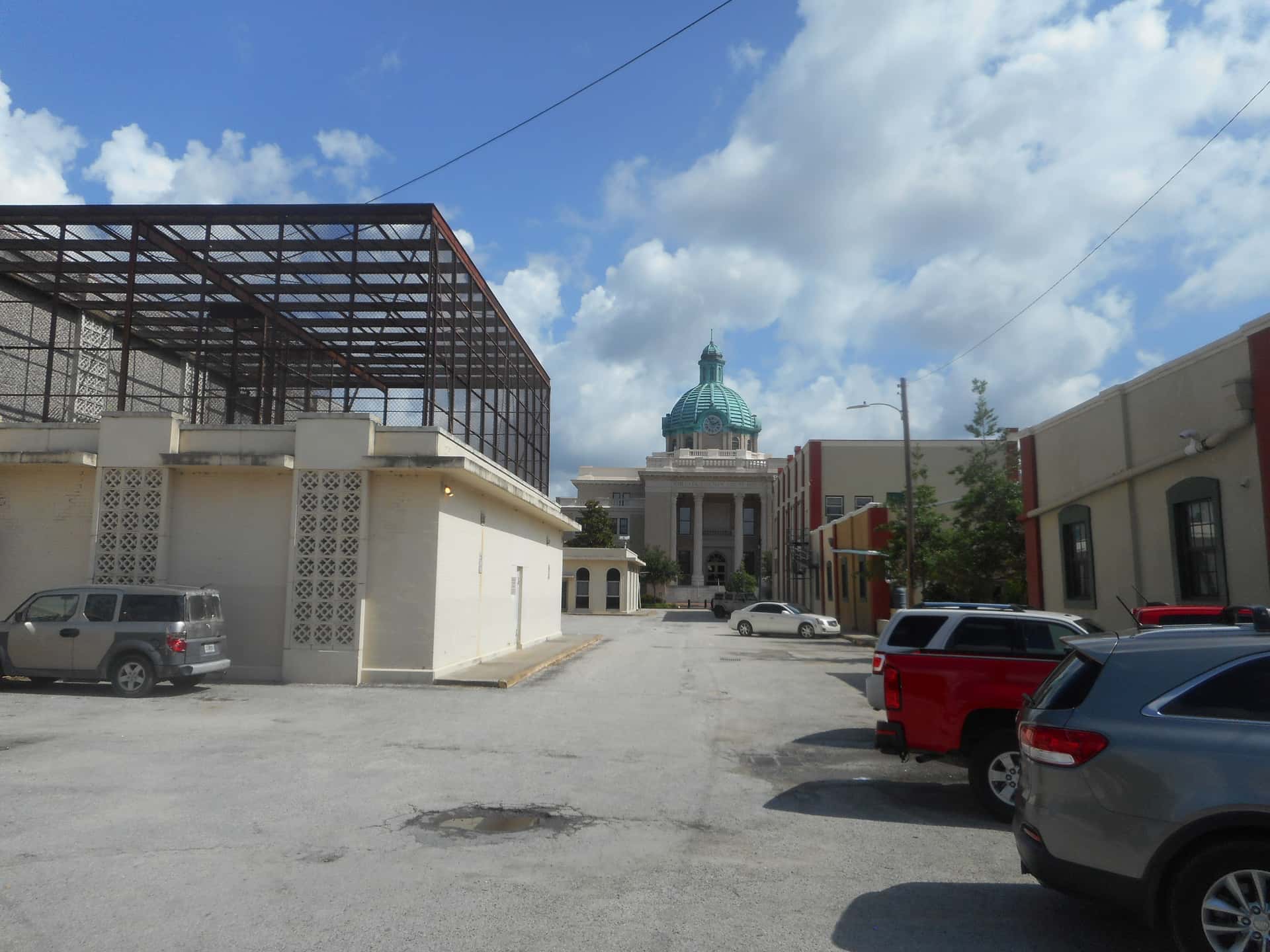
Florida law enforcement officials announced 49 arrests this week at the conclusion of a nearly year-long investigation into narcotics trafficking networks operating across five counties in the central and northeastern parts of the state. The operation, which authorities have identified as Operation Ice Breaker II, targeted organizations accused of distributing fentanyl, methamphetamine and cocaine in Volusia, Flagler, St. Johns, Marion and Orange counties.
According to information released by the Florida Attorney General's Office, the investigation ran from the fall of 2025 through June 2026 and involved multiple local, state and federal agencies. Investigators said they used wiretaps, telephone tracking, physical surveillance and controlled narcotics purchases to identify the alleged members of the organizations and to build the cases now moving into the court system.
All 49 people taken into custody face charges, and none has been convicted. Under Florida law, each remains presumed innocent unless and until a jury or a judge finds otherwise. The scale of the operation, and the fact that it spans five counties across two distinct regions of the state, makes it one of the larger publicly announced narcotics takedowns in Florida so far this year.
What investigators say they found
Authorities reported seizing 807 grams of fentanyl, 525 grams of methamphetamine, 101 grams of cocaine and 138 grams of cannabis during the course of the investigation. Investigators also reported recovering five firearms and $19,366 in cash. The fentanyl total is the figure that carries the most weight for public safety officials, because fentanyl is potent enough that even small quantities represent a substantial number of potentially lethal doses.
Investigators said they conducted 45 controlled narcotics purchases over the life of the case. Controlled buys are a standard building block in trafficking prosecutions because they create a documented, recorded transaction between an alleged dealer and a cooperating buyer working under law enforcement supervision. Prosecutors typically use a series of such transactions to establish a pattern of distribution rather than a single isolated sale.
The use of wiretaps is notable. Court-authorized interception of phone communications requires a judge's approval and a showing that other investigative techniques have been tried or would be unlikely to succeed. That the investigation reached that threshold suggests prosecutors believed they were dealing with organized distribution rather than street-level sales, and it is often a signal that the resulting cases will be built on recorded communications as well as physical evidence.
The Volusia County component
A significant portion of the arrests centered on Volusia County. Investigators have accused members of a group identified as the Cut Throat Murderers of distributing fentanyl, cocaine and methamphetamine from a property in Holly Hill, a small city just north of Daytona Beach. Authorities said 24 individuals were arrested in connection with that specific portion of the sweep, including the organization's alleged leader, who has been identified in official announcements as Isaac Pease.
Holly Hill sits in a densely populated corridor along the Halifax River, and law enforcement officials have described the location as a distribution point that served buyers well beyond the immediate neighborhood. The allegation that a single property functioned as a hub is the kind of claim prosecutors will need to support with surveillance logs, controlled purchase records and, in many trafficking cases, testimony from cooperating witnesses.
Because the individuals named in the Volusia portion of the case have been charged rather than convicted, the specific counts each defendant faces will be resolved case by case. Florida trafficking statutes tie penalties to the weight of the controlled substance involved, which means the charging decisions in cases like this one often depend heavily on laboratory analysis of seized material.
Why fentanyl cases carry different stakes
Fentanyl has reshaped how Florida agencies approach narcotics enforcement. The synthetic opioid is dramatically more potent than heroin by weight, which means traffickers can move a supply capable of reaching thousands of users in a package small enough to conceal easily. That potency also means accidental overdose risk is high for buyers who believe they are purchasing something else, a scenario that has driven a substantial share of Florida's overdose deaths in recent years.
State officials have increasingly framed trafficking enforcement around that overdose risk rather than around volume alone. Florida law now allows prosecutors in certain circumstances to pursue enhanced charges when a fentanyl distribution chain can be linked to a death, and law enforcement agencies across the state have expanded their use of multi-agency task forces to trace supply networks upstream from local dealers.
Public health officials have also urged Floridians to understand that counterfeit pills are a central part of the problem. Pills pressed to look like prescription oxycodone or other pharmaceuticals frequently contain fentanyl, and the amount in any given pill can vary. That variability is why harm reduction programs across the state distribute naloxone and test strips alongside enforcement efforts.
How multi-county operations work in Florida
Investigations that cross county lines require coordination that single-jurisdiction cases do not. Sheriff's offices, municipal police departments, the Florida Department of Law Enforcement and federal partners each bring different authorities and resources, and the decision about where charges are ultimately filed depends on where the alleged conduct occurred and which prosecutor's office takes the lead.
Florida's state attorneys are elected by judicial circuit rather than by county, which means a case spanning Volusia, Flagler, St. Johns, Marion and Orange counties touches multiple circuits. The Seventh Judicial Circuit covers Volusia, Flagler, St. Johns and Putnam counties. Marion County falls in the Fifth Circuit, and Orange County is part of the Ninth Circuit. Coordinating charging decisions across those offices is one reason large takedowns are typically announced only after months of work.
The Attorney General's Office has an Office of Statewide Prosecution that can bring charges in cases involving criminal activity in two or more judicial circuits. That structure exists precisely for investigations like this one, and it allows the state to consolidate a sprawling case rather than fragmenting it across several county courthouses.
What happens next in the courts
The 49 defendants will move through the standard stages of Florida criminal procedure. Each will have a first appearance before a judge, who sets bond conditions. Formal charging documents follow, and defendants then enter pleas at arraignment. Cases that do not resolve through plea agreements proceed toward trial, though the large majority of Florida felony cases are resolved before reaching a jury.
Defense attorneys in trafficking cases built on wiretaps frequently file motions challenging the scope and authorization of the intercepts, and motions to suppress evidence are common. Those pretrial fights can take months and sometimes reshape the strength of the state's case substantially. Nothing announced in a press conference is evidence, and the allegations described by investigators will have to be established in court under rules of evidence.
For residents of the affected counties, the practical near-term effect is likely limited. Enforcement operations of this size can disrupt a specific distribution network, but state and federal data have consistently shown that supply tends to be replaced. Officials generally pair enforcement announcements with reminders about treatment resources and overdose reversal medication for that reason.
The counties at the center of the case
The five counties named in the operation form a corridor running from the Atlantic coast inland and north. Volusia County anchors the eastern end with Daytona Beach and its surrounding communities. Flagler County sits immediately north along the coast, and St. Johns County continues that line toward St. Augustine. Marion County lies inland around Ocala, and Orange County covers the Orlando metropolitan area to the south.
That geography is not random. Interstate 4 and Interstate 95 intersect the region, and U.S. 1 and Interstate 75 provide additional north-south corridors. Narcotics investigators have long described Florida's interstate network as a distribution asset, allowing product to move between metropolitan markets quickly and giving organizations access to buyers across multiple counties without establishing a physical presence in each.
The counties also differ substantially in their law enforcement capacity. Orange County operates a large sheriff's office with dedicated narcotics units and access to federal task force resources. Flagler County is far smaller. Multi-agency operations allow smaller agencies to participate in investigations whose scope would otherwise exceed their resources, and that resource pooling is one of the primary arguments for the task force model.
How Florida trafficking statutes work
Florida's drug trafficking statutes are weight-based, which means the quantity of a controlled substance involved determines both the charge level and the mandatory minimum sentence attached to it. For fentanyl, the thresholds are far lower than for other substances because of the drug's potency, and relatively small quantities trigger trafficking charges rather than simple possession or sale.
Mandatory minimums are the feature that distinguishes trafficking prosecutions from most other Florida felony cases. A judge sentencing a defendant convicted of trafficking above a statutory threshold has limited discretion to go below the minimum, and the primary avenue for a reduced sentence is a motion filed by the prosecution based on substantial assistance to the investigation.
That structure shapes how these cases resolve. Defendants facing lengthy mandatory sentences have strong incentives to cooperate, and prosecutors build cases against higher-level participants using information from those lower in the organization. The 49 arrests announced in this operation will likely resolve at different levels depending on where each defendant sat in the alleged structure and what each is able to provide.
Defense attorneys in weight-based cases frequently focus on the laboratory analysis, since the charge depends entirely on the confirmed quantity and composition of the seized material. Mixtures containing fentanyl are weighed as a whole under Florida law rather than by the fentanyl content alone, and challenges to how a mixture was weighed and analyzed are common.
What's next
Court dates for the defendants will be set individually, and the case files will become the primary public record of what the state can actually prove. Floridians tracking the outcome should watch circuit court dockets in the counties involved rather than relying on the initial announcement, since charges are frequently amended, consolidated or dropped as cases develop.
State officials have signaled that multi-county narcotics operations will continue to be a priority through the rest of 2026. The naming convention of this operation, Ice Breaker II, indicates it follows an earlier effort, and additional phases are possible if investigators identified suppliers further up the chain who have not yet been charged.
Residents seeking help with substance use can contact the Florida Department of Children and Families for treatment referral information, and naloxone is available without a prescription at pharmacies statewide. Public health officials have repeatedly emphasized that enforcement and treatment operate on separate tracks, and that a takedown in one county does not reduce overdose risk for someone using elsewhere in the state.
Spotted an issue with this article?
Have something to say about this story?
Write us a letterComments
No comments yet. Be the first to weigh in.
Related Coverage
Boca Raton man arrested, accused of threatening to kill U.S. Rep. Jared Moskowitz in voicemail
1h ago

Kissimmee Mayor Jackie Espinosa Arrested on Grand Theft, Fraud Charges Over $50,000 in City COVID Relief Grants
22h ago
Driver Who Sped Through Ironman Jacksonville Course While Fleeing Police Pleads Guilty, Gets 10 Years in Prison
23h ago

DeSantis Signs Death Warrant for Thomas Overton in Florida Keys Killings of Pregnant Teacher and Husband, Setting Up Record 20th Execution of 2026
1d ago