As Iran Ceasefire Talks Advance, Tampa's MacDill Sits at the Center of U.S. Strategy
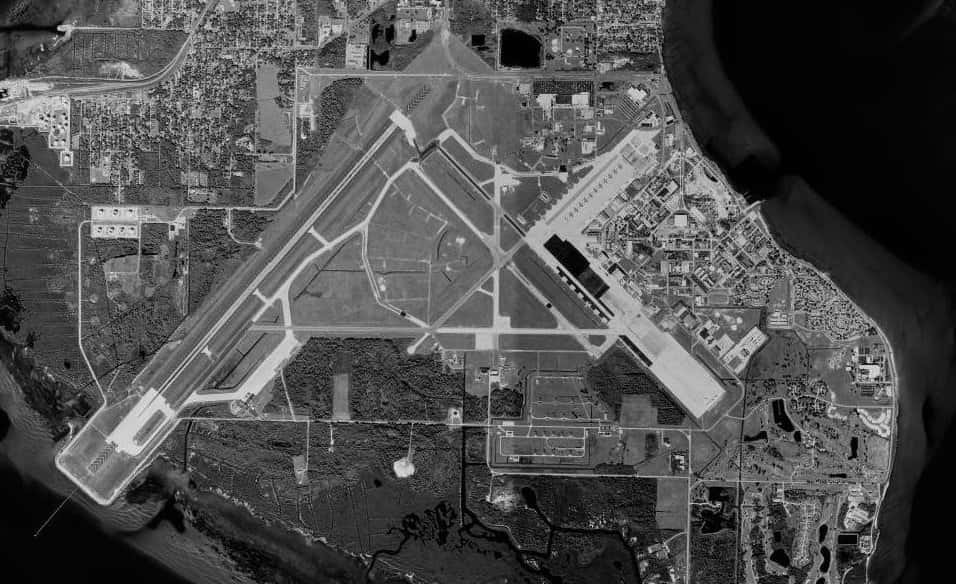
As the United States and Iran move toward extending a fragile ceasefire, much of the military strategy underpinning American operations in the Middle East runs through a Florida address. MacDill Air Force Base in Tampa, home to U.S. Central Command, sits at the strategic center of the planning and coordination that shape the U.S. posture in the region, giving the Tampa Bay area an outsized role in one of the world's most consequential conflicts.
The diplomatic progress toward a ceasefire follows months of confrontation that began with U.S. and Israeli strikes on Iranian targets in late February and Iran's retaliatory attacks on shipping in the Strait of Hormuz. Throughout that period, the command headquartered in Tampa has been central to managing American military activity across the Middle East, a reminder of Florida's significant stake in national security affairs.
The command at the center
U.S. Central Command, known as CENTCOM, is one of the military's geographic combatant commands, responsible for U.S. military activities across a broad region that includes the Middle East. Its headquarters at MacDill Air Force Base places the nerve center of American operations in that volatile region squarely in Tampa, an arrangement that has long made the base strategically vital.
During a period of heightened conflict with Iran, the role of the command takes on added prominence. The planning, coordination, and oversight of military operations in the region flow through the headquarters, making the Tampa base integral to how the United States responds to events thousands of miles away. The ceasefire negotiations and the military posture that backs them are intimately connected to the work conducted there.
The presence of CENTCOM has shaped MacDill into one of the most important military installations in the country. Its mission extends far beyond Florida, but its location ties the Tampa Bay region directly to the highest levels of national security decision-making regarding the Middle East.
The path to a ceasefire
The diplomatic track has advanced as the United States and Iran work toward extending a ceasefire, with negotiations focused on the specific terms of an agreement. The talks aim to de-escalate a conflict that disrupted global oil markets and raised the specter of broader confrontation, and progress has already begun to calm energy markets.
The conflict's origins trace to the late-February strikes and Iran's response targeting tankers in the Strait of Hormuz, a critical chokepoint for global oil supplies. The threat to that passage drove fuel prices sharply higher and underscored the global stakes of the confrontation. A durable ceasefire would aim to reduce those risks.
The military dimension and the diplomatic dimension are intertwined. The credibility of American diplomacy rests in part on the military posture managed through commands like CENTCOM, and the negotiations unfold against the backdrop of the forces and planning coordinated from the Tampa headquarters. The outcome of the talks will shape the operational tempo in the region.
Florida's military footprint
MacDill's prominence is part of Florida's broad and deep military footprint. The state hosts numerous major installations across the services, contributing significantly to the national defense and to Florida's economy. The bases support large numbers of service members, civilian employees, and contractors, anchoring local economies in the communities around them.
For the Tampa Bay region specifically, MacDill is both a strategic asset and an economic pillar. The base and the command it hosts bring jobs, spending, and a steady military presence to the area. The high-profile mission of CENTCOM also gives the region a distinctive connection to global affairs.
Florida's collection of military bases reflects the state's strategic importance to national defense, from air and naval facilities to space-focused installations. That footprint makes events in distant theaters of conflict directly relevant to Florida communities, whose residents include many with ties to the armed forces.
What it means for Floridians
For residents of the Tampa Bay area, the centrality of MacDill to the Iran situation underscores how closely their community is tied to national and global security. Many families in the region have connections to the military, and the base's mission affects the area's economy and identity.
For Floridians statewide, the situation illustrates the state's significant role in national defense. The decisions and operations coordinated from Florida soil shape American engagement in one of the world's most critical regions, giving the state a stake in the outcome that extends beyond the economic effects of fuel prices.
The conflict's resolution also carries practical consequences for Florida households, most visibly through energy prices that have swung with the course of events. A lasting ceasefire would ease one source of economic pressure even as the strategic work managed from Tampa continues.
MacDill's role in the community
Beyond its strategic mission, MacDill Air Force Base is woven into the fabric of the Tampa Bay community. The base is a major employer, supporting thousands of military personnel, civilian workers, and contractors, and its presence generates substantial economic activity in the surrounding area. The connection between the base and the community runs deep.
The base also hosts not only Central Command but other significant military organizations, reinforcing its importance to national defense. That concentration of command functions elevates the base's profile and ties the Tampa region to high-level military and security affairs in a way few communities experience. Local life and the base's mission are intertwined.
The military families connected to MacDill contribute to the region's character, and the base's activities, from its operational mission to its community engagement, are a visible part of life in the area. The Tampa Bay region's identity is shaped in part by its role as host to such a consequential installation.
The economic stakes are considerable, as the base's spending and employment support businesses and households across the region. Decisions about the military's posture and operations, while driven by national security considerations, also carry local economic significance for the communities that surround the installation.
Florida and the machinery of national security
The prominence of MacDill and CENTCOM reflects Florida's broader integration into the machinery of American national security. The state's collection of military installations, spanning the Air Force, Navy, and Space Force, makes it a critical hub for defense activities, and its facilities support missions that range across the globe. Florida's strategic value to the nation is substantial.
That integration means events in distant regions resonate in Florida in concrete ways. The command structures, forces, and planning based in the state connect Florida directly to American engagement abroad, giving residents a stake in international developments that extends beyond the economic effects felt by all Americans. The state is not merely an observer but a participant in national security affairs.
The space dimension adds another layer, as Florida's spaceports support both commercial and national security launches, complementing the state's traditional military installations. Together, these assets position Florida at the intersection of defense, space, and strategy, reinforcing its importance to the nation's security posture.
For Floridians, this integration is a source of both economic benefit and connection to consequential national missions. The work conducted at installations like MacDill places the state at the heart of efforts that shape American power and influence, a role that the current focus on the Iran situation brings into sharp relief.
What's next
The immediate focus is whether the ceasefire negotiations produce a durable agreement. The outcome will influence the military posture in the region and, by extension, the operational demands on the command headquartered in Tampa. A stable agreement would reduce tensions, while a breakdown could renew the confrontation.
For MacDill and CENTCOM, the mission continues regardless of the diplomatic outcome, as the command's responsibilities span the broader region and its many ongoing concerns. The base's strategic role endures beyond any single crisis.
For Florida, the episode reinforces the state's deep connection to national security affairs. As the situation with Iran evolves, the work conducted at the Tampa headquarters will remain central to the American approach, keeping Florida at the heart of a story with global stakes.
The dual nature of the moment, with diplomacy advancing while the military posture is maintained, illustrates the complexity of managing a tense standoff. A ceasefire that holds would represent a significant de-escalation, but the underlying tensions that produced the conflict are unlikely to vanish, meaning the command's responsibilities in the region will endure regardless of the immediate outcome. The work of monitoring, planning, and coordinating American military activity across a volatile region continues whether or not a particular agreement is reached.
For Floridians watching events unfold, the situation offers a reminder that their state is far more than a tourist destination and a retirement haven. It is a critical node in the nation's defense architecture, home to commands and installations that shape American engagement around the world. As the Iran situation develops, the Tampa Bay region will remain quietly central to the response, its prominence a testament to Florida's enduring strategic importance to the United States.
The coming weeks will reveal whether the diplomatic momentum toward a lasting ceasefire can be sustained, and the answer will have consequences felt from the negotiating table to the gas pumps of Florida. A durable agreement would mark a significant achievement and could ease the economic pressures that the conflict has imposed, while a breakdown would renew the dangers and the volatility. Throughout, the command headquartered at MacDill will continue its essential work, a constant presence behind the headlines. For the Tampa Bay region and for Florida as a whole, the situation serves as a vivid illustration of the state's place at the intersection of local life and global affairs, where a base on Tampa Bay helps shape events half a world away and where the outcomes of distant conflicts return to influence the daily lives of Floridians.
Spotted an issue with this article?
Have something to say about this story?
Write us a letterComments
No comments yet. Be the first to weigh in.
Related Coverage

SpaceX Launches Bandwagon-5 Rideshare From Cape Canaveral, Lighting Up a Brief Space Jellyfish Over Florida
16h ago

Kathy Castor and Mike Beltran enter final stretch of a tight race in a redrawn, Trump-leaning Tampa district
20h ago

G20 Summit at Trump National Doral Will Bring Road Closures and a Secret Service Security Zone to Miami-Dade in December
22h ago

Florida's Brazilian voters head back to the polls for Oct. 25 presidential runoff as corruption dominates the race
23h ago