Bird Flu at Cal-Maine's Okeechobee Egg Farm Forces Cull of About 1.76 Million Birds and a Two-County Poultry Quarantine
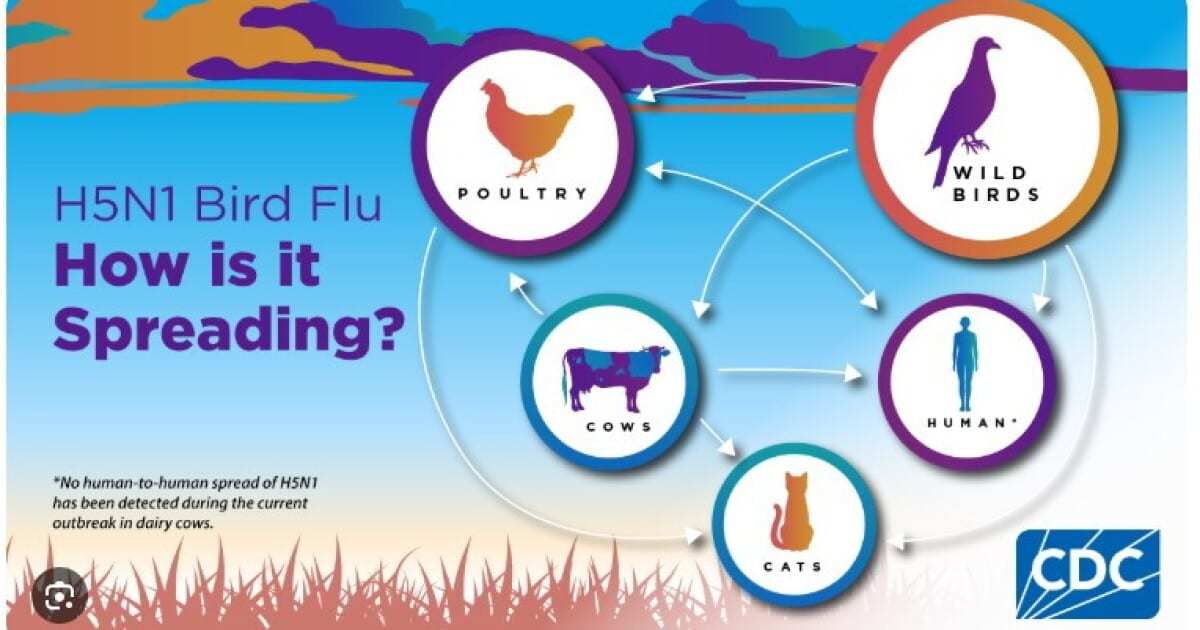
Highly pathogenic avian influenza has been confirmed at Cal-Maine Foods' egg operation in Okeechobee County, and about 1.4 million laying hens and 360,000 young chicks there must be killed, according to reporting by WGCU and WUSF. Together that is roughly 1.76 million birds. Cal-Maine, the country's largest egg producer, says production at the Okeechobee facility has stopped, and the Florida Department of Agriculture and Consumer Services has placed a quarantine on poultry across a large area north of Okeechobee that reaches into western St. Lucie County.
The outbreak lands in a rural county where cattle, dairy and poultry are a central part of the economy. It also reaches backyard flock owners, who now need state permission to move their birds.
What happened at the Okeechobee facility
Cal-Maine disclosed on Nov. 18 that one of its Florida egg production facilities had tested positive for highly pathogenic avian influenza, or HPAI. Trade and financial coverage of the company's announcement, including Food Dive, reported that the affected birds represent about 2.7% of Cal-Maine's total flock. WGCU later identified the facility as the company's operation in Okeechobee County.
Because there is no treatment for bird flu in poultry, the standard federal response is to depopulate every infected and exposed bird on the premises. The strain can wipe out a flock within days, WGCU reported. A post on Cal-Maine's website says production at the Okeechobee site has stopped. According to coverage of the company's statement, Cal-Maine has not said how long the facility will be down or estimated the financial impact, and it said no eggs have been recalled because of the outbreak.
The U.S. Department of Agriculture's Animal and Plant Health Inspection Service, known as APHIS, now lists the Okeechobee operation on its public tracker of confirmed HPAI detections. According to WGCU, that list also includes 56 affected backyard flocks nationwide.
Quarantine reaches backyard chickens
The state acted on Nov. 19. The Florida Department of Agriculture and Consumer Services, or FDACS, established a quarantine area north of Okeechobee that requires the department's permission before any poultry or poultry products move within, into or out of the zone. The order covers a large swath of Okeechobee County and portions of St. Lucie County, and it applies to small backyard flocks as well as the Cal-Maine operation, WGCU reported.
Weekend reports said the quarantine also affected an animal auction in Okeechobee, according to WUSF. No end date has been announced.
Okeechobee County and FDACS have pointed residents to these steps and contacts:
- Check the official quarantine map at FDACS.gov/ai before moving birds or poultry products.
- Send movement permission requests to the FDACS Division of Animal Industry at RAD@FDACS.gov. Quarantine questions go to 850-410-0900.
- Report unusual illness or unexplained deaths in domestic poultry to 850-410-0900 during business hours or 800-342-5869 after hours.
- Report sick or dead wild birds to the Florida Fish and Wildlife Conservation Commission's Wildlife Alert Hotline at 888-404-3922.
- The UF/IFAS Okeechobee County Extension office at 458 U.S. Highway 98 North has printed bird flu guidance for flock owners.
Officials are asking flock owners to keep chickens separated from wild birds and to avoid handling sick or dead birds.
What it means for egg supply and prices
The Okeechobee facility is a major producer, but the available reporting does not show an immediate effect on what Floridians pay for eggs. Cal-Maine has said it is coordinating production and distribution across its other facilities to keep customers supplied, according to coverage of its announcement.
The national market is also in a very different place than it was during the bird flu shortages of recent years. Food Dive reported that Cal-Maine executives said in October the industry was contending with a glut of eggs, with supply running ahead of demand. That cushion makes a short-term price spike from a single outbreak less likely, though the loss of about 1.4 million layers removes a meaningful share of production in the Southeast while the site is empty. Neither the company nor state officials have released a projection for Florida retail prices.
Investors did not treat the news as a major blow. According to reports on the announcement, Cal-Maine shares rose about 5% in early trading on Nov. 18. The company has said it will provide more detail in its next quarterly filing with the Securities and Exchange Commission.
Is it safe to eat eggs and chicken?
Public health officials say yes, with normal kitchen precautions. Cal-Maine cited USDA guidance that the virus is not transmitted through eggs that are safely handled and properly cooked, and WGCU reported there is no evidence of infection from properly cooked poultry. FDACS and Okeechobee County have repeated that eggs and poultry products remain safe when handled correctly and cooked thoroughly.
People can contract H5 bird flu, usually through close contact with infected animals. The Centers for Disease Control and Prevention counts 75 human H5 cases in the United States since February 2024 and at least three deaths, according to WGCU. The most recent death, reported by the Associated Press, was a worker at a cattle farm in Yakima, Washington. Most cases have been tied to dairy cattle or poultry, the CDC has found no person-to-person spread in the U.S., and it considers the risk to the general public low.
Dr. Ben Anderson, a University of Florida assistant professor of environmental and global health, told WGCU that H5N1 mainly affects wild migratory birds and can cause serious illness and economic losses in domestic poultry, while the risk to the general public remains low.
Cal-Maine's recent history with the virus
This is not the first time bird flu has shut down one of Cal-Maine's sites. The company stopped production at a Texas facility in April 2024 after a detection there, and Food Dive reported that a separate outbreak hit a Cal-Maine pullet facility in Maryland in March, where operations have since fully resumed. Depopulated sites typically must be cleaned, disinfected and cleared by federal and state animal health officials before new birds are brought in.
What's next
Depopulation at the Okeechobee site will continue under USDA protocols, and the farm will need federal and state sign-off before it can restock. The quarantine stays in place until FDACS lifts it, so backyard flock owners and anyone hauling poultry in northern Okeechobee and western St. Lucie counties should check the state map and request permission before moving birds. Cal-Maine has not given a date for restarting production, and further detail on the financial impact is expected in its next quarterly report.
Spotted an issue with this article?
Have something to say about this story?
Write us a letterComments
No comments yet. Be the first to weigh in.
Related Coverage

PortMiami Tops 10 Million Cruise Passengers for the First Time, Posting a 23% Jump in Fiscal 2026
19h ago

Pinellas Seeks $24.2 Million Federal Grant to Replace 1962 San Martin Boulevard Bridge Over Riviera Bay
20h ago

Manatee County Leads the Nation in New Home Permits as Roads, Deputies and Schools Struggle to Keep Up
21h ago

JTA Asks Public What Should Replace the Shuttered Jacksonville Skyway, With Options Up to $565 Million
22h ago