Manatee County Leads the Nation in New Home Permits as Roads, Deputies and Schools Struggle to Keep Up
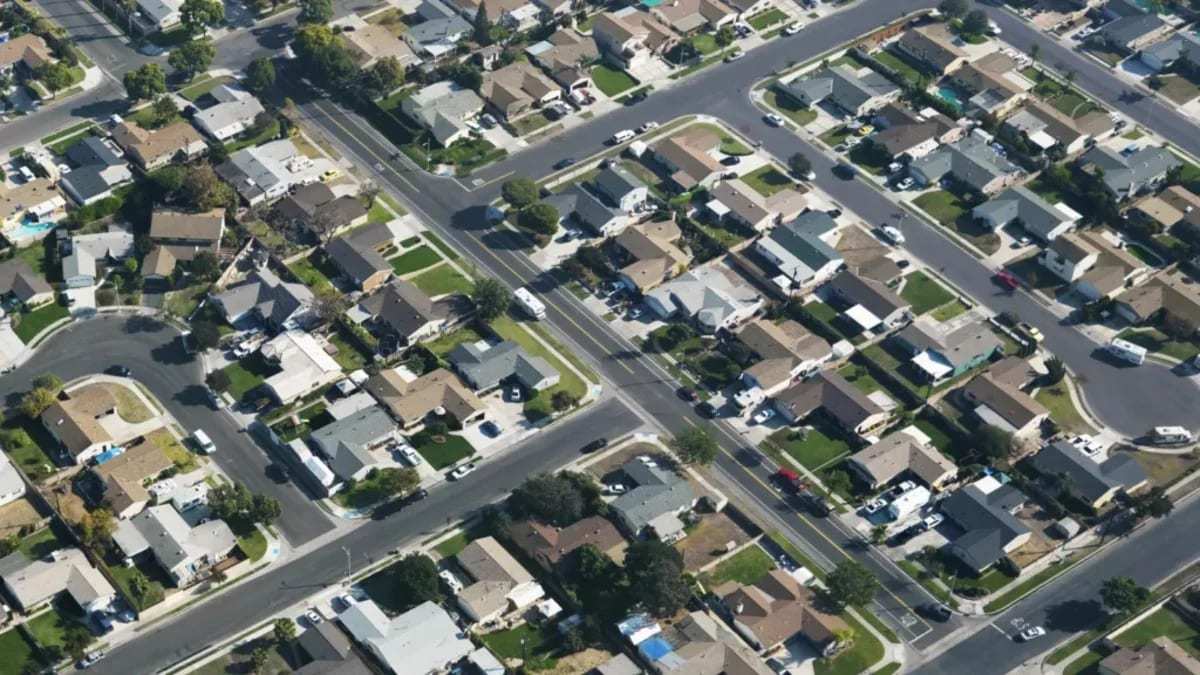
Manatee County issued 11,015 new residential building permits in 2025, the highest rate per 1,000 residents of any county in the United States of similar or larger size, according to a Suncoast Searchlight analysis of U.S. Census Bureau data published Sunday, Nov. 22, by WUSF. The building boom has put the Bradenton-area county ahead of far larger places such as Miami-Dade County and suburban Houston's Montgomery County, Texas. Roads, emergency services and schools are struggling to keep up, and a state tax change approved by voters this month threatens the money the county would use to catch up.
The analysis, reported by Suncoast Searchlight contributing writer Carter Weinhofer, found that Manatee builders pulled roughly three times as many single-family home permits last year as builders in unincorporated Sarasota County, its neighbor to the south. Early 2026 figures show a similar pattern.
Where the homes are going
Manatee's population grew by more than 68,000 people between 2020 and 2025, reaching about 468,200, according to the analysis. Much of that growth has landed on land that was farmland a few years ago. Once-agricultural areas around Parrish, in the county's north, and stretching east toward Myakka City now hold new subdivisions. Around Lakewood Ranch, neighborhoods are spreading east of Interstate 75 onto what used to be rural roads.
The County Commission has begun pushing back. Commissioners rejected a Lennar proposal for about 2,000 homes in Parrish as part of a broader effort to limit large projects, the Suncoast Searchlight report said. According to earlier local coverage, that project, known as Lone Valley, sought a rezoning of roughly 683 acres of agricultural land off Buckeye Road, and commissioners denied it over a lack of infrastructure to support new residents.
Commissioners also raised the impact fees builders pay toward roads, schools and other public facilities. Developers sued, arguing that the increase violates a state law limiting new, more burdensome local rules after hurricanes. As of July, more than $14 million in collected fees was tied up in the dispute, the Bradenton Herald reported.
Commissioner Tal Siddique described the board's current posture. "I'd say our approach has been to slow the approvals pretty significantly and focus more on filling in gaps," he said.
Traffic on the growth corridors
The clearest sign of the strain is on the roads. County traffic counts cited in the analysis show steep increases on the routes serving new neighborhoods:
| Road segment | Change | Period or detail |
|---|---|---|
| I-75 in Parrish | Up 12.5% in average daily traffic | 2021 to 2025 |
| Buckeye Road segment | About 800 to 4,600 daily drivers | Recent years of growth |
| Lorraine Road | Up 32% | Expected to worsen with a new high school |
Lorraine Road, which runs through the Lakewood Ranch area, is the focus of the sharpest debate. Traffic there is expected to climb further with the opening of a new high school and a planned 232-unit multifamily project. Commissioner Bob McCann has urged the county to fund a $117 million project to widen the road from two lanes to four, and he voted against the county's Capital Improvement Plan because it left out Lorraine Road improvements.
Other commissioners are less optimistic about what the county can afford. Commissioner Mike Rahn questioned whether the county's infrastructure will ever fully match its growth. "Will the infrastructure ever 100% catch up? Who knows," he said. Rahn warned that some road projects in the Capital Improvement Plan could be delayed indefinitely or never built.
Siddique was similarly blunt. "I don't think you'll expect to see new road projects any time soon," he said, adding that on infrastructure, the county will "barely keep up with maintenance."
Amendment 3 squeezes the budget
The funding outlook darkened after Florida voters approved Amendment 3 this month. County Administrator Charlie Bishop has estimated the measure could cost Manatee up to $176 million in lost property tax revenue over two years, according to the report. The amendment raises the homestead exemption from $50,000 to $150,000 in the first year and to $250,000 in the second.
That loss lands on a county that is already deferring road work and fighting developers over impact fee revenue. Impact fees can only pay for new capacity, not for operating costs like deputies, firefighters and road maintenance, which rely heavily on property taxes. The Florida Press reported on Nov. 21 on the cuts Manatee and other local governments around the state are weighing after the vote.
Deputies and ambulances stretched thinner
The Manatee County Sheriff's Office has added 65 deputy positions over the past four years, not counting investigations, corrections and communications staff. Deputies earn between $77,522 and $117,099 a year. Sheriff's Office spokesman Randy Warren said the agency continually evaluates staffing and adjusts resources toward the areas growing fastest. "In previous years, we've been able to add deputies to patrol these expanding areas," he said.
Emergency medical coverage is also lagging in places. The county opened EMS Station 22 on Moccasin Wallow Road in December. But in the Greyhawk Landing area of northern Bradenton, the nearest stations are more than 4 miles away, about a 12-minute drive without traffic, while the county's average response time is just over 8 minutes. County spokesperson Casey Zempel said the goal is to make public safety part of the development review process.
Schools race to add seats
The School District of Manatee County has been building to absorb the surge. Before redistricting, enrollment at B.D. Gullett Elementary was approaching 2,000 students, nearly double the school's capacity. The district's previous attendance boundary redraw was in 2019.
Two new elementary schools, Rye Ranch and Veterans, opened this academic year at a cost of $75 million each, adding 970 student seats apiece. The $144 million Rangeland High School, a 300,000-square-foot campus that adds capacity for 2,089 students, is scheduled to begin a phased opening in August. District officials say new schools are paid for largely through developer impact fees.
Associate Superintendent Kevin Chapman said the district had to prepare this year for what would happen over the next four or five years. He also pointed to the link between school construction and county infrastructure. "We can't build a school unless there's, you know, sewer lines, and roads, and power, and traffic lights and all that," he said.
Chapman said the district is probably finished building for now. "We're just kind of getting the land in case the growth continues," he said.
What's next
The county faces several decisions at once. Commissioners will have to decide whether to find money for the $117 million Lorraine Road widening as Rangeland High School prepares to open nearby, while the impact fee lawsuit keeps more than $14 million in limbo. Budget writers will also have to plan for the first year of Amendment 3's larger homestead exemption. With Manatee still issuing permits at a pace no comparably sized U.S. county matches, the gap between the homes already approved and the roads, deputies and classrooms needed to serve them is likely to remain the central fight on the County Commission through 2027.
Spotted an issue with this article?
Have something to say about this story?
Write us a letterComments
No comments yet. Be the first to weigh in.
Related Coverage

JTA Asks Public What Should Replace the Shuttered Jacksonville Skyway, With Options Up to $565 Million
57m ago

Carnival Orders a New Class of Smaller LNG Cruise Ships for 2033 and 2035, Opening More Doors at Florida Ports
2h ago
Former JEA CEO Vickie Cavey's Pension Calculated at $451,688 a Year, Pending Board Vote
1d ago
Citizens Will Require Flood Insurance for Most Home Policies Starting Jan. 1, Even Outside Flood Zones
1d ago