Citizens Property Insurance CEO Tim Cerio Will Step Down in January as Policy Count Hits Record Low
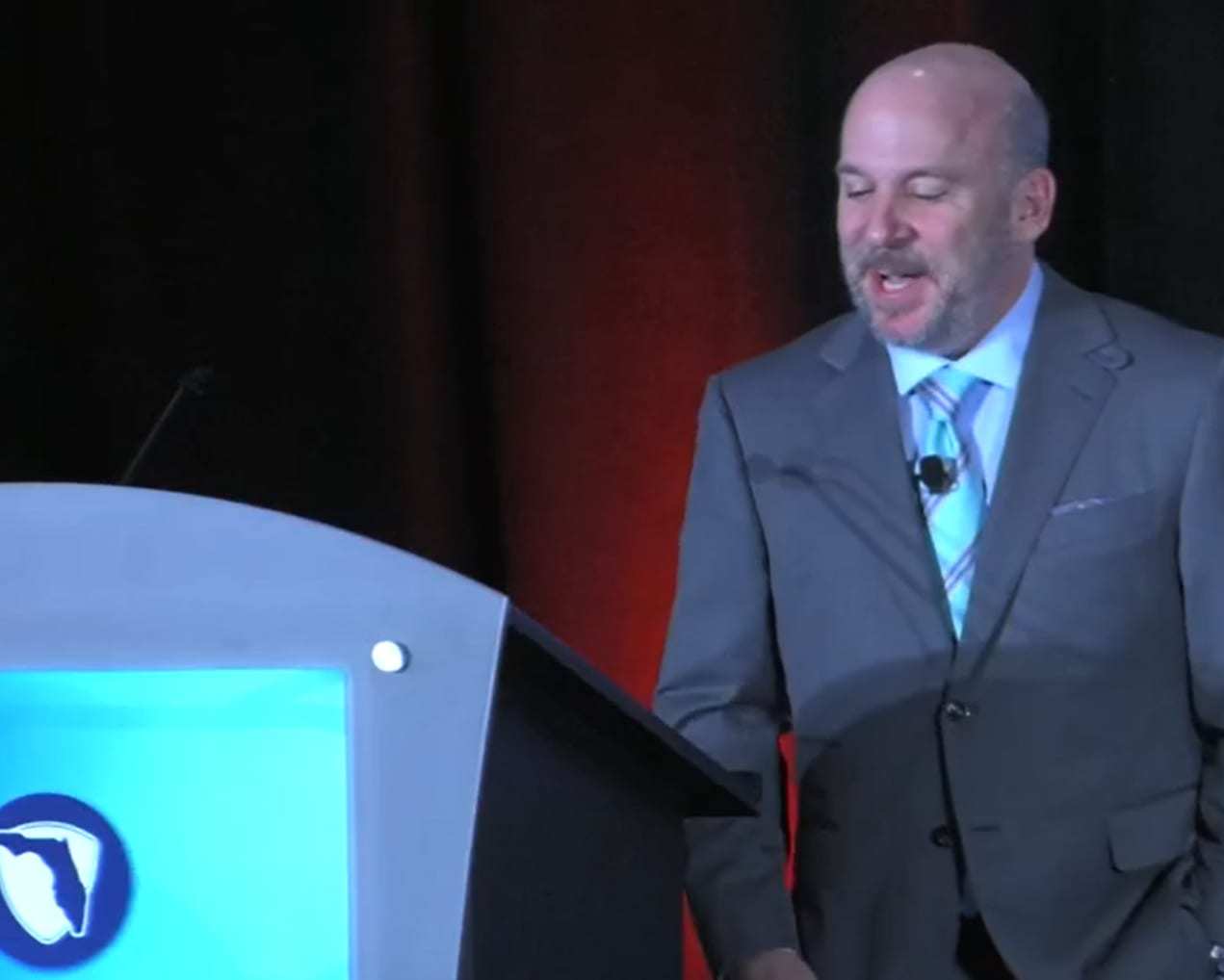
Tim Cerio, the president, CEO and executive director of Citizens Property Insurance Corp., will leave the state-backed insurer in January to return to the private sector, ending a nearly four-year run in which Citizens shrank from about 1.4 million policies to roughly 215,000. Cerio told employees of his decision in a message on Friday, Nov. 20. No successor has been named, and under Florida law the next chief executive will be chosen by the Citizens Board of Governors and must be confirmed by the Florida Senate.
The departure comes weeks before Citizens' last big phase-in of a flood insurance mandate takes effect on Jan. 1, 2027, and as the company prepares its next set of rate recommendations in a market that state officials now describe as recovering.
What Cerio said
In his message to staff, Cerio said he would be leaving Citizens in January after nearly four rewarding years in the top job. "Over the next several weeks I will be working with our Board of Governors on a transition plan, so stay tuned for more specifics," he wrote, according to published accounts of the message. He did not name a new employer.
Board Chairman Carlos Beruff praised Cerio as a steady and principled leader who guided Citizens through one of the most critical periods in the history of Florida's property insurance market, according to reports on the announcement. As of the Nov. 20 announcement, the board had not set a timeline for choosing a replacement or named an interim leader.
Cerio is not leaving public life entirely. He will remain on Gov.-elect Byron Donalds' transition team and will continue as vice chairman of the State University System of Florida's Board of Governors, according to the Tampa Bay Times and other reports on his announcement.
How he got the job
The Citizens board voted unanimously on Jan. 31, 2023, to name Cerio president, CEO and executive director, replacing longtime chief executive Barry Gilway, who had announced his retirement the previous December. The board elevated Cerio from within rather than completing a nationwide search. He had joined Citizens in June 2021 as general counsel and chief legal officer.
Before Citizens, Cerio was a Tallahassee lawyer with the GrayRobinson firm, which he first joined in 2001. He left in 2015 to serve as general counsel to Gov. Rick Scott and later returned to the firm. He was chief of staff and general counsel at the Florida Department of Health from 2005 to 2007, served on the 2017-2018 Constitution Revision Commission, and was appointed by Gov. Ron DeSantis to the Florida Supreme Court Judicial Nominating Commission. He holds bachelor's and law degrees from the University of Florida.
A much smaller Citizens
Cerio took over as Citizens was swelling into the largest property insurer in Florida, the result of private carriers failing or pulling back after years of heavy litigation costs and hurricane losses. Its policy count peaked at about 1.4 million in the fall of 2023. Since then, an aggressive depopulation program that moves policies to private insurers through state-approved takeout offers, together with a recovering private market, has cut that number sharply.
The decline over Cerio's tenure, based on figures reported by Citizens and published accounts:
| Date | Citizens policies in force | Context |
|---|---|---|
| Fall 2023 | About 1.4 million | All-time peak |
| Start of 2026 | 395,144 | After two years of depopulation |
| Nov. 13, 2026 | 215,131 | Record low, a week before Cerio's announcement |
Citizens is no longer the state's largest property insurer. A smaller book means less exposure for Florida policyholders as a whole: if Citizens runs short after a major hurricane, it can levy assessments on its own customers and, in a severe enough deficit, on most property and casualty policies in the state.
Rates and the 2026 cut
For most of Cerio's tenure, Citizens sought rate increases as state law pushed its prices toward actuarial soundness. That changed for 2026. In December 2025, the Citizens board approved a proposal to cut average personal lines rates by 2.6%, the first reduction since 2015, crediting in large part the 2022 legislative changes aimed at curbing lawsuits against insurers.
Regulators wanted more. On Jan. 12, 2026, Insurance Commissioner Mike Yaworsky said Citizens customers should get an average 8.7% rate reduction instead, and DeSantis called the company's original proposal "milquetoast," WGCU reported. Actual changes varied by policy type and location.
By September, Cerio was telling the Citizens board that "the market is working" because of the legislative changes of recent years, the News Service of Florida reported. He said at that meeting he expected further rate decreases in the Florida market in the months ahead.
The flood requirement Cerio leaves behind
The most immediate change for Citizens customers arrives just as Cerio exits. Beginning Jan. 1, 2027, all remaining Citizens personal residential policyholders with wind coverage must carry flood insurance to renew, whether or not they live in a designated flood zone. Condominium unit owner policies are excluded. The requirement comes from a law passed in a December 2022 special session and has been phased in by dwelling value, according to Citizens:
| Effective date | Citizens policies that must carry flood insurance |
|---|---|
| July 1, 2023 | Homes in FEMA special flood hazard areas |
| Jan. 1, 2024 | Dwellings valued at $600,000 or more |
| Jan. 1, 2025 | Dwellings valued at $500,000 or more |
| Jan. 1, 2026 | Dwellings valued at $400,000 or more |
| Jan. 1, 2027 | All other covered properties |
Citizens does not sell flood insurance. Coverage can come from the National Flood Insurance Program or from a private carrier authorized to write flood policies. Citizens has said that a private homeowners offer that looks more expensive can turn out cheaper once the cost of a separate flood policy is added, which could push more customers out of Citizens in 2027.
What's next
Cerio said the board will lay out a transition plan in the coming weeks. Whoever the board picks will need Senate confirmation, which the Legislature can take up during the 2027 regular session that begins March 2. The new chief executive will also be working with a new administration under Donalds, who takes office in January.
Near-term decisions will not wait for that choice. The board approved last year's rate recommendations in December, and Yaworsky said in September that he expects more aggressive rate cuts in the Florida market heading into 2027. Customers renewing after Jan. 1 also face the final stage of the flood mandate, the last major policy change of Cerio's tenure.
Spotted an issue with this article?
Have something to say about this story?
Write us a letterComments
No comments yet. Be the first to weigh in.
Related Coverage

Bird Flu at Cal-Maine's Okeechobee Egg Farm Forces Cull of About 1.76 Million Birds and a Two-County Poultry Quarantine
23h ago
PortMiami Tops 10 Million Cruise Passengers for the First Time, Posting a 23% Jump in Fiscal 2026
1d ago
Pinellas Seeks $24.2 Million Federal Grant to Replace 1962 San Martin Boulevard Bridge Over Riviera Bay
1d ago

Manatee County Leads the Nation in New Home Permits as Roads, Deputies and Schools Struggle to Keep Up
1d ago