Coast Guard Offloads $27 Million in Cocaine at Port Everglades From Two Caribbean Interdictions, Hands Four Detainees to Federal Agents
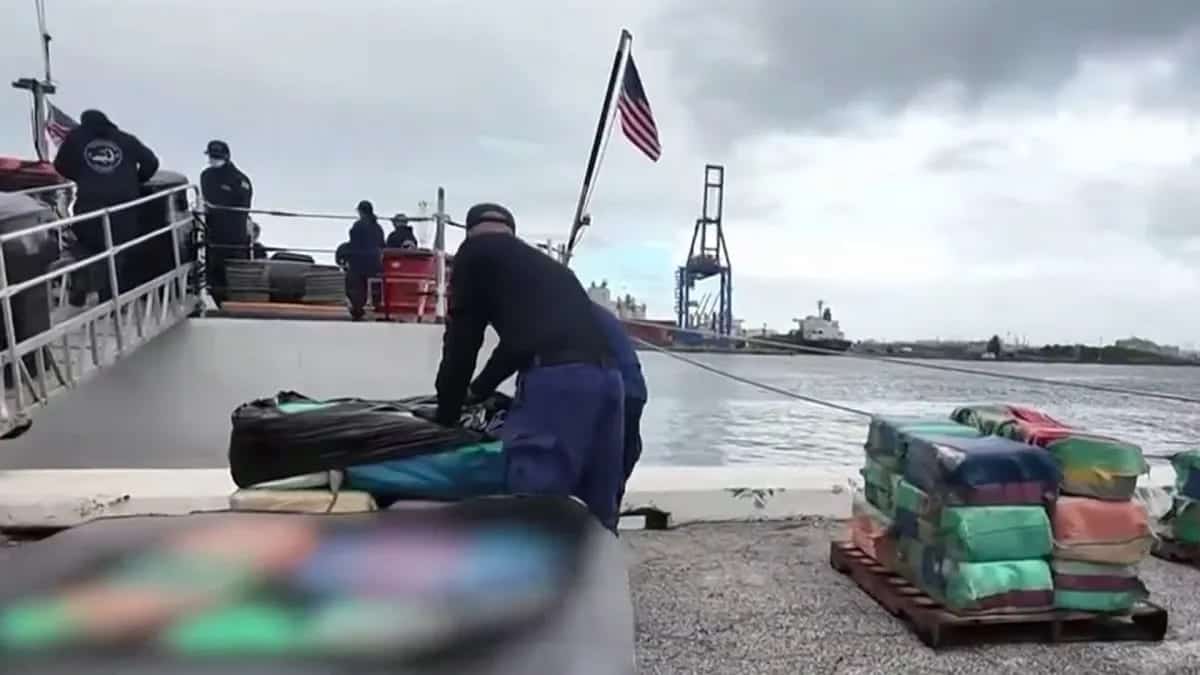
The crew of the Coast Guard Cutter Tahoma offloaded about 3,622 pounds of cocaine, worth an estimated $27 million, at Port Everglades in Fort Lauderdale on Wednesday, Nov. 4, and turned four detainees over to federal agents, the Coast Guard said. The drugs were seized in two separate interdictions in the Caribbean Sea, the latest haul to come ashore in Broward County as federal agencies press a stepped-up campaign against maritime smuggling routes that point toward Florida.
Federal agents took the four people into custody "pending further investigation," according to the Coast Guard statement reported by NBC 6 South Florida. Their names and nationalities were not released, and no charges had been announced as of Thursday.
What came ashore at Port Everglades
The Coast Guard said the offload stemmed from two interdictions in the Caribbean Sea that resulted in the seizure of the cocaine and the apprehension of the four detainees. Tahoma's crew carried the drugs into port, where they were handed to federal partners.
The Coast Guard has not released a full public breakdown of which vessel stopped which boat. Reports on the offload, including WFLA and a Coast Guard account posted by Caribbean News Global, identified additional units involved in the case: the crew of the Coast Guard Cutter William Trump and the Navy's USS Minneapolis-Saint Paul, which was carrying an embarked Coast Guard tactical law enforcement team. One account reported that the Minneapolis-Saint Paul and the law enforcement team interdicted a vessel about 100 miles south of the Dominican Republic. The Coast Guard did not specify the dates of the two interdictions in the public material reviewed by The Florida Press.
The Coast Guard framed the offload as part of its continuing effort to interdict illegal narcotics, disrupt transnational criminal organizations and keep dangerous drugs from reaching American communities. It said it works with "local, state, federal and international partners" to combat maritime drug trafficking.
A Key West task force behind the cases
Lt. John Colucci, commanding officer of the William Trump, credited the coordinated work of Joint Interagency Task Force South, U.S. Customs and Border Protection and the Coast Guard Southeast District, along with international partners, according to WFLA.
Joint Interagency Task Force South, based in Key West, is the hub that tracks suspected smuggling vessels across the Caribbean and eastern Pacific and passes targets to ships at sea. Interdictions in the Caribbean fall under the Coast Guard's Southeast District, headquartered in Miami, while those in the eastern Pacific are managed by the Southwest District in Alameda, California. The boarding and seizure at sea are carried out by Coast Guard crews, including law enforcement teams that deploy aboard Navy ships.
That chain explains why so many seizures from waters hundreds of miles away end up on a Fort Lauderdale pier. Port Everglades, along with Miami, is one of the main ports where cutters returning from Caribbean and Pacific patrols unload seized drugs and transfer suspects to federal prosecutors in South Florida.
A busy year for South Florida offloads
Wednesday's offload was smaller than several others this year. In April, the crew of the cutter Escanaba offloaded 7,050 pounds of cocaine worth more than $53 million at Port Everglades, from one interdiction in the Caribbean Sea and one in the eastern Pacific, NBC 6 reported at the time.
The Coast Guard has described its recent pace as historic. It said it seized more than 511,000 pounds of cocaine in 2025, more than three times its annual average. In August 2025, crews offloaded a record 76,140 pounds of narcotics, valued at about $473 million, at Port Everglades, the largest single offload in the service's history at the time.
A sample of recent Port Everglades offloads:
| Date | Cutter | Cocaine | Estimated value |
|---|---|---|---|
| Aug. 2025 | Record offload | 76,140 lbs of narcotics | About $473 million |
| April 27, 2026 | Escanaba | 7,050 lbs | More than $53 million |
| Nov. 4, 2026 | Tahoma | About 3,622 lbs | About $27 million |
Operation Pacific Viper and the wider campaign
Much of the Coast Guard's surge has been organized under Operation Pacific Viper, launched in August 2025 to target trafficking in the eastern Pacific. By late April 2026, the operation had resulted in more than 215,000 pounds of drugs seized and 160 suspected narco-traffickers arrested, according to NBC 6.
The Coast Guard's law enforcement work runs alongside a far more aggressive military campaign. Since September 2025, the Trump administration has carried out strikes on boats it says were smuggling drugs in the Caribbean and eastern Pacific, labeling those aboard "narcoterrorists." Those strikes are announced by U.S. Southern Command, headquartered in Doral in Miami-Dade County. In early October, Stars and Stripes reported that a strike in the Caribbean on Oct. 4 killed four people and that the campaign's death toll had reached at least 235 in 70 strikes. The military has not publicly provided evidence that the targeted boats were carrying drugs, and critics have questioned the strikes' legality.
The Coast Guard cases follow a different path. Instead of destroying vessels, crews board them, seize the cargo and detain the people aboard, who are then handed to federal agents and can face prosecution in U.S. courts, often in South Florida.
Why it matters for Florida
Florida sits at the end of the Caribbean smuggling corridor, and the state's coastline, ports and airports have long made it a target for traffickers moving cocaine north from South America. Each offload at Port Everglades or Miami represents drugs stopped well before reaching the state's shores, and many of the resulting cases land in federal court in Miami or Fort Lauderdale.
The detainees taken into custody Wednesday have not been publicly identified or charged.
What's next
Federal agents will determine whether to charge the four detainees, and any cases would move through the federal courts. The Coast Guard has given no sign that its tempo in the Caribbean will slow, and more offloads at Port Everglades are likely as cutters return from patrols through the winter. The Florida Press will update this story if the Coast Guard releases more details on the interdictions or if charges are filed.
Spotted an issue with this article?
Have something to say about this story?
Write us a letterComments
No comments yet. Be the first to weigh in.
Related Coverage
Mario Díaz-Balart Leads Nicole Locklin by Fewer Than 1,800 Votes in Redrawn 26th District as Race Stays Too Close to Call
22h ago
US Strikes Iranian Targets in the Strait of Hormuz on Election Eve, Putting Tampa's CENTCOM Back at the Center of the Iran War
1d ago
Haitian Gang Leader Tells AP He Asked the UN for Dialogue as Clashes Intensify, a Crisis Felt Deeply in South Florida
1d ago
Florida's Newly Naturalized Citizens Head to the Polls Amid Fears of Federal Agents and DHS Voter Probes
1d ago