Consumer Prices Rise 0.4% in October as Inflation Spreads Past the Gas Pump, Raising Odds of a December Fed Hike for Florida Borrowers
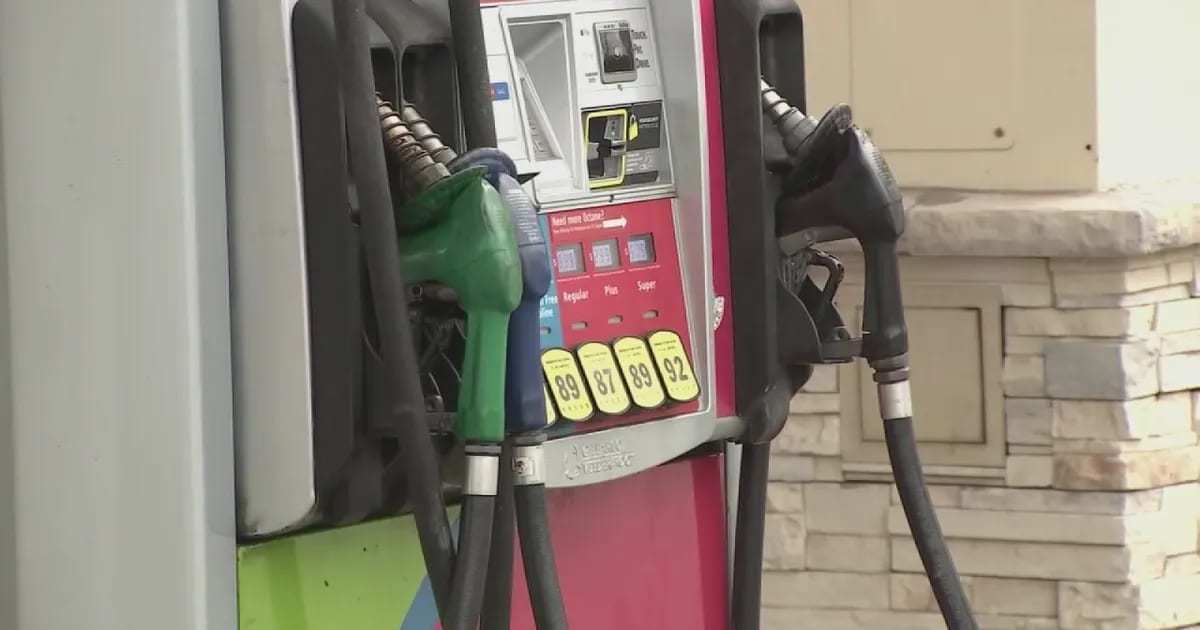
Consumer prices rose 0.4% in October on a seasonally adjusted basis, the U.S. Bureau of Labor Statistics reported Tuesday, Nov. 10, as higher costs spread from the gas pump into groceries, restaurant meals, electricity and auto insurance. Prices excluding food and energy rose 0.3% for a third straight month. For Floridians, the report matters less for any one line item than for what it signals: Federal Reserve officials are now openly discussing raising interest rates faster, which would push mortgage, auto loan and credit card costs higher in a state where buyers are already facing rates above 7%.
October's increase followed a 0.6% jump in September, when a 9.1% surge in gasoline drove most of the gain. This time energy rose a more modest 0.7%, but food climbed 0.5% after holding flat in September, and the BLS said shelter accounted for more than 30% of the monthly increase.
No annual rate this month
The release carried an unusual gap. The BLS did not publish a 12-month inflation rate for October because it never collected price data for October 2025, when a lapse in federal appropriations shut down the survey. Without that base month, the agency said it cannot calculate year-over-year changes for the all-items index or most categories.
Economists have tried to fill the hole with estimates. Riccardo Trezzi, a former Fed economist who founded the consulting firm Underlying Inflation, calculated that consumer prices rose about 4% from a year earlier, up from 3.7% in September, according to The Associated Press. He estimated core inflation at 2.8%, up from 2.6%. Those figures are private estimates, not official BLS numbers.
The BLS did publish a few 12-month comparisons where data exist. Gasoline prices were 37.4% higher than a year earlier, new vehicles were up 0.7% and used cars and trucks were down 3.3%.
Where prices rose in October
The monthly changes in the main categories, seasonally adjusted, compared with September:
| Category | October 2026 | September 2026 |
|---|---|---|
| All items | +0.4% | +0.6% |
| Core (excluding food and energy) | +0.3% | +0.3% |
| Food | +0.5% | 0.0% |
| Food at home | +0.4% | -0.1% |
| Food away from home | +0.5% | +0.2% |
| Energy | +0.7% | +5.2% |
| Gasoline | +1.0% | +9.1% |
| Electricity | +0.9% | +0.2% |
| Shelter | +0.3% | +0.4% |
Within shelter, rent rose 0.2% and owners' equivalent rent, the BLS measure of what homeowners would pay to rent their own homes, rose 0.3%. Motor vehicle insurance climbed 0.7%, medical care rose 0.3% and recreation jumped 0.8%. Used cars and trucks fell 1.2% and communication slipped 0.1%, among the few major categories that declined. Utility natural gas fell 0.8%.
The AP reported that electricity's 0.9% rise was the largest since April and that restaurant prices posted their biggest monthly gain since January 2024. Beef rose 0.9% after jumping nearly 14% in the first half of the year. Electronics, usually a source of falling prices, moved the other way: smartphone prices rose 1.4%, the largest monthly increase on record, computers rose 0.5% and televisions rose 3.3%, a shift economists have tied to the surge of spending on artificial intelligence data centers, which has driven up the cost of chips, power equipment and copper.
What it looks like in South Florida
The BLS also released its bimonthly index for the Miami-Fort Lauderdale-West Palm Beach area on Nov. 10. Prices there, not seasonally adjusted, rose 0.6% from August to October. Energy rose 2.7%, shelter 0.9% and food 0.5%, while core prices rose 0.5%. Gasoline in the metro area rose 4.9% over the two months, though it dipped 1.1% from September to October.
The local details showed where households felt it. Food away from home rose 1.6% over the two months, medical care rose 1.8% and owners' equivalent rent climbed 1.1%, while rent of primary residence was unchanged. Grocery prices overall were flat, with fruits and vegetables down 4.2% and cereals and bakery products up 3.4%. Household furnishings fell 4.1%. As with the national figures, the BLS could not publish a 12-month change for Miami. The last available annual reading, for August, showed area prices up 3.7% from a year earlier.
The Tampa-St. Petersburg-Clearwater index is published in odd-numbered months, so there is no October reading. Its latest release, for September, showed prices up 1.9% from a year earlier, with energy up 9.4% and shelter up just 0.2%. The next Tampa figures, for November, are due Dec. 10.
Gas has eased, but other costs have not
Florida drivers have seen some relief since the October survey period. AAA reported that the statewide average for regular gasoline was $3.80 a gallon on Sunday, Nov. 8, down 38 cents from a month earlier and 62 cents below a late-September peak of $4.42. The national average was $4.02. Oil prices have fallen in recent days on hopes that the Iran conflict is winding down.
Fed officials warned that cheaper oil will not necessarily cool everything else. Fed Governor Christopher Waller said in a London speech Tuesday that the cost of insuring tankers moving through the Strait of Hormuz has added as much as $20 to $30 a barrel to oil prices and that diesel is likely to stay expensive because of lost refining capacity, the AP reported. Higher diesel and shipping costs flow into what grocery stores and restaurants charge, which is the pattern October's report showed.
Fed officials talk about moving faster
The Fed kept its benchmark rate unchanged at its late October meeting, in a range of 3.75% to 4%, after raising it in September. October's report has shifted the conversation toward how fast the next increases come.
Before the data were released, Waller said that if monthly core inflation reached 0.3% or higher in October, the Fed should consider a half-point increase in December, double the usual quarter-point step. Core inflation came in at exactly 0.3%. Dallas Fed President Lorie Logan, a voting member of the rate-setting committee, said she supported two more quarter-point hikes and that the Fed could move more rapidly this winter than it had this fall. She pointed to persistent price increases for services such as doctor visits, child care, dining out and hotel stays. Philadelphia Fed President Anna Paulson said underlying inflation is above target and has not come down, though she said she favored gradual increases. Fed Governor Michelle Bowman said the latest data suggest price pressures may be broadening.
Futures prices tracked by CME FedWatch put the odds of a rate increase at the Dec. 8 and 9 meeting at about 90%, according to the AP, and expectations for a second hike in January rose to more than 64%.
What it means for Florida homebuyers and borrowers
Florida's housing market is sensitive to that outlook. Freddie Mac's weekly survey put the average 30-year fixed mortgage rate at 7.18% for the week ending Nov. 5, down from 7.24% the week before but nearly a full percentage point above the 6.22% average a year earlier. The 15-year fixed averaged 6.57%. Treasury yields rose Tuesday on expectations of more persistent inflation, and mortgage rates tend to follow those yields.
A faster series of Fed hikes would also raise rates on credit cards and home equity lines, which are tied more directly to the Fed's benchmark. For Florida households already absorbing higher costs for auto insurance, electricity and food, that adds a financing cost on top of the price increases themselves.
The economy itself remains firm. The unemployment rate stands at 4.1%, and the economy grew at a 3.4% annual rate in the third quarter, according to government data cited by the AP. That strength is part of why Fed officials see room to keep raising rates.
What's next
The timing is tight. The Fed's next meeting ends Dec. 9, one day before the BLS releases the November consumer price index on Thursday, Dec. 10. That means policymakers will decide on December rates with October's report as their latest full reading of consumer prices. The Miami-area index for December is scheduled for Jan. 13, 2027.
Spotted an issue with this article?
Have something to say about this story?
Write us a letterComments
No comments yet. Be the first to weigh in.
Related Coverage

Bukele Turns Haiti Gang Offensive Into Election Showcase as 2,500 Salvadoran Troops Fight Outside the UN Force, a War South Florida Haitians Watch Closely
1h ago
Ashley Moody Says Florida Has Now Recovered More Than $2.5 Billion in Delayed FEMA Reimbursements for 500-Plus Disaster Projects
2h ago

Trump Says Immigration Enforcement 'Might Be Too Tough' in First Interview Since Midterms, Putting Florida's Crackdown in the Spotlight
19h ago
IRS Sets 2027 Tax Brackets: Standard Deduction Rises to $33,200 for Couples, Child Tax Credit to $2,300. Here's What It Means for Floridians
22h ago