DeSantis Announces Expanded 2026 Red Snapper Seasons as Florida Wins Federal Management Approval
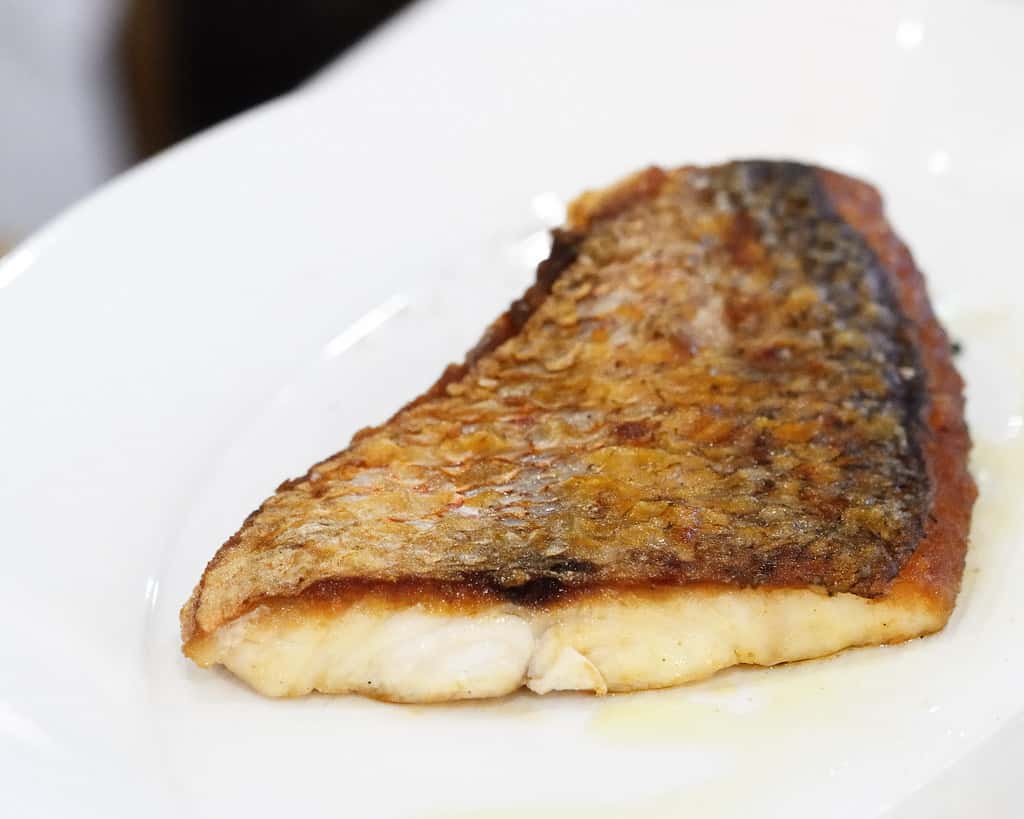
Florida is giving its anglers more days on the water this year. Governor Ron DeSantis announced expanded 2026 red snapper seasons for both the Gulf and the Atlantic, paired with federal approval that hands the state greater control over how Atlantic red snapper is managed. For a state where recreational fishing is a major economic engine and a cultural touchstone, the longer seasons and the shift toward state management mark a notable victory for the angling community.
What was announced
The announcement, made through the governor's office and the Florida Fish and Wildlife Conservation Commission, laid out expanded harvest seasons for red snapper in 2026 and applauded federal approval of state management for Atlantic red snapper. The combination addresses a long-running frustration among Florida anglers, who have argued that tightly limited federal seasons did not reflect the health of the fishery or the realities they observe on the water.
Red snapper is one of the most prized catches in Florida waters, sought by recreational anglers and charter operations alike. Seasons for the species are typically measured in days rather than months, which makes any expansion significant for the people and businesses that depend on the fishery. Longer seasons translate directly into more fishing trips, more charter bookings, and more spending across coastal communities.
The species commands that attention for good reason. Red snapper are prized for their size, their fight, and their value at the table, and a successful trip targeting them is a point of pride for many of the state's anglers. Because the fish are found over reefs and other structure in both the Gulf and the Atlantic, pursuing them often requires planning, fuel, and equipment, which is part of why even a modest extension of the season can generate an outsized economic response in the communities where anglers launch.
The federal approval for state management of Atlantic red snapper is the structural piece of the announcement. For years, Gulf states gradually gained more authority over their red snapper seasons, and bringing a similar approach to the Atlantic gives Florida wildlife managers more flexibility to set seasons based on state-level data and conditions rather than relying solely on federal calendars.
Why red snapper management matters
Red snapper has been one of the most contentious fisheries-management issues in the Southeast for more than a decade. Anglers have repeatedly clashed with federal regulators over season lengths, with fishermen arguing that the population is robust and that short seasons are overly cautious, while federal managers have cited stock assessments and the need to prevent overfishing.
The dispute is not merely about recreation. It reflects a broader debate over who should control access to a public resource and how scientific uncertainty should be weighed against economic impact. State management advocates argue that local managers, working with state-specific data, can craft seasons that are both sustainable and responsive to the people who fish those waters. Skeptics worry that loosening federal oversight could risk the long-term health of the stock if not paired with rigorous monitoring.
At the heart of the disagreement is a question about how to count fish that no one can fully observe. Stock assessments rely on a mix of survey data, harvest reporting, and modeling, and reasonable people can disagree about how to interpret the results. Anglers who spend their weekends pulling red snapper over the reefs tend to trust what they see, while managers responsible for the long-term health of the population tend to favor caution when the data leave room for doubt. State management is, in part, an attempt to narrow that gap by giving the people closest to the fishery a larger role in collecting and interpreting the numbers.
Florida's move toward state management of Atlantic red snapper places it at the center of that national conversation. The state has positioned itself as a leader in arguing that states are better suited to manage nearshore and regional fisheries, and federal approval validates that approach for one of the region's signature species.
The economic stakes for Florida
Recreational fishing is big business in Florida. The state markets itself as the fishing capital of the world, and saltwater angling supports a vast network of charter captains, bait and tackle shops, marinas, boat dealers, hotels, and restaurants. When a popular season expands, that spending flows into coastal economies from the Panhandle to the Atlantic coast.
For charter operators in particular, season length is a make-or-break variable. A longer red snapper season means more bookable days during the peak demand window, allowing businesses to capture revenue that short seasons leave on the table. The ripple effects reach fuel docks, restaurants, and the broader hospitality economy in fishing-dependent communities.
The math is straightforward for a small charter operation. Each additional open day is a chance to fill a boat, sell a trip, and send customers on to the restaurants, hotels, and shops that round out a fishing vacation. Short seasons compress demand into a narrow window and force captains to turn away bookings they could otherwise accept, while a longer season smooths that demand and lets businesses plan with more confidence. For families who run these operations, often across generations, the difference between a short season and a longer one can shape an entire year.
The benefits are geographically broad. The Gulf coast has long been the heart of Florida's red snapper fishery, but extending favorable management to the Atlantic side spreads the economic upside to communities along the state's eastern seaboard. That balance matters in a state where coastal tourism and outdoor recreation are central to local economies on both coasts.
The conservation question
Expanded seasons inevitably raise questions about sustainability, and responsible management requires balancing access against the long-term health of the stock. State managers will need to demonstrate that the data underpinning the longer seasons supports continued harvest at these levels, and that monitoring is robust enough to catch any signs of strain on the population.
Proponents of state management argue that states have a strong incentive to protect the resource because their own anglers and economies depend on it. They point to data-collection programs that aim to give managers a clearer real-time picture of harvest and stock health than federal estimates alone. The credibility of state management will rest on whether those programs deliver reliable numbers.
Environmental and some scientific voices urge caution, noting that red snapper stocks were depleted in the past and recovered only through disciplined management. The lesson they draw is that flexibility must be matched with accountability, and that expanded access should be revisited if monitoring shows the population is being pushed too hard. The coming seasons will serve as a test of whether Florida can have both more fishing days and a healthy fishery.
The history of the fishery is itself a cautionary tale that both sides invoke. The recovery of red snapper from earlier lows is often cited by managers as proof that strict limits work, and by anglers as proof that the population is now healthy enough to support more generous access. Both readings can be true at once, which is precisely what makes the management question so difficult. Sustaining a recovered fishery requires staying alert to early warning signs rather than waiting for a sharp decline, and the success of Florida's approach will depend on whether managers act on what the data show even when the news is unwelcome.
What it means for Florida anglers
For the state's anglers, the immediate takeaway is more opportunity. Expanded 2026 seasons mean additional days to target one of Florida's most sought-after fish, and the shift toward state management offers the prospect of seasons that better reflect local conditions in future years. Charter customers, weekend fishermen, and coastal businesses all stand to benefit.
Anglers should still pay close attention to the specific season dates, bag limits, and gear requirements set by the Florida Fish and Wildlife Conservation Commission, since red snapper rules are detailed and vary by region and by whether the harvest is in Gulf or Atlantic waters. Compliance remains essential both legally and for the sustainability that keeps the fishery open in the long run.
Those rules can be easy to overlook in the excitement of a longer season, but they are the mechanism that keeps the expanded access viable. Reporting requirements, in particular, take on added importance under state management, because the data anglers help generate feed directly into the assessments that justify the seasons. In a real sense, anglers who follow the rules and report their catches are participating in the management of the resource, not merely fishing under it.
The announcement also signals the state's continued commitment to advocating for angler access, a politically popular stance in a state with a deep fishing culture. For many Floridians, the ability to catch red snapper is not just recreation but part of a coastal way of life.
What's next
With federal approval in hand for Atlantic red snapper state management, the focus turns to implementation: setting precise seasons, collecting harvest data, and demonstrating that expanded access can coexist with a sustainable stock. The 2026 seasons will provide the first real-world test of the new arrangement on the Atlantic side.
Anglers and coastal businesses will watch the season closely, both to take advantage of the additional days and to see whether the data supports keeping the expanded approach in place. If state management proves successful, it could strengthen Florida's case for greater control over other fisheries as well. For now, the message to the state's fishing community is a welcome one: more days on the water in 2026, and a larger voice in how the fishery they depend on is managed for the years to come.
Spotted an issue with this article?
Have something to say about this story?
Write a letter to the editor


