Florida Marks Everglades Restoration Milestone as Accelerated EAA Reservoir Contracts Are Finalized
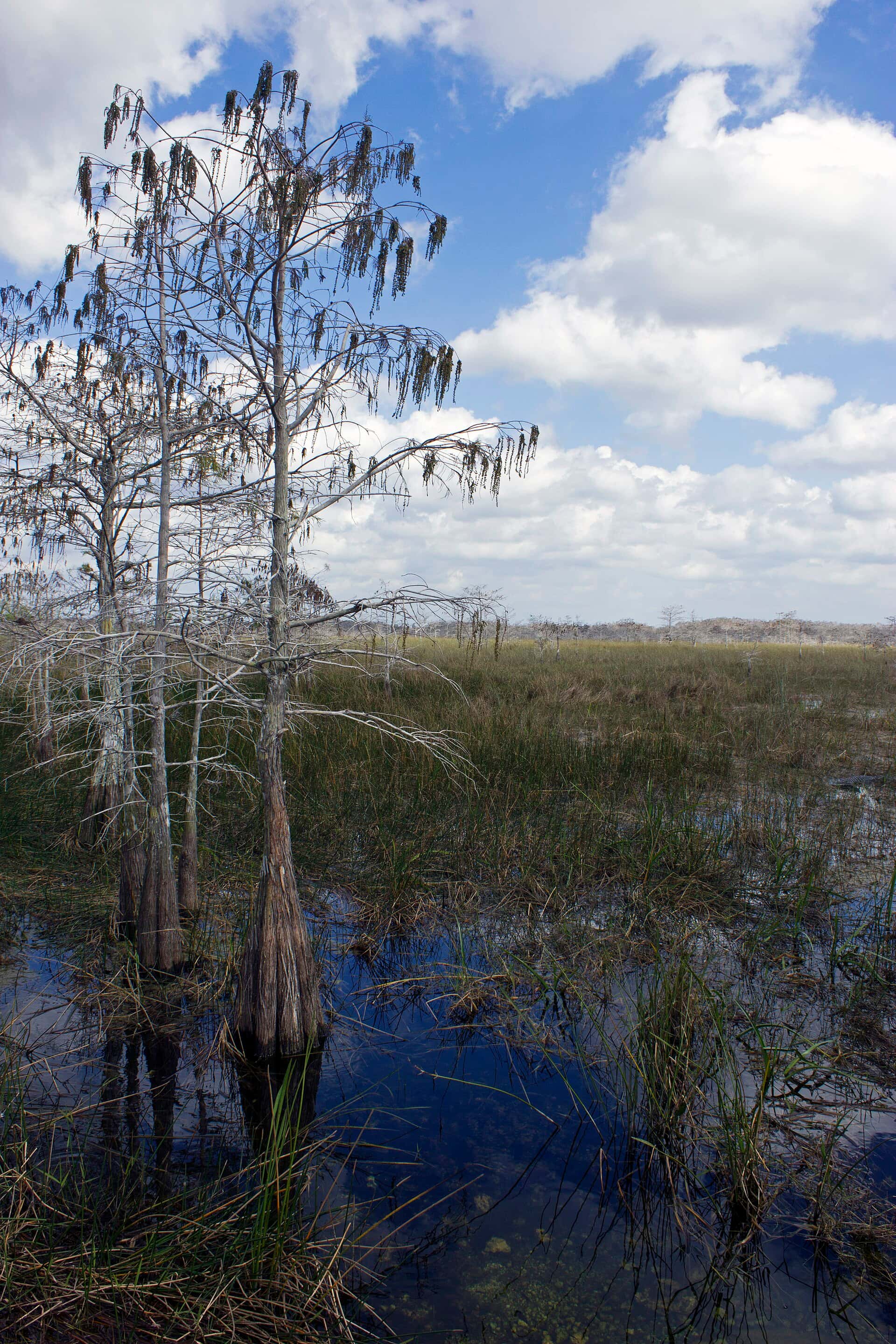
Florida officials are touting a significant milestone in the decades-long effort to restore the Everglades, announcing that all contracts have been executed to accelerate construction of the Everglades Agricultural Area Reservoir, a massive water storage project south of Lake Okeechobee. State leaders say the completed contracting positions the reservoir to be finished by 2029, years ahead of the original schedule.
The EAA Reservoir is a linchpin of the broader restoration program, designed to store and clean water that would otherwise be discharged to the coasts and instead send it south toward Florida Bay, mimicking the natural flow the Everglades evolved with. Its progress is closely watched because it addresses several of South Florida's most persistent environmental problems at once.
The announcement fits within a larger state commitment to Everglades funding, with lawmakers having directed hundreds of millions of dollars toward restoration in the current budget cycle. The reservoir's acceleration is presented as evidence that long-planned infrastructure is finally moving from blueprint to concrete and steel.
What the reservoir does
At its core, the EAA Reservoir is about water storage and treatment. It is designed to capture excess water from Lake Okeechobee, hold it and route it through treatment areas that remove nutrients before the cleaner water flows south through the remaining Everglades and ultimately into Florida Bay. That southward flow is central to the restoration vision.
Critical infrastructure is already under construction, including an inflow pump station capable of moving billions of gallons of water per day from Lake Okeechobee into the storage and treatment system. Moving water at that scale is essential to the project's function, allowing managers to redirect flows that would otherwise be sent east and west to the coasts.
Those coastal discharges have long been a source of environmental and economic harm. When Lake Okeechobee rises to dangerous levels, water is released to the St. Lucie and Caloosahatchee estuaries, contributing to algae blooms and ecological stress. Storing more water in the reservoir is intended to reduce the need for those damaging releases.
Why it matters for South Florida
The stakes for South Florida are substantial. The Everglades is not only an ecological treasure but also a functional part of the region's water system, helping recharge the aquifer that supplies drinking water to millions of residents. Restoration is therefore tied directly to water supply and to resilience against saltwater intrusion.
Officials have pointed to tangible signs of progress from restoration investments, including reports that storage capacity in South Florida has expanded significantly and that Florida Bay reached salinity targets for the first time in decades. Those markers, if sustained, indicate that the plumbing of the ecosystem is beginning to function closer to how it was intended.
Restored wetlands also deliver climate and carbon benefits, absorbing carbon dioxide and buffering communities against flooding and storm impacts. Research has highlighted the role of Everglades restoration in strengthening South Florida's resilience, linking the health of the ecosystem to the safety of the developed areas around it.
The funding behind the effort
State lawmakers have backed Everglades restoration with sizable appropriations, allocating hundreds of millions of dollars toward the effort in the latest budget. That funding supports not only the EAA Reservoir but a suite of related projects across the interconnected water system of central and southern Florida.
The financial commitment reflects a broad political consensus in Florida that Everglades restoration is a priority, one of the rarer issues that draws support across the usual divides. The ecosystem's ties to drinking water, flood control, tourism and fisheries give it a constituency that extends well beyond environmental advocates.
Accelerating the reservoir's timeline also carries a financial logic. Completing critical infrastructure sooner can bring benefits online earlier and, proponents argue, reduce the cumulative costs and damages associated with the status quo of coastal discharges and degraded water quality.
Wildlife and water quality
Among the beneficiaries of restoration are the iconic species that depend on healthy Everglades habitat, including manatees, wading birds and countless fish and invertebrates. Restoring natural water flows helps rebuild the seagrass beds and estuarine conditions that support the food web, with ripple effects throughout the region's wildlife.
Manatees in particular have drawn attention as advocates connect their fortunes to water quality and seagrass health. Restoration that improves the flow and cleanliness of water can strengthen the seagrass on which manatees feed, complementing separate efforts to replant seagrass in troubled waterways such as the Indian River Lagoon.
Nutrient pollution has been a driver of the algae blooms and seagrass die-offs that have plagued Florida waters. By treating water before it moves south and reducing harmful coastal discharges, the reservoir is intended to attack that problem at multiple points, improving conditions for both wildlife and people.
Challenges that remain
For all the progress, Everglades restoration remains a generational undertaking with formidable challenges. The system is vast and complex, and projects must be sequenced carefully so that changes in one area do not create problems elsewhere. Even an accelerated reservoir is one piece of a much larger puzzle.
Restoration also unfolds against a backdrop of continued development pressure, sea-level rise and the ever-present threat of major storms, all of which complicate the work. Sustaining the gains will require ongoing funding, maintenance and coordination among the many agencies involved at the state and federal levels.
Because the program spans decades and multiple administrations, its momentum depends on continued commitment. The completion of contracts and the acceleration of the reservoir represent forward motion, but the ultimate success of restoration will be measured over many years and many storm seasons to come.
A federal and state partnership
Everglades restoration is a joint undertaking between Florida and the federal government, structured under a comprehensive plan that divides responsibilities and costs between the two. That partnership has been essential to advancing projects of the scale the effort requires, though it has also introduced complexity, as the pace of work depends on funding and cooperation from both levels of government.
The acceleration of the EAA Reservoir has been tied to the execution of federally funded contracts, illustrating how the two sides must align to move projects forward. When the federal and state timelines synchronize, work can advance more quickly, while delays on either side can slow progress on the interconnected system.
Florida has in recent years committed substantial state funding to restoration, in part to keep projects moving regardless of the federal pace. That state investment has been credited with accelerating certain components, including the reservoir, and it reflects the priority Florida leaders have placed on the effort across administrations.
The stakes for water supply
Beyond its ecological benefits, Everglades restoration is closely tied to the water security of South Florida, one of the fastest-growing regions in the country. The Everglades helps recharge the aquifer that supplies drinking water to millions of residents, making the health of the ecosystem a matter of practical importance for the region's future.
Restoring natural water flows and increasing storage capacity also helps buffer the region against saltwater intrusion, a growing threat as sea levels rise and coastal aquifers face pressure. Pushing fresh water south through the system helps hold back the encroachment of salt water that can contaminate drinking-water supplies.
The connection between restoration and water supply gives the effort a constituency that extends well beyond environmental advocates, encompassing utilities, businesses and residents who depend on reliable water. That broad stake helps explain the sustained political support the Everglades effort has enjoyed in a state often divided on other issues.
A generational commitment
Everglades restoration is measured in decades rather than years, a generational undertaking whose full benefits will unfold over a long horizon. Milestones like the acceleration of the reservoir mark meaningful progress, but the broader effort requires sustained commitment across administrations, budgets and the inevitable challenges that arise in projects of such scale.
That long timeline places a premium on continuity, since interruptions in funding or coordination can slow the interconnected system. The consensus that has supported the effort in Florida has helped maintain momentum, but the work remains vulnerable to the pressures of competing priorities and shifting circumstances over time.
For the residents and ecosystems that depend on the outcome, the stakes justify the persistence. A restored Everglades promises benefits for water supply, wildlife, flood protection and climate resilience that extend well into the future, rewarding the patience and investment the effort demands.
Measuring progress over time
Assessing the success of Everglades restoration requires tracking a range of indicators over many years, from water quality and flows to the recovery of habitats and wildlife. Scientists monitor markers such as salinity levels, seagrass health and the abundance of key species to gauge whether the investments are producing the intended results.
Some encouraging signs have already emerged, including reports of improved storage capacity and progress toward salinity targets in Florida Bay. Those markers, if sustained, suggest that the system is beginning to function closer to how it was designed, though scientists caution that long-term trends matter more than any single measurement.
The reliance on data underscores the scientific foundation of the restoration effort, which is guided by research and modeling rather than guesswork. That rigor helps ensure that projects are sequenced effectively and that adjustments can be made as conditions and understanding evolve over the long course of the work.
What is next
With contracts finalized, construction of the EAA Reservoir is set to advance toward the targeted 2029 completion, and the ongoing work on the inflow pump station and related infrastructure will continue in the meantime. Each completed component brings the system closer to delivering its intended benefits.
Officials and scientists will monitor water quality, flows and ecological indicators to gauge whether the investments are producing the hoped-for results. Metrics such as Florida Bay salinity, seagrass recovery and reductions in harmful discharges will offer evidence of progress or signal where adjustments are needed.
For South Florida residents, the reservoir's progress is a reminder that the region's environmental and water challenges are being addressed through large-scale, long-term infrastructure. The Everglades remains both an ecological icon and a working part of the water system that sustains one of the fastest-growing parts of the country.
Spotted an issue with this article?
Have something to say about this story?
Write us a letterComments
No comments yet. Be the first to weigh in.
Related Coverage

Florida Panther Deaths Reach 14 in 2026 as Two Young Females Die on Collier and Hendry Roads
13h ago

71-Year-Old Man Killed by Nearly 12-Foot Alligator While Fishing at Winter Garden Park
2d ago

Extreme Drought Vanishes From Florida Map After a Week of Rain
3d ago

Record Sargassum Season Fades as Key West and UM Researchers Prepare for the Next Wave
Oct 11