DeSantis Calls Special Session to Push Sweeping Property Tax Cuts for Florida Homeowners
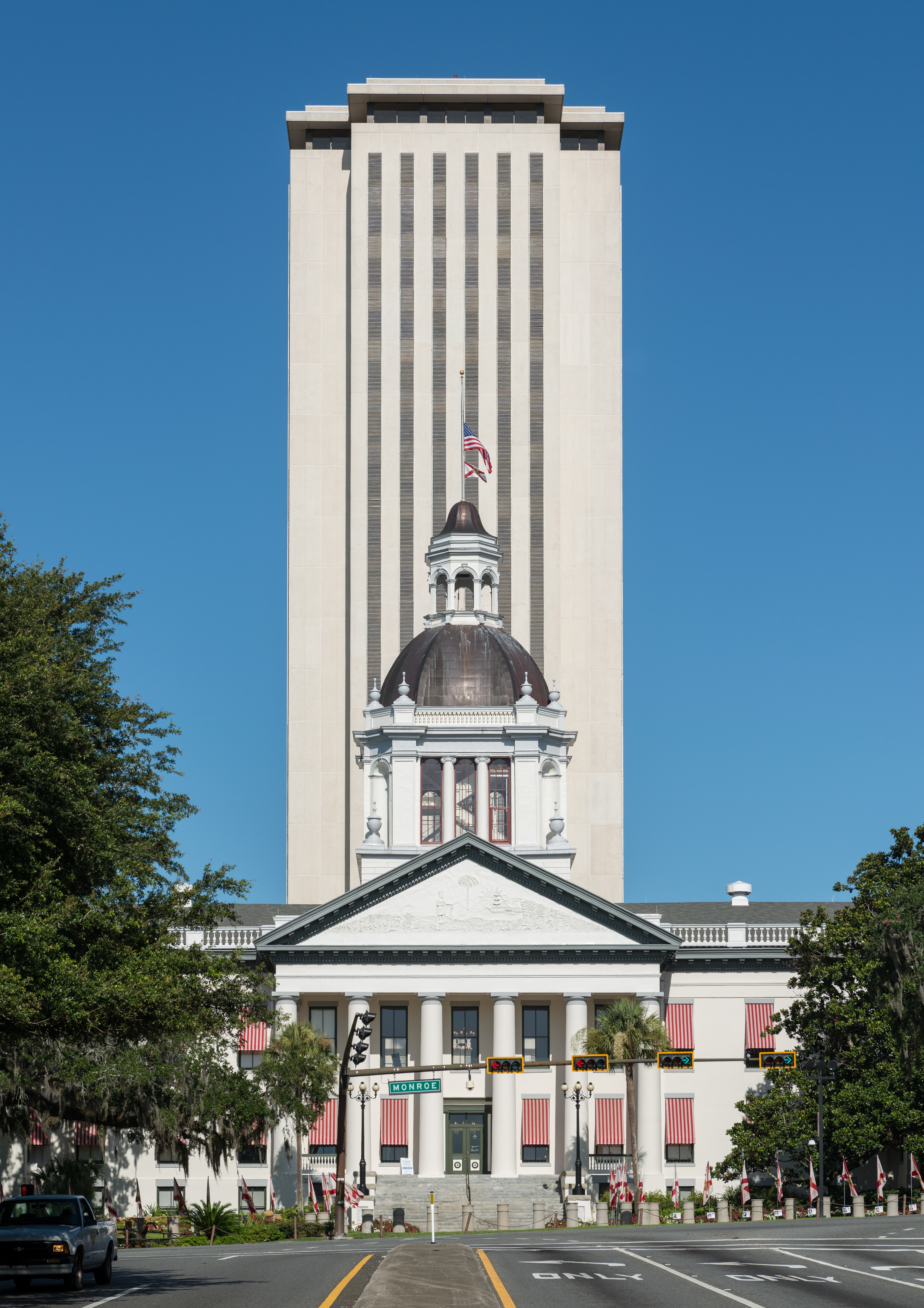
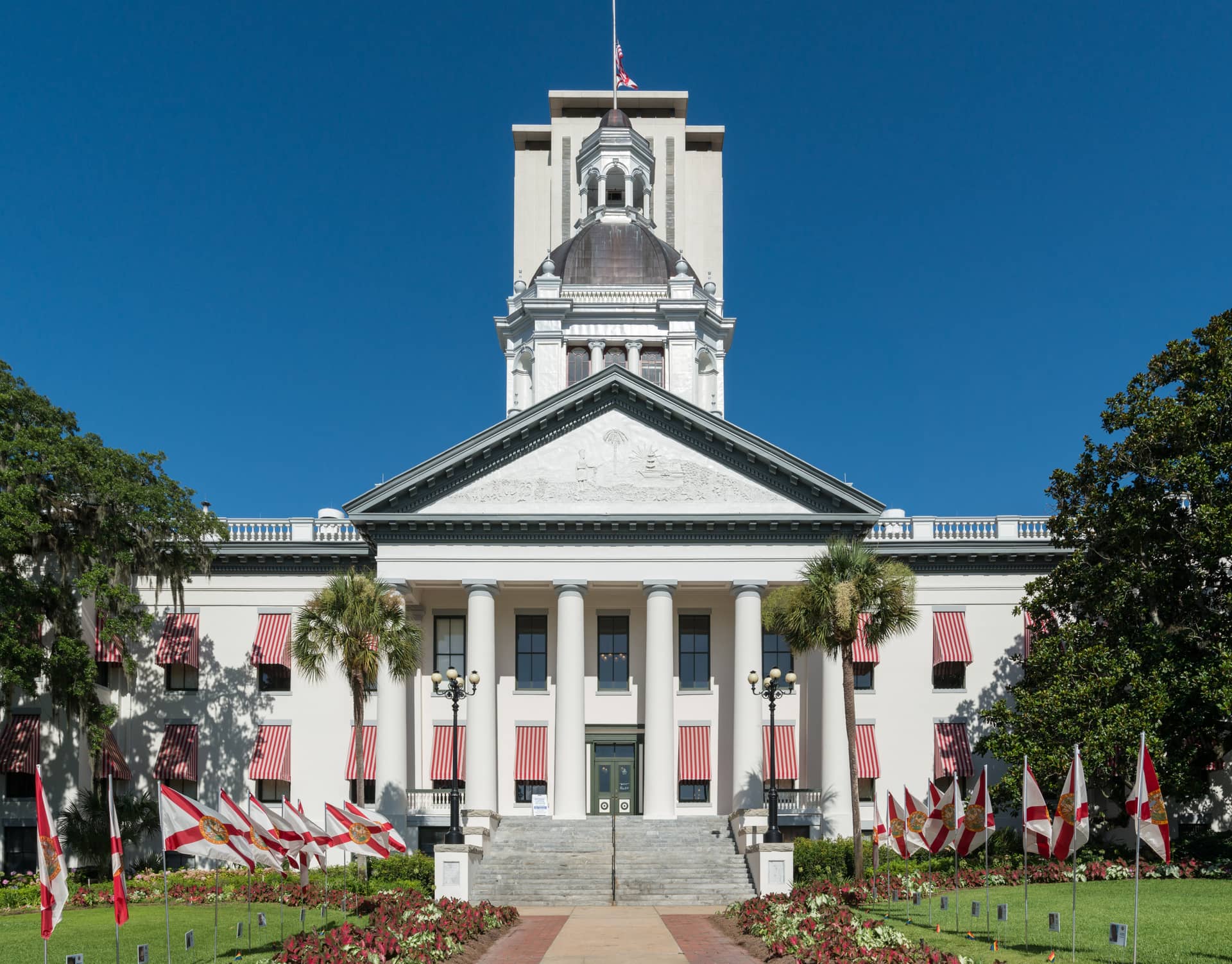
Governor Ron DeSantis has called the Florida Legislature into a special session to take up one of the most ambitious tax proposals of his tenure: a constitutional amendment that would dramatically cut, and eventually move toward eliminating, property taxes on owner-occupied homes. The session, announced in late May, was set to convene the week of June 1, with the governor's office describing the plan as a historic effort to relieve homeowners from what it calls excessive property tax burdens.
The proposal, branded Save Our Homes from Excessive Property Taxes, would exempt the first $250,000 of a homestead's assessed value from taxation and direct lawmakers to set a schedule, through general law, for fully eliminating property taxes on primary homes over time. If approved by lawmakers and then by voters, it would represent one of the largest changes to Florida's tax structure in a generation.
What the proposal would do
At its core, the plan raises the homestead exemption far above its current level. By exempting the first $250,000 of a homesteaded property's value, the proposal would, according to figures cited by the governor's office, eliminate property taxes entirely for roughly 60 percent of Florida homeowners. Raising the exemption threshold to $500,000, an option discussed as part of the broader push, would make about 92 percent of homesteaded residents property-tax-free.
The plan goes beyond a one-time exemption increase. It directs the Legislature to establish, through general law, a schedule for the full elimination of property taxes on homesteads, framing the immediate exemption as a first step toward a longer-term goal. It also includes guardrails on how local governments use the property tax revenue that remains, requiring those dollars to fund what the proposal defines as core public needs, including public safety, education and schools, infrastructure, and natural resources.
Other elements of the package address business and residency questions. The proposal would limit future property tax assessment growth on businesses to create a more stable environment for commercial property owners, and it would require people who establish Florida residency after January 1, 2027, to maintain residency for a period of years before qualifying for the increased homestead exemption, a provision aimed at directing the largest benefits to established Florida residents.
The path through the Legislature and the ballot
Because the plan would change the Florida Constitution, it faces a demanding approval process. A proposed constitutional amendment must clear both chambers of the Legislature with a 60 percent supermajority before it can be placed on the ballot. It then requires 60 percent approval from voters to take effect. The governor's stated goal is to win legislative approval during the special session and place the amendment before voters in the fall.
That two-step threshold means the special session is only the first hurdle. Even if lawmakers approve the language, the measure would still need a broad consensus among voters, a bar that has stopped other high-profile amendments in Florida. The 60 percent voter requirement, itself a product of an earlier constitutional change, was designed to ensure that only proposals with wide support become part of the constitution.
The compressed timeline of a special session also raises the stakes for lawmakers, who must weigh a far-reaching change to local government finance under tight constraints. Special sessions are typically short and focused, and the property tax measure is complex, touching local budgets, school funding and the basic relationship between the state and Florida's counties and cities.
The Florida context
Property taxes have become a flashpoint in Florida as home values surged over the past several years. Rising assessments pushed up tax bills even for longtime homeowners, and the combination of higher property taxes, climbing insurance premiums and elevated mortgage rates has strained household budgets across the state. The governor has framed the proposal as a direct response to that pressure, casting it as a way to let Floridians keep more of the value of their homes.
The plan also fits within a broader national debate about the property tax as a revenue source. Property taxes are the primary funding mechanism for local governments and public schools in Florida, which is part of what makes the proposal so consequential. Eliminating or sharply reducing that revenue raises immediate questions about how essential local services would be funded, questions the proposal's core-services and trust-fund provisions are intended to address.
Local officials and school districts have a significant stake in the outcome, since property taxes underwrite police and fire services, schools, roads and other core functions. How the state would backfill lost local revenue, and whether such backfill would be reliable over the long term, is among the central questions lawmakers will weigh during the session and that voters would consider if the measure reaches the ballot.
Reaction and the debate ahead
The proposal landed as a defining issue for the political season, drawing both enthusiasm from supporters who see relief for overburdened homeowners and caution from those worried about the effect on local services. Supporters argue that Florida's strong revenue position and growing population give the state room to rethink how it funds local government, and that homeowners deserve relief after years of rising bills.
Skeptics, including some local government advocates, have raised concerns about the durability of any state commitment to replace lost property tax revenue and about the long-term effects on schools and public safety budgets. The debate echoes a recurring tension in Florida governance between state-level tax relief and the local governments that deliver day-to-day services. Those concerns are likely to dominate the legislative discussion and any subsequent campaign over the amendment.
The governor's office, for its part, has emphasized the breadth of the relief, pointing to the large share of homeowners who would see their property tax bills eliminated entirely under the higher exemption thresholds. The framing positions the measure as a sweeping benefit to ordinary homeowners rather than a narrow carve-out.
What it means for Floridians
For homeowners, the immediate question is how much the proposal would actually save them, and that depends on the value of their home and the final exemption level lawmakers adopt. Under a $250,000 exemption, owners of more modest homes could see their property tax obligation wiped out entirely, while owners of higher-value homes would see the first portion of their value shielded. A $500,000 threshold would extend full relief to the large majority of homesteaded properties.
For renters, the effects are less direct but still real. Property taxes are a cost that landlords pass through in rent, so changes to the tax structure could, over time, influence the rental market, though the relationship is indirect and would unfold gradually. The residency requirement for new arrivals also signals that the largest benefits are aimed at established residents rather than recent transplants.
For users of local services, from public schools to police and fire departments, the key question is how those services would be funded if property tax revenue falls. The proposal's requirement that remaining property tax dollars go to core services, and its trust-fund mechanism to assist local governments, are designed to answer that concern, but the practical details would be worked out in the legislative and implementation process.
How Florida funds its local governments
To understand the magnitude of the proposal, it helps to understand how central property taxes are to local government in Florida. Counties, cities, school districts and special taxing districts rely heavily on property tax revenue to fund the services residents use every day, from law enforcement and fire protection to public schools, parks, libraries and road maintenance. Removing or sharply reducing that revenue source forces a fundamental rethinking of how those services are paid for.
The proposal attempts to address this through several mechanisms. It would require that the property tax revenue local governments continue to collect be devoted to core public needs, defined to include public safety, education and schools, infrastructure and natural resources. And it would establish a trust fund to provide grants to local governments to help them maintain core services as property tax revenue declines, an acknowledgment that elimination cannot happen without a replacement mechanism.
Whether such a replacement would prove adequate and durable is among the central questions facing lawmakers. State revenue can fluctuate with the economy, and local officials have voiced concern about depending on state grants in place of a stable local tax base. The reliability of any backfill over the long term, through economic downturns and changing political priorities, is a key uncertainty that the legislative process would need to confront.
The proposal also raises questions about equity among Florida's diverse communities. Property values, tax bases and service needs vary enormously across the state, from dense urban counties to rural areas, and a uniform statewide change interacts differently with each. How the transition would affect a fast-growing suburban county versus a rural one with a small tax base is the kind of detail that would shape the real-world effects of the amendment if it becomes law.
What's next
The special session is the first test of whether the proposal can clear the Legislature's supermajority requirement. If lawmakers approve the amendment language, attention would shift to the fall ballot and a statewide campaign in which both supporters and opponents would make their case to voters, who hold the final 60 percent threshold.
Even approval at the ballot would be the beginning rather than the end. The proposal directs the Legislature to write the general law that sets the schedule for further reductions and defines how local governments adapt, work that would extend well beyond a single session. For now, the special session puts one of the most consequential tax questions in recent Florida history at the center of state politics, with homeowners, local governments and schools all watching closely.
Spotted an issue with this article?
Have something to say about this story?
Write a letter to the editor