Florida Highway Patrol Charges Bradenton Driver With DUI Manslaughter in Death of Pasco Road Ranger
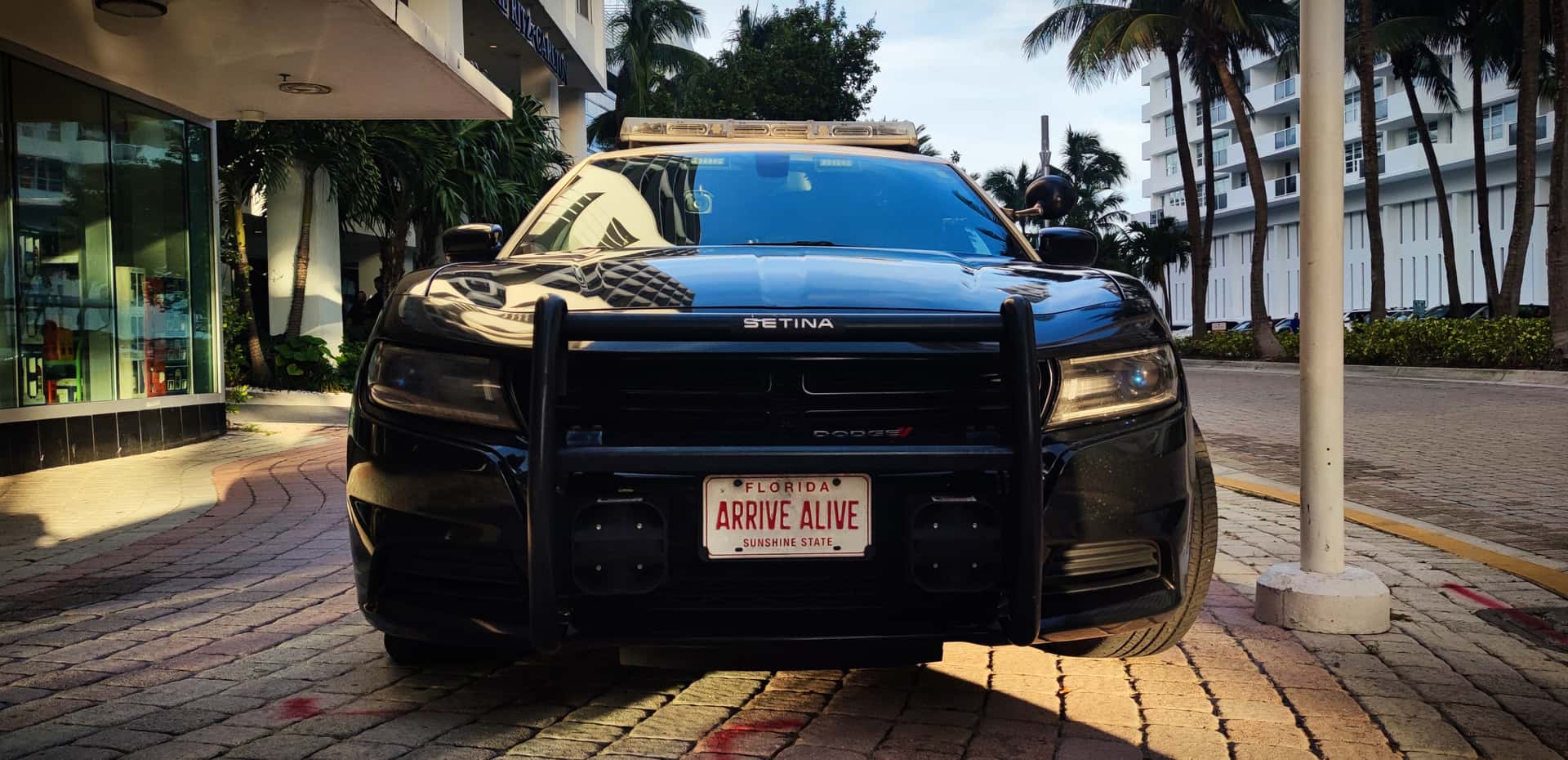
A 24-year-old Florida Department of Transportation Road Ranger from Brandon was struck and killed while helping set up a lane closure on Interstate 75 in Pasco County on or around July 13, 2026, and the Florida Highway Patrol has arrested a Bradenton man on a charge of DUI manslaughter in connection with the death. Troopers identified the driver as Darren Christopher Jenkins, 40, who is accused of striking the worker as the roadside crew was closing off part of the interstate north of Tampa.
The case has drawn attention across the Tampa Bay region because of the loss of a young highway worker and because of the details troopers have reported about the driver's alleged impairment. According to the Florida Highway Patrol, Jenkins provided a breath sample measured at 0.334, a figure troopers say is far above Florida's legal limit of 0.08. That reported result remains an allegation, and Jenkins is presumed innocent unless and until the state proves the charge in court.
For Florida, the death underscores a persistent and deadly hazard faced by the workers who keep the state's highways moving. Road Rangers patrol the busiest corridors to help stranded motorists, clear debris, and manage lane closures, often standing just feet from fast-moving traffic. The case has renewed longstanding concerns about roadside-worker safety and about compliance with the state's Move Over law, which requires drivers to slow down and change lanes for stopped service and emergency vehicles.
What Troopers Say Happened on Interstate 75
The Florida Highway Patrol said the Road Ranger was working to set up a lane closure on Interstate 75 in Pasco County when he was struck. Lane closures of that kind are routine but dangerous operations, requiring workers to place cones and signage and to position service vehicles while traffic continues to pass at highway speed. The worker was fatally injured in the incident, according to troopers.
Troopers arrested Jenkins on a charge of DUI manslaughter, a felony under Florida law that applies when a person is accused of causing a death while driving under the influence. The Florida Highway Patrol said the arrest followed its investigation at the scene on the interstate in Pasco County, which sits just north of the Tampa metropolitan area along one of the region's primary north-south arteries.
Central to the case is the breath-test result troopers have reported. According to the Florida Highway Patrol, Jenkins provided a breath sample measured at 0.334, more than four times the 0.08 threshold at which a driver is presumed impaired under state law. Troopers have presented that reading as part of the basis for the charge, though it has not been tested in court and stands as an allegation at this stage of the case.
The victim, a 24-year-old from Brandon, and the accused driver, a 40-year-old from Bradenton, both came from the greater Tampa Bay area, giving the case a distinctly local resonance. Brandon lies just east of Tampa in Hillsborough County, while Bradenton sits to the south in Manatee County, and the crash occurred to the north in Pasco County, tying together three corners of the region.
Who the Road Rangers Are
The Road Ranger Service Patrol is a free highway assistance program operated through the Florida Department of Transportation, and its workers are a familiar sight on the state's most heavily traveled roads. The program is designed to help keep traffic moving and to assist motorists who find themselves stranded, offering services that most drivers never think about until they need them.
Road Rangers provide a range of roadside help, including changing flat tires, jump-starting dead batteries, providing small amounts of fuel, and helping to clear disabled vehicles and debris from travel lanes. By quickly addressing breakdowns and hazards, the patrols reduce the secondary crashes that often occur when traffic backs up behind an obstruction or when a stopped vehicle sits in or near a live lane.
The work also places Road Rangers directly in harm's way. Setting up lane closures, assisting disabled vehicles, and removing debris frequently require workers to be out of their trucks and on the pavement, only a short distance from vehicles traveling at 70 miles per hour or more. That exposure is a defining feature of the job and a constant source of risk, particularly on interstates like I-75 that carry dense, high-speed traffic through the Tampa Bay region.
Because the service is free and widely used, Road Rangers occupy a trusted role in Florida's transportation system, and the death of a young patrol worker has resonated with motorists who rely on the program. The case is a reminder that those who respond to roadside emergencies face many of the same dangers as the stranded drivers they help.
Florida's Move Over Law
Florida's Move Over law requires drivers to slow down and, when possible, move over a lane for stopped emergency and service vehicles, including the trucks used by Road Rangers. The law is intended to create a buffer of space and reduced speed around workers and responders who are stopped along the roadway, and it applies to the kind of roadside operation that was underway when the Pasco County worker was struck.
Under the law, drivers approaching a stopped emergency or service vehicle with displayed warning lights are generally expected to vacate the lane closest to that vehicle if it is safe to do so. When changing lanes is not possible because of traffic or other conditions, drivers are required to slow to a speed below the posted limit. The requirements are meant to protect the people who work and respond along the shoulder and in closed lanes.
State officials and safety advocates have long emphasized that compliance with the Move Over law is uneven, and that many drivers either are unaware of the requirement or fail to follow it. Roadside workers and law-enforcement agencies have repeatedly warned that inattentive, speeding, or impaired drivers pose a grave threat to anyone stopped along a highway, and that even a moment of failure to slow down or move over can be fatal.
The Pasco County case highlights the stakes behind the law. A Road Ranger performing a routine lane closure was killed in the course of his work, and the Florida Highway Patrol's allegations point to an impaired driver as the cause. The circumstances speak directly to the conditions the Move Over law was written to guard against, even as the specific facts remain subject to the court process.
The DUI Manslaughter Charge
DUI manslaughter is among the most serious charges brought in Florida traffic cases, applying when a person is accused of causing the death of another while operating a vehicle under the influence. As a felony, it carries the potential for substantial prison time and other penalties upon conviction, reflecting the gravity that state law assigns to fatal impaired-driving cases.
The charge against Jenkins rests on the allegation that he was impaired when the Road Ranger was struck, and troopers have cited the reported breath-test result as part of that allegation. The Florida Highway Patrol said the breath sample measured 0.334, a level troopers describe as far exceeding the 0.08 limit. That figure, and the broader claim of impairment, will have to be established through the legal process before any finding of guilt.
Throughout the proceedings, Jenkins is entitled to the presumption of innocence, and the charge represents an accusation rather than a determination of responsibility. He is accused of DUI manslaughter, and the state bears the burden of proving the allegation. The reported breath reading, while central to the troopers' account, is an allegation that the defense may contest and that a court has not evaluated.
Cases of this kind typically move through a sequence of court appearances that can include an initial appearance, the formal filing of charges by prosecutors, and pretrial proceedings before any resolution. The path from arrest to conclusion can be lengthy, and the specifics of how the case against Jenkins will proceed will unfold in the Pasco County court system in the weeks and months ahead.
Impaired Driving and Enforcement in Florida
Impaired driving remains a persistent enforcement priority for the Florida Highway Patrol and other agencies across the state, and cases involving alleged high breath-test readings draw particular concern because of the danger they represent. The charge in the Pasco County case places the incident within a broader pattern of impaired-driving enforcement that troopers pursue on Florida's highways.
Florida sets the threshold for presumed impairment at a breath-alcohol level of 0.08, and readings above that level form a common basis for driving-under-the-influence charges. The 0.334 figure troopers reported in this case is, by their account, more than four times that limit, and the Florida Highway Patrol has presented it as an indicator of severe alleged impairment, though it remains untested in court.
Enforcement against impaired driving takes on added weight when it intersects with roadside work zones, where the margin for error is especially thin. An impaired driver who fails to slow down or move over presents an acute threat to workers and responders, and cases combining an impaired-driving allegation with a roadside-worker death sit at the intersection of two areas of sustained safety concern in the state.
For the Tampa Bay region and for Florida more broadly, the case serves as a stark example of the consequences that authorities associate with impaired driving. While the specific allegations against Jenkins await adjudication, the incident has reinforced the emphasis that state agencies place on deterring and prosecuting impaired driving, particularly where it endangers those who work along the roads.
A Loss Felt Across Tampa Bay
The death of the 24-year-old Road Ranger has been felt across the Tampa Bay area, where the victim, the accused driver, and the crash site each connect to a different part of the region. The worker was from Brandon in Hillsborough County, an eastern suburb of Tampa, and his death has drawn attention to the human cost borne by the people who staff Florida's highway assistance patrols.
The crash occurred on Interstate 75 in Pasco County, a fast-growing area north of Tampa that relies heavily on the interstate for daily commuting and commerce. I-75 is a major corridor through the region, and lane closures and roadside operations along it are common, placing Road Rangers and other workers in regular proximity to heavy, high-speed traffic.
The accused driver, Jenkins, is from Bradenton in Manatee County, to the south of the Tampa Bay core. The geographic spread of the case, reaching from Manatee County through Hillsborough County to Pasco County, underscores how a single incident on a shared regional highway can touch multiple communities across the bay area at once.
Roadside-worker safety advocates and transportation officials have long pointed to cases like this one when urging drivers to stay alert, avoid impairment, and comply with the Move Over law. The loss of a young worker performing a routine task has, in general terms, added weight to those appeals, even as the legal responsibility for the death remains a matter for the courts to decide.
What's Next
The case now moves into the Pasco County court system, where the DUI manslaughter charge against Jenkins will proceed through the standard steps of a Florida felony prosecution. Those steps can include an initial court appearance, the formal filing of charges by prosecutors, and a series of pretrial proceedings, with the state carrying the burden of proving the allegation and Jenkins retaining the presumption of innocence throughout.
Key questions that lie ahead include how the reported breath-test result will be handled as evidence and whether the defense will contest it, along with the other facts troopers have alleged about the crash. The Florida Highway Patrol's investigation forms the foundation of the state's case, and the details of that investigation are likely to be examined closely as the matter advances toward resolution.
Beyond the courtroom, the incident is expected to renew broader calls for roadside-worker safety and for stronger compliance with the Move Over law. In general terms, safety advocates and transportation officials frequently use fatal work-zone cases to press drivers to slow down, move over, and never drive impaired, and the death of the Pasco County Road Ranger has given fresh urgency to those familiar messages across Florida.
For now, the outcome of the case remains undetermined, and the charge against Jenkins stands as an accusation that the courts will weigh. The Florida Highway Patrol has said its investigation supports the DUI manslaughter charge, but the ultimate resolution, and any final account of responsibility for the young worker's death, will be settled through the legal process in the months to come.
Spotted an issue with this article?
Have something to say about this story?
Write us a letterComments
No comments yet. Be the first to weigh in.
Related Coverage

Leo Govoni special needs trust fraud trial pushed to May 2027 as families wait for missing $100 million
1h ago

Woman, 21, Charged in Fatal Dania Beach Hit-and-Run on Sheridan Street, BSO Says
22h ago

Punta Gorda Publix Box-Cutter Attack Suspect Was Released From Mental Health Court Probation in July
1d ago
St. Johns County deputies say plate readers led them to armed bank robbery suspect within minutes
1d ago