DeSantis Says Florida Fentanyl Deaths Fell Nearly 60% Since 2023, Crediting State's Trafficking Crackdown
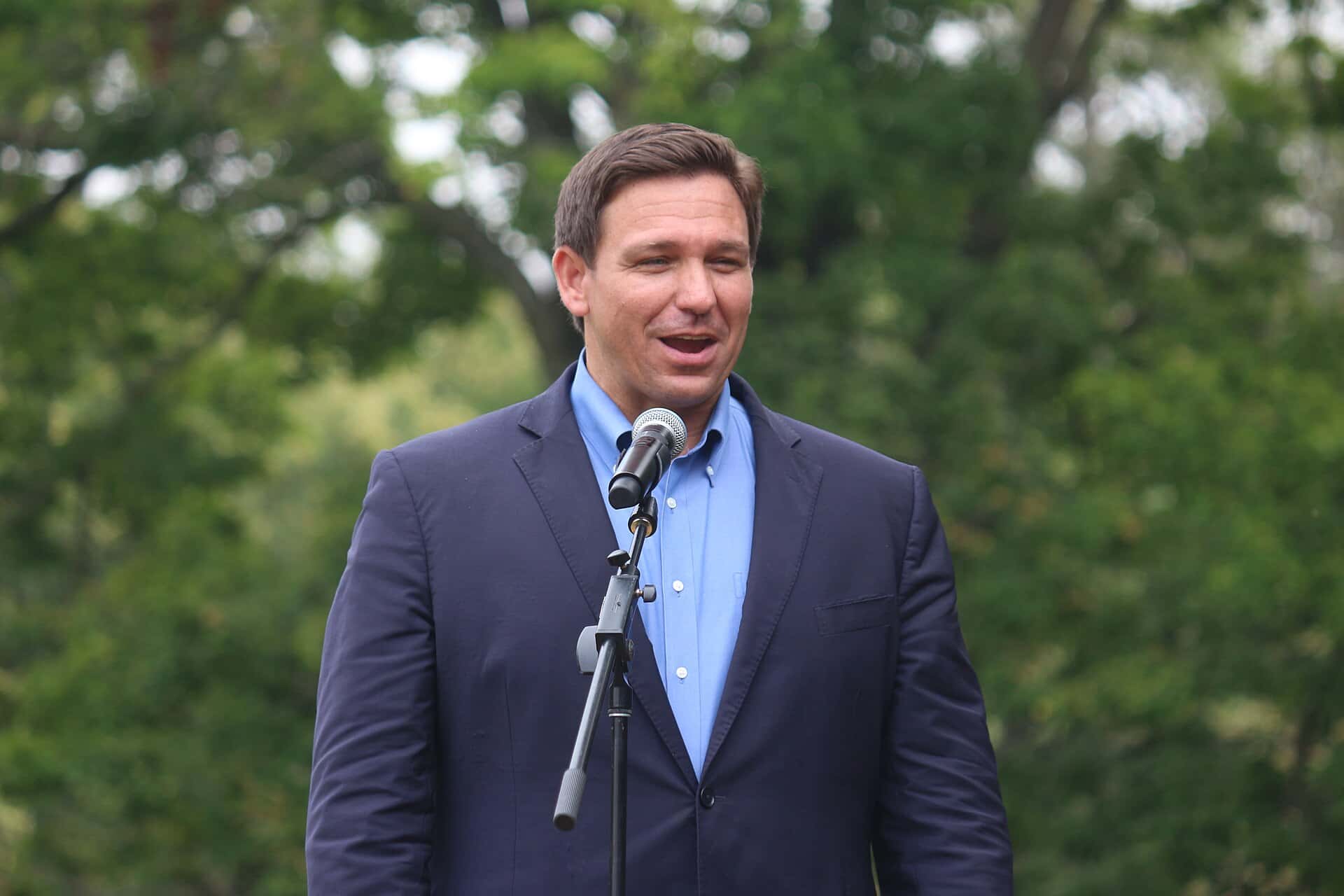
Deaths caused by fentanyl in Florida have dropped by nearly 60% since 2023, Gov. Ron DeSantis announced Tuesday, Oct. 20, at a news conference in Orlando. Citing the Florida Medical Examiners Commission's 2025 Annual Drug Report, the governor's office said fentanyl caused nearly 5,000 deaths in the state in 2023 and about 2,000 in 2025, roughly 3,000 fewer deaths a year.
DeSantis credited the State Assistance for Fentanyl Eradication grant program, known as S.A.F.E., which the state created in 2023 to pay for large drug-trafficking investigations by local and state police. "Fentanyl-caused deaths in Florida have declined by nearly 60% since we launched the S.A.F.E. grant program in 2023," DeSantis said in a release issued with the announcement.
What the 2025 report shows
The Medical Examiners Commission, which is staffed by the Florida Department of Law Enforcement, compiles an annual report on drugs found in people who died in Florida. According to the governor's office, fentanyl-caused deaths fell 37% from 2024 to 2025 alone, and deaths caused by fentanyl analogs, chemically similar drugs, fell by more than 50%.
The report also found declines across other drug categories between 2024 and 2025, according to the governor's release:
- Total drug-related deaths fell 12%.
- Opioid-caused deaths fell 33%.
- Cocaine-caused deaths fell 16%.
- Methamphetamine-caused deaths fell 23%.
The Florida Phoenix, which reviewed the commission's reports, reported that the 2025 report counts 4,094 opioid-related deaths, a 24% drop from the year before, and 2,494 opioid-caused deaths. The 2024 report counted 5,378 opioid-related deaths and 3,726 opioid-caused deaths.
The two terms measure different things. A death is counted as drug-related when the drug is found in the person's system, whether or not it contributed to the death. A death is counted as drug-caused when the medical examiner, after reviewing the autopsy, toxicology results and other evidence, determines the drug played a causal role. The fentanyl figures DeSantis cited are drug-caused deaths.
Fentanyl deaths by year
The table below draws the fentanyl figures from the commission's annual reports and from state officials' public statements.
| Year | Fentanyl-caused deaths | Source of figure |
|---|---|---|
| 2021 | 5,791 (peak) | FDLE Commissioner Mark Glass, May 2026 |
| 2023 | 4,962 | 2023 annual report |
| 2024 | Down 35% from 2023 | 2024 annual report |
| 2025 | About 2,000, down 37% from 2024 | 2025 annual report, per governor's office |
The 2023 total of 4,962 was itself a 12% decline from 2022 and the lowest since 2019, according to the commission's 2023 report as reported by WKMG. The new full-year figures follow an interim report released in May, which covered January through June 2025 and showed fentanyl-caused deaths down 46% and total drug-related deaths down 19% compared with the same months a year earlier.
What the S.A.F.E. program has funded
The S.A.F.E. program gives grants to law enforcement agencies for fentanyl and drug-trafficking cases. The Legislature appropriated more than $22.5 million for the program in the 2026-27 state budget, according to the Florida Phoenix, and every law enforcement agency in Florida can apply. The money can pay for overtime, travel, investigative supplies, approved equipment, contractual services and training. The program started with a $15 million allocation in 2023, according to FOX 35 Orlando.
According to the governor's office, investigations supported by S.A.F.E. have led to nearly 3,000 arrests and the seizure of more than 600 pounds of fentanyl, more than 65,000 fentanyl pills, nearly 800 pounds of cocaine, nearly 2,600 pounds of marijuana, more than 520 pounds of methamphetamine, more than $6.6 million in cash, nearly 1,000 firearms and 90 vehicles.
The state highlighted three recent cases it said were part of that effort:
| Month | Operation | Agencies | Reported result |
|---|---|---|---|
| July | Hall of Fame | Pinellas County Sheriff's Office, FDLE | Nine arrests; 60 kilograms of cocaine seized |
| September | End of Worlds | Polk County Sheriff's Office, FDLE, Auburndale police | 39 arrests; 4.5 pounds of fentanyl seized |
| October | Ice Breaker | FDLE, Palm Beach County Sheriff's Office, DEA, statewide prosecutors | 25 people charged; more than 100 pounds of cocaine seized |
In the Palm Beach County case, 19 of the 25 people charged had been arrested at the time of the announcement, the governor's office said. The people charged in these operations are presumed innocent unless convicted.
What state officials said
DeSantis appeared with FDLE Commissioner Larry Keefe and Sara Carter, director of the White House Office of National Drug Control Policy, according to the Florida Phoenix. The governor said Florida had sent traffickers a deterrence message and that anyone dealing the drug in the state would regret it. He also said the state has reason to believe deaths have continued to fall since the 2025 data was collected, and he credited First Lady Casey DeSantis for school programs meant to curb demand.
Keefe said in the release that agents and partners work every day to disrupt the flow of fentanyl and other drugs into Florida communities, and that the progress reflects their work and the governor's support for programs like S.A.F.E.
Other explanations for the decline
Florida's drop tracks a national one. The U.S. Centers for Disease Control and Prevention has reported falling overdose deaths for three years, with about 70,000 Americans dying of overdoses in the 12 months ending December 2025, the lowest level since 2019, according to a News Service of Florida report published by WUSF in May.
Harm reduction advocates and researchers interviewed for that report said shifts in the drug supply and in how people use drugs were major drivers. Tim Santamour, executive director of the Florida Harm Reduction Collective, said many people his group serves have switched from injecting fentanyl to smoking it, and that wider use of naloxone, the overdose reversal drug, and fentanyl test strips has helped. He also pointed to sedatives such as xylazine and medetomidine replacing high doses of fentanyl in Florida's street supply. Claire Zagorski, a University of Texas at Austin researcher who studies the drug supply, told the News Service she saw no compelling evidence that law enforcement caused the downturn.
State officials have also pointed to naloxone. The commission's 2024 report noted that expanded access to naloxone for first responders helped reduce drug deaths, WLRN reported last year.
What's next
S.A.F.E. grants remain available for the current fiscal year, according to the Florida Phoenix, and state agencies said they will keep using the money for joint local, state and federal trafficking cases. The commission's next interim report, covering the first half of 2026, would be the first data to test the governor's statement that deaths have kept falling. With DeSantis leaving office in January, the program's future funding will fall to the next governor and the 2027 Legislature.
Spotted an issue with this article?
Have something to say about this story?
Write us a letterComments
No comments yet. Be the first to weigh in.
Related Coverage
Miami Archbishop Thomas Wenski Accuses AG James Uthmeier of 'Classic Bullying' Over Catholic School Vaccine Rules
21h ago

Florida AG Uthmeier subpoenas Performance Food Group as potassium bromate probe widens
4d ago

Manatee Mosquito Control Pilot Killed After Helicopter Strikes Unlit Radio Tower in Myakka City
4d ago
BayCare Opens $33 Million Proton Therapy Center at St. Joseph's Hospital in Tampa
5d ago