Florida AG Investigates Insurer Over Clauses That Void Claims When Homeowners Hire a Public Adjuster
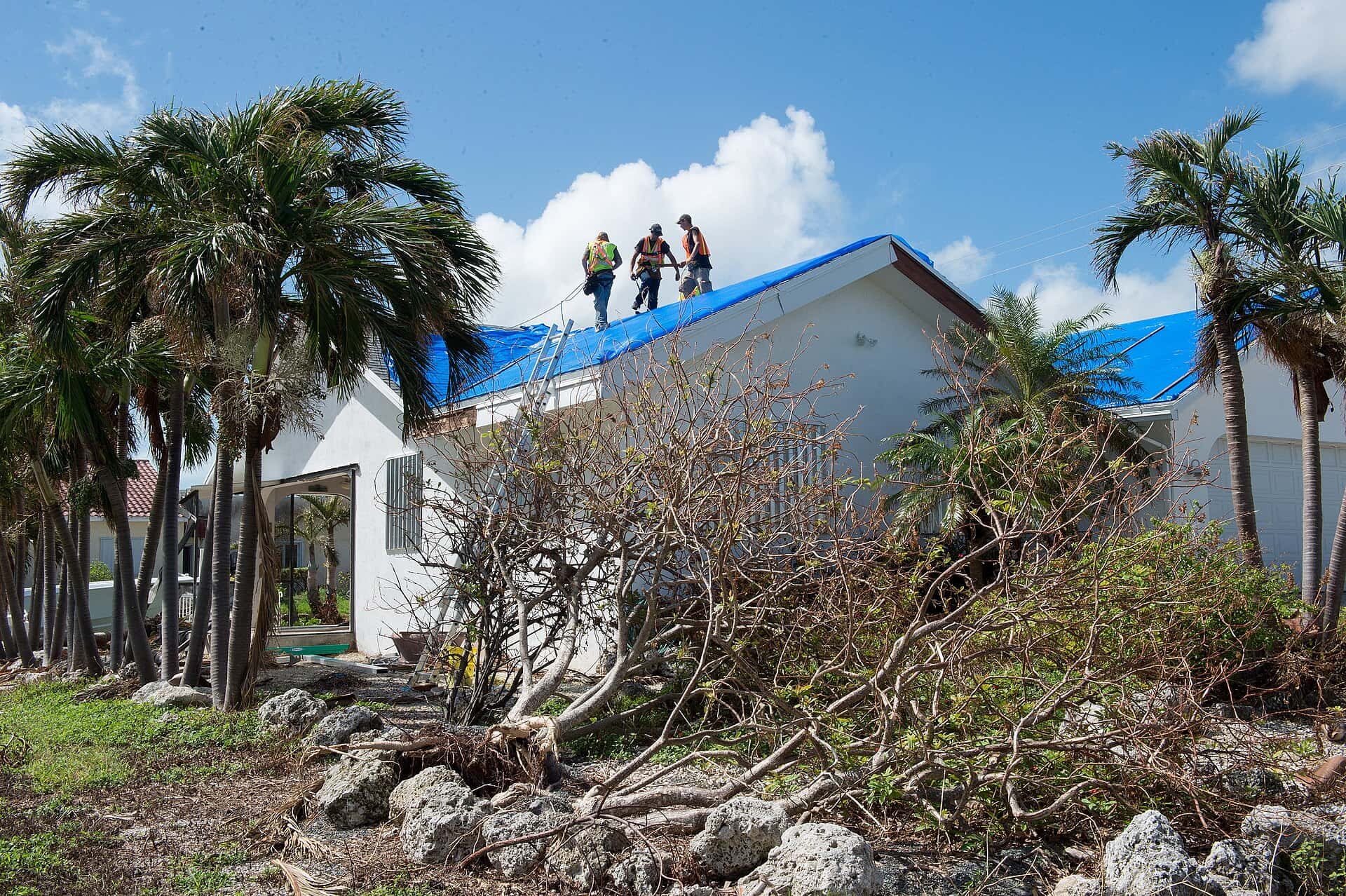
Florida Attorney General James Uthmeier has opened an investigation into insurance policy clauses that allow an insurer to reject a homeowner's entire claim if the homeowner hires a licensed public adjuster, and his office has subpoenaed Velocity Risk Underwriters LLC as the first target. The probe, announced Oct. 20, is examining whether Velocity and other insurers agreed among themselves to shut public adjusters out of the claims process, a question that matters most for owners of high-risk Florida homes covered in the surplus lines market.
"We are looking into whether Velocity and other insurance companies worked together to ban public adjusters so they could pay out less money," Uthmeier said in a statement reported by News4JAX. He framed the issue around hurricane recovery, saying Florida homeowners who are rebuilding after a storm should have a fair chance to collect the full value of their claims.
What the subpoena seeks
According to the attorney general's office, as reported by News4JAX and FOX 13, the subpoena directs Velocity to turn over records in three areas:
- the company's memberships in insurance trade groups;
- its communications with other insurers; and
- any agreements involving or restricting public adjusters.
FOX 13 reported that the inquiry centers on possible illegal agreements that keep homeowners from using licensed public adjusters. The focus on trade groups and contacts with rival companies points to a coordination question rather than a single company's contract wording: investigators want to know whether the clauses spread through the market because insurers acted together.
State officials have not said whether other insurers have received formal subpoenas, and they have not estimated how much money homeowners may have lost under the clauses, FOX 13 reported. Velocity had not publicly responded to the investigation as of Wednesday, according to the coverage reviewed by The Florida Press. A subpoena is an investigative step; it is not a finding that any law was broken.
How the clauses work
The provisions at issue are often called "anti-public adjuster" endorsements. Under the terms described by Uthmeier's office, an insurer could deny a homeowner's whole claim, not just the portion a public adjuster worked on, if the policyholder brings in a public adjuster.
Public adjusters are licensed professionals who work for the policyholder rather than the insurance company. They inspect damage, estimate the cost of repairs, assemble the claim and negotiate with the insurer. Insurers send their own adjusters to evaluate claims, so a ban on public adjusters can leave a homeowner without an independent representative of their own during the review, FOX 13 noted. The attorney general's office said homeowners who hire a public adjuster can receive up to 30 percent more on their claims, according to FOX 13; the coverage did not cite a study behind that figure.
Why the surplus lines market is involved
Velocity is a managing general agent that underwrites policies on behalf of surplus lines insurers, and it is now part of the Ryan Specialty brokerage group, according to Ryan Specialty's description of the business. Surplus lines carriers, sometimes called excess and surplus or nonadmitted insurers, cover risks that standard admitted companies decline or price out of reach. In Florida, that often means beachfront homes and houses with older roofs, according to the information released by the attorney general's office.
The attorney general's office said Velocity writes thousands of surplus lines policies in Florida, representing millions of dollars in premiums. Surplus lines insurers operate under a lighter regulatory structure than admitted carriers, which file their rates and policy forms with the Florida Office of Insurance Regulation.
A dispute already in court
The attorney general's probe follows a private lawsuit filed in October 2025. The Florida Association of Public Insurance Adjusters and the National Association of Public Insurance Adjusters sued Velocity in Miami-Dade Circuit Court, case number 2025-019878-CA-01, according to the national association and trade press coverage of the filing. The groups allege that Velocity inserted an "Anti-Public Adjuster Endorsement" into policies sold in Florida and that it refuses to deal with a public adjuster or keep processing a claim once one is hired. They are asking the court to void the endorsements under Florida's Deceptive and Unfair Trade Practices Act and have raised antitrust and conspiracy claims, according to those accounts. The current status of that case could not be confirmed.
A separate suit in Massachusetts, brought by a public adjusting firm, makes similar allegations against Velocity. In that case, according to trade press reports, Velocity has argued that the endorsement was part of a bargained-for surplus lines policy and that enforcing a contract term cannot amount to unfair business conduct. Those arguments have not been tested in a Florida ruling.
The fight is not limited to surplus lines. In 2025, several admitted Florida insurers sought approval from the Office of Insurance Regulation for optional endorsements that give policyholders a premium discount if they agree not to use a public adjuster, according to Insurance Journal reporting at the time. Regulators described those as voluntary choices made in exchange for a lower premium. The clauses under investigation are different in one important respect: as the attorney general's office describes them, they carry the penalty of losing the entire claim.
What Florida law already says about public adjusters
Florida does not ban public adjusters; it licenses and regulates them under section 626.854 of the Florida Statutes. The statute defines a public adjuster as a person who, for pay, prepares or files an insurance claim for an insured or helps negotiate its settlement, and it was written in part to protect consumers from abuses in the business.
The law caps what public adjusters may charge on residential and condominium unit owner claims:
| Type of claim | Maximum public adjuster fee |
|---|---|
| Claims from an event under a governor's emergency declaration, filed within a year | 10% of payments or settlement |
| Claims not tied to a declared emergency | 20% of payments or settlement |
| Reopened or supplemental claims | 20% of the new payment only |
| Payments the insurer made or promised before the adjuster was hired | 0% |
The statute also bars fees based on a policy deductible and limits fees when an insurer pays the full policy limit quickly. Those caps are why the "up to 30 percent more" figure matters to the state's argument: if a public adjuster raises a hurricane settlement by that much while charging no more than 10 percent, the homeowner comes out ahead, which is the benefit the attorney general says the clauses take away.
Insurers have long argued that public adjusters and the litigation tied to some claims drove up costs in Florida's property market, and lawmakers have tightened rules on adjusters and contractors several times. Nothing in the attorney general's announcement challenges those limits. The investigation is aimed at whether companies collectively decided to remove the option entirely.
What it means for Florida homeowners
For most Floridians with standard policies from admitted insurers or from Citizens Property Insurance, the investigation does not change anything immediately. The homeowners most directly affected are those who bought surplus lines coverage because their property is near the water or has an older roof, often after being turned away elsewhere.
Homeowners with a surplus lines policy can check their declarations page and endorsements for language restricting or conditioning the use of a public adjuster before a loss occurs. Anyone who believes a claim was denied because they hired a public adjuster can file a complaint with the attorney general's office or with the Florida Department of Financial Services, which licenses adjusters and handles consumer insurance complaints.
What's next
Velocity must respond to the subpoena, and investigators will review the records it produces for evidence of agreements with other insurers or trade groups. The attorney general's office has not said whether additional companies will be subpoenaed or what remedies it could seek if it finds coordination. Meanwhile, the public adjuster associations' lawsuit in Miami-Dade remains a separate track that could decide whether the endorsements can be enforced in Florida at all. The Florida Press will update this story as the investigation develops.
Spotted an issue with this article?
Have something to say about this story?
Write us a letterComments
No comments yet. Be the first to weigh in.
Related Coverage
Port of Palm Beach's $43 Million Plan to Draw Bigger Cruise Ships Puts Palm Beach Neighbors on Alert
19h ago

Fort Lauderdale Has $12.4 Million in Flood Recovery Grants, but Few Homeowners Are Applying
1d ago

Florida Gas Prices Hold at $4.08 as Diesel Tops $6 Again; Oil Dips After Trump's Russia Sanctions Waiver
2d ago

Chris Sorensen, Firehouse Subs Co-Founder and Former Jacksonville Firefighter, Dies at 65
3d ago