DeSantis Signs Anti-Recruiting Law to Curb School Hopping in Florida High School Sports
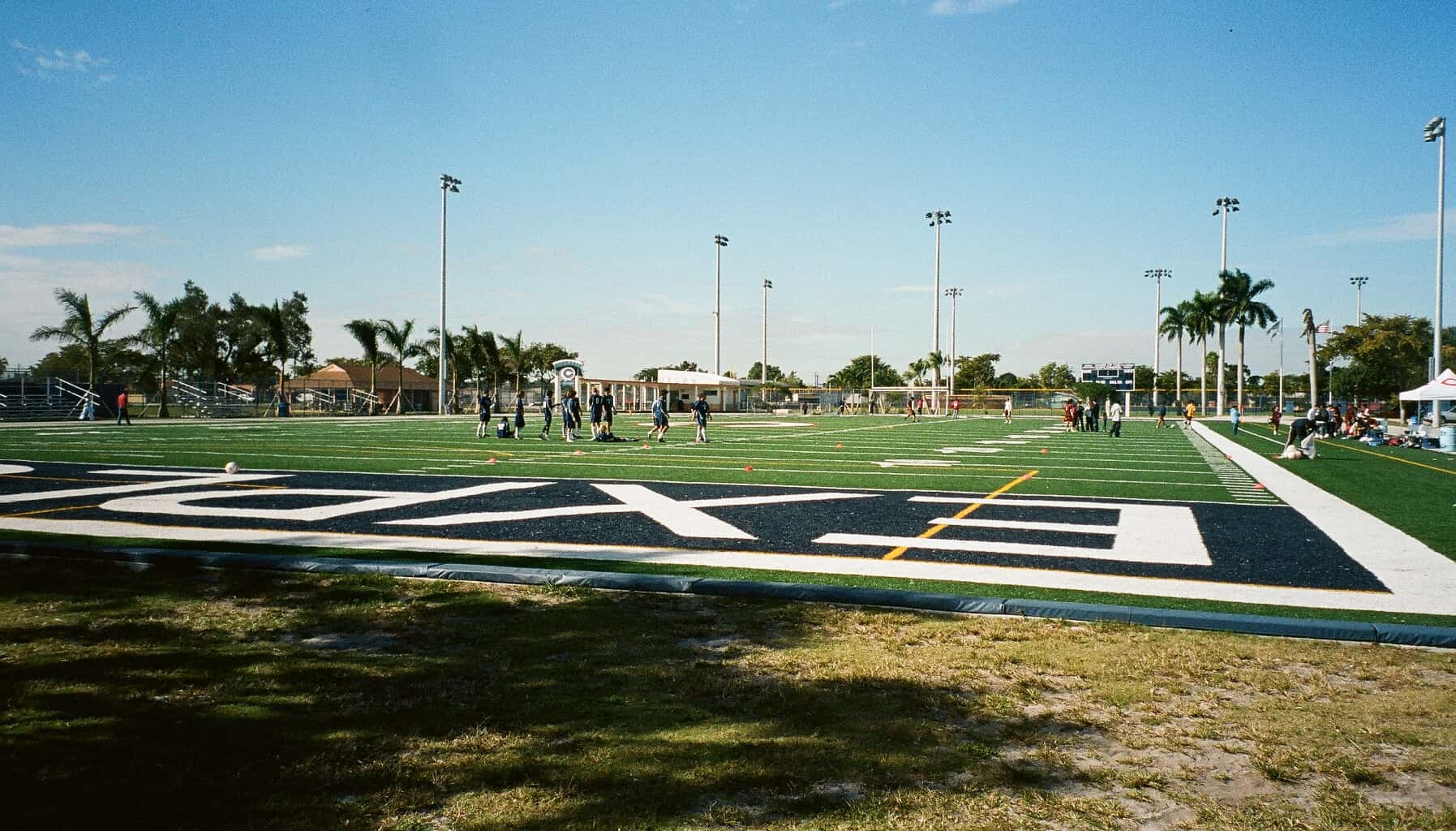
Governor Ron DeSantis signed new legislation on May 22, 2026, aimed at curbing athletic recruiting and limiting school-hopping practices in Florida high school sports. The law, which also includes a component addressing compensation for K-12 athletic coaches, places new restrictions on students transferring between traditional public schools, charter schools, private schools, home education programs, Florida Virtual School, and alternative schools primarily for athletic purposes. The measure responds to years of growing frustration from coaches, school administrators, and parents who say that recruiting and transfer practices have distorted competitive balance across Florida's high school sports landscape.
What the New Law Does
The legislation signed by the governor includes two primary components. The first limits students from playing sports for multiple schools during the same school year, closing a practice in which students would transfer mid-season or between sports seasons to different programs. The second component places new restrictions on transfers that involve certain school types, specifically targeting movement between home education programs, charter schools, private schools, Florida Virtual School, and alternative schools that critics say has been exploited to circumvent traditional transfer eligibility rules.
Under the new law, a student who transfers between schools primarily for athletic purposes faces eligibility restrictions at their new school. The determination of whether a transfer is athletically motivated involves a review process that considers factors such as whether the student changes schools around the same time as a coaching change, whether the student follows a coach who has moved to a different school, and whether other circumstances suggest the transfer is driven primarily by the desire to play for a particular team or program rather than by legitimate academic or family reasons.
The law also includes new requirements around athletic coach compensation and transparency, addressing a separate set of concerns raised by educators and administrators about how coaches are recruited and compensated across school types in Florida. The coach compensation provisions are designed to create greater accountability and consistency in how athletic coaching roles are funded and disclosed.
Background and Why the Law Was Needed
The issue of athletic recruiting in Florida high school sports has been growing in prominence for the better part of a decade, driven by several converging factors. The expansion of charter schools and private schools has created more school choice options for students and families, and with more options has come more movement of student-athletes between programs. The rise of AAU basketball, travel baseball, and other elite youth sports circuits has created networks of coaches and players who maintain relationships across school lines.
School choice laws in Florida that allow students to attend public schools outside their home attendance zones have also contributed to the mobility of student-athletes. Critics of the current system have argued that some schools, particularly certain charter schools and private schools with strong athletics programs, have essentially engaged in de facto recruiting by offering financial aid, transportation arrangements, and other inducements to attract talented athletes.
The Florida High School Athletic Association, the governing body for high school sports in the state, has long maintained transfer eligibility rules intended to prevent recruiting. However, the complexity of Florida's school choice landscape and the evolution of transfer practices have created enforcement challenges that the FHSAA has struggled to keep pace with. The new state law gives the association additional statutory backing for transfer eligibility determinations and creates clearer standards for what constitutes an athletically motivated transfer.
Reactions From Coaches and Administrators
Reaction to the legislation from within the Florida high school sports community has been mixed. Many coaches and school administrators at traditional public schools have welcomed the legislation as a necessary step toward restoring competitive balance. Programs that have invested in building coaching staffs, training facilities, and athletic cultures have expressed frustration at losing players to schools that they believe were offering inducements or taking advantage of ambiguities in existing transfer rules.
Some private school and charter school athletic directors expressed concerns that the new law could be applied in ways that restrict legitimate academic transfers of students who happen to be athletes. They argued that students who transfer for genuine academic program reasons should not face athletic eligibility penalties simply because they also play sports at their new school, and that the new law's implementation will require careful attention to ensure that legitimate transfers are distinguished from recruiting-driven ones.
Home education families who have historically relied on Florida's home education athletic access law, which allows home-educated students to participate in sports at their local public school, expressed concern about how the new restrictions would interact with their existing access rights. The Florida Home Education Foundation and similar advocacy organizations indicated they would be monitoring the law's implementation closely to ensure it does not inadvertently restrict home education students' access to public school athletics.
High School Sports in Florida's Landscape
Florida has one of the largest high school sports programs in the country, with hundreds of thousands of student-athletes competing across dozens of sports at more than 700 public and private high schools. The state's football programs have produced a remarkable number of NFL players, and its basketball, baseball, track and field, and swimming programs have similarly supplied talent at the collegiate and professional levels.
The state's size and diversity means that high school athletics competition occurs across dramatically different competitive environments. The Miami-Dade, Broward, and Palm Beach county regions feature some of the most competitive and talent-dense high school sports programs in the nation, while rural counties in North Florida and the Panhandle operate in smaller enrollment classifications with significantly different competitive dynamics.
The FHSAA classifies schools into enrollment-based competitive classes for most sports, with the largest classification, Class 7A, containing the biggest schools in the state. The talent concentration at the top of the classification system has made competitive balance a persistent concern, and recruiting practices that pull top athletes toward already strong programs have amplified that imbalance in the view of smaller programs' coaches and administrators.
Implementation Timeline and Process
The law signed by the governor on May 22, 2026, will require the Florida High School Athletic Association to develop implementing rules and updated transfer eligibility guidelines consistent with the new statutory framework. The FHSAA operates on an academic year cycle, and the association is expected to have its updated policies in place before the start of the 2026 to 2027 academic year and athletic season.
Schools, coaches, and athletic administrators will need to be educated on the new requirements, and the FHSAA has indicated it will be developing guidance materials and conducting outreach to member schools. Transfer eligibility appeals, which are heard through the FHSAA's appeal process, will now be considered under the new statutory standards.
Parents and students considering transfers that have an athletic component should consult with the athletic directors at both their current and prospective schools before completing any transfer, to understand how the new law affects their specific situation. The penalties for a student who participates in high school sports while ineligible can include forfeiture of games and other significant consequences for both the student and the school program.
What is Next
The Florida High School Athletic Association will be the primary entity responsible for translating the new law into operational policy. The association's governing boards and staff will be working through the summer months to develop the updated transfer eligibility framework that the new statute requires, with an eye toward having clear, enforceable guidelines in place for coaches, administrators, and families ahead of fall sports season.
Governor DeSantis and the Florida Legislature signaled through the bill's passage that athletic recruiting and school-hopping issues are a policy priority, and advocates on both sides of the debate will be watching closely to see how the law is applied in real transfer situations during the first year of implementation.
Spotted an issue with this article?
Have something to say about this story?
Write us a letterComments
No comments yet. Be the first to weigh in.
Related Coverage

Lt. Gov. Jay Collins Says Florida Will Cover School Funding Lost as Immigration Crackdown Shrinks Enrollment
1h ago

Broward School Board Weighs Next Round of Closures as Empty Seats Reach 61,000
2h ago

Boy dies after 120-pound display board falls on him at Palm Bay's Riviera Elementary
1d ago

Pinellas pulls Sexton Elementary from closure list as six schools face Oct. 13 vote
1d ago