Miami-Dade Prosecutors Announce Human-Trafficking Arrests in Stings Ahead of World Cup
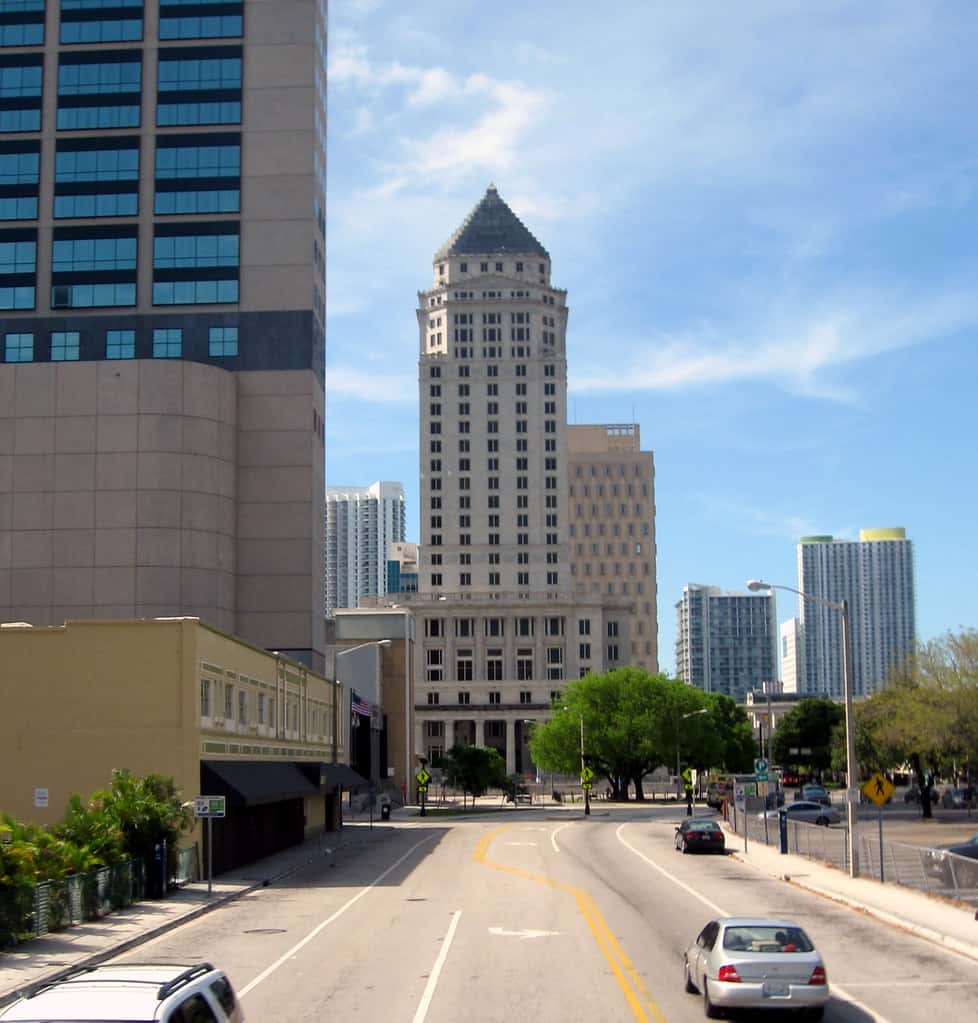
As South Florida prepares to host World Cup crowds, Miami-Dade authorities have announced a series of human-trafficking arrests from undercover operations aimed at protecting vulnerable people from exploitation. The Miami-Dade State Attorney's Office, working with local police and federal partners, said multiple men were arrested and charged in stings targeting the demand that drives trafficking, part of an intensified crackdown timed to the influx of visitors surrounding the international tournament.
The operations reflect a proactive law enforcement posture heading into a period of heightened activity, when large events can draw not only fans but also the criminal activity that exploits crowds. Officials have emphasized that the arrests are part of an ongoing effort to combat human trafficking, a crime that authorities across Florida have prioritized. All of those arrested face charges, and the cases will be adjudicated in the courts.
What authorities announced
Miami-Dade State Attorney Katherine Fernandez Rundle, along with partner agencies, announced arrests stemming from undercover human-trafficking operations. In one operation, authorities said a group of men were taken into custody after allegedly agreeing to pay for sexual activity with individuals they were told were minors. In a separate sting, additional men were arrested on felony charges including human trafficking of a minor.
The joint operations involved the State Attorney's Office, a human-trafficking task force, city police and federal homeland security investigators, reflecting the collaborative approach that such cases typically require. Authorities said those arrested were held on the charges, and officials provided details of the operations in announcing the results.
Because the men have been charged but not convicted, they are presumed innocent, and the cases now proceed through the criminal justice system. Prosecutors will pursue the charges in court, where the accused will have the opportunity to respond. The announcements mark the beginning of that judicial process rather than its conclusion.
The World Cup connection
The timing of the operations is tied to the World Cup, which has brought international attention and large crowds to South Florida as the region hosts matches at Hard Rock Stadium in Miami Gardens. Major sporting events draw enormous numbers of visitors, and law enforcement agencies often ramp up anti-trafficking efforts around such gatherings, aware that increased demand can create opportunities for exploitation.
Authorities have long recognized that large events can intersect with human trafficking, and coordinated crackdowns ahead of and during such occasions have become a standard part of the response. By targeting the demand side, undercover operations aim to deter would-be offenders and to identify and rescue potential victims.
The World Cup's presence in South Florida has heightened the focus on public safety across the region, encompassing not only crowd management and security but also efforts to prevent the kinds of crimes that can accompany major events. The anti-trafficking operations are one facet of that broader preparation.
Understanding human trafficking
Human trafficking is a serious crime that involves the exploitation of people through force, fraud or coercion, and it can take forms including sexual exploitation and forced labor. Florida, with its large population, major tourism industry and busy ports and airports, has been identified by authorities as a state where trafficking demands sustained attention.
Combating trafficking requires a multi-agency approach, combining the resources and expertise of local, state and federal authorities. Task forces bring together investigators, prosecutors and victim-services providers to identify cases, build prosecutions and support those who have been exploited. The operations announced by Miami-Dade authorities reflect that collaborative model.
Efforts to fight trafficking also emphasize protecting and assisting victims, who are often among the most vulnerable members of society. Beyond arrests and prosecutions, the broader response includes services aimed at helping survivors recover and rebuild, an essential component of addressing the crime.
The prosecutorial approach
The Miami-Dade State Attorney's Office plays a central role in prosecuting trafficking cases in one of Florida's largest and most populous jurisdictions. By participating directly in operations and announcing the results, the office signals its commitment to pursuing these cases and to holding offenders accountable through the courts.
Prosecuting trafficking cases can be complex, requiring careful investigation and the coordination of evidence gathered through undercover work and multi-agency cooperation. The involvement of federal partners, including homeland security investigators, reflects the resources brought to bear on these cases and the seriousness with which authorities treat them.
The cases announced will now move through the judicial process, where the charges will be tested. The State Attorney's Office will present its evidence, and the accused will mount their defenses, with the outcomes to be determined by the courts in accordance with the law.
What it means for South Florida
For South Florida, the operations underscore the intersection of major events and public safety, and the efforts authorities undertake to protect vulnerable people during periods of heightened activity. The crackdown signals that law enforcement is attentive to the risks that can accompany large gatherings like the World Cup.
The arrests also draw attention to human trafficking as an ongoing concern in the region, one that authorities address through sustained investigation and prosecution. By publicizing the operations, officials aim both to deter offenders and to raise awareness of a crime that often operates out of public view.
For residents and visitors alike, the message from authorities is that efforts to combat trafficking are active and coordinated, particularly as the region hosts events that draw global attention. The operations represent part of the broader work of keeping South Florida's communities safe during a busy and high-profile period.
Florida's anti-trafficking framework
Florida has built a framework of laws, task forces and initiatives aimed at combating human trafficking, reflecting the seriousness with which the state treats the crime. That framework brings together law enforcement, prosecutors and victim-services organizations, coordinating their efforts to identify cases, pursue prosecutions and support survivors. The Miami-Dade operations exemplify that collaborative approach.
Task forces are a central element of the framework, pooling the resources and expertise of multiple agencies. By combining local police, prosecutors, federal partners and advocacy organizations, these task forces can address the complex, often hidden nature of trafficking, which frequently spans jurisdictions and involves vulnerable victims who may be difficult to reach. The joint nature of the recent operations reflects that structure.
The state's focus on trafficking has grown in response to the recognition that Florida, with its large population, tourism industry and transportation hubs, faces significant exposure to the crime. Sustained attention, including operations timed to major events, is part of the effort to disrupt trafficking and to hold offenders accountable through the courts.
Protecting and supporting victims
A crucial dimension of anti-trafficking work is the protection and support of victims, who are often among the most vulnerable individuals and who may have endured severe exploitation. Beyond arrests and prosecutions, the response includes services aimed at helping survivors recover, from immediate assistance to longer-term support for rebuilding their lives.
Victim-services organizations play an essential role in that effort, providing shelter, counseling and other resources to those who have been exploited. Their involvement in task forces ensures that the response to trafficking addresses not only the pursuit of offenders but the needs of those who have been harmed, a balance that is central to a comprehensive approach.
Raising public awareness is also part of the strategy. By publicizing operations and educating the public about the signs of trafficking, authorities aim both to deter offenders and to empower residents to recognize and report potential cases. That awareness is particularly relevant around major events like the World Cup, when heightened activity can create both risks and opportunities for intervention. The combination of enforcement, victim support and awareness reflects the multifaceted nature of the fight against trafficking in Florida.
A model of multi-agency cooperation
The operations exemplify the multi-agency cooperation that has become central to combating human trafficking. Bringing together the State Attorney's Office, local police, a specialized task force and federal homeland security investigators allowed authorities to pool expertise and resources for complex undercover work. Each agency contributes distinct capabilities, from local knowledge and investigative manpower to federal reach and specialized training. That collaboration is often essential in trafficking cases, which can span jurisdictions and involve sophisticated efforts to evade detection. The coordinated structure on display in Miami-Dade reflects a model that authorities across Florida have adopted, recognizing that the scale and complexity of trafficking require a unified response rather than the efforts of any single agency acting alone.
The role of public awareness
Public awareness is an increasingly important tool in the fight against human trafficking. Authorities and advocacy organizations encourage residents to learn the warning signs of trafficking and to report suspicions to law enforcement or to national and state hotlines. That vigilance can help identify cases that might otherwise go undetected, complementing the work of investigators and prosecutors.
Around major events like the World Cup, awareness efforts often intensify, as the influx of visitors creates both heightened risk and greater opportunity for intervention. Hospitality workers, transportation providers and members of the public can serve as additional eyes, and educating them about the signs of trafficking expands the network of people positioned to notice and report potential cases.
By publicizing operations and their results, authorities also aim to send a deterrent message. The announcement of arrests signals that law enforcement is actively pursuing offenders, a warning intended to discourage the demand that drives trafficking. That transparency, combined with victim support and public education, forms part of a comprehensive strategy that extends well beyond any single operation or event.
What's next
The cases stemming from the operations will proceed through the criminal courts, where prosecutors will pursue the charges and the accused will respond. The judicial process will determine the outcomes, with the presumption of innocence remaining in place unless convictions are obtained.
As the World Cup continues to bring crowds to South Florida, authorities are likely to maintain their heightened focus on anti-trafficking efforts and other public-safety priorities. The operations announced by Miami-Dade officials reflect an ongoing commitment that extends beyond any single event, part of a sustained effort to combat trafficking and to protect the vulnerable across the region.
Spotted an issue with this article?
Have something to say about this story?
Write us a letterComments
No comments yet. Be the first to weigh in.
Related Coverage

Two Spring Hill men indicted in 2018 home invasion killing of young father in Hernando County
4h ago

Operation Cooked: Undercover Osceola Sting Nets At Least 20 Arrests of Men Accused of Seeking Sex With Children
6h ago

Federal Jury Convicts Three Naples Men in $30,000 Murder-for-Hire Plot Targeting a Man Whose Brother Wanted Him Dead
8h ago

Woman known only as 'Cinnamon,' found dead on a boat off Key West in 1999, identified through DNA
1d ago