New Florida Law Shields Utility Customers From the Cost of Powering AI Data Centers
A new Florida law took effect July 1 that aims to protect households and small businesses from footing the bill for the surging energy appetite of large data centers. The measure, passed by the Legislature and signed by Governor Ron DeSantis, prohibits utilities from shifting the cost of serving large-scale data centers onto residential and small-business customers, requiring the facilities themselves to pay the full cost of the power they consume.
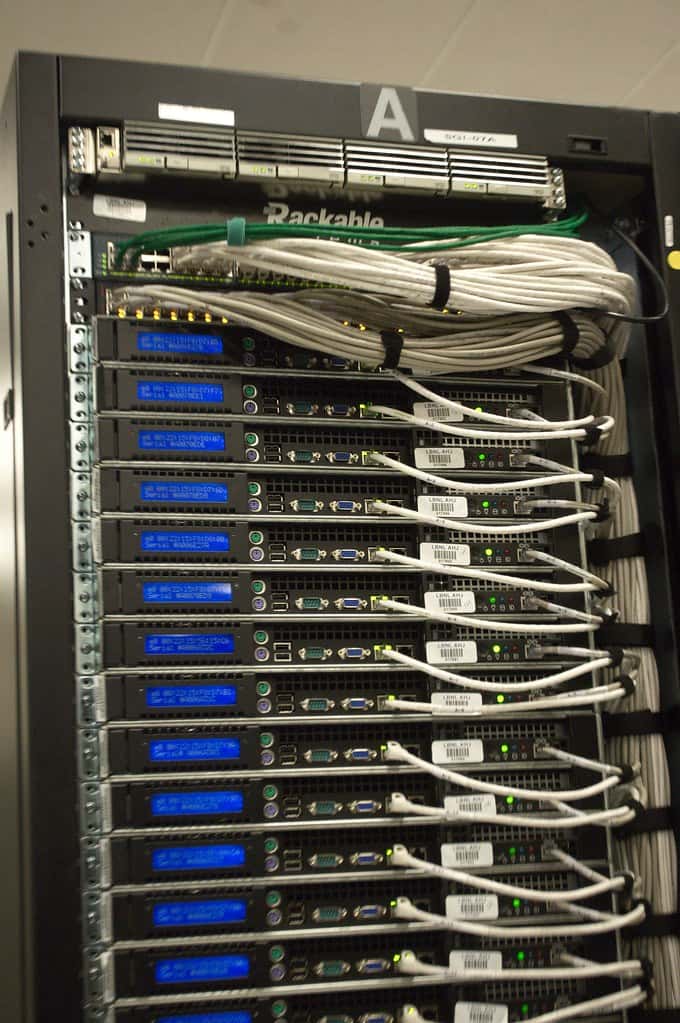
The law places Florida among a growing number of states grappling with the electricity demands of the artificial intelligence boom. Data centers, the warehouse-sized facilities that store and process the digital world's information, have become voracious consumers of power as AI models require ever more computing capacity. The Florida statute seeks to ensure that ordinary ratepayers do not subsidize that growth through higher utility bills.
What the law does
Under the new statute, known as Senate Bill 484, utilities are barred from passing the costs of serving large-scale data centers, including the electricity costs, onto residential and small-business customers. Instead, the facilities must pay their full cost of service, ensuring that the expense of building out the grid to power them falls on the operators rather than the broader public.
The law defines a large-scale data center as a single location with a data center on site that has an anticipated monthly peak load of 50 megawatts or more, a threshold that captures the massive facilities driving the biggest demand. That definition draws a clear line around the operations the law is designed to address, distinguishing them from smaller commercial users.
The measure also grants local communities more authority. It empowers local governments to set stricter standards or to deny data-center projects outright, giving residents a say in whether and how such facilities are built in their communities. That local-control provision reflects concerns about land use, water and infrastructure alongside the energy question.
Why data centers strain the grid
The rise of artificial intelligence has transformed data centers from steady, predictable power users into some of the largest and fastest-growing electricity consumers in the economy. Training and running advanced AI models requires enormous computing power, and the facilities that house that hardware can draw as much electricity as a small city, running around the clock.
That demand puts pressure on the grid and on the utilities that operate it. Meeting the needs of a new large data center can require costly investments in generation, transmission and distribution, expenses that utilities typically recover through customer rates. Without safeguards, those costs can spread across all ratepayers, meaning households and small businesses effectively help pay for infrastructure built to serve a single large user.
Florida, with its growing population and expanding technology footprint, is an attractive location for data-center development. The state's leaders have sought to welcome that investment while guarding against the risk that it drives up bills for everyone else, a balance the new law attempts to strike.
Protecting ratepayers
The central purpose of the law is to hold data centers accountable for their own costs rather than allowing utilities to socialize those costs across the customer base. By requiring large-scale facilities to pay the full cost of service, the statute aims to keep the AI industry's expansion from translating into higher monthly bills for Florida families.
The concern is not hypothetical. As data-center demand has grown nationally, regulators and consumer advocates in several states have warned that ordinary customers could end up subsidizing the industry through rate increases tied to grid upgrades. Florida's approach seeks to preempt that outcome by establishing the principle that the facilities bear their own costs.
Supporters argue that the law protects consumers while still allowing Florida to compete for data-center investment, since operators can build in the state as long as they pay their way. The framework is designed to welcome economic development without exposing residents to the risk of higher energy costs.
Water and land considerations
Energy is not the only resource data centers consume in large quantities. The facilities often require significant amounts of water for cooling, a concern in a state where water supply and quality are perennial issues. The new law addresses that dimension as well, placing conditions on the consumptive-use permits that allow large-scale data centers to draw water.
Under the statute, water management districts and the state's environmental agency face restrictions on issuing such permits to large-scale data centers under certain conditions, a provision aimed at protecting Florida's water resources from the strain of large cooling operations. That reflects the interconnected nature of the challenges data centers pose, spanning energy, water and land use.
The local-control provisions further empower communities to weigh those impacts. By allowing local governments to impose stricter standards or reject projects, the law gives residents a mechanism to address concerns about noise, traffic, water use and the broader footprint of a large facility in their area.
What it means for Floridians
For Florida households and small businesses, the most direct benefit of the law is protection against rate increases tied to data-center growth. As AI-driven demand accelerates, the statute is intended to ensure that the cost of building out the grid to serve large facilities does not land on customers who receive no benefit from those operations.
For communities considering data-center projects, the law provides new tools to shape development on their own terms, balancing the economic promise of investment and jobs against the local costs of energy, water and infrastructure. That local voice is a significant feature of the framework.
For the broader state economy, the law attempts to keep Florida open to a fast-growing industry while safeguarding consumers and resources. Whether that balance holds will depend on how utilities, regulators and developers implement the requirements in practice.
Florida's place in the AI buildout
The law positions Florida within a national wave of data-center development driven by the artificial intelligence boom. Across the country, technology companies are racing to build the computing infrastructure that AI requires, and states are competing to attract the investment and jobs that come with it. Florida, with its growing population and business-friendly posture, is an appealing location for such projects.
That competition creates a tension the new law seeks to manage. States want the economic benefits of data-center investment, but they also face pressure to protect residents from the costs, particularly the strain on electricity grids that the facilities impose. Florida's approach attempts to welcome the investment while ensuring that the operators, not ordinary customers, bear the costs of serving their enormous energy needs.
The stakes are considerable. As AI continues to expand, the demand for data-center capacity is projected to grow substantially, and the decisions states make now about how to accommodate that demand will shape their energy landscapes for years. Florida's law is an early effort to set the terms of that growth on terms favorable to consumers.
The debate over growth and incentives
Data centers bring economic benefits, including construction activity, tax revenue and a smaller number of ongoing high-skill jobs, but they also raise questions about their broader footprint. Unlike some industries, data centers employ relatively few workers once operational, even as they consume large amounts of energy and water, leading some to question the balance of benefits and costs.
The new law's local-control provisions speak directly to that debate, empowering communities to weigh the tradeoffs and to set their own standards or reject projects. That local authority allows residents to have a say in whether the benefits of a data center justify its demands on local resources and infrastructure, a decision that can vary from community to community.
The water provisions add another layer to the calculus. By placing conditions on the water permits that large-scale data centers can obtain, the law addresses the significant cooling needs of the facilities in a state where water resources are a perennial concern. Together, the energy, water and local-control provisions reflect an attempt to capture the benefits of data-center investment while guarding against its costs, a balance that other states are watching as they craft their own responses.
The law's passage reflects a rare area of broad agreement in a polarized policy environment. Protecting consumers from bearing the costs of large corporate energy users drew support across the political spectrum, uniting concerns about affordability with interests in orderly economic development. That consensus helped the measure advance and signals that the issue of data-center costs resonates widely, cutting across traditional divides. As the artificial intelligence industry continues to expand, the question of how to balance its growth against the interests of ordinary ratepayers is likely to remain one where common ground can be found, even amid broader disagreements over technology and energy policy.
Other states are watching Florida's approach as they grapple with the same pressures. The rapid growth of data-center demand is a national phenomenon, and policymakers across the country are weighing how to accommodate the industry while protecting consumers and resources. Florida's law, with its combination of ratepayer protections, water provisions and local control, offers one model, and its implementation will provide lessons about what works and what does not. As the artificial intelligence boom continues to drive demand for computing infrastructure, the questions Florida has sought to address, about who pays for the energy, how water is managed and who decides where facilities are built, will only grow in importance nationwide.
What's next
With the law now in effect, attention turns to enforcement and implementation. Utilities must structure their rates and agreements to comply with the requirement that data centers pay their full cost of service, and regulators will oversee how those arrangements work. Local governments, meanwhile, will begin exercising their expanded authority as projects come forward.
The measure positions Florida as an early mover in addressing the utility-cost side of the AI boom, an issue likely to grow in importance as data-center demand continues to climb nationwide. For Florida ratepayers, the law offers a measure of protection at a moment when the technology reshaping the digital economy is also reshaping the demands on the power grid.
Spotted an issue with this article?
Have something to say about this story?
Write us a letterComments
No comments yet. Be the first to weigh in.
Related Coverage

St. Pete-Launched Ocean Drones Sailed Into Hurricane Isaias, Logging a 104 MPH Gust Near the Eyewall
3h ago

Uthmeier Asks Pasco Judge to Force Meta to Remove Florida Users Under 14 and Cap Teens at Two Hours a Day
2d ago

Florida Attorney General James Uthmeier Sues TP-Link, Saying Its Routers Left Florida Home Networks Exposed
3d ago
FIU to install Florida's first on-campus trapped-ion quantum computer
4d ago