Disney Brings Back The Magic of Disney Animation Inside a Rebuilt Walt Disney Studios Land
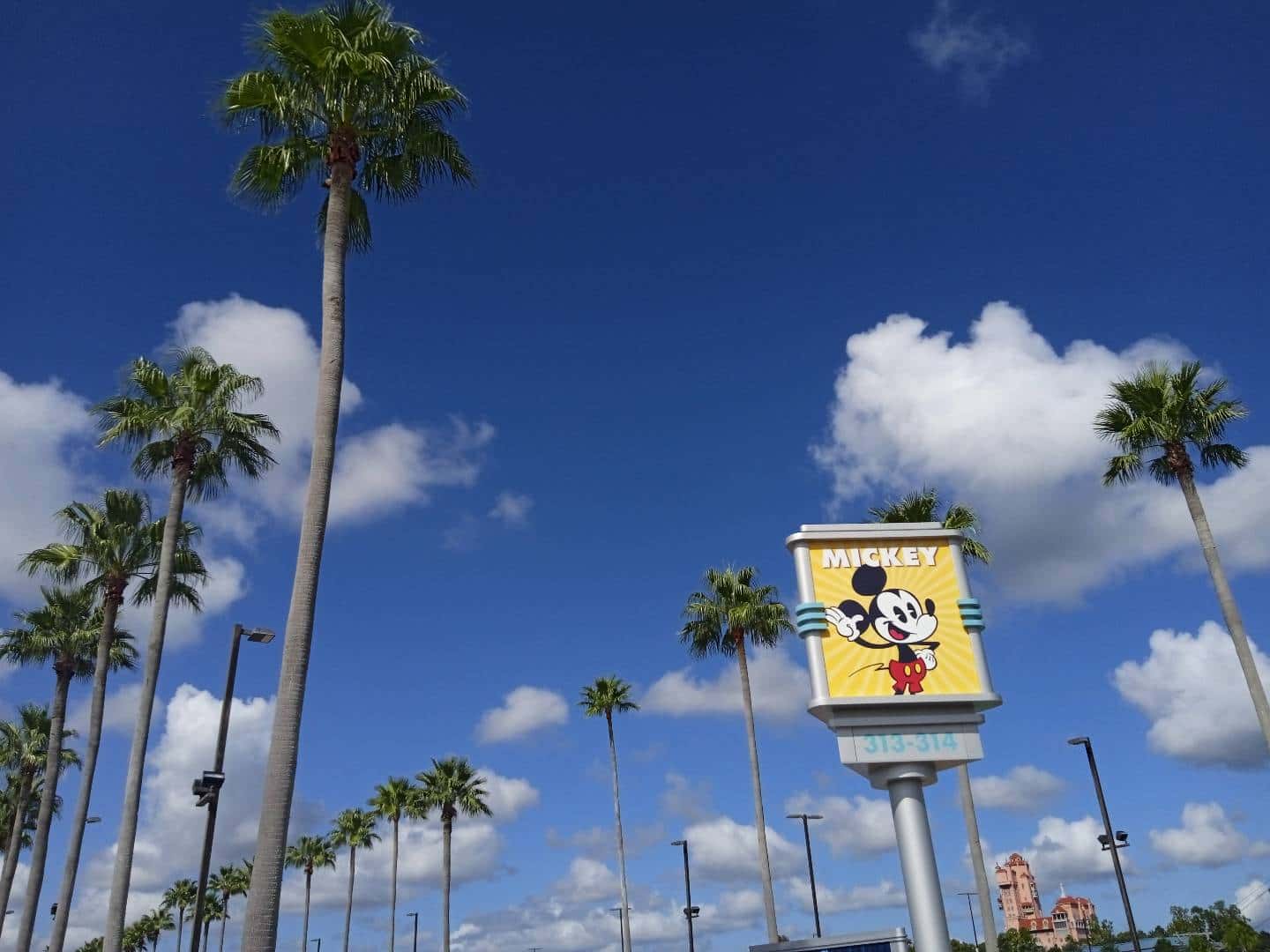
Walt Disney World is bringing back one of the attractions its longtime visitors have missed most. An updated version of The Magic of Disney Animation is scheduled to reopen on September 14 as part of the Disney Animation Studios building within The Walt Disney Studios, the reimagined land at Disney's Hollywood Studios. The return closes a gap that has existed at the park since the original attraction closed more than a decade ago.
What is reopening
The attraction returns as a component of the Disney Animation Studios building inside The Walt Disney Studios land, rather than as a standalone facility in its original location. That structural difference matters for how guests will encounter it, since it is being presented as part of a larger themed area rather than as an independent pavilion.
The original Magic of Disney Animation opened with the park in 1989, when the property was called Disney-MGM Studios and functioned partly as a working production facility. Guests could observe animators at work on films that were in active production, a genuinely unusual offering that connected the park to Disney's actual creative operations.
The Florida animation studio closed in 2004 as Disney's feature animation shifted to computer-generated production concentrated in California. The attraction continued in modified forms before closing entirely in 2015, and the space was eventually absorbed into other uses as the park was reoriented around Star Wars and Toy Story.
The Walt Disney Studios rebuild
The Walt Disney Studios represents the most significant reimagining of Hollywood Studios' central areas in years. The park has spent much of the past decade adding major intellectual-property lands, Toy Story Land and Star Wars: Galaxy's Edge, while its original studio-themed core received less attention.
Reorienting that core around Walt Disney Studios branding gives the park a coherent identity in an area that had accumulated a mix of attractions without a unifying theme. It also reconnects the park to the studio production concept that justified its original design, though as themed environment rather than as working production space.
Hollywood Studios has undergone the most dramatic transformation of any Walt Disney World park since it opened. Attractions that defined it in the 1990s have almost entirely been replaced, and the current park has little operational resemblance to the one that opened in 1989.
Why animation attractions resonate
Animation occupies a specific place in Disney's identity that other intellectual property does not. The company was built on animated feature films beginning with Snow White and the Seven Dwarfs in 1937, and the craft of animation is the origin story that every subsequent business line traces back to.
Attractions that show how the work is actually made have a different appeal than rides. They offer process rather than sensation, and they appeal to a segment of the audience that includes families with children interested in art, adults with an interest in film history, and the substantial community of Disney enthusiasts who follow the company's creative operations closely.
The original attraction is remembered particularly for the drawing classes, in which guests received instruction in sketching Disney characters. Interactive elements of that kind create a participatory experience that rides cannot, and they generate a physical takeaway that guests keep.
The Central Florida tourism context
Theme park capital investment is a leading indicator for Central Florida's economy. Orange and Osceola counties depend on tourism to a degree few American metropolitan areas match, and attraction openings drive hotel occupancy, restaurant activity, transportation demand and employment across the region.
The competitive environment has intensified. Universal Orlando opened Epic Universe, its third major park, expanding its capacity substantially and changing the calculation for visitors deciding how to allocate a vacation. Universal has also announced new seasonal programming, including a nighttime event at Epic Universe scheduled for October.
That competition benefits Central Florida broadly. Multiple operators investing simultaneously increases the region's total capacity and gives visitors more reason to extend stays, which raises spending per trip. Hotel and restaurant operators throughout the corridor capture that additional activity regardless of which park a visitor chooses.
What it means for visitors
For Florida residents, who make up a substantial share of theme park attendance through annual pass programs, a new attraction at Hollywood Studios is a reason to return to a park they may have deprioritized. Annual passholders visit frequently and respond to new offerings more quickly than out-of-state visitors do.
The September reopening date places the attraction ahead of the fall and holiday seasons, which are among the busiest periods at Walt Disney World. Halloween and holiday programming drive attendance from late September through early January, and an attraction opening in mid-September is positioned for that window.
Guests planning visits should expect elevated wait times in the immediate period following any reopening. New and returning attractions draw disproportionate crowds in their first weeks, and Disney's queue management and virtual queue systems affect how that demand is distributed.
The employment picture
Walt Disney World is the largest single-site employer in the United States, with a workforce that has been reported in the range of 75,000 across its properties. Attraction openings and land reimaginings create positions across operations, entertainment, food and beverage, merchandise and maintenance.
Those jobs are a significant component of the Central Florida labor market, and the terms governing them are set through collective bargaining agreements covering a large share of the workforce. Wage floors negotiated in recent contracts have influenced the broader hospitality labor market across the region.
The construction phase of projects like The Walt Disney Studios also supports substantial employment in specialized trades. Themed entertainment construction requires skills that overlap with but differ from conventional commercial construction, and Central Florida has developed a contractor base around that specialization.
The animation legacy in Florida
The Florida animation studio that operated alongside the attraction was not a satellite operation. Between 1989 and 2004, the Orlando facility contributed to a string of Disney features and produced Mulan and Lilo and Stitch as primary production units, work that placed Florida artists at the center of the studio's output during a period of substantial creative success.
Its closure in 2004 followed the industry's shift from hand-drawn to computer-generated animation and the consolidation of production in California. Many of the artists who had relocated to Central Florida for the studio dispersed, and some remained in the region working in games, visual effects and independent animation.
That history is part of why the attraction's return carries weight locally. Central Florida developed a genuine animation and digital arts workforce around the studio, supported by programs at the University of Central Florida and other regional institutions, and elements of that community persist decades after the production facility closed.
What Hollywood Studios has become
Disney's Hollywood Studios opened in 1989 with a working production facility, a backlot tour and attractions built around the process of filmmaking. Its identity was the studio itself. Over the following three decades, nearly every element of that concept was removed as production moved elsewhere and as the park was rebuilt around intellectual property.
The Great Movie Ride closed. The backlot tour closed. The animation studio closed. In their place came Toy Story Land in 2018 and Star Wars: Galaxy's Edge in 2019, two of the largest capital projects in the resort's history and the attractions that now define the park for most visitors.
Those additions solved a capacity problem. Hollywood Studios had long been the resort's shortest park, one that visitors could complete in half a day, which made it difficult to justify a full day's admission. The new lands changed that calculation and dramatically increased attendance.
What they did not do was give the park's central area a coherent identity. The Walt Disney Studios reimagining is aimed at that gap, reorganizing the areas between the newer lands around a theme that ties back to the park's original premise without depending on a working production facility to support it.
Bringing back an animation attraction within that framework is a deliberate connection to the park's origins. It is also a response to a persistent request from longtime visitors, a constituency that Disney tracks closely and that drives a disproportionate share of repeat visitation and annual pass renewals.
What theme park investment means for Central Florida
Orange and Osceola counties collect tourist development taxes on short-term lodging, revenue that funds convention facilities, venues and tourism marketing. Those collections track visitation directly, which means theme park attendance shows up in local government budgets within months rather than years.
The region's hospitality workforce numbers in the hundreds of thousands across hotels, restaurants, attractions and transportation. Wage levels in that workforce have been a sustained subject of local debate, particularly against Central Florida's rising housing costs, and the gap between hospitality wages and area rents is among the widest in the state.
Capital investment by the major operators is therefore watched as an economic indicator rather than only as entertainment news. Sustained construction and attraction openings signal confidence in future visitation, which supports hiring, hotel development and the broader service economy that depends on it.
Central Florida's tourism sector also carries concentration risk. A regional economy weighted heavily toward visitation is exposed to anything that suppresses travel, a vulnerability the region experienced acutely during the pandemic and that has driven efforts to diversify into technology, simulation, aerospace and health care.
What's next
The Magic of Disney Animation reopens September 14 as part of the Disney Animation Studios building. Additional elements of The Walt Disney Studios land are expected to come online on their own schedules as the reimagining continues.
Universal Orlando's October event at Epic Universe and the broader fall programming calendar across Central Florida attractions will shape the competitive picture through the remainder of the year. Both operators run extensive seasonal offerings that drive attendance in months that would otherwise be slower.
For Central Florida, the more consequential question is whether sustained capital investment across both major operators continues to expand the region's total visitor capacity, which is what determines the economic effect beyond any single attraction opening.
Spotted an issue with this article?
Have something to say about this story?
Write us a letterComments
No comments yet. Be the first to weigh in.
Related Coverage

St. Pete Pride Asks Supporters to Raise $289,000 by Nov. 30 to Erase Its Deficit Before the 25th Anniversary
18h ago

Joe Redner, Tampa's 'Strip Club King' and longtime courtroom combatant, dies at 86
3d ago

SeaWorld Orlando closes Mako after fatal fall on similar Georgia coaster
4d ago

Orlando Approves $12.6 Million Pulse Memorial Contract, With Construction Set to Begin Nov. 25
6d ago