Dolphins Turn the Page: Tua Tagovailoa Released, Malik Willis Takes Over in Miami
The Miami Dolphins have entered a new era. In a move that reshapes the franchise, the team released quarterback Tua Tagovailoa, its primary starter for more than five seasons, and turned the offense over to free-agent signing Malik Willis. The decision carries a staggering financial cost, creating an NFL-record dead-cap hit of roughly $99 million, and signals a wholesale reset for a fan base accustomed to building around a single quarterback. As Miami held its mandatory minicamp in early June, the post-Tagovailoa era began in earnest.
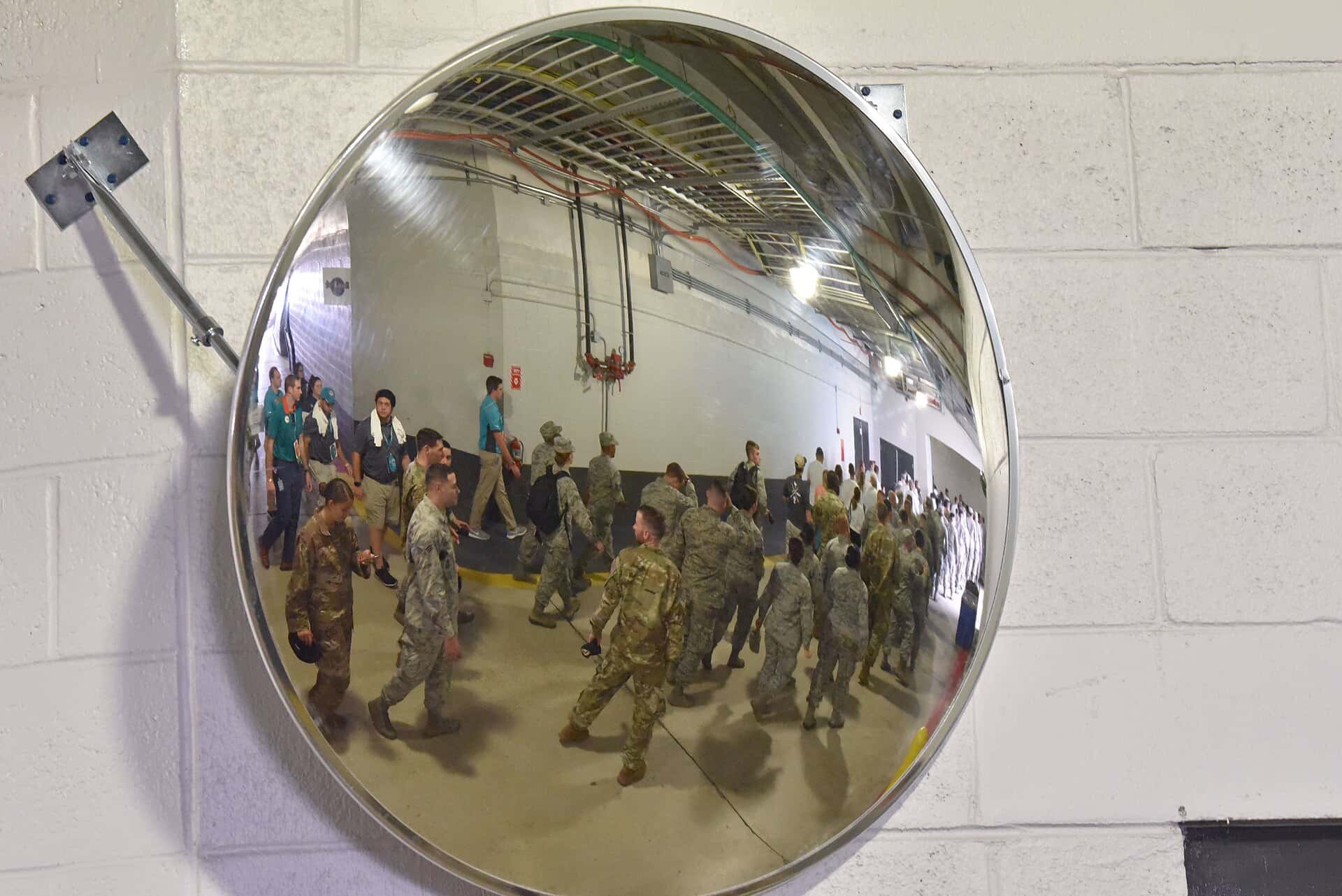
The transition was on full display from June 2 through June 4, when Willis worked with the first-team offense during the team's mandatory sessions. Tagovailoa, no longer on the roster, was not present, a quiet but unmistakable marker of how thoroughly the page had turned. For a franchise that had organized its plans around Tagovailoa for half a decade, the sight of a new quarterback leading the huddle underscored the scale of the change.
The overhaul extends well beyond the quarterback position. Miami also traded away wide receiver Jaylen Waddle during the offseason, parting with one of the more dynamic pieces of its recent passing attack. The combination of moves points to a roster in flux and a front office willing to absorb significant short-term pain in pursuit of a different long-term direction.
Guiding the reset is a new leadership tandem. Head coach Jeff Hafley and general manager Jon-Eric Sullivan, both of whom arrived from Green Bay, now steer the franchise. Their shared history with Willis, who also came from Green Bay, ties the decisions together and frames the quarterback change as part of a coordinated vision rather than an isolated gamble.
The end of the Tagovailoa era
Tagovailoa had been the face of the Dolphins' offense for more than five seasons, the quarterback around whom the team built its identity and its plans. Releasing a long-tenured starter is never a small decision, and doing so for a player of Tagovailoa's standing marks a definitive break from the recent past. The move closes a chapter that defined Miami football for the better part of a decade.
The financial dimension of the decision is historic. By releasing Tagovailoa, the Dolphins absorbed a dead-cap hit of roughly $99 million, the largest in NFL history. Dead money of that magnitude represents salary-cap space committed to a player no longer on the roster, a burden that constrains the team's spending and roster-building for the season. That Miami accepted such a hit underscores how committed the organization was to changing course.
For the fan base, the release is an emotional turning point as much as a football one. Tagovailoa's tenure encompassed years of hope, debate, and investment, and his departure asks supporters to reorient around a new face under center. The absence of a familiar starter from the spring's minicamp made the change tangible for fans following the team's offseason.
The decision also reflects a broader philosophy from the new front office. Choosing to eat a record dead-cap charge rather than continue with an established starter signals a willingness to prioritize a fresh direction over continuity. Whatever the football merits, the move communicates that Miami's new leadership intends to build the roster on its own terms.
Malik Willis takes the reins
Stepping into the starting role is Malik Willis, whom the Dolphins signed as a free agent after his time in Green Bay. Miami inked Willis to a three-year contract worth $67.5 million, with $45 million fully guaranteed, a commitment that establishes him as the clear choice to lead the offense in 2026. The guaranteed money reflects the organization's confidence in handing him the job.
Willis arrives with a limited but clean body of work. Over three games across the previous two seasons, he completed 70 of 89 passes for 972 yards, with six touchdowns and zero interceptions. The efficiency stands out: a high completion rate and an unblemished record on turnovers, albeit over a small sample. Those numbers offer a glimpse of promise rather than an established track record as a full-time starter.
The small sample size is the central question surrounding Willis. Three games is a narrow window from which to project a season as a starter, and the leap from spot duty to leading an offense for a full campaign is significant. Miami is betting that the efficiency Willis flashed in limited action can translate to a larger role, a wager with real uncertainty attached.
Behind Willis, the Dolphins have Quinn Ewers as the backup, giving the team a developmental option at the position. The depth chart reflects a clear hierarchy heading into the season, with Willis installed as the starter and Ewers in a supporting role. During minicamp, Willis took the first-team reps that confirmed his standing atop the quarterback room.
The Green Bay connection
Tying the Dolphins' offseason together is a shared Green Bay lineage. Head coach Jeff Hafley and general manager Jon-Eric Sullivan both came to Miami from the Packers organization, and Willis spent time there as well before signing with the Dolphins. That common background gives the quarterback decision a logic rooted in familiarity, with the decision-makers having prior knowledge of the player they chose to build around.
Familiarity can ease a transition. A coach and general manager who have seen a quarterback up close are better positioned to understand his strengths, his ceiling, and how to deploy him. For Willis, joining a staff that knows him offers a measure of continuity in an otherwise unfamiliar environment, and it may accelerate his adjustment to a starting role.
The connection also frames the broader reset as a coordinated plan. Rather than a series of disconnected moves, the release of Tagovailoa and the signing of Willis read as parts of a single vision shaped by leaders who arrived together and brought a known commodity with them. That coherence may reassure a fan base wary of upheaval.
At the same time, shared history carries its own risks. Betting on a known but unproven quarterback means the new leadership has tied a significant portion of its early tenure to a player with limited starting experience. If the wager pays off, the Green Bay connection will look prescient; if it does not, it will invite scrutiny of a decision built on familiarity rather than established production.
A roster in transition
The quarterback change is the headline, but it sits within a wider roster reshaping. The trade of wide receiver Jaylen Waddle removed a notable weapon from Miami's passing game, further altering the offensive picture that a new quarterback inherits. Pairing a quarterback change with the departure of a key receiver compounds the degree of transition the offense faces in 2026.
For Willis, the reshaped supporting cast adds another layer of challenge. Stepping into a starting role is difficult on its own; doing so amid changes to the surrounding personnel raises the degree of difficulty. The offense he leads will look different from the one Miami fielded in recent seasons, both at quarterback and among the players around him.
The moves collectively suggest a front office comfortable with disruption. Absorbing a record dead-cap hit, signing a new starter, and trading away an established receiver are not the actions of an organization seeking continuity. They point instead to a deliberate teardown and rebuild, with the new leadership willing to reshape the roster substantially in its first offseason.
How quickly the pieces cohere will shape the season. A roster in transition often needs time to develop chemistry and identity, and the Dolphins enter 2026 with significant change to integrate. The minicamp in early June offered an initial look at the new-look offense, but the real test will come once the games begin and the rebuilt unit faces live competition.
What it means for the fan base
For Miami's fan base, the offseason amounts to a franchise reset. Years of building around Tagovailoa gave the team a clear, if debated, identity. Replacing that foundation asks supporters to recalibrate expectations and invest in a new direction whose payoff remains uncertain. The emotional adjustment is as real as the football one.
The financial reality tempers expectations further. A record $99 million dead-cap hit constrains what the Dolphins can do to fill out the roster, limiting flexibility in a season already marked by change. Fans hoping for a quick return to contention must weigh that hope against the practical limits the cap charge imposes on the team's ability to add talent.
Those circumstances point toward a transition season. With an unproven starter, a reshaped supporting cast, and a constrained salary cap, 2026 has the markings of a rebuilding or transitional year rather than an immediate championship push. Managing expectations accordingly may be the most realistic frame for a fan base navigating the reset.
Still, transition seasons carry their own intrigue. The chance to watch a new quarterback grow into a starting role, under a staff that knows him well, offers a storyline worth following even if wins prove harder to come by. For South Florida fans, 2026 becomes a season of evaluation, a year to learn what the new era under Hafley, Sullivan, and Willis might ultimately become.
What's next
The immediate path runs through the offseason program and into training camp, where Willis will continue to acclimate to his role as the starter. The first-team reps he took during the June minicamp were an early step, and the weeks ahead will offer more chances to build rapport with his offense and demonstrate readiness for the season. Camp will provide a clearer picture of how the new-look unit comes together.
The new leadership tandem of Hafley and Sullivan will also continue shaping the roster around their chosen quarterback. With a record dead-cap hit limiting flexibility, the front office faces the task of building a competitive supporting cast within tight financial constraints. The decisions made in the coming weeks will reveal how the staff intends to maximize a roster in flux.
For Willis, the season represents an opportunity to convert a small sample of promising play into a sustained body of work. His efficient numbers from limited action set a baseline, but a full campaign as a starter will test whether that promise holds over a longer stretch. The Dolphins are counting on him to validate the faith reflected in his guaranteed contract.
For the fan base, the months ahead are about adjusting to a new identity and watching a reset unfold. The Tagovailoa era is over, the financial cost is on the books, and a new quarterback leads the offense. What that means for Miami's competitiveness in 2026 will become clear only once the season arrives, but the franchise has unmistakably chosen a new direction.
Spotted an issue with this article?
Have something to say about this story?
Write us a letterComments
No comments yet. Be the first to weigh in.
Related Coverage
Brady Tkachuk Scores in Hostile Ottawa Return, but Senators Beat Panthers 5-1
55m ago
Winless Dolphins Visit Jets in Week 7 as Jeff Hafley Says Malik Willis 'Should Be Good'
17h ago
Nikita Kucherov Ties Steven Stamkos' Lightning Points Record as Tampa Bay Routs Golden Knights 6-2
20h ago

Florida Bar Places IT Employee on Leave Over Racist, Homophobic Messages Sent to Miami's Damon Wilson II
23h ago