Dolphins Lead the NFL in Waiver Claims as Miami Resets Its Roster
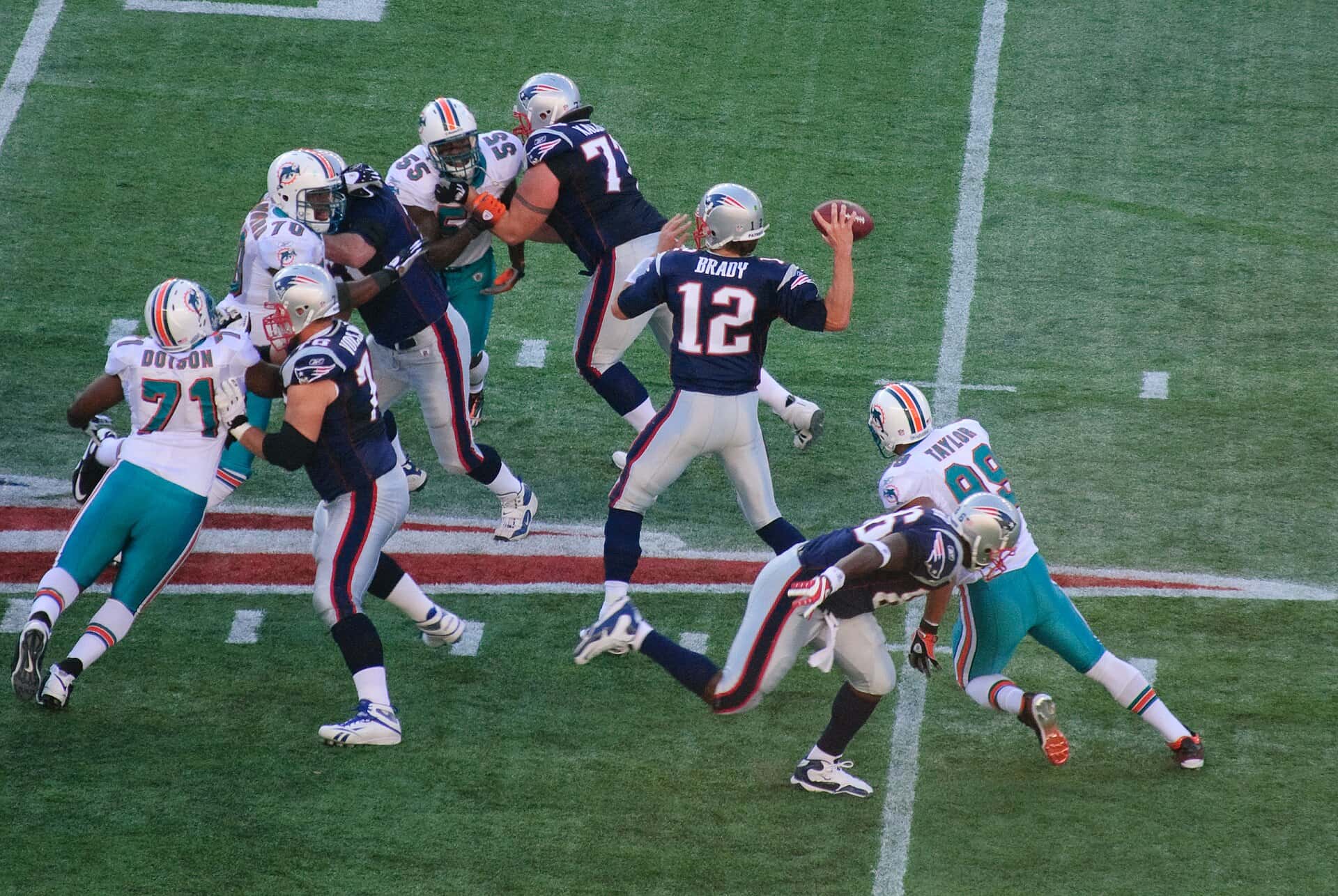
The Miami Dolphins claimed seven players off waivers on Monday, the most of any team in the NFL, one day after submitting an initial 53-man roster that was already the youngest in the league. The churn required Miami to release eight players it had just kept, and it capped an offseason in which first-year general manager Jon-Eric Sullivan tore down a roster built around a quarterback who is no longer on it. This is the first Dolphins season since 2019 without Tua Tagovailoa, and the team is absorbing an NFL-record dead cap charge to get here.
What Miami did on waiver day
NFL teams must reduce to 53 players by the deadline following the final preseason game. Every player released by a team with fewer than four accrued seasons passes through waivers, and clubs submit claims in reverse order of the prior season's standings. A team with a high waiver priority can effectively re-shop the entire league's cut list.
Miami used that position aggressively, submitting and winning seven claims, more than any other club. Because the roster limit remains 53, each successful claim forced a corresponding release, and the Dolphins moved on from eight players following Monday's additions. Several of those released were players the team had kept a day earlier, which is normal on waiver day and still jarring for the players involved.
The strategy behind heavy claiming is straightforward for a rebuilding team. Players cut by contending clubs are frequently young, cheap and better than the back end of a rebuilding roster. A team not competing for a division title in the current season has little reason to protect roster spots 46 through 53 and every reason to keep churning them.
The quarterback situation
Miami addressed its backup quarterback need through a trade, acquiring Kyle McCord from the Green Bay Packers at the end of August. The move came after the Dolphins traded quarterback Quinn Ewers to the Jacksonville Jaguars in exchange for a sixth-round selection in the 2028 draft, pending a physical.
That sequence, moving one young quarterback out and bringing another in within days, reflects a front office sorting through developmental options rather than settling on one. Both McCord and Ewers entered the league recently, and neither arrived in Miami as an established starter.
The larger context is the absence of Tagovailoa. Miami released him in March, and he subsequently signed with the Atlanta Falcons. For a franchise that spent six seasons organizing its offense around him, including a contract extension, the separation resets everything about how the quarterback room is constructed and evaluated.
The dead cap problem
Miami will carry roughly $182 million in dead cap in 2026, an NFL record. Dead cap is money charged against the salary cap for players no longer on the roster, generated when a team releases or trades a player whose signing bonus was prorated across future years. Releasing the player accelerates that unamortized bonus onto the books.
Tagovailoa alone accounts for approximately $99.2 million of it, the largest dead cap hit attributed to any single player in NFL history. Because he was designated a post-June 1 release, the charge splits across two seasons, with roughly $55.4 million landing in 2026 and $43.8 million in 2027.
The practical meaning is that Miami is fielding a roster with substantially less usable cap space than the league's nominal limit suggests, which explains the youngest-roster profile. Rookie contracts and minimum-salary veterans are what a team can afford when a large share of the cap pays players who are elsewhere. It also explains the waiver aggression: claimed players carry their existing contracts, which for young players are cheap.
What a rebuild year looks like
Sullivan has been explicit in direction if not in language, making deliberate moves to get younger and cheaper. That produces a roster with a high floor of athleticism and a low floor of experience, and it typically produces inconsistent play, particularly on the offensive and defensive lines where continuity matters most.
The upside of the approach is the 2027 cap sheet. Once the second half of the Tagovailoa charge clears after next season, Miami emerges with substantial spending capacity and, if the drafting and claiming work, a core of young players still on rookie deals. That is the trade the front office has made: absorb the pain in a compressed window rather than spreading it out.
The risk is that dead cap is a certainty and player development is not. Teams that eat record charges do not automatically emerge with a competitive roster on the other side. The seven waiver claims are a bet that volume produces hits, which is a reasonable bet and not a reliable one.
What it means for Dolphins fans
Expectations for the season should be calibrated to what the roster actually is. A team with the league's youngest roster, a first-year general manager's construction and a new quarterback room is not built to win the AFC East, and evaluating it against that standard will produce a frustrating autumn.
The more useful markers are developmental. Whether young offensive linemen hold up in pass protection, whether the defense generates pressure without heavy blitzing, and whether any of the seven claimed players emerges as a contributor are the questions that determine whether this rebuild is on schedule.
Fans should also expect continued roster turnover through the season. A team in this position uses its practice squad and its weekly transaction slots actively, and the 53 players on the roster in Week 1 will not be the 53 in December.
The in-state dimension
The Ewers trade sent a young quarterback from Miami to Jacksonville, which means Florida fans will get a direct look at how both franchises evaluated the same player. That does not happen often between in-state clubs, and it gives the Dolphins and Jaguars a shared thread through the season.
Florida's three NFL franchises enter 2026 in genuinely different places. Tampa Bay finalized a 53-man roster built heavy in the trenches with an older profile than it carried a year ago. Jacksonville is working through its own roster construction. Miami is the clearest teardown of the three.
For Florida football viewership, that divergence is actually favorable. Three teams on identical timelines compete for the same attention. Three teams at different stages give the state's fans distinct storylines to follow, which is roughly what Sunday afternoons in Florida will look like this fall.
How the waiver system works
The waiver wire is one of the more misunderstood mechanisms in professional football, and it explains why Miami was able to do what it did. Players with fewer than four accrued seasons who are released must pass through waivers, meaning every other team gets a 24-hour window to claim them.
Claiming priority runs in reverse order of the previous season's standings, so the team with the worst record picks first. A club coming off a poor season therefore has effectively first refusal on the entire league's cut list, which is a genuine competitive asset even though it stems from an unwanted outcome.
A claiming team assumes the player's existing contract, which is why the mechanism favors teams with cap flexibility for young, cheap players. Veterans with four or more accrued seasons become unrestricted free agents when released rather than passing through waivers, which is why waiver claims skew heavily toward first and second-year players. Miami claiming seven is the system working exactly as designed for a rebuilding team.
What the AFC East looks like
Miami's rebuild is happening inside a division that has not stood still. The AFC East has been reshaped repeatedly over the past several seasons, and the Dolphins are entering a year in which the gap between their roster and the division's better teams is likely to be visible from Week 1.
That has practical consequences beyond the standings. Division games account for six of 17 contests, and a young roster playing six games against superior opponents accumulates losses regardless of developmental progress. Evaluating a rebuild on record alone in that context produces a distorted picture.
It also affects the draft position that determines how quickly the rebuild can accelerate. A team absorbing a record dead cap charge while fielding the league's youngest roster is likely to pick early in the 2027 draft, and combined with the cap space that opens once the Tagovailoa charge fully clears, that is the intersection where a teardown either converts into a competitive roster or does not. Miami has organized its entire 2026 around arriving at that point with as much young talent as possible.
What's next
The Dolphins will finalize a practice squad and continue adjusting the bottom of the roster in the days before the regular season opens. Practice squad construction matters more than usual for a team in Miami's position, because it functions as a developmental pipeline rather than as emergency depth.
Watch the offensive line and the quarterback reps in the opening weeks. Those two areas will tell more about the 2026 season than the win-loss record does, and they are the areas where a young roster is most likely to be exposed.
The longer horizon is 2027, when the second installment of the Tagovailoa charge clears the books and the front office finally gets to spend. Everything Miami does this season is in service of arriving at that offseason with enough young talent to make the money useful.
There is also a human dimension to waiver day that the transaction log does not capture. Seven claims meant seven players changing cities on a day's notice, and eight players released after being told days earlier that they had made a roster. That churn is routine in the business and it is not routine for the people in it, which is worth remembering when the moves are discussed purely as roster arithmetic.
Spotted an issue with this article?
Have something to say about this story?
Write us a letterComments
No comments yet. Be the first to weigh in.
Related Coverage

ESPN Handshake Deal Moves College Football Closer to 24-Team Playoff as Miami, Florida Programs Watch
3h ago
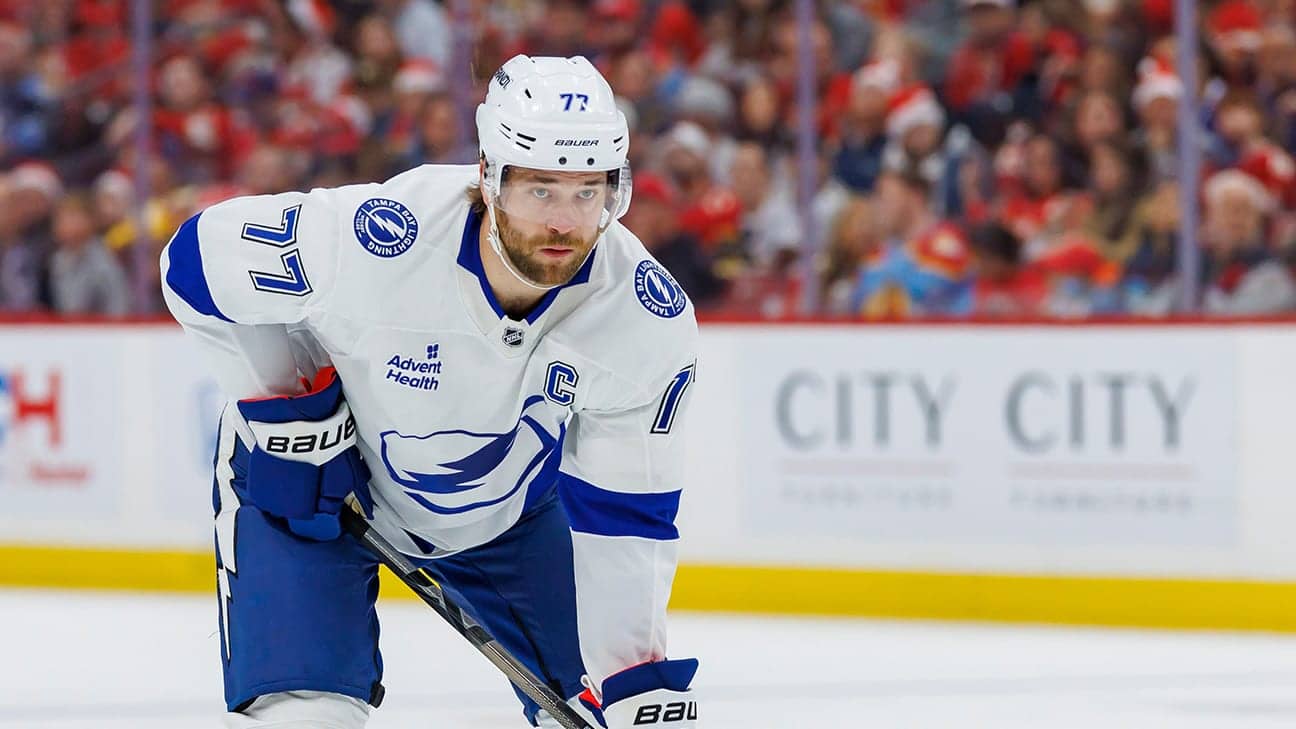
Victor Hedman Scores in Overtime as Lightning Beat Kraken 4-3 for Fifth Win in Six Games
21h ago
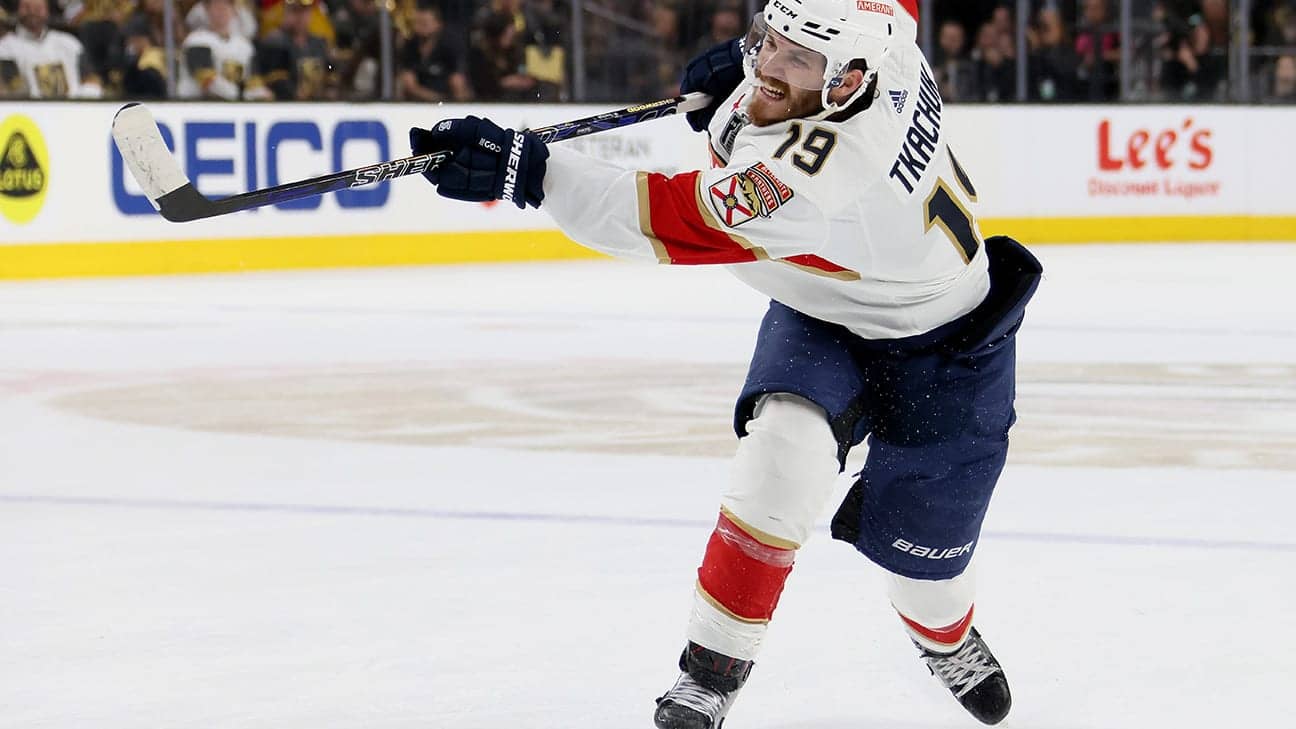
Brady Tkachuk Completes Second Straight Natural Hat Trick in Overtime as Panthers Stun Canucks 3-2
1d ago
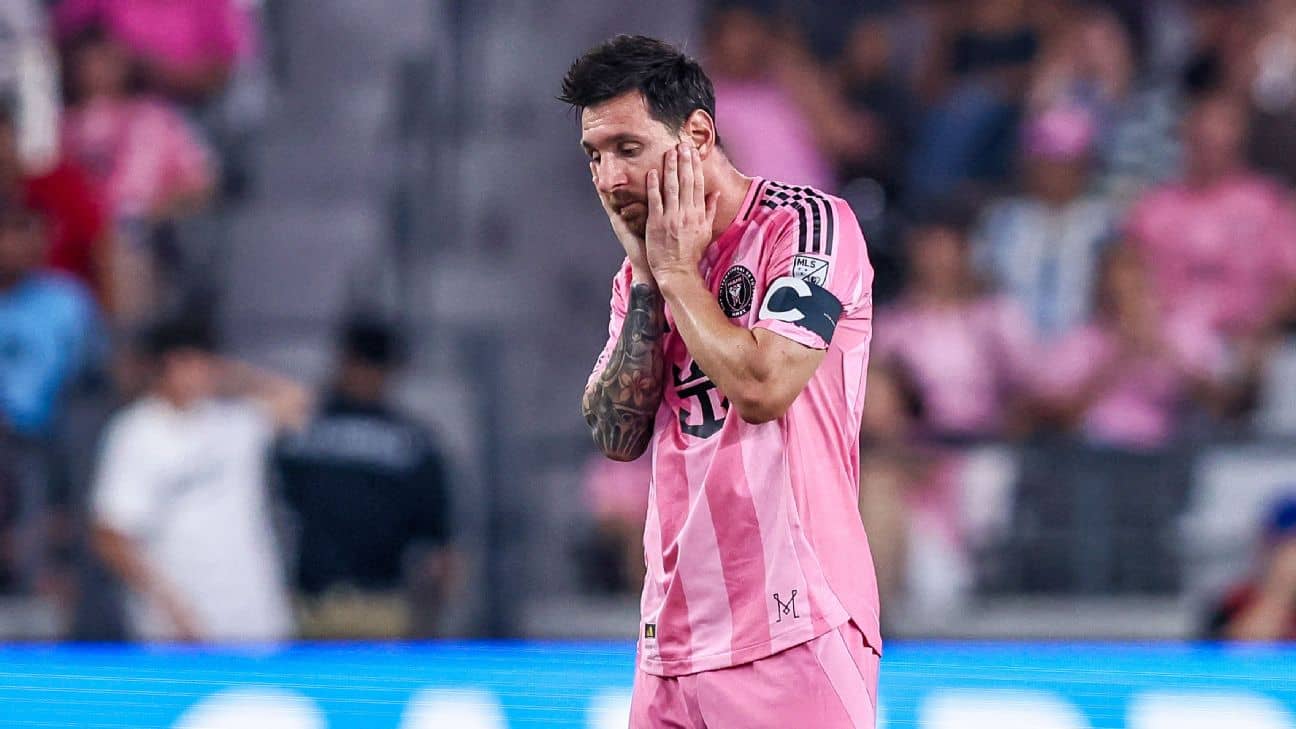
Messi Sets Up De Paul as Inter Miami Beats NYCFC 2-0 and Clinches an MLS Cup Playoff Berth
1d ago