71-Year-Old Man Killed by Nearly 12-Foot Alligator While Fishing at Winter Garden Park
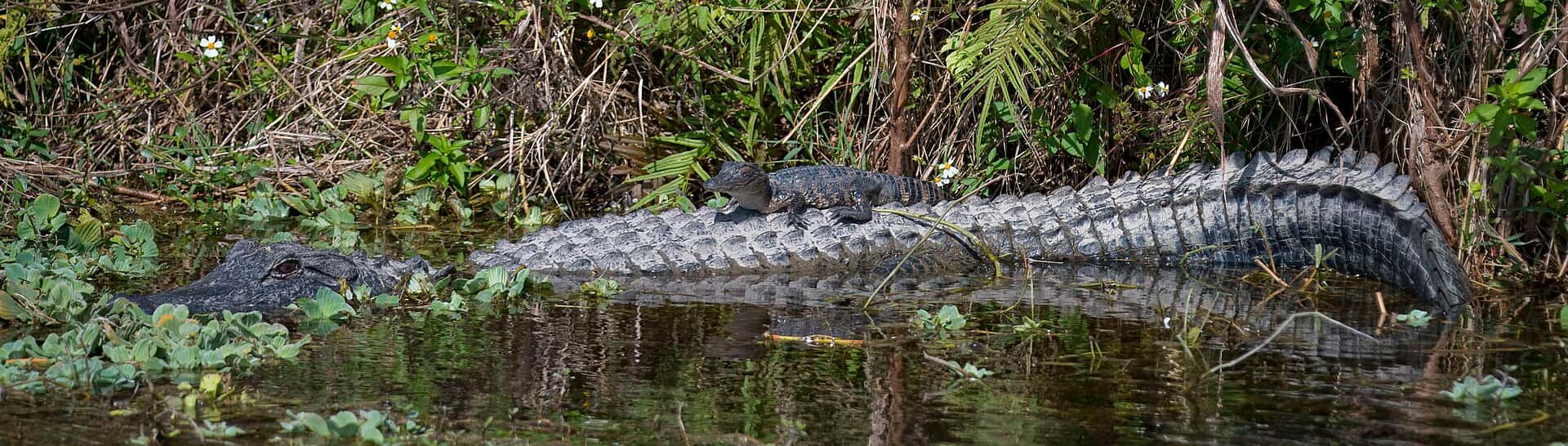
A 71-year-old Winter Garden man was killed Friday evening when an alligator pulled him into the water while he was fishing from the shoreline at Dr. Bradford Memorial Park, according to Winter Garden police and fire officials. Trappers later captured and killed an alligator measuring 11.8 feet, which officials believe was the animal involved.
The Florida Fish and Wildlife Conservation Commission identified the man as Steven Hamilton of Winter Garden. Winter Garden police and the FWC are jointly investigating the attack, the second fatal alligator attack in Central Florida since late June.
What happened
Winter Garden Fire Chief Jose Gainza said the man was fishing on the shoreline when he was pulled into the water. Police said the attack happened at around 5 p.m., and Gainza told FOX 35 that emergency crews responded to the park at about 5:20 p.m. after a 911 call reporting a possible alligator attack.
Rescuers could not immediately go in after him. Gainza said the pond was fully active, with several alligators in the water, which made a rescue attempt difficult. According to WKMG News 6, the man was reportedly in the water for about an hour. Gainza said his body was recovered at around 7 p.m.
The alligator
Winter Garden Police Capt. Michael Mason said trappers had captured and killed a nearly 12-foot alligator believed to be the one that attacked the man; he told News 6 the animal was dispatched by agents with the FWC. The FWC later clarified that the alligator measured 11.8 feet.
Officials have not said whether any other alligators will be removed from the pond. In the June fatal attack in Seminole County, the FWC used DNA testing to confirm which alligator was responsible; officials have not said whether similar testing is planned in Winter Garden.
The FWC extended its deepest sympathies to the family and loved ones of the victim, a spokesperson said, and noted that serious injuries caused by alligators are rare in Florida.
A park on the edge of Lake Apopka
Dr. Bradford Memorial Park in west Orange County has direct water access to Lake Apopka, which the FWC says has one of the largest American alligator populations in Central Florida. The park's pond connects to the lake, and the area is popular for fishing and wildlife watching.
Winter Garden police urged people who fish or walk near the water, especially around Lake Apopka where alligators are common, to stay aware of their surroundings and keep a safe distance from wildlife.
Second deadly attack in Central Florida since June
The death comes less than four months after 31-year-old Brittany Clark of Orlando was killed by an alligator on June 28 while swimming with friends in the Econlockhatchee River at Little Big Econ State Forest in Seminole County. Officials said she was in about 3 feet of water. The FWC later said laboratory testing confirmed that DNA from Clark matched a 13-foot alligator captured after the attack.
How rare fatal attacks are
The FWC tracks unprovoked alligator bites on people back to 1948. According to FWC data cited by FOX 35, there have been 500 such bites since then, 32 of them fatal. Recent years, as reported from that data:
| Year | Total bites | Deaths |
|---|---|---|
| 2025 | 13 | 2 |
| 2024 | 11 | 0 |
| 2023 | 23 | 2 |
| 2022 | 11 | 2 |
| 2021 | 9 | 0 |
Those numbers sit against a very large alligator population. The FWC estimates there are about 1.3 million alligators in Florida, living in all 67 counties and in rivers, streams, lakes, swamps, marshes and virtually any body of water that can support them, including stormwater ponds in neighborhoods and parks.
What the FWC advises anglers and others near water
The FWC's human-alligator incident fact sheet says alligators seldom bite people for reasons other than food, and that bites are most likely to happen in or around water. Although alligators are not well adapted to catching prey on land, the agency says they can lunge at prey within a few feet of the shoreline, a risk that applies directly to people fishing from a bank.
The agency's safety guidance includes several points aimed at anglers and park visitors:
- Stay aware of the possible presence of alligators in or near fresh or brackish water.
- Dispose of fish scraps in garbage cans rather than throwing them in the water, which can have the same effect as feeding alligators.
- Never feed or entice alligators; feeding them is illegal because it teaches them to associate people with food.
- Keep pets away from the water's edge, since dogs resemble natural prey.
- Remember that alligators are most active between dusk and dawn.
If an alligator bites, the FWC advises fighting back with as much noise and resistance as possible, including hitting, kicking or poking its eyes, and seeking immediate medical attention because bites often cause serious infection.
An 11.8-foot alligator is a large animal by Florida standards. According to the FWC, females rarely exceed 10 feet, though males can grow much larger; the state length record is a 14-foot, 3.5-inch male taken from Lake Washington in Brevard County. The FWC says alligators are most active when temperatures are between 82 and 92 degrees and stop feeding when it drops below roughly 70 degrees, which is why encounters taper off in winter.
How the state handles problem alligators
The FWC runs the Statewide Nuisance Alligator Program, known as SNAP, which uses contracted trappers to remove alligators that pose a threat. Anyone concerned about an alligator can call the toll-free Nuisance Alligator Hotline at 866-FWC-GATOR (866-392-4286).
According to the FWC, an alligator is generally considered a nuisance if it is at least 4 feet long and the caller believes it poses a threat to people, pets or property. Smaller alligators that end up in swimming pools, garages, porches or similar places can also be removed. When a complaint qualifies, SNAP issues a permit to a contracted trapper. The caller must be able to grant legal access, and the program does not remove alligators from private or publicly managed property without the owner's or managing agency's permission.
The FWC does not relocate nuisance alligators. The agency says relocated alligators often try to return to where they were caught, causing problems along the way, and that dropping them into remote areas would put them into conflict with established resident alligators. The agency also says removing nuisance alligators does not significantly affect the state's healthy population.
The FWC warns that people should never handle an alligator of any size, both because bites can cause serious infection and because doing so is illegal.
What's next
Winter Garden police and the FWC have not released further details, including whether the man was on the bank or in shallow water when he was seized, or whether there had been prior complaints about alligators at the park.
Officials have not announced any closure of Dr. Bradford Memorial Park. Residents who see an alligator they believe is a threat can report it through the FWC hotline at 866-392-4286.
Spotted an issue with this article?
Have something to say about this story?
Write us a letterComments
No comments yet. Be the first to weigh in.
Related Coverage

Extreme Drought Vanishes From Florida Map After a Week of Rain
22h ago

Record Sargassum Season Fades as Key West and UM Researchers Prepare for the Next Wave
5d ago
Florida's New Stormwater Pollution Credit Rules Draw Fire From Environmentalists and Industry Alike
6d ago
Lead pellets from shot iguanas linked to first known crocodile poisoning death in Florida
Oct 7