Dolphins Open Minicamp in a New Era After Releasing Quarterback Tua Tagovailoa
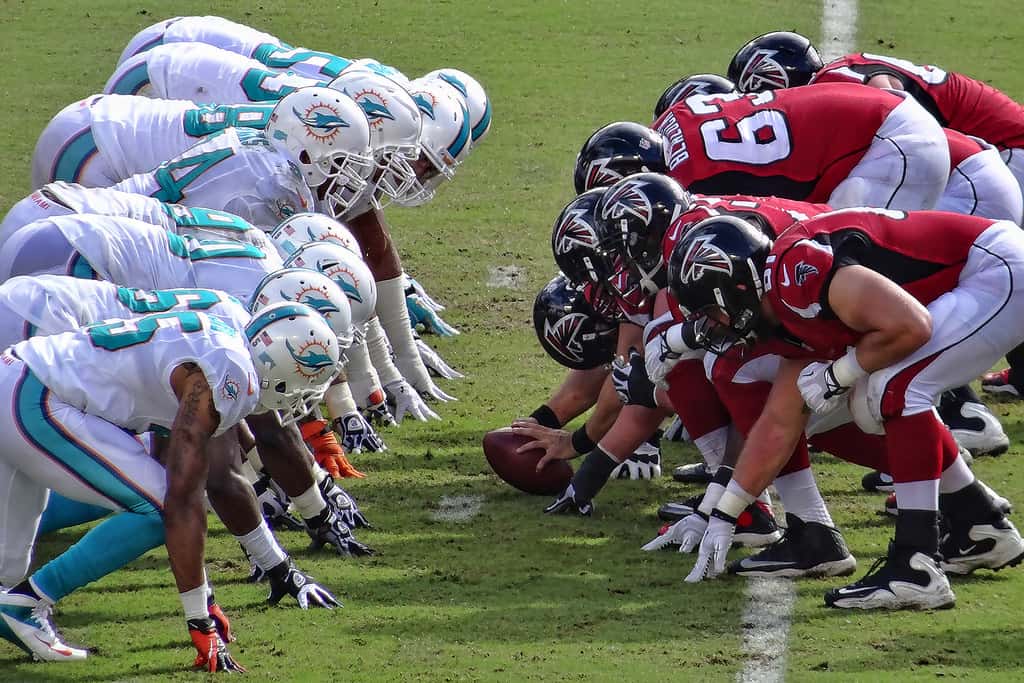
The Miami Dolphins have entered a new and uncertain era. The franchise released quarterback Tua Tagovailoa as it opened mandatory minicamp this week, ending a six-year run that once seemed destined to define the team for the better part of a decade. The move, made after the start of June to soften its salary cap impact, marks one of the most significant roster decisions in recent Dolphins history and signals a full reset under a new coaching staff.
Tagovailoa was informed he would be released only one year into the franchise-record contract extension he signed in 2024, a stunning reversal for a player the organization had committed to as its long-term answer at the most important position in sports. The decision carries a substantial financial cost, with the Dolphins absorbing a significant cap hit and remaining responsible for a large sum in guaranteed money.
The timing, coinciding with the opening of minicamp under new head coach Jeff Hafley, underscored how completely the franchise is turning the page. With Tagovailoa gone, newly acquired quarterback Malik Willis took the lead in practice, beginning the work of building chemistry with a heavily overhauled receiving corps and an offense being reshaped from the ground up.
The end of the Tagovailoa era
Tagovailoa arrived in Miami as a high first-round pick and a player around whom the franchise hoped to build a contender. Over his tenure he showed flashes of the accuracy and timing that made him a celebrated college quarterback, leading the offense to productive stretches and earning recognition in his best seasons. For a time, he appeared to be the stable answer the Dolphins had sought for years at the position.
But his run in Miami was also marked by durability concerns that repeatedly interrupted his availability, raising difficult questions about how the team could count on him over the long term. Those concerns, weighed against the size of his contract, ultimately shaped a decision that few would have predicted when he signed his extension just a year earlier.
Releasing a quarterback of his profile after such a short time on a new deal is unusual in the NFL and reflects how quickly circumstances can change in the league. For Dolphins fans, the move closes a chapter that began with genuine optimism and ends with the franchise once again searching for stability at quarterback, a familiar position for a fan base that has cycled through options for years.
The salary cap calculus
The decision to release Tagovailoa after June 1 was deliberate, allowing the Dolphins to spread the dead-money charge across two seasons rather than absorbing it all at once. That mechanism, a common tool for NFL teams parting with expensive veterans, freed up cap space for the current year while pushing part of the financial pain into the future.
Even with that maneuver, the move is costly. The Dolphins remain on the hook for a large amount of guaranteed money, an obligation that will be offset only by whatever salary Tagovailoa earns from a new team. The financial hit illustrates the risk teams take when they commit guaranteed money to a player and then change course before the deal runs its term.
The freed cap space gives the new front office flexibility to continue reshaping the roster, addressing needs across an offense and defense being remade in the image of the new coaching staff. How Miami deploys that flexibility will shape the team's competitiveness in the season ahead and reveal the priorities of the new decision-makers in charge of the franchise.
Malik Willis takes the reins
With Tagovailoa gone, Malik Willis steps into the spotlight as the player tasked with leading the offense. Willis flashed arm strength and velocity in early minicamp work, displaying the physical tools that have long intrigued evaluators even as he continues to refine the timing and consistency that NFL offenses demand at the position.
Building rapport with a substantially new group of pass-catchers will be among his most important tasks in the months ahead. The Dolphins overhauled their receiving corps, meaning Willis must develop chemistry quickly with teammates who are themselves learning a new system, a process that takes repetitions and time that the offseason program is designed to provide.
For Willis, the situation represents a genuine opportunity to establish himself as a starter after a winding path through the league. How he performs through the summer and into training camp will go a long way toward determining whether Miami has found a bridge, a long-term answer, or merely a placeholder while it continues to evaluate the position.
A new coaching staff sets the tone
The quarterback change unfolds against the backdrop of a broader leadership transition, with a new head coach and front office reshaping the organization's culture and approach. Minicamp offered the first extended look at how the new staff intends to operate, with an emphasis on competition and leadership that reflects the priorities of a regime trying to establish its identity.
Coaching transitions in the NFL often bring scheme overhauls on both sides of the ball, new terminology, and fresh expectations for players accustomed to a different system. For the Dolphins, that means a learning curve across the roster as players absorb new playbooks and adapt to new standards during the limited windows the offseason rules allow for on-field work.
The decision to move on from Tagovailoa so decisively signals that the new leadership is willing to make bold and expensive choices to build the team it wants. That willingness will be tested repeatedly in the months ahead as the staff continues to evaluate the roster and make the difficult calls that come with a rebuild.
What it means for the season
Expectations for the Dolphins have been tempered by the scale of the changes. A quarterback transition combined with a new coaching staff and an overhauled supporting cast typically points toward a transitional season rather than an immediate contender, and observers have cautioned fans to brace for growing pains as the new pieces come together.
The schedule will offer early tests of how quickly the offense can find its footing under Willis and the new staff. In a competitive division and conference, margin for error is slim, and the team's ability to develop continuity quickly could determine whether it stays in playoff contention or uses the year primarily to evaluate young talent and build for the future.
For a fan base that has endured long stretches without sustained success, patience may be required. The franchise is betting that a clean break and a fresh approach will eventually pay off, even if the short-term results are uneven while the new regime installs its vision and identifies the players who fit it.
How the fan base is reacting
The release of a franchise quarterback inevitably stirs strong emotions, and Dolphins supporters have responded with a mix of shock, frustration, and cautious curiosity about what comes next. Tagovailoa was a polarizing figure during his tenure, celebrated for his accuracy and the offense's production in its best stretches but second-guessed amid the injuries and the questions about whether he could carry the team in the biggest moments.
For many fans, the sheer financial cost of the move is difficult to absorb, particularly given how recently the franchise committed to him with a record extension. The decision to eat a substantial dead-money charge signals that the new leadership concluded a clean break was worth the price, a judgment that will be litigated endlessly on talk radio and social media throughout the offseason.
Others see an opportunity for a reset that the franchise arguably needed. A fan base that has chased stability at quarterback for decades is now asked to invest its hope in a new direction, and the response on the field this season will go a long way toward determining whether that hope is rewarded or whether the frustration deepens.
The bigger picture in the AFC
The Dolphins make this pivot in one of the most competitive landscapes in professional football. The conference is stacked with established quarterbacks and contenders, meaning Miami's rebuild unfolds against opponents who are not waiting for the Dolphins to sort themselves out. That context raises the degree of difficulty for a team installing a new system and a new starter at the same time.
Within the division, the margin for error is especially thin, with rivals who have invested heavily in their rosters. Climbing back into contention will require the new staff to maximize its talent quickly and to find answers at quarterback that have eluded the franchise, all while the rest of the division continues to push forward.
The fallout around the league
Tagovailoa's release immediately made him one of the most notable available quarterbacks, drawing interest from teams seeking to upgrade or add competition at the position. Reports linked him to clubs looking for a starter or a high-upside option, and his next destination will be among the more closely watched storylines of the offseason quarterback market.
For other teams, acquiring a quarterback of his pedigree at a reduced cost, since Miami remains responsible for much of his guaranteed money, could represent a value opportunity. The dynamics of his next contract and role will reveal how the rest of the league weighs his talent against the durability questions that contributed to his exit from Miami.
However his career unfolds elsewhere, the release closes a defining chapter for both the player and the Dolphins. South Florida football fans now turn their attention to a new quarterback, a new coaching staff, and a season that will reveal whether the franchise's bold reset moves it closer to the contention it has long pursued.
Spotted an issue with this article?
Have something to say about this story?
Write us a letterComments
No comments yet. Be the first to weigh in.
Related Coverage
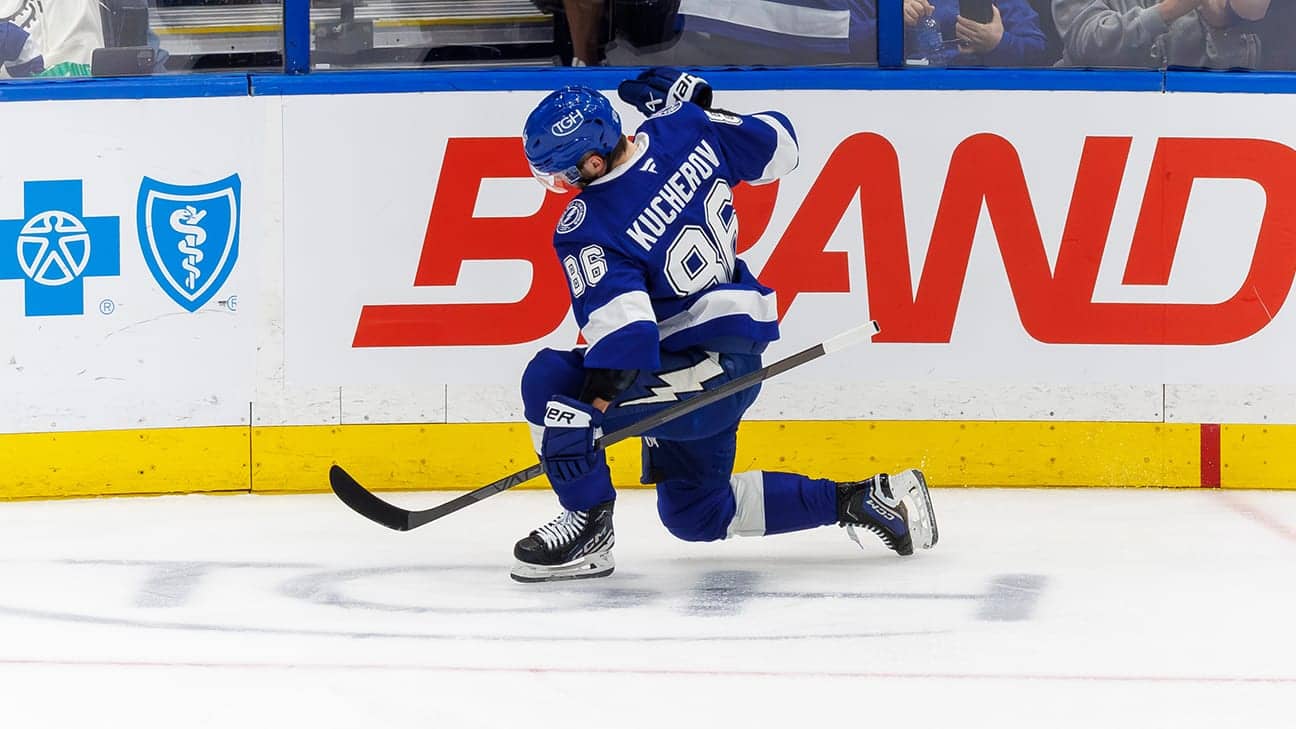
Nikita Kucherov Ties Steven Stamkos' Lightning Points Record as Tampa Bay Routs Golden Knights 6-2
2h ago

Florida Bar Places IT Employee on Leave Over Racist, Homophobic Messages Sent to Miami's Damon Wilson II
5h ago

C.J. Hicks' Record 96-Yard Fumble Return Sparks USF's 29-2 Homecoming Win Over Kent State
7h ago
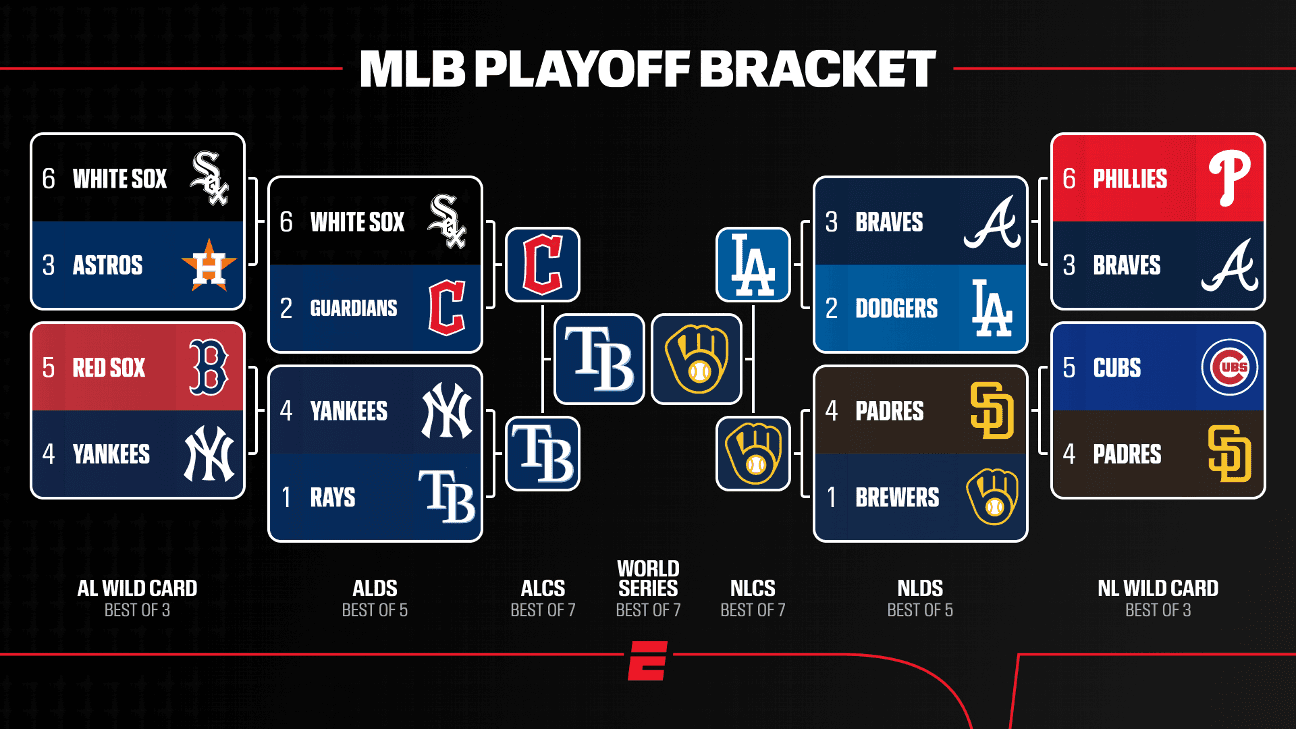
Rays vs. Brewers World Series Preview: Schedule, Tickets and a Guaranteed First-Time Champion
1d ago