Universal Debuts Nightly Spectacular at Epic Universe as Orlando Tourism Shows Summer Softness
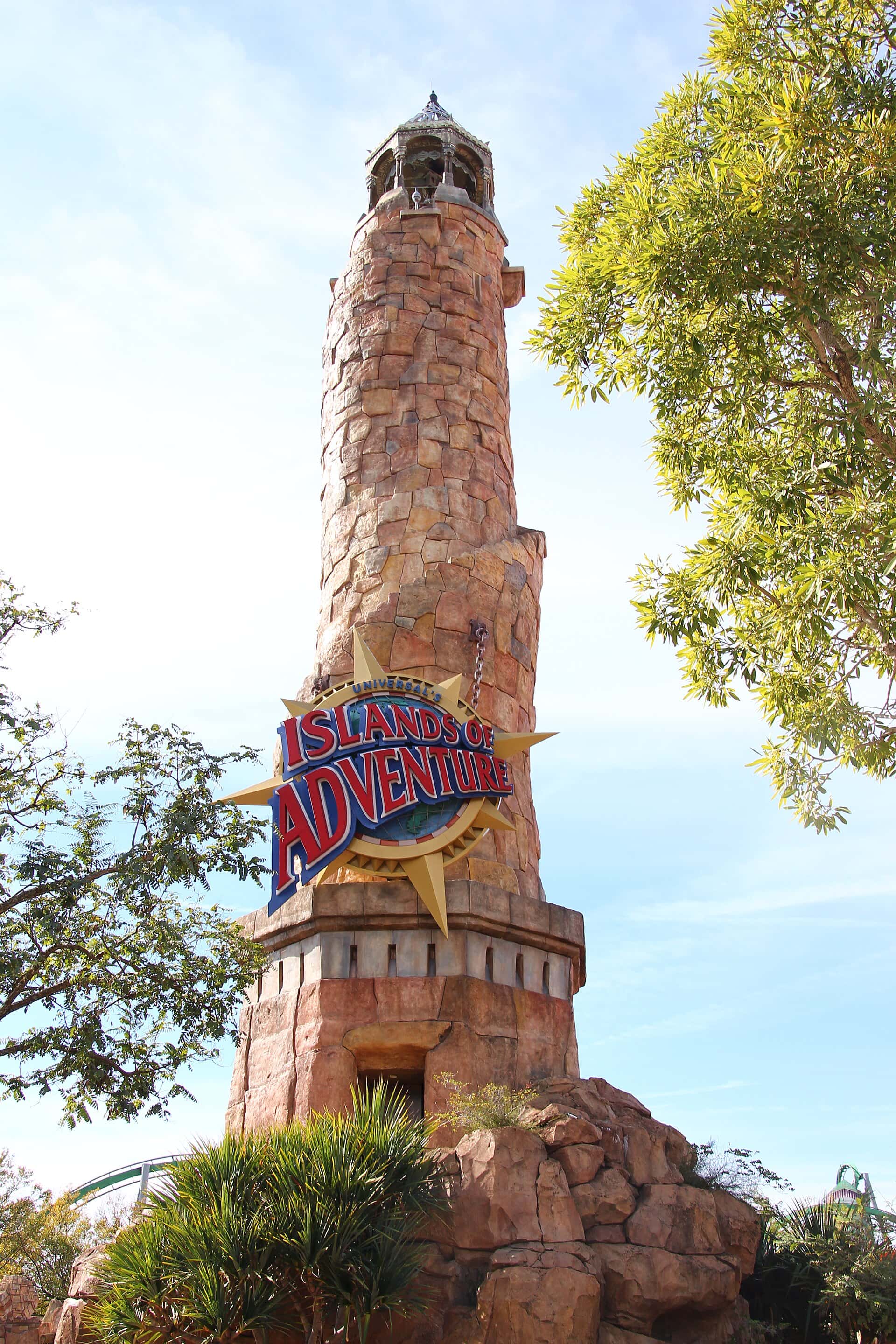
Universal Orlando has rolled out a major new nighttime show at its Epic Universe theme park and announced a limited-capacity after-hours event series, moves aimed at deepening the appeal of its newest park just over a year after it opened. The additions come even as Universal executives acknowledged that attendance across the broader Orlando tourism market has softened, a note of caution in one of Florida's most important economic engines.
The dual announcement captures the balancing act that defines Central Florida's tourism industry at the moment. On one side, operators are pouring resources into fresh experiences designed to keep visitors coming back. On the other, they are contending with a market that has cooled from its recent highs. For Universal, the timing underscores a deliberate strategy of leaning into new offerings precisely when the environment grows more competitive and consumers become more selective about how they spend on travel.
A new nightly spectacular
The centerpiece of the new offerings is a nightly show that debuted at Epic Universe, staged in the park's central hub. The production combines a large array of synchronized lights, hundreds of fountains, and millions of LED points to create an immersive nighttime spectacle that ties together the park's signature themed worlds, spanning mythology, video game characters, classic monsters, wizardry, and dragons. The show is designed to give guests a reason to stay into the evening and to cap a full day at the park with a marquee finale.
Nighttime spectaculars have long been a staple of the theme park business, serving as both a crowd-pleasing capstone and a strategic tool to extend guest visits and spending into the evening hours. By adding a signature show, Universal is following a well-worn playbook to strengthen Epic Universe's identity and encourage repeat visits during its second year of operation. A memorable finale can shape how guests remember an entire day, and it often becomes a defining image that visitors share and associate with a park long after they leave.
Staging a show in the central hub also carries practical benefits. It draws crowds toward a common gathering point at the end of the day, helping to shape the flow of guests through the park and giving families a natural rallying place. The choice of the hub as a stage reflects a design philosophy that treats the park's core as a communal space rather than merely a passageway between themed areas.
By weaving together the park's distinct worlds into a single production, the show also reinforces the sense that Epic Universe is a cohesive destination rather than a collection of separate attractions. That kind of unifying moment can strengthen a park's overall identity, giving guests a shared experience that spans the range of stories and characters the park has assembled under one roof.
A new after-hours event series
Universal also announced a new limited-capacity after-hours event series inside Epic Universe, with select fall dates offering guests a chance to experience the park with smaller crowds and added perks. Such ticketed events, held after regular operating hours, have become a reliable revenue driver for theme parks, giving fans a premium experience while allowing operators to sell additional access to a park that has already generated strong demand.
The after-hours concept fits a broader industry trend toward tiered experiences that let parks capture more spending from their most enthusiastic guests. For Universal, the events add another layer to the Epic Universe offering and help keep the park in the conversation as it settles into its role alongside the resort's other parks. Limiting capacity is central to the appeal, since the promise of shorter lines and a less crowded environment is often what persuades guests to pay a premium for the experience.
Seasonal timing plays an important role as well. Fall has traditionally been a period when operators look for ways to sustain interest between the summer travel peak and the winter holidays, and special events help fill that stretch of the calendar. By concentrating the after-hours series on select fall dates, Universal can create a sense of exclusivity while smoothing out demand across a part of the year that might otherwise see softer turnout.
These events can also serve as a testing ground for how guests respond to different formats and price points. The insight operators gather from limited runs can inform future programming, making the after-hours series both a revenue opportunity and a way to learn more about what the park's most devoted visitors value most.
Epic Universe's first year
Epic Universe opened as Universal's ambitious bet on expanding its Orlando footprint and competing more directly for the multiday visitors who have long anchored their trips around the region's theme parks. The park added a fourth gate to the Universal Orlando resort, transforming it into a destination that Universal has pitched as worthy of a full vacation on its own. The company has said the park is delivering against expectations, drawing strong guest response and driving higher per-person spending across a broader resort experience.
The addition of a fourth park marked a significant shift in how Universal positions itself in the Orlando market. A larger resort with more gates gives the company a stronger claim on visitors' time, encouraging longer stays that spread across multiple days and multiple parks. That, in turn, can lift spending on hotels, dining, and other amenities, deepening the value of each visitor to the overall resort.
The steady stream of new additions, from the nightly show to the after-hours events and new character experiences, reflects the standard approach of building out a park's offerings in the years after opening to keep it fresh and to encourage return visits. For a park still early in its life, the pace of additions signals Universal's intent to keep momentum going and to give guests reasons to return before novelty fades.
Early performance is closely watched for any new park, since the first year sets expectations for what follows. Universal's message that the park is meeting its goals and lifting per-person spending suggests confidence in the underlying formula, even as the company continues to layer on experiences that broaden the park's appeal to different kinds of visitors.
Softness in the Orlando market
The new offerings arrive against a more complicated backdrop for Central Florida tourism. Universal executives acknowledged that attendance across the broader Orlando market began softening earlier in the summer and has remained under pressure into the third quarter. The candid assessment is a notable signal in a region where the theme parks anchor a tourism economy that supports hundreds of thousands of jobs and draws visitors from around the world.
A range of factors can weigh on theme park attendance, including economic uncertainty, the cost of travel, weather, and shifting consumer spending patterns. While Universal emphasized that Epic Universe itself is performing well and lifting per-person spending, the broader market softness is a reminder that the tourism sector remains sensitive to economic conditions even as operators invest heavily in new attractions.
Acknowledging softness openly can be a strategic choice as much as a candid one. By setting expectations, operators give themselves room to demonstrate resilience if their own results outperform the wider market. Universal's framing draws a distinction between the health of its newest park and the general trend, suggesting that a strong individual performer can hold up even when the overall environment grows more challenging.
The distinction between attendance and spending is also important. A market can see fewer visitors while the guests who do come spend more per person, a pattern that changes how operators think about growth. Investments in premium experiences, from signature shows to ticketed events, reflect a strategy that leans on higher spending per guest to offset a softer top of the funnel.
Why it matters for Florida
Tourism is one of Florida's largest industries, and Central Florida's theme parks are its beating heart. Orlando consistently ranks among the most-visited destinations in the country, and the health of the parks ripples through hotels, restaurants, transportation, and countless small businesses that depend on visitor spending. Trends in attendance and spending at the major parks are closely watched as a barometer for the region's economy.
The mix of aggressive investment and acknowledged market softness captures the balancing act facing Orlando's tourism industry. Operators are betting that new attractions and experiences will draw visitors and boost spending even in a more cautious environment, while keeping a close eye on the economic forces that shape how much families are willing to spend on vacations.
The reach of the theme parks extends well beyond their gates. The workers who staff hotels, the drivers who move visitors around the region, and the vendors who supply restaurants all feel the effects of shifts in park attendance. When the parks thrive, the benefits spread widely across the local economy, and when they soften, the same web of businesses feels the strain.
State and local officials watch these trends closely because tourism revenue underpins public budgets as well as private ones. Taxes tied to hotel stays and visitor spending help fund a range of public services, which means the fortunes of the theme parks carry weight far beyond the tourism sector itself.
A more competitive landscape
Orlando's theme parks operate in one of the most concentrated and competitive markets in the world, where a small number of major resorts vie for the same pool of visitors. In that setting, standing still is rarely an option. The pressure to introduce new attractions and experiences is constant, as each operator seeks to capture attention and give travelers a reason to choose one destination over another.
Universal's decision to add a nighttime show and an after-hours series can be read partly through this competitive lens. New experiences generate fresh reasons for visitors to plan a trip, and they help a park stay prominent in the conversation among fans and travel planners. In a crowded market, visibility and novelty are valuable currencies, and continual investment is one of the surest ways to maintain both.
The competition also shapes how operators think about pricing and value. As guests weigh the cost of a vacation against the experiences on offer, the perceived value of each park becomes a central factor in their decisions. Premium events and signature shows are part of how operators justify their pricing and differentiate themselves from rivals competing for the same discretionary dollars.
What comes next
For Universal, the near-term focus is on drawing guests to the new nightly show and the fall after-hours events while continuing to build out Epic Universe's offerings. The company's messaging suggests confidence that its newest park can keep performing even if the broader market cools, thanks to the novelty and scale of the experience it offers.
For Central Florida, the coming months will test whether the region's tourism engine can hold steady through a softer stretch. The theme parks have weathered downturns before, and the continued investment in new experiences reflects a long-term bet on the enduring draw of Orlando. How attendance trends develop through the rest of the year will shape the outlook for one of the state's most vital industries.
Much will depend on how consumers respond as the fall season unfolds. If the new offerings succeed in drawing guests and encouraging them to spend, they may help insulate Epic Universe from the broader softness. If the wider market remains under pressure, the results will offer a clearer picture of how much a strong individual park can defy a cooling trend.
Spotted an issue with this article?
Have something to say about this story?
Write us a letterComments
No comments yet. Be the first to weigh in.
Related Coverage

SeaWorld Orlando closes Mako after fatal fall on similar Georgia coaster
10h ago

Orlando Approves $12.6 Million Pulse Memorial Contract, With Construction Set to Begin Nov. 25
2d ago

Broward Denies Arts Grants to Stonewall Museum and Island SPACE Under Florida's Anti-DEI Law
3d ago

Tampa Theatre Reopens After $24.5 Million Restoration in Time for Its 100th Birthday
5d ago