Universal Debuts 'Celestial Goodnight' Nighttime Show at Epic Universe in Orlando
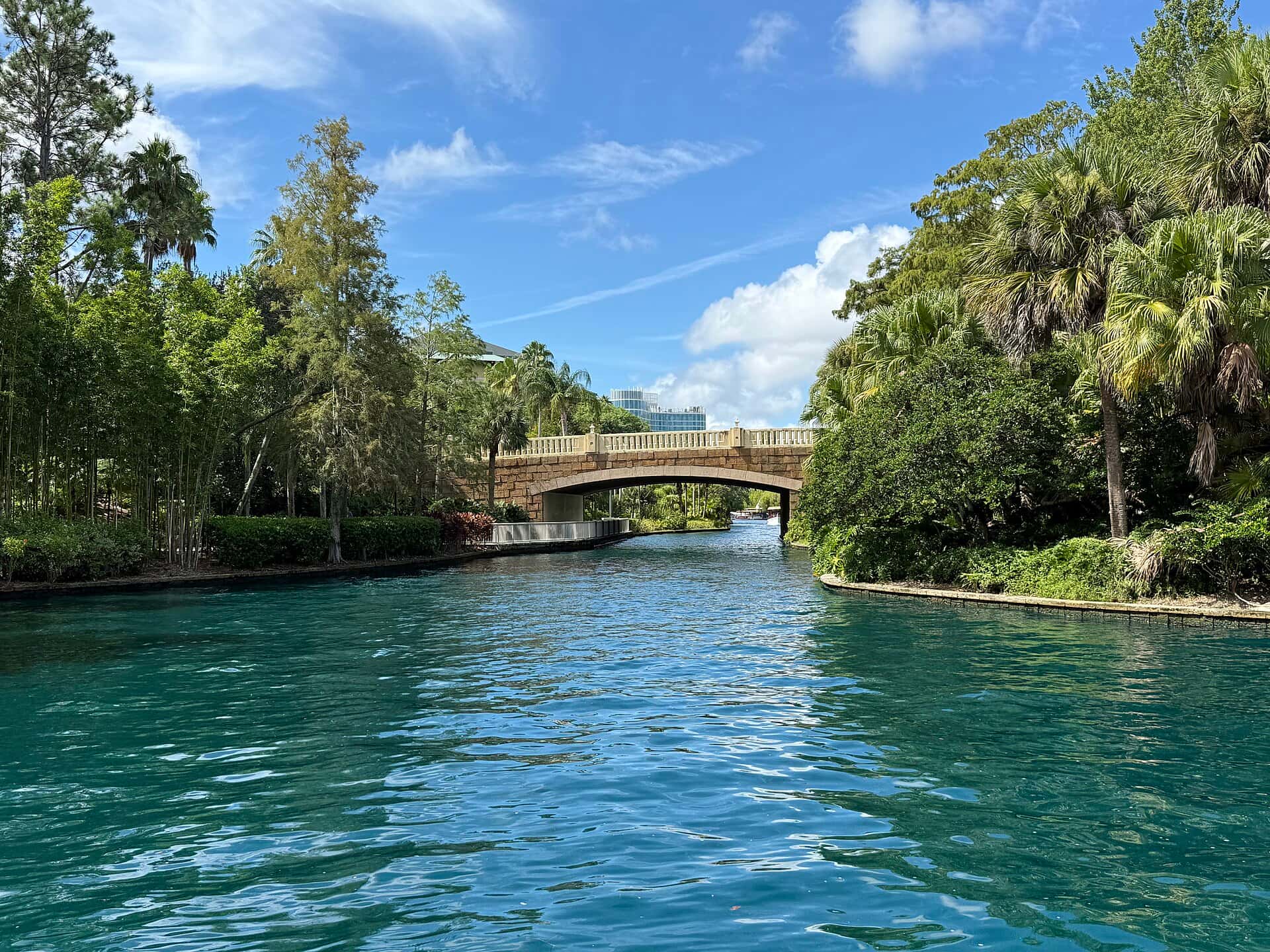
Universal has begun staging a new nightly nighttime spectacular at Epic Universe, its newest Orlando theme park, filling a gap that had been noted since the park first opened its gates. The show, called Universal Celestial Goodnight, debuted July 7, 2026 at the park's Celestial Park hub and closes out each evening with a blend of synchronized lighting, dancing fountains and a fireworks finale. The addition gives Epic Universe the kind of signature end-of-night moment long fixed at rival Central Florida resorts.
The premiere marks a milestone for a park that opened in May 2025 without a marquee nighttime show, an omission that stood out in a market where the closing spectacular has become a defining part of the theme-park experience. For Universal, the new production is both an entertainment upgrade and a competitive move, arriving as the company continues to expand its footprint in a region where tourism drives much of the local economy. The resort described the show as a nightly send-off to cap a full day at the park.
The debut also lands at a moment of intensifying competition between Universal and Walt Disney World, the two anchors of Orlando's theme-park industry. Nighttime entertainment does more than entertain guests. It encourages visitors to stay later and spend more on food, merchandise and lodging, all of which ripple through the Central Florida economy.
A Signature Show at Last
For its first year of operation, Epic Universe lacked a signature nighttime spectacular, a notable absence in a market where such shows are considered essential. Walt Disney World's parks have long ended their days with elaborate fireworks and projection productions, and the expectation of a grand nightly finale is deeply ingrained among Orlando visitors. Epic Universe's opening without one left a conspicuous hole in its lineup.
Universal Celestial Goodnight is designed to answer that gap directly. Staged in Celestial Park, the lushly landscaped central hub that guests pass through on their way into the park's themed lands, the show turns the park's entrance area into the stage for its nightly close. That placement means the spectacle greets guests as they arrive and bids them farewell as they leave, anchoring the production at the heart of the park rather than at a single distant vantage point.
The choice of Celestial Park as the setting reflects the way the area was built. With its fountains, sweeping walkways and open sightlines, the hub was engineered as a gathering place, and the new show leans into those features rather than relying solely on fireworks bursting overhead.
The result is a nightly ritual that Universal can point to as a headline attraction in its own right. A signature closing show does more than send guests home on a high note. It becomes part of a park's identity and a reason for visitors to plan their days around staying until closing, a dynamic that Universal had been missing at Epic Universe until now.
Inside the Spectacle
The show is built on a large-scale technical framework spread across Celestial Park. According to details shared about the production, it features roughly 600 synchronized lights, more than 350 fountains and about 7 million LED lights woven throughout the hub, all choreographed to work together as a single performance. The scale of the installation reflects the ambition behind the effort to give the park a defining finale.
The fountains form a central element of the experience. With more than 350 of them in play, the water can be shaped, lit and moved in time with music and lighting cues, creating a fluid centerpiece that changes throughout the show. Combined with the synchronized lights and the vast array of LEDs, the production is designed to transform the familiar daytime look of Celestial Park into an immersive nighttime canvas.
Capping the show is a fireworks finale, the traditional exclamation point that Orlando audiences have come to expect from a nightly spectacular. The pyrotechnics give the production the overhead spectacle that pairs with the ground-level water and light effects, rounding out a show that plays out across multiple dimensions rather than concentrating everything in the sky.
Taken together, the elements are meant to deliver a multisensory close to the day. By layering fountains, lighting and fireworks into a coordinated sequence, Universal has aimed for a finale that feels distinct from the projection-heavy shows guests may have seen elsewhere in the region.
Epic Universe's First Year
Epic Universe opened in May 2025 as Universal's newest Orlando theme park and the region's first major new park in decades. Its arrival was one of the most significant developments in the Central Florida tourism landscape in a generation, expanding Universal's presence in a market it had long shared with a much larger neighbor. The park's debut drew intense attention as a rare addition to an industry that does not often see entirely new gates open.
The opening represented a major bet on continued growth in Orlando visitation. Building a park on the scale of Epic Universe requires enormous investment, and its launch signaled Universal's confidence that demand would support another large-scale attraction in the metro area.
Yet even a debut of that magnitude arrived with a noticeable gap. Without a signature nighttime show, Epic Universe opened missing one of the elements that many visitors associate with a complete theme-park day in Orlando. That absence became a recurring point of discussion during the park's first year, standing out precisely because the rest of the operation was so ambitious.
The launch of Universal Celestial Goodnight roughly a year after opening addresses that shortfall and rounds out the park's first-year story. It suggests a phased approach in which the park opened with its major daytime attractions in place and then added the nightly spectacle once operations had settled, a sequence that leaves Epic Universe entering its second year with a more complete lineup.
The Orlando Theme-Park Rivalry
The new show unfolds against the backdrop of Orlando's long-running theme-park competition between Universal and Walt Disney World. The two companies have shaped Central Florida's tourism economy for decades, and their rivalry drives continual investment in new rides, lands and entertainment as each seeks to capture a larger share of the region's visitors. Epic Universe was itself a major escalation of that contest.
Nighttime entertainment has become one of the arenas in which the competition plays out. Disney's parks have built strong reputations around their nightly shows, and the closing spectacular has become a benchmark that visitors use to judge a park's overall experience. By adding its own signature finale, Universal is directly competing on a front where its rival has long held an advantage.
The stakes go beyond bragging rights. A compelling nighttime show can influence how travelers choose to spend their vacation days and their dollars, shaping which park earns an extra evening of a family's trip. Where visitors often split their time among resorts, a reason to stay at Epic Universe until closing can translate into meaningful gains.
For Universal, closing the nighttime-entertainment gap removes a point of comparison that had favored its competitor. The move fits a broader pattern of aggressive expansion by the company, which has been investing heavily to strengthen its position in Orlando. Celestial Goodnight is one more piece of that strategy, aimed at ensuring Epic Universe can stand alongside the region's established parks on every front.
Why Nighttime Shows Matter
Beyond spectacle, nighttime shows serve a clear commercial purpose. A strong evening finale encourages guests to stay in the park longer, and longer stays tend to mean higher spending. Visitors who remain until closing are more likely to buy dinner, snacks and drinks, browse merchandise shops and linger in ways that add to a resort's revenue over the course of a day.
The effect extends to lodging as well. Guests who plan to stay late may be more inclined to book a hotel room, and a memorable closing show can tip a day trip into an overnight stay. Those decisions matter to a resort's bottom line and to the wider hospitality industry that surrounds the parks.
For a park competing directly with a neighbor known for its nightly productions, matching that offering also removes a reason for visitors to favor the other resort at day's end. A guest deciding where to spend a final evening now has a signature reason to choose Epic Universe, a consideration that did not exist during the park's first year without such a show.
These dynamics help explain why Universal would invest in a large-scale production more than a year after the park opened. The show is not only a satisfying send-off. It is a tool for extending visits, lifting spending and strengthening the park's competitive standing.
What It Means for Central Florida
Tourism is a pillar of the Central Florida economy, and the region's theme parks sit at the center of that engine. Attendance at parks like Epic Universe drives demand for hotels, restaurants and a broad range of services across the Orlando metro, supporting employment far beyond the parks themselves. When visitors stay longer and spend more, the benefits reach hotel workers, restaurant staff, transportation providers and countless other jobs tied to the visitor economy.
A new nighttime show, by encouraging longer stays and higher spending, feeds directly into that cycle. Guests who remain in the park until a late finale are guests who are eating, shopping and potentially booking rooms in the area, activity that translates into hours and income for the region's service workforce. In that sense, an entertainment addition inside the park has effects that extend well outside its boundaries.
Universal's aggressive expansion in Orlando amplifies those effects. The opening of Epic Universe added a major new draw to the market, and continued investment in the park, including the new nightly spectacular, helps sustain the visitor traffic that so much of the local economy depends on. Each enhancement that keeps guests engaged supports the broader tourism base that Central Florida relies upon.
The competition with Walt Disney World, meanwhile, tends to work in the region's favor. As each company invests to outdo the other, Orlando's overall appeal as a destination grows. Celestial Goodnight is a small part of that larger contest, but it reinforces the pattern of investment that keeps the region's tourism economy moving.
What's Next
With Universal Celestial Goodnight now running nightly, attention turns to how the show performs over the busy summer travel season and beyond. The production entered its run in early July, positioning it to reach large crowds during one of the year's peak periods for Orlando visitation. How guests respond in these early weeks will offer an initial read on whether the addition delivers the longer stays and stronger competitive standing Universal is seeking.
The show also sets a new baseline for Epic Universe as it moves into its second year. Having opened without a signature finale and then added one, the park now enters the next phase of its life with a more complete offering, and observers will watch whether Universal continues to refine or expand its nighttime entertainment over time. Shows of this kind are often adjusted as operators learn what resonates with audiences.
For Central Florida, the broader question is how the ongoing rivalry between Universal and Walt Disney World continues to shape the market. Each new investment by one resort tends to invite a response from the other, and the addition of a major nightly spectacle at Epic Universe is the latest move in that back-and-forth. Visitors, workers and businesses across the Orlando metro all have a stake in how that competition plays out.
In the near term, the practical takeaway for Orlando visitors is straightforward. Epic Universe now offers a nightly closing show to cap a day at the park, giving guests one more reason to stay until the end of the evening. Whether that translates into the extended visits and added spending Universal is counting on will become clearer as the summer season unfolds and the show settles into its regular run.
Spotted an issue with this article?
Have something to say about this story?
Write us a letterComments
No comments yet. Be the first to weigh in.
Related Coverage

Orlando Approves $12.6 Million Pulse Memorial Contract, With Construction Set to Begin Nov. 25
1d ago

Broward Denies Arts Grants to Stonewall Museum and Island SPACE Under Florida's Anti-DEI Law
3d ago

Tampa Theatre Reopens After $24.5 Million Restoration in Time for Its 100th Birthday
4d ago

Family sues Disney over brawl in Flight of Passage line at Animal Kingdom
5d ago