Disney World Closes Rivers of America for Cars Expansion
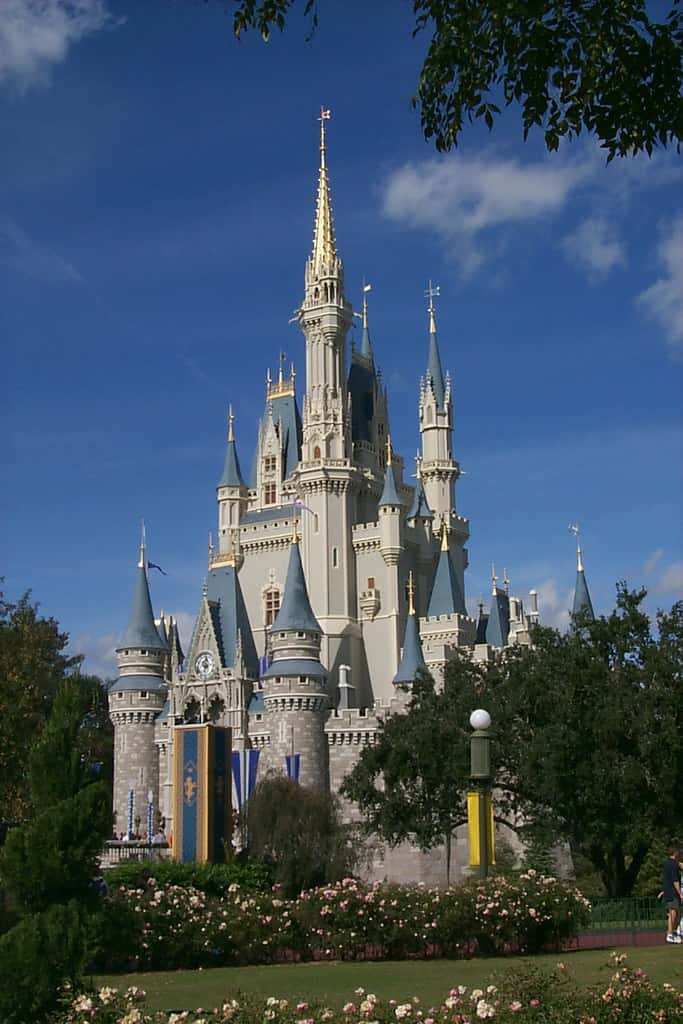
Walt Disney World's Magic Kingdom permanently closed three longtime attractions on July 7, 2026, clearing the way for a Cars-themed expansion that will reshape a corner of the Orlando park. The Rivers of America, Tom Sawyer Island and the Liberty Square Riverboat all took their final voyages, ending decades of service and setting off a wave of nostalgia among fans. The closures mark a major step in a multi-year transformation of the Magic Kingdom and underscore Disney's heavy investment in Central Florida amid growing competition.
The retirements are part of a large expansion Disney previously announced for the park, and they arrived alongside another significant change: the Carousel of Progress in Tomorrowland closed on July 6 for a lengthy refurbishment, with reopening expected sometime in 2027. Together, the moves signal a busy period of construction at the Magic Kingdom as Disney reworks classic spaces to make room for new experiences tied to one of its most popular film franchises.
Three Attractions Take Their Final Bow
The Rivers of America, Tom Sawyer Island and the Liberty Square Riverboat had long been fixtures of the Magic Kingdom, offering a slower, more scenic counterpoint to the park's thrill rides. The Rivers of America wound through the area near Frontierland and Liberty Square, providing a picturesque waterway that framed those lands. Its closure removes a defining visual element that many guests associated with that part of the park.
Tom Sawyer Island, reachable by raft across the river, gave visitors a chance to explore trails, caves and hideaways at their own pace. It was one of the few attractions where guests could roam freely rather than ride through, and its walk-through nature made it a distinctive experience. The Liberty Square Riverboat, a stately vessel that circled the river, offered a leisurely cruise steeped in Americana.
All three closed permanently on July 7, 2026, ending their runs together. For many longtime guests and Disney enthusiasts, the simultaneous retirement of the trio represented the loss of an entire connected experience rather than a single ride. The closures set the stage for the construction that will follow as the Cars project moves forward.
A Cars-Themed Expansion for Frontierland
The land freed by the closures will be transformed into a Cars-themed expansion in the Frontierland area. The project draws on the popular animated film franchise and represents a substantial addition to the Magic Kingdom's footprint. Disney has positioned the expansion as a centerpiece of its broader plans for the park, bringing a new intellectual property into a section long defined by its frontier and Americana theming.
Placing a Cars land in the Frontierland area reflects a creative effort to connect the franchise's automotive world with the natural landscapes that fit the region's aesthetic. The Cars films are set against desert and highway backdrops that lend themselves to expansive outdoor theming, and the expansion is expected to translate that setting into physical space at the Magic Kingdom. The scope of the project is significant, involving the reworking of a sizable portion of the park.
The Cars expansion is part of a multi-year effort, meaning guests will not see the finished product immediately. Construction of a project of this scale takes time, and Disney has framed the work as a long-term investment in the park's future. The closures on July 7 were the opening move in that process, making room for the building to come.
The Carousel of Progress Pauses
Separate from the Frontierland changes, the Carousel of Progress in Tomorrowland closed on July 6, 2026, for a lengthy refurbishment. The rotating theater attraction, which depicts the advance of technology across the decades through an audio-animatronic family, is expected to reopen sometime in 2027. Unlike the permanent closures of the river attractions, the Carousel of Progress is slated to return after its extended work period.
The Carousel of Progress holds a special place in Disney history as a classic attraction with roots reaching back to the company's earlier decades. Its temporary closure for refurbishment, rather than permanent retirement, distinguishes it from the fate of the Rivers of America and its companions. Guests who cherish the attraction can look forward to its return, though they face a wait that extends into 2027.
The timing of the two events, one day apart, concentrated a notable amount of change at the Magic Kingdom in early July. With a permanent closure of three attractions on July 7 and a long refurbishment beginning July 6, the park entered a period of visible transition. For guests visiting during this window, the combination underscored how much of the Magic Kingdom is in flux.
Nostalgia for Retired Attractions
The permanent closures stirred strong feelings among Disney fans, many of whom had grown up with the retired attractions or shared them with their own children. The Rivers of America, Tom Sawyer Island and the Liberty Square Riverboat represented a gentler, more contemplative side of the Magic Kingdom, and their loss resonated with guests who valued those quieter experiences amid the park's faster-paced offerings.
Nostalgia is a recurring theme whenever Disney retires longtime attractions. Fans often form deep attachments to specific rides and spaces, associating them with family traditions and memories accumulated over years of visits. The farewell to the trio of river attractions followed that familiar pattern, with enthusiasts marking the final days and reflecting on what the experiences had meant to them.
At the same time, the closures reflect the ongoing evolution that has always defined Disney parks. Attractions come and go as the company refreshes its offerings and introduces new stories, and the Magic Kingdom has changed considerably over the decades. The tension between preserving beloved classics and making room for new experiences is a constant in the parks, and the 2026 closures brought it into sharp relief.
Orlando's Tourism Engine
The changes at the Magic Kingdom carry weight far beyond the park itself. Orlando's theme-park tourism is the economic engine of Central Florida, drawing millions of visitors and supporting a vast network of jobs, hotels, restaurants and related businesses. Disney's decisions about its attractions ripple through the regional economy, making a project of this scale a matter of broad interest across the area.
Disney is investing heavily in the Magic Kingdom expansion at a time of intensifying competition in the Orlando market. Universal opened its Epic Universe park, adding a major new destination to the region and raising the stakes for all the area's operators. The multi-year Cars project and the broader park expansion can be seen as part of Disney's response to a more crowded competitive landscape.
For Central Florida, the investment signals continued confidence in the region as a global tourism hub. Large-scale construction projects like the Cars expansion generate economic activity during the building phase and are designed to draw future visitors once complete. The health of the theme-park sector remains central to the region's prosperity, and Disney's spending reflects the high stakes involved.
Guest Reaction and the Road Ahead
Guest reaction to the closures has mixed sorrow over the lost attractions with anticipation for what is coming. Some visitors mourned the end of the river experiences and the temporary loss of the Carousel of Progress, while others expressed excitement about the prospect of a Cars land at the Magic Kingdom. The response captured the dual nature of major park changes, which simultaneously close one chapter and open another.
During the construction period, guests visiting the Magic Kingdom will encounter altered sightlines and work areas as the transformation proceeds. Large projects can affect the atmosphere of a park while underway, and Disney typically uses barriers and screening to manage the impact. Visitors planning trips in the coming months and years will find a park in the midst of significant change.
The construction timeline stretches across multiple years, reflecting the ambition of the expansion. Disney has framed the work as a long-term commitment rather than a quick refresh, and the full realization of the Cars land will take time to complete. In the meantime, the Carousel of Progress is expected back in 2027, providing one nearer-term milestone in the park's evolution.
Balancing Change and Tradition
The 2026 closures reignited a long-running conversation among Disney fans about how the company balances innovation with the preservation of its heritage. The Magic Kingdom has always evolved, retiring older attractions to make room for new ones, yet each round of change tests the loyalty of guests who treasure the classics. The permanent loss of the river attractions struck a particular chord because they represented a quieter, more traditional style of park experience.
Disney's decision to build around a modern film franchise reflects a broader strategy of anchoring attractions to popular intellectual property that resonates with contemporary audiences. Supporters argue that tying new lands to well-known stories helps draw visitors and keeps the parks fresh, while some longtime fans worry that beloved original concepts are being replaced. That tension is likely to persist as the multi-year expansion continues.
For a park that has operated for decades, the challenge is to honor the memories guests have formed while offering new reasons to return. The simultaneous farewell to the river attractions and the temporary pause of the Carousel of Progress concentrated that challenge into a single stretch of July, giving fans much to reflect on as the Magic Kingdom moves into its next era.
What's Next
With the river attractions now permanently closed and the Carousel of Progress paused until 2027, attention turns to the progress of the Cars-themed expansion and the broader Magic Kingdom transformation. Guests and Central Florida businesses alike will watch for updates on the project's development as construction advances through its multi-year timeline. The finished land represents Disney's bet on drawing future visitors with a beloved franchise.
For now, the Magic Kingdom stands in transition, having said goodbye to a set of classic experiences while building toward new ones. The changes reflect both the nostalgia that longtime fans feel and the competitive and economic pressures shaping Orlando's tourism industry. As the Cars expansion takes form in the years ahead, it will offer a clear measure of how Disney intends to keep its flagship Florida park at the center of the region's visitor economy.
Spotted an issue with this article?
Have something to say about this story?
Write us a letterComments
No comments yet. Be the first to weigh in.
Related Coverage

Tampa Theatre Reopens After $24.5 Million Restoration in Time for Its 100th Birthday
5h ago

Family sues Disney over brawl in Flight of Passage line at Animal Kingdom
1d ago

Mother Sues Universal and Mack Rides, Saying Son Lost Consciousness on Epic Universe's Stardust Racers
6d ago
Walt Disney World turns 55 with Lakeshore Lodge reservations opening Oct. 8
Oct 1