Fed Expected to Hold Rates Again as Florida Homebuyers Wait for Relief
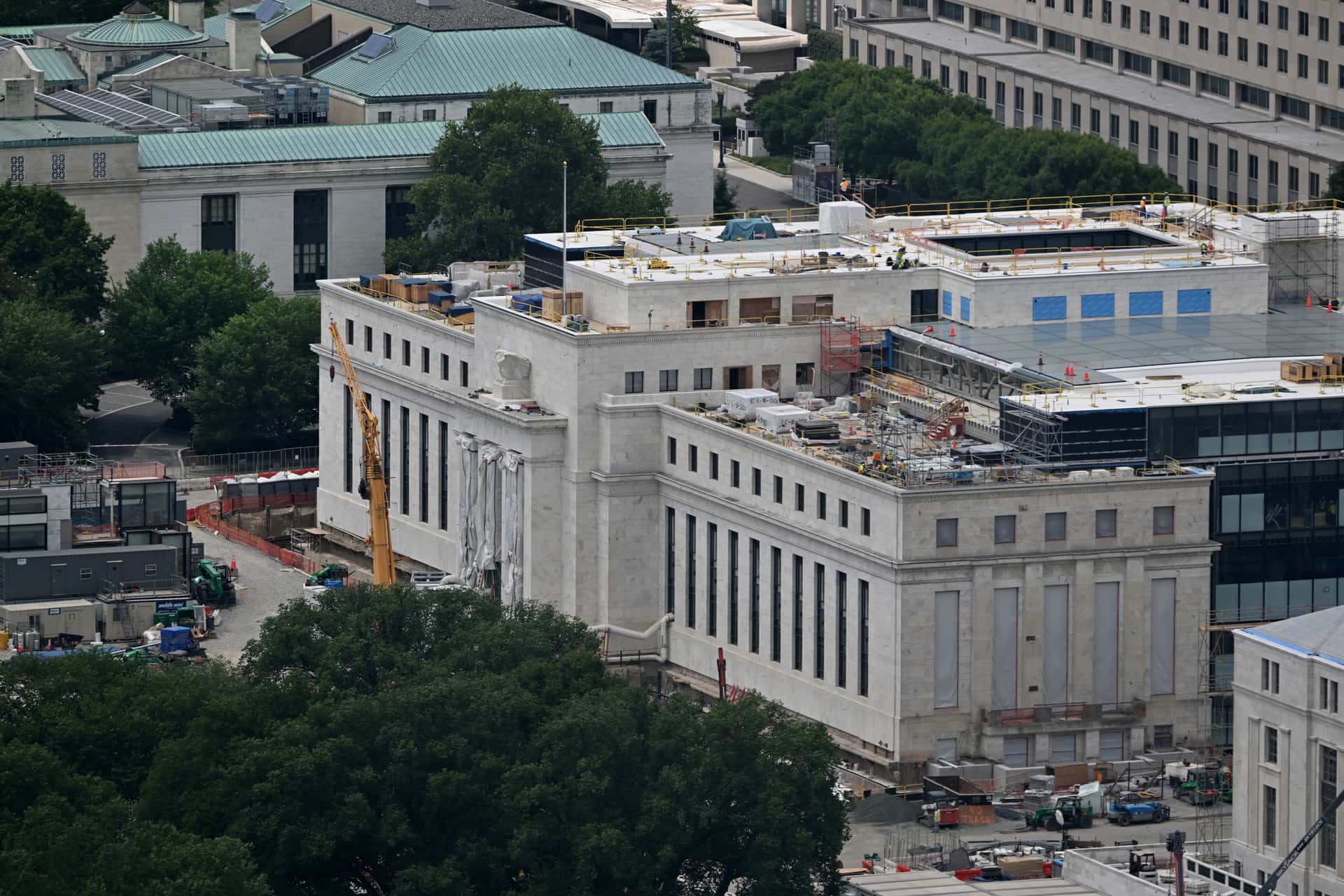
The Federal Reserve is widely expected to leave interest rates unchanged when it meets in late July, extending a holding pattern that has kept borrowing costs elevated and weighed on Florida's housing market. The central bank's benchmark rate has stood at 3.50% to 3.75% since December 2025, and the decision carries direct consequences for a state where real estate is a cornerstone of the economy.
Leading into the July 28-29 meeting, speculation has grown about the possibility of a rate hike rather than a cut, a shift in expectations driven by persistent inflation. Futures traders and prediction markets still anticipate that the Fed will hold steady, but the debate has moved from when rates might fall to whether they could instead rise, a reversal that has implications for Florida borrowers.
For Floridians, the Fed's stance influences mortgage rates, business loans, and the broader cost of credit. In a state where population growth, homebuilding, and real estate drive much of the economic activity, the central bank's decisions ripple through the housing market and into the finances of households and businesses across the peninsula.
The Fed's holding pattern
The Federal Reserve has kept its target range for the federal funds rate at 3.50% to 3.75% since December 2025, maintaining a restrictive stance intended to bring inflation back toward its target. The upcoming meeting on July 28-29 is expected to continue that hold, though the decision has drawn heightened attention amid shifting economic signals.
The central bank's benchmark rate influences the cost of borrowing throughout the economy, from credit cards to business loans to, indirectly, mortgage rates. By holding rates elevated, the Fed aims to cool demand and tame price pressures, accepting the tradeoff of higher borrowing costs in the near term to achieve greater price stability over time.
The prolonged hold reflects the Fed's judgment that inflation has not yet fallen enough to justify easing. Inflation projections have been revised upward to 3.6% for 2026, and that persistence has kept the central bank cautious, unwilling to lower rates prematurely and risk allowing price pressures to reaccelerate.
A shift toward hike speculation
In a notable change, the conversation ahead of the July meeting has centered on the possibility of a rate increase rather than a reduction. Market gauges have reflected meaningful odds of a hike, with one widely watched tool estimating a substantial chance that the central bank could raise rates by a quarter percentage point, though a hold remains the expected outcome.
The shift stems from concern about inflation, which has proven more stubborn than hoped. Remarks from Fed officials have signaled that the central bank's focus has moved from worries about the labor market toward containing inflation, a reorientation that has fueled speculation about tighter policy rather than the loosening that many had anticipated earlier in the cycle.
For borrowers, the change in tone matters. The prospect of rates rising rather than falling dashes hopes for near-term relief and suggests that elevated borrowing costs may persist longer than expected. That uncertainty complicates planning for anyone contemplating a major purchase or investment that depends on financing.
The Florida housing connection
Florida's housing market is especially sensitive to interest rates, given the central role that real estate plays in the state's economy. Elevated mortgage rates raise the cost of homeownership, stretching affordability in a state where prices have already climbed and where insurance costs add another layer of expense for buyers.
Despite the pressure, Florida's housing market has shown resilience, with home sales extending a lengthy streak of year-over-year growth. That durability, driven by continued in-migration and a diverse economy, has surprised some observers and demonstrates that demand in the state can persist even in a higher-rate environment, though affordability remains strained.
Higher rates weigh most heavily on first-time buyers and those at the margins of affordability, who feel the difference in monthly payments most acutely. A hold, rather than a cut, means those buyers continue to face the same elevated costs, keeping homeownership out of reach for some and pushing others toward smaller homes or less expensive markets within the state.
Beyond housing
The Fed's decisions extend well beyond the housing market to affect Florida businesses and consumers broadly. Elevated rates raise the cost of business borrowing, which can dampen investment and expansion, particularly for small businesses that rely on credit to grow and that form a significant part of the state's economy.
Consumers feel the effects through higher costs on credit cards, auto loans, and other forms of borrowing. In a state with a large population of retirees and a substantial tourism and service economy, the cost of credit influences spending patterns and the financial well-being of households across a wide range of circumstances.
At the same time, higher rates benefit savers, who earn more on deposits and fixed-income investments. For Florida's many retirees, that dynamic offers a measure of upside, though it is often outweighed for younger residents and businesses by the increased cost of the borrowing they depend on to buy homes and fund their operations.
Inflation at the center
The Federal Reserve's caution stems from inflation that has proven more persistent than officials had hoped. With projections revised upward to 3.6% for 2026, price pressures remain above the central bank's target, and that persistence has kept policymakers reluctant to lower rates for fear of allowing inflation to reaccelerate before it is brought under control.
The reorientation of the Fed's focus, from earlier concern about the labor market toward containing inflation, reflects the shifting economic landscape. Remarks from central bank officials have signaled that inflation has become the dominant worry, a shift that has fueled speculation about tighter rather than looser policy and dashed hopes for near-term relief on borrowing costs.
For Florida, where the cost of living has climbed alongside home prices and insurance premiums, persistent inflation compounds the pressure on households. The interplay between inflation and interest rates shapes the broader affordability picture, and the Fed's efforts to tame prices carry consequences that reach into the daily finances of residents across the state.
The savers and the spenders
Higher interest rates create winners as well as losers, and in Florida the dividing line often falls between savers and borrowers. Retirees and others with savings benefit from the higher yields available on deposits and fixed-income investments, an upside that carries particular weight in a state with a large retiree population seeking income from their assets.
For borrowers, the picture is less favorable. Elevated rates raise the cost of mortgages, auto loans, credit cards, and business financing, weighing on younger residents, families, and the small businesses that depend on credit to operate and grow. The same policy that rewards savers imposes costs on those who borrow, creating divergent effects across the population.
That split illustrates the broad reach of monetary policy and the varied ways it touches Floridians. The Fed's decisions ripple through the economy unevenly, benefiting some while burdening others, and the balance of those effects shapes the overall impact on a state whose diverse population includes both substantial savings and significant reliance on credit.
Business and investment effects
Beyond housing and consumer credit, the Federal Reserve's stance shapes the environment for business investment across Florida. Elevated borrowing costs raise the price of financing expansion, equipment, and operations, and that dynamic can weigh on the decisions of businesses considering whether to grow, hire, or invest in new ventures.
Small businesses, which form a significant part of Florida's economy, are particularly sensitive to the cost of credit. Many rely on borrowing to manage cash flow and to fund growth, and higher rates can constrain their ability to expand or invest. The prolonged period of elevated rates has therefore carried implications for the state's entrepreneurial and small-business sectors.
The tourism and hospitality industries that anchor much of Florida's economy also feel the effects of monetary policy through its influence on consumer spending. When borrowing costs are high and consumers are cautious, discretionary spending on travel and leisure can soften, affecting a sector central to the state's economic vitality and employment.
The interconnected effects of interest rates across the economy illustrate the breadth of the Fed's influence. From the largest employers to the smallest businesses, the cost of credit shapes decisions that collectively determine the health of Florida's economy, and the central bank's cautious posture carries consequences that extend well beyond the housing market into the broader business landscape.
A market defined by migration
Florida's housing market draws much of its resilience from the steady flow of new residents relocating to the state, a dynamic that has persisted even in the higher-rate environment. That in-migration provides a durable source of demand, helping to explain why home sales have continued to grow despite the pressure of elevated borrowing costs.
Many of those relocating arrive from higher-cost states, and some bring substantial resources or purchase with cash, insulating a portion of the market from the direct effects of interest rates. That segment has helped sustain activity at the upper end of the market even as rate-sensitive buyers at the margins face greater challenges affording a home.
The interplay between migration-driven demand and rate-sensitive affordability shapes the overall trajectory of Florida real estate. While the Fed's decisions influence the cost of borrowing, the underlying pull of the state continues to draw residents, creating a market whose resilience reflects the enduring appeal of Florida even amid the headwinds of elevated interest rates.
What comes next
The July 28-29 meeting will provide the next signal about the direction of monetary policy, and Florida borrowers will be watching closely. A hold would extend the status quo, while any indication of a future hike would reinforce the message that relief on borrowing costs remains distant, shaping decisions across the state's economy.
The trajectory of inflation will ultimately determine the Fed's path. If price pressures ease, the door could eventually open to rate cuts that would lower mortgage costs and stimulate the housing market. If inflation persists, the central bank may hold rates elevated or even raise them, prolonging the pressure on borrowers and the housing sector.
For Florida, the stakes are considerable given the economy's reliance on real estate and growth. The Fed's cautious approach reflects the difficulty of balancing inflation against the risk of slowing the economy, and its decisions in the months ahead will help determine whether the state's housing market continues its resilient run or faces new headwinds from the cost of credit.
Spotted an issue with this article?
Have something to say about this story?
Write us a letterComments
No comments yet. Be the first to weigh in.
Related Coverage

Fed Beige Book: Florida tourism cools and more homes sell below asking as Southeast growth stays modest
8h ago

Byron Donalds says states must work with ICE, but a dozen states don't and courts have backed them
9h ago

Artemis II astronaut Christina Koch leaves flight status to become NASA's acting deputy chief engineer
10h ago

After cutting 760,000 from ACA plans over fraud, Trump administration reinstates some as Florida braces for open enrollment
10h ago