DeSantis Taps Henry Mack to Lead Florida Schools as Education Chief
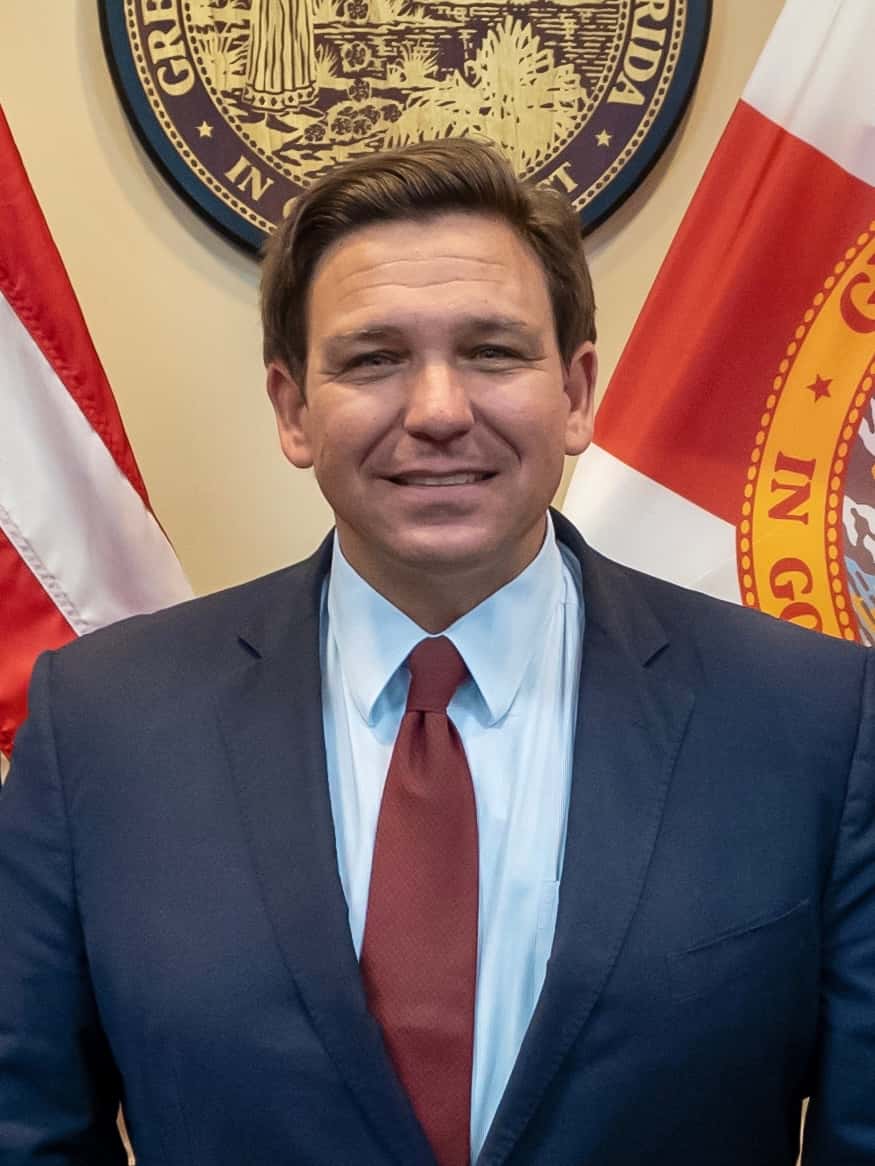
Gov. Ron DeSantis on Thursday, July 17, 2026, recommended Dr. Henry Mack to serve as Florida's next Commissioner of Education, setting up a decision by the state Board of Education next week that would place a familiar figure at the head of one of the nation's most closely watched school systems. The recommendation signals continuity in the education agenda DeSantis has pursued throughout his time in office, and it comes as his tenure enters its final stretch.
A Recommendation With a Clear Timeline
The announcement from the governor's office lays out a defined path forward. Under Florida's system, the education commissioner is not elected by voters. Instead, the post is filled by the Florida Board of Education, which appoints the state's top education official. DeSantis, as governor, put forward his recommendation, and the board is scheduled to consider the appointment at a meeting on Wednesday, July 22, 2026.
That structure means Mack's path to the job runs through the appointed board rather than a statewide campaign. The governor's recommendation carries significant weight in that process, though the formal authority to install the commissioner rests with the board members who will meet next week. For Floridians tracking the change, the July 22 meeting is the moment when the recommendation either becomes an appointment or returns to further deliberation.
The timing reflects a leadership transition already in motion at the Florida Department of Education. The recommendation of Mack does not arrive in a vacuum. It follows a reshuffling at the top of the agency that opened the commissioner's chair in the first place.
Why the Seat Opened
The vacancy traces back to the departure of Commissioner Anastasios Kamoutsas, who was selected to serve as president of Polk State College. That move created an opening at the head of the department and prompted the search for a successor. According to the governor's office, the leadership change at the college level cleared the way for the current recommendation.
To bridge the gap between commissioners, the state has named an interim leader. Dr. Paul O. Burns will serve as interim commissioner during the transition period, keeping the department's day-to-day operations running while the board considers the permanent appointment. That arrangement provides stability at the agency during a stretch when Florida schools continue to implement sweeping policy changes enacted in recent years.
The sequence, a college presidency for the outgoing commissioner, an interim leader in place, and a recommended permanent successor, illustrates how quickly the state moved to fill the post. With the board meeting only days away, officials appear intent on limiting any prolonged uncertainty at the top of Florida's education apparatus.
Who Is Henry Mack
Mack is not a newcomer to Florida education. Between 2019 and 2023, he led several divisions within the Florida Department of Education, giving him direct experience with the agency he is now recommended to run. During that period, he oversaw a broad portfolio that touched many corners of the state's education and workforce systems.
Those divisions included Florida Colleges, Career and Adult Education, Vocational Rehabilitation, Blind Services, the Office of Workforce Education and Economic Alignment, and the Commission for Independent Education. The range of responsibilities reflects a career focused heavily on the intersection of education and the workforce, an emphasis that aligns with the administration's stated priority of preparing students for jobs after graduation.
Mack currently serves as an Assistant Secretary at the U.S. Department of Labor in the Trump administration, a role that has kept him engaged in national workforce policy since leaving his earlier posts in Tallahassee. His academic credentials add another dimension to his profile. He holds bachelor's and master's degrees in philosophy and theology from The Catholic University of America, along with a doctorate in educational administration and the philosophy of education from the University of Miami.
That combination of hands-on administrative experience at the state level, current service in a federal workforce role, and advanced academic training in education policy forms the basis of the case the governor's office is making for the appointment.
The Agenda DeSantis Wants Continued
In recommending Mack, DeSantis framed the choice as a continuation of the direction his administration has set for Florida schools. The governor said Mack will build on Florida's record of success in education and shares the administration's commitment to a set of policy priorities that have defined the state's approach in recent years.
According to the governor's office, those priorities include parental rights, school choice, and the goal of preparing every student for the workforce. DeSantis also pointed to the administration's push to eliminate what it calls radical ideologies from the classroom, a phrase that has featured prominently in the state's education messaging throughout his tenure. The recommendation of Mack, in the administration's telling, is meant to keep those efforts moving forward without interruption.
Mack's earlier work at the department, particularly his focus on career and adult education and on aligning workforce training with economic needs, dovetails with the administration's emphasis on job readiness. That overlap appears central to the reasoning behind the recommendation, as the governor's office highlighted the workforce dimension of Mack's background.
The framing positions the recommended commissioner as an extension of existing policy rather than a change in course. For supporters of the administration's education agenda, that continuity is the point. For observers watching how Florida shapes classroom policy, Mack's record offers a preview of the priorities likely to guide the department if the board confirms the appointment.
Parental rights and school choice have been recurring themes in the administration's messaging, and both figure into the case for the recommendation. The governor's office tied Mack directly to those commitments, describing him as an official who shares the administration's approach on each. That alignment, according to the announcement, is a central reason the governor put his name forward rather than looking outside the circle of officials who have worked within the state's existing framework.
A National Flashpoint on Education
Florida has become a focal point in the national debate over education policy, and the recommendation of a new commissioner lands squarely in that context. In recent years, the state has expanded universal school-choice vouchers, broadening the options available to families and drawing attention from policymakers in other states weighing similar moves.
That expansion has made Florida a reference point in arguments over the role of public funds in private and alternative schooling. The state's approach has drawn both praise from school-choice advocates and criticism from those who favor a stronger emphasis on traditional public schools. Whoever leads the department inherits responsibility for administering a voucher system that now reaches broadly across the state.
The commissioner's office also sits at the center of ongoing debates over curriculum, classroom content, and the balance of authority between parents, teachers, and the state. Florida's decisions in these areas frequently ripple beyond its borders, drawing national commentary. The next commissioner will help steer those debates from one of the most visible perches in American education policy.
The administration's stated aim of eliminating what it calls radical ideologies from the classroom has been among the most contested elements of that national conversation. The phrase has featured in the state's education messaging and now attaches to the profile of the recommended commissioner. Whether viewed as a corrective or a source of controversy, the goal is one the administration has said Mack shares, placing it squarely within the mandate he would carry into the job.
Florida's prominence in the education debate means the choice of commissioner draws scrutiny well beyond the state. Advocates and critics alike track who leads the department, given how frequently the state's policies become templates or cautionary tales elsewhere. The recommendation of an official with deep roots in the department, rather than an outsider, reinforces the sense that Florida intends to stay its current course.
A Transition Near the End of a Term
The recommendation comes as DeSantis moves through the final phase of his time in office. His term ends in January 2027, which means the incoming commissioner would take the helm during a period of political transition at the top of state government. That timing gives the appointment added significance, as it could shape the department's direction beyond the current administration.
A commissioner installed now would be positioned to carry the administration's priorities into the months surrounding the change in the governor's office. Because the post is appointed rather than elected, the commissioner's tenure is not tied directly to the electoral calendar, giving the role a degree of continuity that spans political transitions.
For the state's teachers, students, and families, the practical questions center on how the leadership change affects the schools they interact with every day. The interim arrangement under Burns is designed to prevent disruption in the near term, while the recommendation of Mack points to the longer-term direction the administration hopes to lock in.
What Is Next
The immediate next step is the Florida Board of Education meeting on Wednesday, July 22, 2026, when board members are set to consider the appointment. That gathering will determine whether the governor's recommendation becomes official and whether Mack moves from the U.S. Department of Labor back to Tallahassee to lead the state's schools.
Until then, Burns remains in place as interim commissioner, ensuring the department continues to function during the transition. The board's decision will resolve the uncertainty and set the leadership of Florida education for the period ahead, including the months surrounding the end of the governor's term in January 2027.
Floridians watching the process can expect the board's July 22 meeting to provide the clearest signal yet on the future of the department. Should the board act on the recommendation, Mack would step into a role at the heart of a system that continues to draw national attention, tasked with carrying forward the priorities the administration has laid out.
Spotted an issue with this article?
Have something to say about this story?
Write us a letterComments
No comments yet. Be the first to weigh in.
Related Coverage
Pasco proposes closing Fox Hollow Elementary and remaking two west Pasco schools under 'Elevate 34668'
2h ago

Florida's proposed K-12 science standards face scrutiny ahead of December state board vote
1d ago

Santa Rosa Board Keeps Schools Closed Until Oct. 19, Reversing Isaias Reopening Order as Escambia, Okaloosa and UWF Set Returns
3d ago
No Florida College or University Has Joined the Armed Guardian Program Five Months After HB 757 Became Law
3d ago