Fed Rate Policy Keeps Its Grip on Florida's Cooling but Stabilizing Housing Market
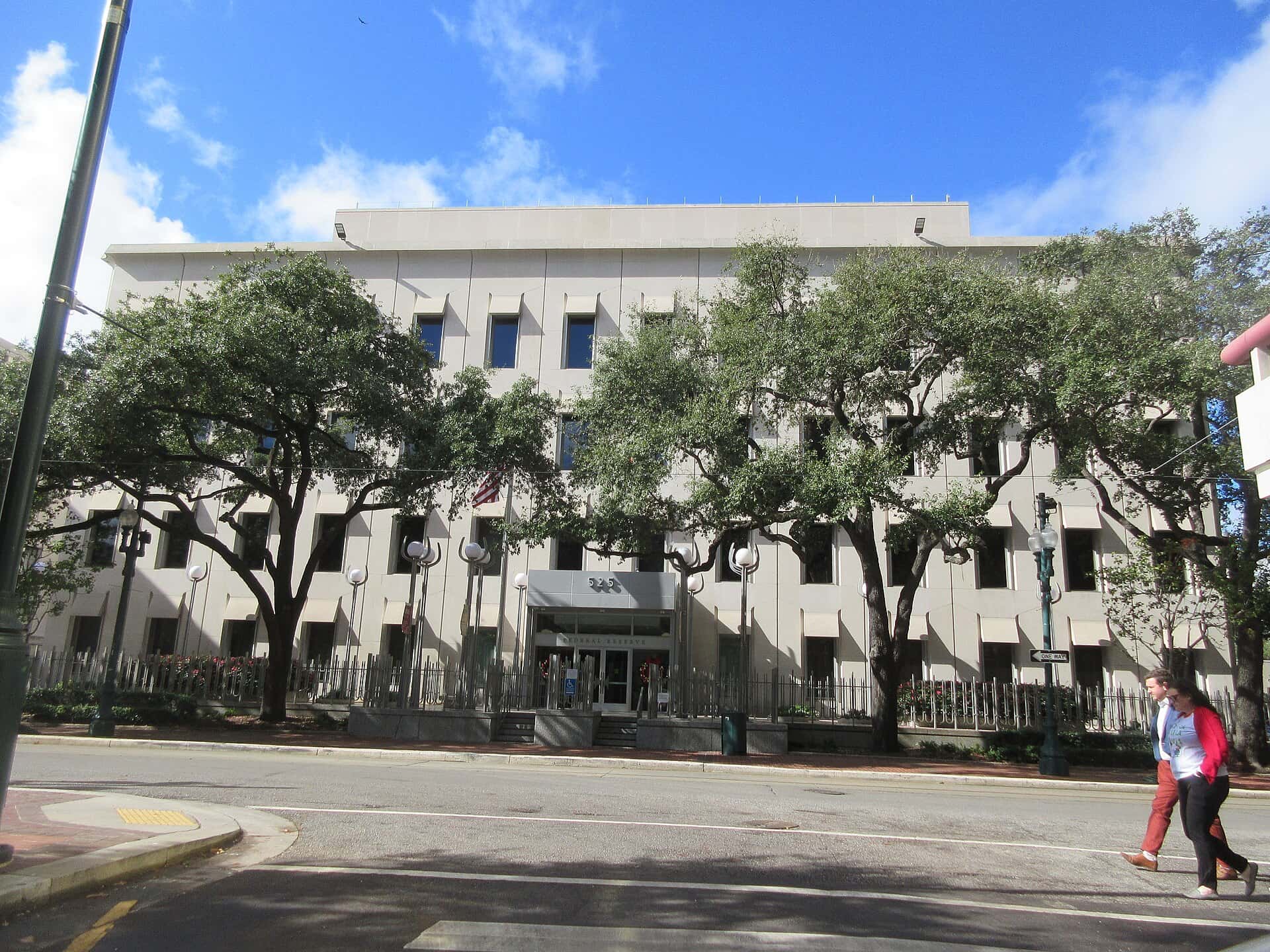
Heading into June 2026, decisions made in Washington at the Federal Reserve continue to set the terms for Florida's housing market, where the cost of borrowing remains the central force shaping who can afford to buy. As of early June 2026, the average 30-year fixed mortgage rate in Florida stood at about 6.52%, with the 15-year fixed near 5.95%. Those rates, driven heavily by the Fed's interest-rate posture, determine monthly payments for Florida buyers and ripple through home prices, sales activity, and the affordability calculations of newcomers and longtime residents alike.
The Florida stake is direct. The Fed does not set mortgage rates itself, but its policy on short-term interest rates and its broader signals to markets strongly influence the longer-term rates that govern home loans. When the central bank holds rates higher to contain inflation, mortgage costs tend to stay elevated, and Florida buyers feel it immediately in the form of larger monthly payments and reduced buying power. For a state in the midst of an affordability squeeze, every fraction of a percentage point matters.
After a market that cooled through 2025, the early-2026 picture is one of leveling out rather than collapse. Florida Realtors and other analysts say easing mortgage rates, steady population growth, and a rebound in international buyers are laying the groundwork for renewed momentum later in 2026. The average Florida home value sits at about $384,811, down roughly 4.3% over the past year, a decline that has improved affordability at the margins even as financing costs remain high.
How federal policy reaches Florida mortgages
The path from the Federal Reserve to a Florida closing table runs through the bond market. The Fed sets its benchmark short-term rate and signals its intentions on inflation and the economy, and those moves shape expectations for the 10-year Treasury yield, the benchmark most closely tied to 30-year mortgage rates. When investors expect the Fed to keep policy tight, mortgage rates tend to hold higher; when they anticipate easing, rates often drift down ahead of any actual cut.
That transmission explains why Florida's 30-year fixed rate near 6.52% reflects national monetary conditions far more than anything specific to the state. A buyer in Tampa, Orlando, or Fort Lauderdale pays a rate set primarily by forces well beyond Florida's borders, even as local prices, insurance costs, and inventory shape the rest of the affordability equation. The Fed's posture is the single largest lever on the cost side of a Florida mortgage.
The gap between the 30-year rate near 6.52% and the 15-year near 5.95% reflects the usual structure of the market, where shorter loans carry lower rates but higher monthly payments. For Florida buyers weighing the two, the choice involves balancing long-term interest savings against monthly cash flow, a calculation made tighter by the state's other carrying costs.
Most forecasters expect 30-year rates to stay in a range of roughly 6.0% to 6.3% through 2026, modestly below early-June levels but far from the ultralow rates of the early 2020s. That outlook frames the year as one of gradual, incremental relief rather than a dramatic drop, meaning Florida buyers should not count on financing costs falling sharply.
A market that cooled, then steadied
Florida's housing market spent 2025 cooling after years of rapid pandemic-era gains. Prices that had surged began to soften, and the frenzied bidding of earlier years gave way to a more balanced dynamic between buyers and sellers. The roughly 4.3% decline in the average home value over the past year is the clearest marker of that adjustment, a correction that has taken some heat out of a market many had called overstretched.
Inventory tells a parallel story. The supply of homes for sale remains elevated compared with the depths of the pandemic shortage, giving buyers more options and more negotiating room than they had during the boom. Crucially, though, the growth in that inventory has slowed, a sign the market is finding a floor rather than continuing to loosen indefinitely. Analysts increasingly describe the market as leveling out.
Several forces are expected to support renewed momentum as 2026 progresses. Florida's steady population growth continues to feed underlying housing demand, easing mortgage rates would lift purchasing power, and a rebound in international buyers, long an important segment for Florida real estate, is helping firm up the market. Together those factors point toward stabilization and the potential for renewed activity rather than a deeper downturn.
The condo market warrants its own attention. Florida's condominium sector has faced particular pressure in recent years from rising association costs and reserve requirements, and it remains a softer corner of the market even as the broader picture steadies. Buyers and sellers in that segment face a different set of pressures than those in the single-family market.
International buyers and population growth as ballast
Two forces give the Florida market underlying support that many other states lack. The first is steady population growth. Florida continues to attract new residents from across the country and abroad, a flow of demand that keeps a floor under housing even when rates and prices discourage some buyers. That growth is part of why analysts describe the market as leveling out rather than sliding into a prolonged decline.
The second is the rebound in international buyers. Florida has long been a magnet for foreign purchasers, particularly in South Florida, where buyers from Latin America, Canada, and Europe have historically been a meaningful share of the market. A renewed flow of those buyers, many of whom pay cash and are less sensitive to mortgage rates, adds resilience that domestic, rate-dependent demand alone would not provide.
Cash purchases are a quiet but important counterweight to the Fed's grip on the market. Because international and investor buyers often skip financing entirely, their activity is insulated from the rate environment that constrains traditional buyers. In segments where cash is common, prices can hold up even as higher rates cool the financed portion of the market.
Together, population growth and the international rebound help explain why Florida Realtors and other analysts see the groundwork for renewed momentum in 2026. The state's fundamentals, a growing population and durable international appeal, provide ballast that should temper the downside even if rates stay elevated longer than hoped.
The affordability picture, with insurance layered in
For Florida households, mortgage rates are only part of the affordability story. The state's high property-insurance premiums, among the steepest in the nation, add a significant recurring cost on top of principal and interest. When financing costs and insurance are combined, the true monthly burden of owning a Florida home climbs well beyond the mortgage payment alone, squeezing buyers who might otherwise qualify.
Homeowners association dues compound the strain in many communities, particularly in condos and planned developments where assessments have risen to fund reserves and repairs. A buyer evaluating a Florida home must weigh the mortgage rate, the insurance premium, and the HOA cost together, and in many cases the latter two can rival or exceed the impact of a modest change in the interest rate.
This is why the recent softening in home values offers only partial relief. A roughly 4.3% drop in the average value helps, but if insurance premiums and association costs continue to climb, the net affordability gain can be muted. The Fed's influence over rates is powerful, yet it operates within a Florida-specific cost structure that Washington does not control.
For newcomers drawn by Florida's population growth and lack of a state income tax, the full carrying cost of ownership can come as a surprise. The financing piece, set largely by federal policy, is the most visible number, but insurance and HOA costs are the variables that increasingly determine whether a Florida home is truly affordable.
How the regions diverge
Florida's statewide averages mask meaningful differences across its metropolitan markets. The 30-year fixed rate near 6.52% applies across the state, but prices, inventory, and the pace of cooling vary by region, meaning the same federal rate environment produces different affordability pictures in different places. South Florida, with its international buyer base and high price points, behaves differently from the Gulf Coast or the panhandle.
The condo-heavy markets of South Florida feel the pressure of association costs and reserve requirements more acutely than single-family markets elsewhere, while inland and emerging metros may see firmer demand from domestic buyers chasing relative affordability. The roughly 4.3% decline in the average home value is a statewide figure, and individual markets have softened by more or less depending on how overheated they became during the boom.
For buyers, this divergence means local conditions matter as much as the national rate. A market with elevated inventory and motivated sellers offers leverage that a tighter, faster-moving market does not, even when both face the same mortgage rate. Shopping the specific metro, and the specific segment within it, is essential to understanding the real affordability equation.
For sellers, the regional picture underscores the importance of pricing to local comparable sales rather than statewide headlines. A homeowner in a softening condo market faces a different reality than one selling a single-family home in a growing inland community, and the strategy that works in one may fail in the other.
What buyers and sellers should watch
For buyers, the key variable in the months ahead is the trajectory of rates. With forecasters expecting 30-year rates to hold roughly between 6.0% and 6.3% through 2026, the case for waiting in hopes of a dramatic drop is weak. Buyers focused on the right home and a manageable total monthly cost, including insurance and any HOA dues, may find the current environment of elevated inventory and softer prices offers genuine negotiating leverage.
For sellers, the leveling market means the days of naming a price and fielding multiple over-asking offers have largely passed. Realistic pricing matters more now, as does presentation, since buyers have more options and more time. Sellers who acknowledge the cooler conditions and price to the current market are better positioned than those anchored to peak-era expectations.
Both sides should watch the Federal Reserve closely. Any shift in the Fed's stance on inflation or the broader economy could move mortgage rates and, with them, the pace of Florida sales. Because rates respond to expectations as much as to actual policy moves, even signals from the central bank can shift the market before any formal decision takes effect.
The broader trajectory for 2026 points toward a Florida market that is cooling but stabilizing, with the potential for renewed momentum if rates ease and demand from population growth and international buyers holds. The Fed will keep its grip on the cost of financing, but the state's distinctive mix of insurance and association costs will continue to define what affordability really means in Florida. For buyers and sellers alike, the smart move is to track both the federal signals and the local carrying costs that together set the terms of every Florida deal.
Spotted an issue with this article?
Have something to say about this story?
Write us a letterComments
No comments yet. Be the first to weigh in.
Related Coverage

SpaceX Posts $4.4 Billion Profit on $14.6 Billion Revenue as Starship Readies for Florida Pads
53m ago

NOAA Weighs Reopening Part of Florida's Rare Oculina Bank Coral Reef to Shrimp Trawling
2h ago

Monroe County Elections Chief Investigating Video of Apparent Armed Federal Agents Outside Keys Early Voting Site
3h ago

Frost and Lee File Bipartisan SLOTHS Act to Ban Sloth Imports After Orlando's Sloth World Deaths
4h ago