Federal Reserve's July Decision Looms Over Florida's Housing and Insurance Costs
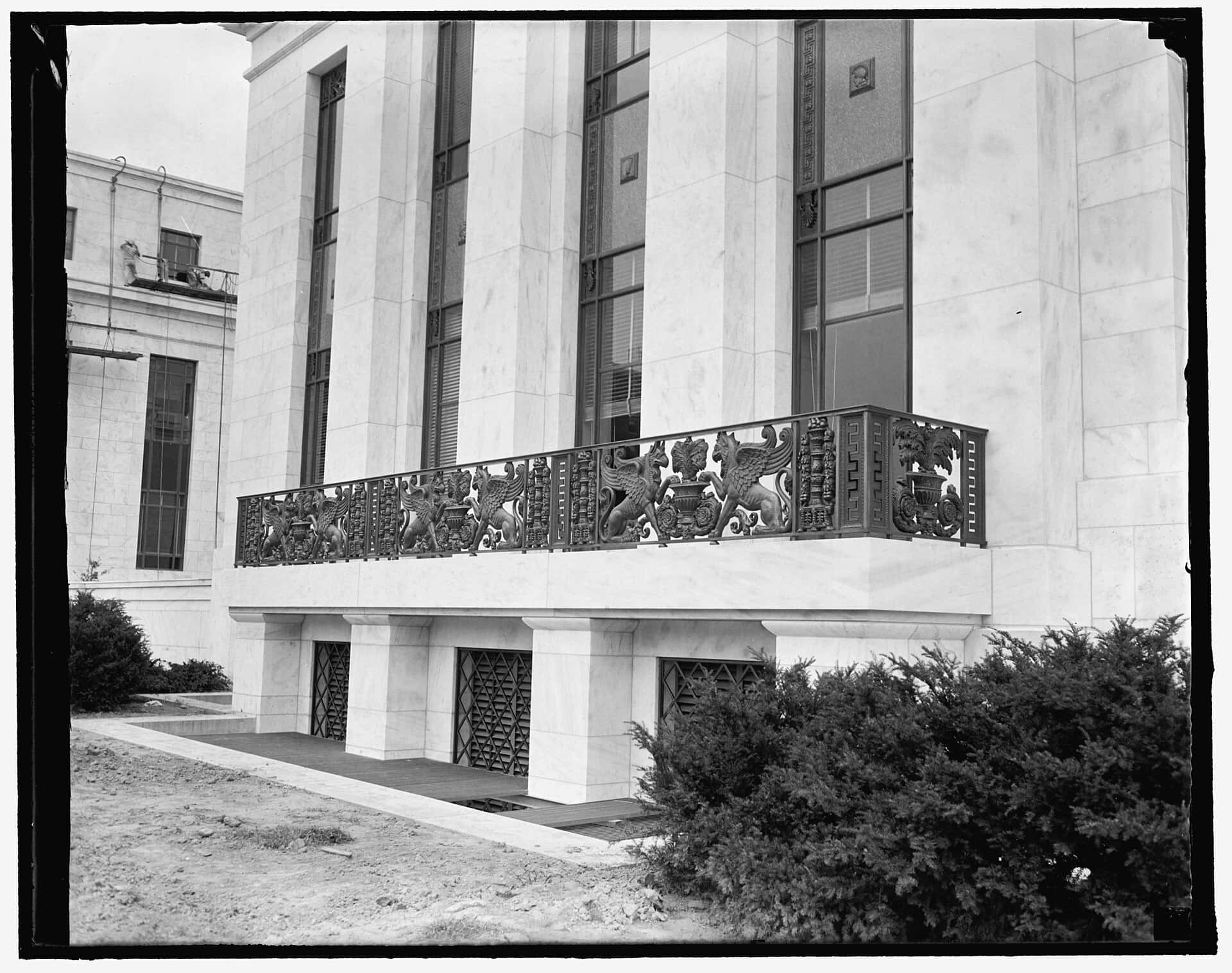
The Federal Reserve heads into a closely watched interest-rate decision at the end of July with policymakers signaling they are in no hurry to cut, and with a rate increase unexpectedly back on the table. For Florida, where high borrowing costs already weigh on a sluggish housing market and stretched household budgets, the central bank's next move carries direct and immediate stakes.
The Fed held its benchmark rate steady at a range of 3.50 to 3.75 percent at its June meeting, the fourth consecutive time it left rates unchanged. Its next decision is scheduled for July 29, and market watchers see a meaningful chance the central bank could raise rates rather than lower them, a reflection of stubborn inflation that has complicated the path back to easier money.
Because the Fed's rate decisions ripple through mortgage rates, credit costs and the broader economy, the outcome will help determine whether Florida buyers get any relief on financing and whether the state's housing market stays locked in its current slow grind. The stakes reach into nearly every Florida household with a loan.
Where the Fed stands
The central bank has kept rates elevated as it fights to bring inflation back to its 2 percent target, a goal that has proven elusive. Officials have described inflation as remaining above that target, driven in part by supply shocks affecting sectors including energy, and have signaled a cautious, even hawkish, posture under the Fed's current leadership.
That posture marks a shift from expectations earlier in the cycle that rate cuts would arrive steadily. Instead, the Fed's own projections have grown more hawkish, with the central bank raising its inflation forecast for the year and a number of officials indicating they see at least one rate increase as possible before the year is out. Market pricing has reflected a real, if minority, probability of a hike at the July meeting.
The upshot is a central bank leaning against the idea of imminent relief. For borrowers hoping that falling rates would soon ease their costs, the message from recent Fed communications has been to prepare for higher-for-longer rather than a quick pivot to cuts.
The mortgage connection
The most direct channel to Florida households runs through mortgage rates. While the Fed does not set mortgage rates directly, its policy heavily influences them, and the sustained high-rate environment has kept home loans expensive. Elevated mortgage rates raise monthly payments sharply, pricing many would-be buyers out of the market.
That dynamic is central to Florida's current housing picture. The state's market has settled into a pattern of firm prices and thin inventory, with high financing costs suppressing sales even as scarce supply keeps a floor under prices. A Fed decision that pushes rates higher, or simply keeps them elevated, would prolong that squeeze.
Homeowners who locked in low rates in earlier years, meanwhile, have little incentive to sell and take on a new loan at today's higher rates, a phenomenon that keeps existing homes off the market. The Fed's stance thus reinforces the inventory shortage that defines Florida real estate, compounding the affordability challenge for buyers.
Beyond the mortgage
The effects extend well past home loans. High interest rates raise the cost of credit cards, auto loans and business borrowing, tightening budgets across the board. For Florida families already contending with elevated property insurance premiums and rising property taxes, expensive credit adds another strain to the cost of living.
Businesses feel it too. Higher borrowing costs make it more expensive to finance expansion, hiring and inventory, which can slow economic activity across the state. Florida's growth-dependent economy, built on construction, tourism and a steady influx of new residents, is sensitive to the cost of capital.
Savers see the other side of the coin. Elevated rates mean better returns on savings accounts, certificates of deposit and money-market funds, offering some benefit to Floridians with cash on the sidelines. That upside, however, is cold comfort to the many households whose finances are dominated by what they owe rather than what they save.
Why Florida is especially exposed
Florida's economy magnifies the effects of Fed policy in several ways. The state's rapid population growth and construction activity make it particularly sensitive to housing finance, so shifts in mortgage rates land hard. When borrowing is cheap, Florida booms; when it is expensive, the slowdown is pronounced.
The state's affordability squeeze also stacks costs in ways that make interest rates one pressure among several. A Florida buyer must weigh not only the mortgage payment but insurance and taxes that have climbed steeply, so the marginal effect of high rates can be the factor that tips a purchase out of reach. That layering makes the Fed's decisions especially consequential for Florida households.
Tourism and consumer spending, other pillars of the state economy, also respond to the broader financial conditions the Fed shapes. When high rates cool the national economy, discretionary travel and spending can soften, with knock-on effects for Florida's hospitality sector. The state's fortunes are tied to decisions made far from Tallahassee.
The insurance and tax squeeze compounds it
Interest rates are only one blade of the affordability scissors closing on Florida households. The cost of insuring a home, though showing early signs of stabilizing after years of steep increases, remains far higher than it was before the state's coverage crisis, adding hundreds of dollars a month to the true cost of ownership. When high mortgage rates combine with elevated insurance premiums, the total monthly obligation can push a home out of reach even when the listing price seems manageable.
Property taxes complete the squeeze. As home values climbed during the boom years, assessed values and tax bills rose with them, and many Florida homeowners now face carrying costs that bear little resemblance to what they paid a few years ago. For buyers, lenders factor taxes and insurance into the qualifying calculation, so increases in either can shrink the mortgage a household can obtain, magnifying the effect of the Fed's rate policy on what people can actually afford.
This layering of costs is what makes Florida distinct. In many housing markets, the mortgage rate is the dominant variable; in Florida, insurance and taxes have grown large enough to rival it. That is why the Fed's decisions, while important, land in a state where they are one pressure among several, and why relief on rates alone would not fully resolve the affordability challenge that defines the market. A proposed constitutional amendment on property taxes headed to voters could alter part of that equation, but its effects lie in the future.
What a hawkish Fed means for the broader economy
Beyond housing, a Fed that keeps rates high or raises them further shapes the trajectory of Florida's whole economy. The state's growth has long been fueled by construction, development and a steady influx of new residents and businesses, all of which are sensitive to the cost of capital. When borrowing is expensive, developers build less, businesses expand more cautiously and the pace of economic activity slows, tempering the growth that has defined Florida for decades.
Tourism and consumer spending, other pillars of the state economy, respond to the same financial conditions. High rates that cool the national economy can dampen discretionary travel and spending, with knock-on effects for Florida's hospitality sector, from theme parks to cruise lines to restaurants. Because so much of the state's economy depends on visitors and their willingness to spend, decisions made in Washington reverberate through Florida's service industries in ways that are easy to overlook.
The flip side is the discipline that high rates are meant to impose. The Fed's goal is to tame inflation, which itself erodes household budgets and raises the cost of living, a burden Florida residents feel acutely given the state's other cost pressures. If sustained high rates succeed in bringing inflation down, the eventual payoff could be a more stable cost environment, though the path there runs through a period of expensive credit that weighs on borrowers in the meantime.
Why the Fed is holding firm
The central bank's caution stems from an inflation picture that has proven more stubborn than policymakers hoped. Rather than declining smoothly toward the Fed's target, price pressures have persisted, driven in part by supply-side shocks in sectors such as energy, forcing officials to keep rates elevated longer than markets once anticipated. The Fed's mandate to achieve stable prices leaves it wary of easing prematurely, since cutting rates before inflation is contained risks reigniting the very price increases it has worked to tame.
That posture reflects a lesson central bankers draw from history, that loosening policy too soon can allow inflation to become entrenched, requiring even harsher measures later. By holding rates steady across consecutive meetings and signaling openness to a further increase, the Fed is prioritizing the fight against inflation over the relief that lower rates would bring to borrowers. For Florida households hoping for cheaper mortgages, that means the wait for relief may be longer than they would like, as the central bank weighs the risk of persistent inflation against the drag high rates place on the economy.
What to watch on July 29
All eyes turn to the Fed's July 29 announcement and the signals that accompany it. Beyond whether the central bank holds, raises or cuts, markets will parse its statement and projections for clues about the path ahead, since guidance about future moves can matter as much as the decision itself.
For Florida buyers and borrowers, the practical question is whether relief is coming or receding. A hawkish surprise would dash hopes for lower mortgage rates and prolong the housing slowdown, while any dovish signal could hint at easing on the horizon. The balance of recent communications suggests caution rather than relief.
Whatever the Fed decides, its choice will flow into Florida's mortgage rates, credit costs and economic momentum in the weeks that follow. In a state where the cost of owning a home has become a defining concern, the central bank's July meeting is a decision Floridians have good reason to watch closely.
Spotted an issue with this article?
Have something to say about this story?
Write us a letterComments
No comments yet. Be the first to weigh in.
Related Coverage

Florida Voters Face Few New Rules on Nov. 3 as Other GOP States Roll Out Citizenship and ID Laws
9h ago

Florida Leads the Nation in ICE Detainer Arrests as Local Police Take a Growing Role, New Data Show
9h ago
Federal Government Again Asks Miami Judge to Toss Lawsuit by Nearly 1,000 Cubans With I-220A Papers
10h ago

Alvaro Pulido, Alex Saab's Longtime Partner, Heads to Miami Federal Court After Arrest in Venezuela Bribery Case
10h ago