Rick Scott Pushes Anti-Fraud Bills to Shield Florida Seniors From AI Scams
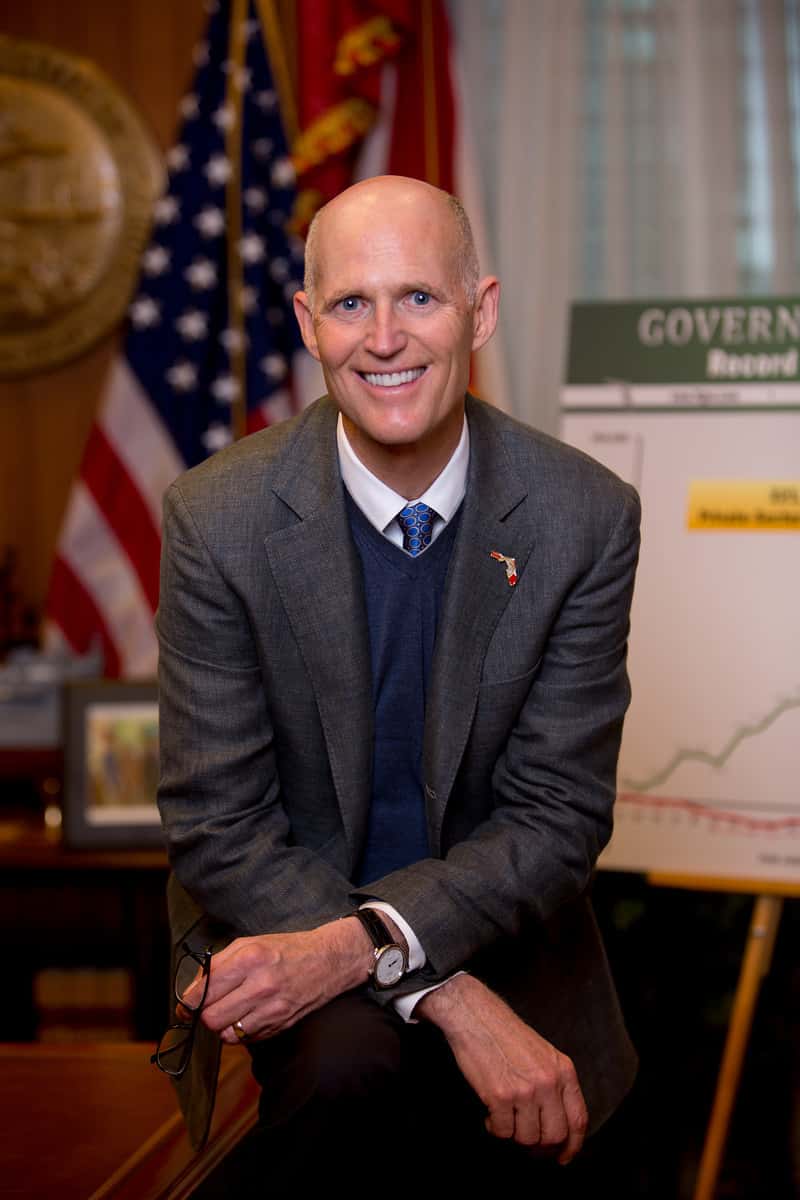
Florida has more older residents than nearly any other state, and that demographic reality places the state at the center of a national fight over financial fraud. On July 8, 2026, U.S. Sen. Rick Scott, a Florida Republican, called on Congress to pass a package of bills aimed at fraudsters who exploit Americans through cybercrime and financial scams. The push includes measures targeting criminals who use artificial intelligence and foreign entities that exploit U.S. financial systems. For the millions of retirees who have made Florida their home, the outcome could shape how well their savings are protected in the years ahead.
Scott serves as chairman of the Senate Special Committee on Aging, a role that has kept him focused on the ways scams reach older Americans. Under his leadership, the committee has issued an annual fraud report, and the most recent findings underscore the scale of the problem. According to that report, financial scams, particularly those enabled by artificial intelligence, cost U.S. senior citizens more than $4.8 billion in 2024. The senator's office framed the legislative effort as a way to protect Americans' hard-earned savings from increasingly sophisticated criminal networks.
The Florida angle is impossible to separate from the national story. With a large share of the country's retirees living within its borders, Florida sees a steady stream of romance scams, grandparent scams, tech-support fraud, and investment schemes. When national fraud losses climb, Florida families tend to feel the impact in outsized numbers. That makes the debate in Washington more than an abstract policy question for the state's older residents and the adult children who often help manage their affairs.
Why Florida Sits at the Center of the Fraud Fight
Florida's appeal to retirees has long been part of its identity, from coastal communities to sprawling active-adult developments in the interior. That same appeal concentrates a population that scammers view as a target. Criminals often assume that older adults have accumulated savings, home equity, and retirement accounts, and they design their approaches to exploit trust, isolation, and unfamiliarity with new technology.
The state's size compounds the challenge. Because so many seniors live in Florida, even a modest national fraud rate translates into a large absolute number of victims within the state. Local law enforcement agencies, sheriff's offices, and the Florida Attorney General's office have repeatedly warned residents about recurring schemes, and consumer advocates say the volume of complaints reflects how frequently Floridians are approached.
Seasonal patterns can add to the risk. Florida draws part-year residents and new arrivals who may be unfamiliar with local resources or who lack established relationships with banks and community organizations. That transitional period can leave some newcomers more exposed to unsolicited calls, emails, and messages that appear legitimate but are designed to extract money or personal information.
What the Legislation Aims to Do
Scott's call centers on a package of bills rather than a single measure, and the stated goal is to strengthen the tools available to pursue fraudsters and to close gaps that criminals exploit. According to the senator's office, the effort targets cybercrime and financial scams broadly, with particular attention to schemes that rely on artificial intelligence and to foreign entities that misuse U.S. financial systems.
Artificial intelligence has changed the fraud landscape in ways that lawmakers say demand a response. Voice-cloning tools can mimic a loved one's voice, making grandparent scams more convincing. Generative technology can produce polished emails, fake investment materials, and realistic impersonations of government agencies or well-known companies. The committee's finding that AI-enabled scams contributed heavily to the $4.8 billion in senior losses in 2024 reflects how quickly these tactics have spread.
The focus on foreign entities points to another dimension of modern fraud. Many large-scale scams are run from outside the United States, which complicates enforcement and recovery. Legislation aimed at how foreign actors access and exploit U.S. financial systems is intended to make it harder for overseas operations to move stolen funds and to evade accountability. The specifics of each bill will be shaped through the committee process, and details may evolve as the measures advance.
Supporters of the effort argue that updating the law is necessary because criminal methods have outpaced older safeguards. Any legislation would still need to move through the Senate and House and secure the votes required to become law, so the path forward remains subject to the ordinary uncertainties of the legislative calendar.
How a Federal Effort Would Reach Florida Households
For Florida families, the practical question is how national legislation would translate into everyday protection. Stronger enforcement tools could increase the odds that large scam operations are disrupted, which in turn could reduce the number of fraudulent approaches that reach residents. Measures aimed at financial systems could make it more difficult for criminals to cash out, potentially improving the chances that some victims recover funds.
Awareness campaigns and reporting mechanisms often accompany fraud legislation, and those elements can matter for a state with a large senior population. Clearer channels for reporting scams, better coordination among agencies, and updated guidance for banks and financial institutions could help Floridians identify and stop fraud before losses mount. The degree to which any of these benefits materialize would depend on the final shape of the bills and on funding decisions.
It is worth noting that federal action complements, rather than replaces, existing state and local efforts. Florida authorities already run consumer protection programs, and community organizations offer education aimed at older adults. A federal framework focused on AI-enabled and cross-border fraud would sit alongside those resources, addressing parts of the problem that are difficult for any single state to tackle on its own.
The Most Common Scams Targeting Older Floridians
Consumer protection officials describe several recurring categories that account for a large share of losses. Romance scams involve criminals who build online relationships over weeks or months before requesting money, often citing emergencies or investment opportunities. The emotional bond makes victims reluctant to accept that the relationship is fraudulent.
Grandparent scams rely on urgency and fear. A caller claims that a grandchild is in trouble, perhaps arrested or injured, and pressures the target to send money immediately and secretly. Voice-cloning technology has made these calls harder to detect, since the voice on the line may sound familiar. Tech-support fraud, meanwhile, uses pop-up warnings or unsolicited calls claiming that a computer is infected, then charges for unnecessary services or gains access to financial accounts.
Investment fraud rounds out the list, and it can be among the most costly. Schemes may promise unusually high or guaranteed returns, sometimes wrapped in fake credentials or forged documents. Retirees seeking to protect or grow their savings can be drawn in by professional-looking materials, which AI tools now make easier to produce. Because these scams often involve larger sums, a single successful fraud can inflict serious harm on a household's finances.
Practical Steps Floridians Can Take Now
While legislation works its way through Congress, consumer advocates emphasize that individuals can take concrete steps to reduce their risk. Slowing down is often the single most effective defense, since scammers depend on urgency to prevent careful thinking. A pause to verify a request independently can expose many schemes.
- Verify unexpected requests by calling a known number for the family member, agency, or company, rather than a number provided by the caller.
- Be skeptical of anyone who insists on secrecy, immediate payment, or unusual methods such as gift cards, wire transfers, or cryptocurrency.
- Establish a family code word that a genuine relative would know, which can help defeat voice-cloning grandparent scams.
- Avoid sharing personal or financial details in response to unsolicited calls, texts, or emails, even when the message appears official.
- Report suspected fraud to local law enforcement, the Florida Attorney General's office, and federal authorities so that patterns can be tracked.
Family members can play a meaningful role as well. Regular conversations about scams, without judgment, help older relatives feel comfortable asking questions before acting. Some households set up account alerts or agree to consult one another before making large or unusual transfers. These informal safeguards can catch fraud that technology alone might miss.
Banks and credit unions in Florida also offer protective features, including transaction monitoring and holds on suspicious transfers. Residents can ask their financial institutions what tools are available and how to enable them. Building those relationships in advance makes it easier to respond quickly if something goes wrong.
What's Next
The immediate future rests with Congress, where the package of bills Scott has championed must navigate committee review, floor debate, and votes in both chambers. As chairman of the Special Committee on Aging, he is positioned to keep the issue in front of colleagues, but passage is never guaranteed, and the final text of any legislation may differ from current proposals. Observers will watch whether the measures attract bipartisan support, since fraud prevention has historically drawn interest across party lines.
For Florida, the stakes are clear regardless of the legislative timeline. The state's large senior population ensures that national fraud trends will continue to register locally, and the rise of AI-enabled schemes adds urgency to the conversation. Whether or not the bills advance quickly, the underlying threat is expected to persist, which keeps the spotlight on both federal action and individual vigilance.
In the meantime, older Floridians and their families are encouraged to treat scam prevention as an ongoing habit rather than a one-time task. Staying informed about emerging tactics, maintaining healthy skepticism toward unsolicited requests, and knowing where to report suspected fraud remain the practical tools available today. The legislative debate in Washington may reshape the broader environment, but everyday caution continues to be the first line of defense for the state's retirees.
Spotted an issue with this article?
Have something to say about this story?
Write us a letterComments
No comments yet. Be the first to weigh in.
Related Coverage

SpaceX Targets Tuesday Dawn Launch From Cape Canaveral With Final Solar Arrays for the Space Station
12h ago

Justice Department Restarts Federal 7-OH Ban Using the Same Limits Florida Adopted in June
14h ago
FHA Home Loans to Non-Permanent Residents Collapse in Orlando, Lakeland and Miami After HUD Rule Change
16h ago

Federal Appeals Court Upholds Florida Bar's Higher Fees for Experienced Out-of-State Lawyers
16h ago