France Meets England in World Cup Third-Place Match at Miami's Hard Rock Stadium
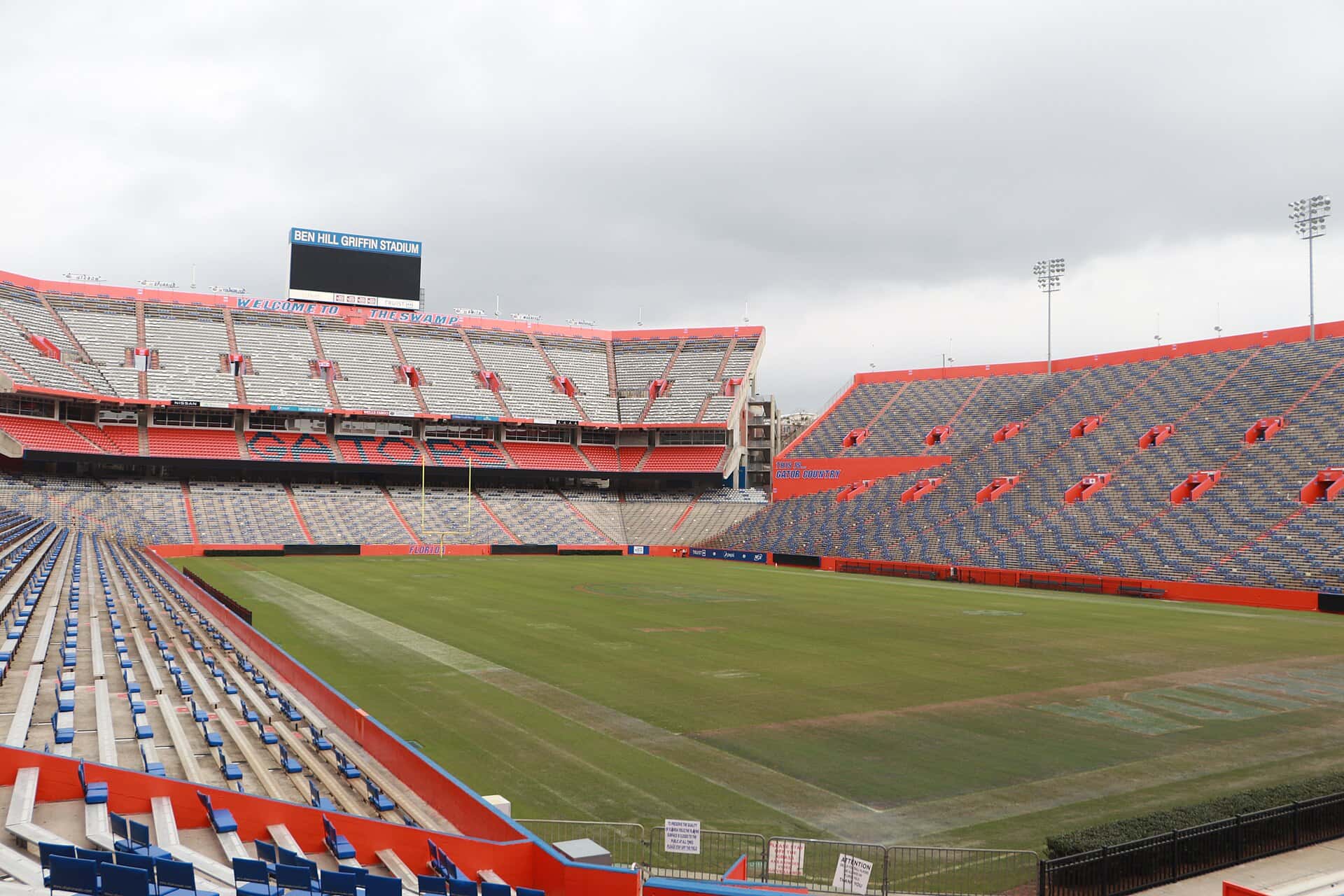
Two of world soccer's most storied national teams will close out their 2026 FIFA World Cup runs in South Florida, as France faces England in the third-place match Saturday, July 18, 2026, at Hard Rock Stadium in Miami Gardens. Kickoff is set for 5:00 p.m. ET, giving the Miami area one final marquee showcase before the tournament crowns its champion the following day. For a region that has embraced the World Cup as both a sporting spectacle and an economic engine, the match is a fitting farewell.
Both teams arrive in Miami Gardens carrying the sting of semifinal defeat. Spain eliminated France with a 2-0 win in Dallas on July 14, while Argentina edged England 2-1 in Atlanta on July 15. Those results sent Spain and Argentina to the final and left France and England to contest third place, a consolation stage that nonetheless pits two heavyweight programs against each other in front of a global audience.
The third-place match often gets framed as an afterthought, yet the caliber of the teams involved makes this edition anything but minor. France and England rank among the sport's elite, stocked with talent that competes at the highest levels of the club and international game. Their meeting guarantees Hard Rock Stadium a contest between two sides with genuine pedigree, even with the trophy already out of reach.
For South Florida, the match caps a tournament run that has poured visitors, spending and international attention into the region. Miami's turn on the World Cup stage has reinforced its standing as one of the sport's most vibrant American hubs, and Saturday's game offers a high-profile bookend to that story.
How France and England Reached This Stage
France's path to the third-place match ended in Dallas, where Spain handed them a 2-0 semifinal defeat on July 14. The result denied France a place in the final and set up their trip to Miami Gardens, where they will look to salvage third place and end their tournament on a positive note. A deep run to the semifinals still marks France as one of the tournament's standout sides.
England's route was equally agonizing. Argentina beat them 2-1 in Atlanta on July 15, a narrow margin that underscored how close England came to reaching the final. That single-goal difference will linger, and it gives Saturday's match an edge as England seeks to finish the tournament with a win rather than a second straight loss.
Both semifinal defeats came against the very teams now bound for the final, a reminder of how thin the margins are at this level. France and England will each be motivated to prove they belong among the tournament's best, and the third-place match gives them a stage to do exactly that before departing.
The symmetry of the situation adds intrigue to Saturday's meeting. France fell to the eventual finalist Spain, and England fell to the eventual finalist Argentina, meaning both Miami combatants were separated from the championship match by the finest of margins. That shared near-miss gives the contest an undercurrent of frustration and pride, with each side eager to demonstrate it deserved a place among the last two.
Hard Rock Stadium's Tournament Role
Hard Rock Stadium in Miami Gardens has been one of the tournament's central U.S. host venues, staging seven World Cup matches in all. That workload places Miami among the busiest sites in the competition, a testament to the region's stadium infrastructure and its ability to handle the logistics of a global event. Saturday's third-place match adds a fitting capstone to that slate.
Hosting seven matches means the venue and the surrounding area have absorbed wave after wave of fans, media and officials over the course of the tournament. Each match day has brought its own surge of activity, from transportation and security to hospitality and broadcasting, testing and ultimately showcasing the region's capacity to stage world-class events.
The stadium's prominent role also cements Miami Gardens as a fixture in the American soccer landscape. As the World Cup's presence winds down in South Florida, the venue's track record over these seven matches positions it as a proven host for future international competitions.
Handling seven matches over the course of the tournament required sustained coordination among the venue, local authorities and organizers, a test that few facilities are asked to pass. The experience gained across those match days leaves South Florida with institutional knowledge that can carry into future events, from concerts to championship games. That accumulated expertise is one of the less visible dividends of playing host on the World Cup stage.
An Expanded World Cup Across Three Nations
The 2026 World Cup is unlike any before it. Co-hosted by the United States, Canada and Mexico, the tournament features an expanded 48-team field, a significant enlargement from previous editions. That expansion has spread matches across a broad map of North American host cities, with Miami serving as one of the marquee stops in the United States.
The three-nation format has made the 2026 edition the most geographically sweeping in the tournament's history. For host cities like Miami Gardens, the expanded field has translated into more matches, more visiting fans and a longer stretch of tournament activity than a smaller field would have delivered.
The final itself will be held Sunday, July 19, 2026, at MetLife Stadium in East Rutherford, New Jersey, where Spain will face Argentina with a 3:00 p.m. ET kickoff. That championship match, coming a day after the Miami third-place game, will bring the expanded tournament to its conclusion on the East Coast.
Spreading the tournament across the United States, Canada and Mexico has also distributed its benefits and demands among a wider set of communities than ever before. Cities from coast to coast have shared in the hosting duties, each carving out its own chapter of the competition. Miami's place in that map, anchored by seven matches and the third-place game, has been among the most prominent of the American host cities.
A Boost for South Florida's Economy
Hosting World Cup matches has delivered a measurable jolt to South Florida's economy. Visitors drawn by the tournament fill hotels, restaurants and attractions, and the third-place match adds one more day of that spending to the region's tally. Match days concentrate tourism dollars in a way that few events can match, benefiting businesses across Miami Gardens and the broader metro area.
The hospitality sector stands among the biggest beneficiaries. Fans traveling to see France and England require lodging, dining and transportation, and international supporters in particular often extend their stays to take in more of the region. Those extended visits ripple through the local economy well beyond the stadium itself.
Beyond the immediate spending, the exposure carries long-term value. Broadcasts beamed worldwide put South Florida's beaches, skyline and culture on display for a global audience, the kind of marketing that can influence travel decisions for years to come. The economic case for hosting extends past the final whistle.
Local businesses from small restaurants to large hotels have had weeks to capitalize on the tournament's presence, and the third-place match offers one more opportunity before the crowds disperse. The concentrated nature of match-day spending means the benefits reach a wide range of operators, not just those closest to the stadium. For an economy that leans heavily on tourism, that broad distribution of activity is a welcome addition to the summer season.
Miami's Deep Soccer Culture
South Florida was a natural fit for a marquee World Cup role, given the region's deep soccer culture. Miami's large international community brings passionate followings for national teams from around the world, filling stadiums and creating an atmosphere that mirrors the game's global reach. That fan base has been on full display throughout the tournament.
The local game has its own high-profile presence as well. Inter Miami and Lionel Messi have raised soccer's profile across the region in recent years, drawing new fans and cementing the sport's place in the local sports landscape. Messi's arrival in Major League Soccer brought unprecedented attention to South Florida soccer, and that momentum has fed into the World Cup's warm reception.
The combination of a diverse, soccer-loving population and a marquee local club has made Miami one of the sport's most energized American markets. Saturday's match between France and England taps directly into that enthusiasm, offering local fans a chance to see two elite national teams on their home turf.
Why the Third-Place Match Still Matters
Even without the trophy at stake, the third-place match carries genuine weight. France and England represent two of the biggest national programs in the sport, and their meeting draws the kind of global attention few other fixtures can command. Pride, ranking and reputation are all on the line, giving both teams reason to compete in earnest.
For players, a third-place finish still means something. It offers a chance to end a grueling tournament on a high, to reward traveling supporters and to leave the competition with a measure of vindication after a semifinal loss. Neither France nor England will want to close their World Cup with a defeat in Miami.
For fans in Miami Gardens, the match delivers elite soccer regardless of the standings. The opportunity to watch France and England contest a World Cup fixture is a rare one, and the caliber of the two sides ensures the crowd at Hard Rock Stadium will see a serious contest rather than an exhibition.
Third-place matches have a history of producing open, entertaining soccer, as teams freed from the pressure of a title chase often play with greater freedom. That tendency, combined with the quality of the two squads, sets the stage for a match that could reward the Miami crowd with goals and attacking play. For neutral fans, it is a chance to enjoy elite competition without the tension that grips a final.
What Comes Next
With kickoff set for 5:00 p.m. ET on Saturday, France and England will take the field in Miami Gardens knowing the result will decide the tournament's bronze medal. The match has not yet been played, and both teams will look to finish their campaigns with a win before the tournament turns its attention north.
The following afternoon, the spotlight shifts to MetLife Stadium for the final between Spain and Argentina, the two teams that eliminated Saturday's competitors. That championship match will crown the winner of the expanded 48-team tournament and bring the historic three-nation event to a close.
For South Florida, the third-place match marks the end of a memorable stretch on the world stage. As the tournament departs, Miami Gardens and the surrounding region are left with a strengthened reputation as a premier host, a boosted economy and a renewed sense of the soccer culture that made the area such a fitting home for the World Cup.
Spotted an issue with this article?
Have something to say about this story?
Write us a letterComments
No comments yet. Be the first to weigh in.
Related Coverage

Brandon Hagel Scores Twice in Final Two Minutes for Hat Trick as Lightning Beat Islanders 5-3
1d ago

Kirill Kaprizov's Hat Trick Spoils Panthers' Home Opener as Wild Win 4-1 in Sunrise
1d ago
Rays Open ALCS Against Guardians at Tropicana Field Without Shane McClanahan; Drew Rasmussen Starts Game 1
2d ago

John Carlson scores twice, Dennis Hildeby makes 34 saves as Lightning hold off Wild 3-2
2d ago