FEMA Disaster Aid to Florida Tops $1.2 Billion as Helene and Milton Recovery Continues
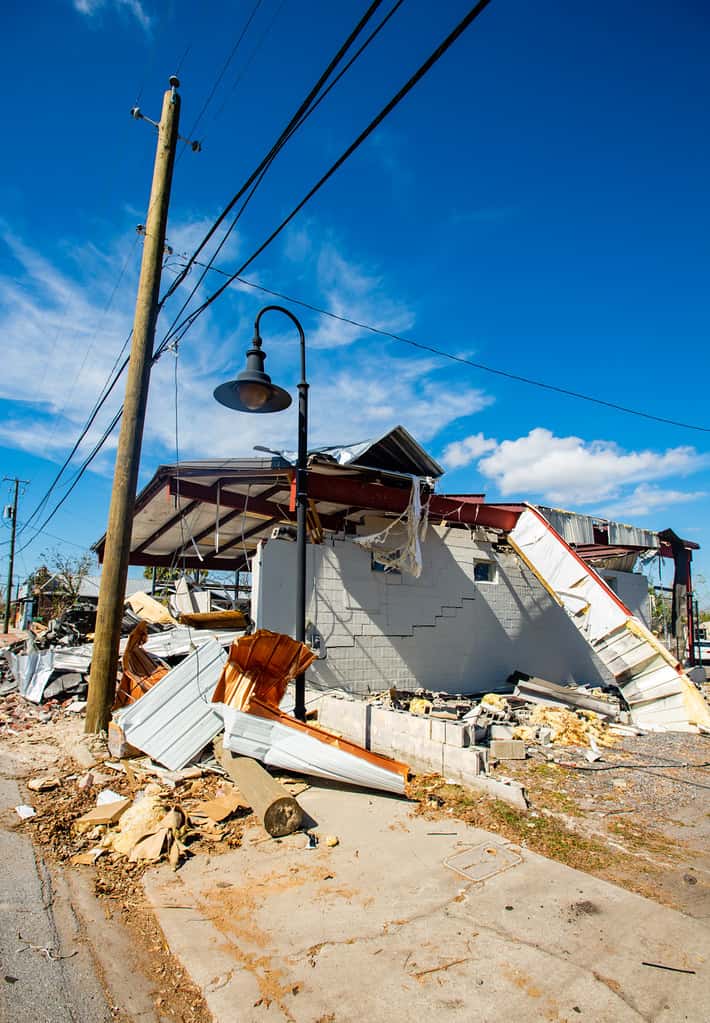
Federal disaster aid continues to flow into Florida as communities rebuild from a string of destructive hurricanes, with the Federal Emergency Management Agency reporting that its assistance to the state has topped $1.2 billion over a recent 90-day period. The funding supports recovery from Hurricanes Helene and Milton, along with multiple past disasters, and underscores the long tail of storm recovery in a state repeatedly battered by extreme weather.
In early July, FEMA announced more than $124 million in additional funding for 70 disaster-recovery and hazard-mitigation projects across Florida, bringing the cumulative total to more than $1.2 billion in the preceding three months. The money is channeled through programs designed to help communities repair damage and to strengthen their defenses against future storms.
For Florida, where hurricanes have become a recurring and costly threat, the federal support is a lifeline for local governments and state agencies working to restore infrastructure and public services. The scale of the aid reflects both the severity of recent storms and the sustained effort required to recover from disasters that can take years to fully address.
The scale of federal support
Surpassing $1.2 billion in 90 days, the federal aid represents a substantial infusion of resources into Florida's recovery efforts. The funding total reflects the cumulative impact of multiple storms and the extensive rebuilding they necessitated, from damaged public buildings to battered roads, beaches, and emergency facilities.
The most recent announcement directed more than $124 million toward 70 projects, illustrating how the aid is distributed across a wide range of recovery and mitigation efforts. Rather than a single large grant, the assistance comes in a steady series of allocations, each supporting specific projects as communities identify needs and complete the work of rebuilding.
The recovery funds address damage from Hurricanes Helene and Milton, the storms that inflicted heavy destruction across parts of the state, as well as multiple past disasters whose effects linger. The layering of storms means that Florida is often recovering from several disasters at once, extending the timeline and increasing the resources required.
How the money is distributed
The federal aid flows through several programs, each serving a distinct purpose. The largest share, nearly $117 million in the recent announcement, came through the Public Assistance program, which helps fund emergency measures and permanent recovery work for local communities, covering the costs of repairing and rebuilding public infrastructure.
A smaller portion, nearly $7.5 million, was directed to the state through the Hazard Mitigation Grant Program. That program funds cost-effective measures designed to protect lives and property during future disasters, reflecting a recognition that reducing vulnerability ahead of the next storm can limit the damage and expense of recovery down the road.
Among the notable allocations was $87.3 million to state agencies for emergency management, protective measures, and the restoration of state parks and beaches following multiple disasters. Beaches, in particular, are vital to Florida's tourism economy and its coastal defenses, making their restoration a priority that carries both economic and protective significance.
The Florida impact
For Florida, the federal aid touches communities across the state that continue to grapple with the aftermath of major storms. Local governments rely on Public Assistance funding to repair the roads, buildings, and utilities that residents depend on, and the steady flow of federal dollars is essential to restoring normalcy in affected areas.
The restoration of beaches and state parks carries particular importance for a state whose economy is deeply tied to tourism and outdoor recreation. Damaged coastlines and shuttered facilities can ripple through local economies, and the federal funding directed toward their repair supports both the recovery of communities and the industries that sustain them.
The hazard-mitigation component reflects Florida's ongoing effort to build resilience against a threat that recurs almost every year. By investing in measures that reduce future vulnerability, the state and federal government aim to lessen the damage of storms to come, a forward-looking strategy in a place where the next hurricane is a matter of when, not if.
A cycle of storms and recovery
Florida's experience illustrates the relentless cycle of disaster and recovery that defines life in a hurricane-prone state. The accumulation of storms, from Helene and Milton to earlier disasters, means that recovery efforts overlap, with communities often rebuilding from one storm while still addressing the damage of another.
The federal-state partnership is central to managing that cycle. FEMA provides the funding and coordination, while state and local agencies carry out the on-the-ground work of recovery. The effectiveness of that collaboration shapes how quickly and thoroughly communities can rebuild, and the sustained flow of aid reflects the ongoing nature of the effort.
The long timelines involved mean that recovery from a major hurricane can stretch across years, well after the storm has faded from national headlines. The continued arrival of federal funding, months after the storms that necessitated it, underscores how the work of rebuilding endures long after the immediate emergency has passed.
How the recovery system works
The federal disaster-recovery framework rests on a partnership in which FEMA provides funding and coordination while state and local agencies carry out the work of rebuilding. The Public Assistance program reimburses communities for eligible costs, from emergency response measures to the permanent repair of public infrastructure, spreading the financial burden of recovery beyond local governments.
The process is deliberately structured, requiring documentation and review at each stage to ensure that funds are spent appropriately. That rigor can slow the pace of aid, and recovery from a major disaster often stretches across years as projects are identified, approved, and completed, explaining why federal announcements continue to arrive long after the storms that necessitated them.
The hazard-mitigation component adds a forward-looking dimension, funding measures designed to reduce vulnerability to future disasters. By investing in resilience alongside recovery, the framework aims not only to restore what was damaged but to lessen the impact of the storms to come, a strategy that carries particular importance in a state as exposed as Florida.
The tourism and coastal stakes
Among the projects funded in the recent allocations was significant support for restoring state parks and beaches, a priority that carries both economic and protective significance for Florida. The state's beaches are central to its tourism economy, drawing millions of visitors, and their restoration supports the businesses and communities that depend on coastal tourism.
Beaches also serve a protective function, acting as natural buffers that absorb the energy of storms and shield inland areas from flooding and erosion. Restoring and reinforcing them contributes to the state's defenses against future hurricanes, making beach restoration an investment in both economic vitality and physical resilience along Florida's extensive coastline.
The dual importance of the coast underscores the stakes of the recovery effort for Florida. Damage to beaches and coastal facilities ripples through local economies and weakens the natural protections that communities rely on, and the federal funding directed toward their restoration reflects the intertwined economic and protective value of the state's shoreline.
Building resilience
The hazard-mitigation funding included in the recent allocations reflects a growing emphasis on building resilience against future disasters rather than simply recovering from past ones. By investing in measures designed to reduce vulnerability, the state and federal government aim to lessen the damage and cost of the storms that will inevitably come.
Mitigation projects can take many forms, from strengthening infrastructure to elevating structures to improving drainage and flood control. These investments are intended to be cost-effective over time, reducing the losses that future disasters would otherwise inflict and easing the burden on the recovery system when the next storm strikes the state.
For a state as exposed to hurricanes as Florida, resilience is a matter of ongoing importance. The recurrence of storms nearly every year means that reducing vulnerability is not a one-time task but a continuous effort, and the mitigation funding represents part of a long-term strategy to make communities better able to withstand the threats they face.
The balance between recovery and mitigation reflects a recognition that responding to disasters after they occur is not enough. By pairing the repair of past damage with investments in future resilience, the federal-state partnership seeks to break the cycle in which communities repeatedly rebuild only to face the same vulnerabilities, a goal of particular relevance in hurricane-prone Florida.
The local governments on the front lines
Much of the burden of disaster recovery falls on local governments, which must repair the roads, buildings, and utilities that their residents depend on. The Public Assistance funding that flows through FEMA is essential to those efforts, reimbursing communities for eligible costs and enabling them to undertake repairs that would otherwise strain local budgets.
For smaller communities in particular, the federal support can be the difference between a timely recovery and years of struggle. The costs of rebuilding public infrastructure after a major storm can far exceed local resources, and the federal reimbursement provides the means to restore essential services and facilities without imposing crushing financial burdens on residents.
The steady arrival of federal funding, distributed across numerous projects, reflects the ongoing nature of the recovery work at the local level. As communities identify needs and complete repairs, the funding continues to flow, sustaining the effort to rebuild and underscoring the central role of the federal-state-local partnership in Florida's recovery from its recurring disasters.
What comes next
As the current hurricane season unfolds, Florida faces the dual task of completing recovery from past storms while preparing for the possibility of new ones. The mitigation investments funded through FEMA aim to reduce the state's vulnerability, but the recovery from Helene, Milton, and earlier disasters will continue to require resources and attention.
The steady stream of federal announcements suggests that additional funding will follow as more projects are identified and approved. For local governments and state agencies, the aid provides the means to keep the recovery moving, addressing needs that emerge as rebuilding progresses and as communities assess the full scope of the damage.
For Floridians, the federal support represents both a measure of relief and a reminder of the state's exposure to extreme weather. The more than $1.2 billion directed to Florida in recent months reflects the cost of living in a place where hurricanes are a fact of life, and the recovery it funds is a necessary step toward restoring the communities those storms disrupted.
Spotted an issue with this article?
Have something to say about this story?
Write us a letterComments
No comments yet. Be the first to weigh in.
Related Coverage

Maxwell Frost's Orlando Office Evacuated, Suspicious Envelope Intercepted at Darren Soto's Kissimmee Office
16h ago

FTC settles with Orlando's Greenway Auto Group over hidden fees and deceptive car price ads
18h ago

Fort Myers Missionary, 70, Appears in Miami Federal Court Accused of Sexually Abusing Children in Haiti
19h ago
Cook Political Report Moves FL-25 Toward Jared Moskowitz as Scott Singer Race Draws $14 Million in GOP Spending
21h ago