FEMA Enters Hurricane Season Short on Funds as Florida Loses $300 Million in Resilience Grants
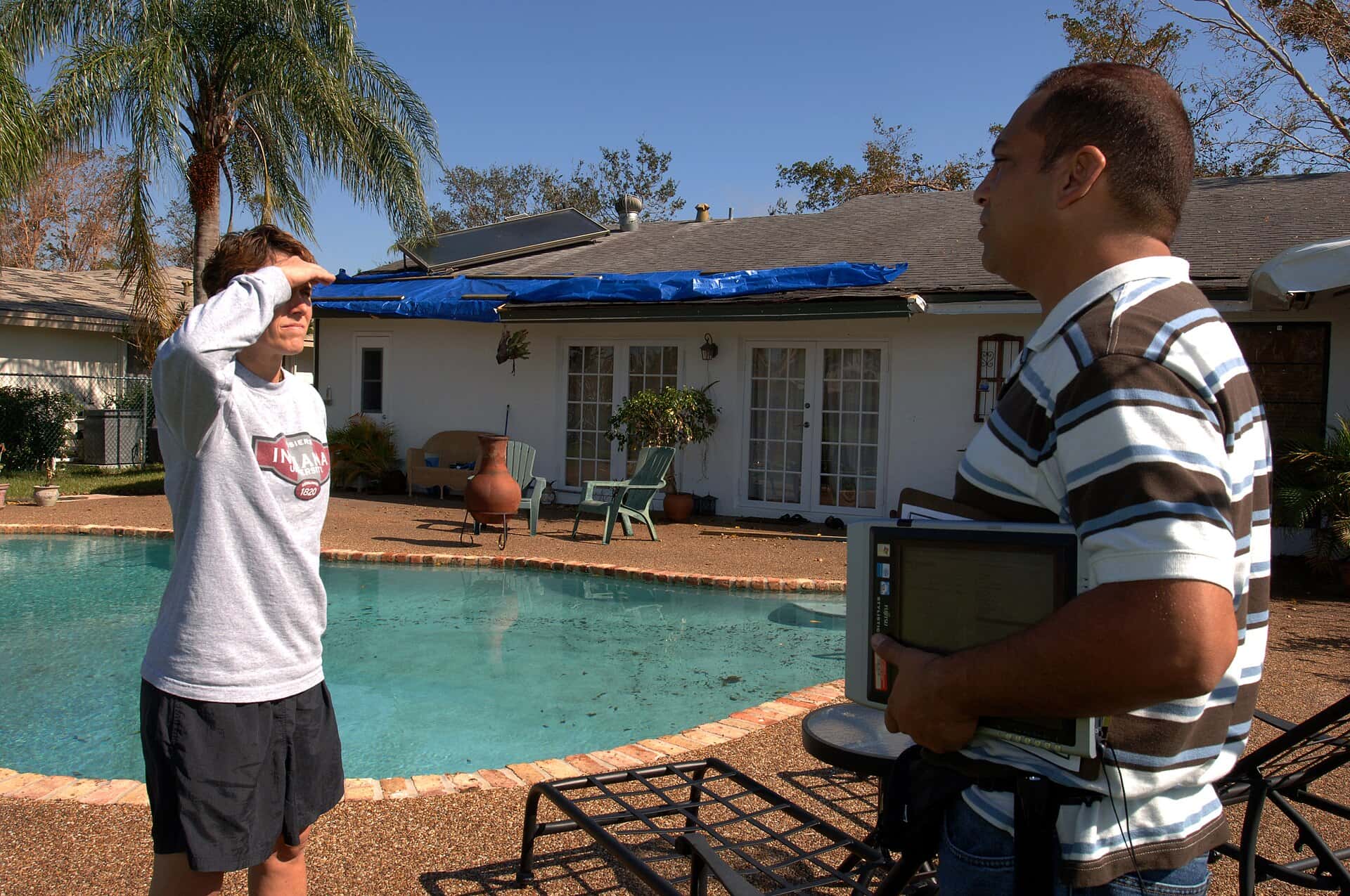
The Federal Emergency Management Agency is heading into the 2026 hurricane season financially strained, a precarious position for the agency Florida relies on most when storms strike. Nearly $300 million in federal aid intended to protect Florida communities from flooding, hurricanes and other disasters has been frozen, and the cancellation of a major resilience grant program has left dozens of state projects in limbo just as the season opens on June 1.
For a state that has absorbed repeated hurricane landfalls and the enormous recovery costs that follow, the timing is fraught. FEMA's funding pressures and the loss of resilience dollars arrive precisely when Florida needs assurance that federal help will be available, raising questions about how the state and its communities will fare if a major storm strikes a season that, while forecast to be below normal, still carries the potential for catastrophe.
The frozen funds
At the center of Florida's concern is nearly $300 million in federal aid that has been frozen, money meant to help Florida communities guard against flooding, hurricanes and other natural hazards. The funds were tied to a federal resilience program aimed at strengthening infrastructure before disasters strike, the kind of proactive investment that can reduce damage and recovery costs when storms hit.
That program, known for funding pre-disaster mitigation projects, was ended by federal officials who characterized it as wasteful, a decision that left numerous Florida projects without the funding they had been counting on. The affected projects span the state, from an effort to raise roads in one historic coastal city to a major undertaking to strengthen canals in South Florida, all now in limbo with the money that was to support them gone.
The loss of those dollars is significant because mitigation spending is designed to prevent damage rather than respond to it. Projects to harden infrastructure, raise roads and reinforce flood-control systems reduce the toll of future storms, and their cancellation leaves communities more exposed than they would have been had the work proceeded. For Florida, the frozen funds represent foregone protection heading into the season.
FEMA's broader budget crisis
Beyond the Florida-specific cuts, FEMA itself has entered a financial danger zone. The agency's disaster relief fund has been strained, forcing it to limit spending to only the most urgent, life-saving needs, a posture that signals how thin its reserves have become. Entering hurricane season in that condition raises the risk that the agency could be overwhelmed if multiple disasters strike in quick succession.
The funding threshold FEMA uses is designed to ensure it can respond to at least one major catastrophic event, and dropping below that level increases the danger that overlapping disasters could strain available resources beyond their limits. With the Atlantic season running through November and the peak still months away, the agency's depleted reserves are a source of concern for every hurricane-prone state, Florida foremost among them.
Officials have warned that entering the season with reduced reserves could leave communities more exposed if major storms occur, particularly if several emergencies coincide. The combination of a strained relief fund and the cancellation of mitigation programs means FEMA faces the season with both less money to respond and fewer investments in place to reduce the damage it will need to address.
Proposed changes to disaster aid
Compounding the immediate funding pressures are proposed changes to how the federal government handles disaster declarations and assistance, changes that could shift significant costs onto states like Florida. FEMA has floated proposals including raising the damage threshold required for a presidentially declared disaster and limiting the federal cost share for public assistance funding after a disaster.
Those changes would substantially reduce the number of declared disasters and shift more of the financial burden to state and local governments. Analyses of the proposals suggest that a large majority of disaster events from recent years would not have qualified under the higher thresholds, and that tens of billions of dollars in public assistance spending would have fallen to states and localities instead of the federal government over that period.
For Florida, which experiences frequent disasters and relies heavily on federal assistance for recovery, such changes would have major fiscal implications. A higher threshold for federal declarations and a reduced federal cost share would leave the state and its communities responsible for a larger portion of recovery costs, a significant shift in the long-standing balance of federal and state disaster responsibility.
The Florida angle
No state has more at stake in FEMA's condition than Florida. The state's exposure to hurricanes is unmatched in scope, and the costs of recovery from major storms run into the billions, costs that federal disaster assistance has historically helped bear. Any weakening of that federal backstop falls especially hard on Florida, where the question is not whether disasters will come but how severe and frequent they will be.
The state has built its own substantial emergency response capabilities, including prepositioned supplies, logistics networks and mutual-aid agreements, which serve as the first line of response. But for major disasters, federal assistance remains essential for the scale of recovery required, from rebuilding infrastructure to helping individuals and communities recover. FEMA's strained condition therefore directly affects Florida's resilience.
The frozen mitigation funds are particularly consequential for a state that benefits enormously from pre-disaster investment. Projects to raise roads, strengthen canals and harden infrastructure reduce the damage future storms inflict, lowering the eventual cost of recovery. Their cancellation means Florida enters the season having lost protection that would have paid dividends over many future hurricanes.
What it means for Floridians
For Florida communities, the practical concern is whether federal help will be there if a major storm strikes. FEMA's strained reserves and the proposed changes to disaster aid introduce uncertainty into a system that Floridians have relied on through repeated disasters. While the state's own capabilities provide a foundation, the federal role in major recoveries is difficult to replace.
For local governments, the loss of mitigation funding and the prospect of a reduced federal cost share carry direct budget implications. Communities counting on federal dollars for resilience projects must now find other ways to fund them or leave the work undone, and a shift of recovery costs onto states and localities would strain budgets already stretched by the demands of a hurricane-prone environment.
For individual residents, the broader message reinforces the importance of personal preparedness. With federal resources strained, the responsibility on households to prepare, including building supply kits, securing insurance and knowing evacuation plans, takes on added weight. The uncertainty surrounding federal assistance makes individual readiness all the more essential as the season unfolds.
The value of mitigation spending
The cancellation of pre-disaster mitigation funding is particularly consequential because of the outsized return such spending tends to deliver. Investing in resilience before a disaster, by hardening infrastructure, raising flood-prone roads, strengthening drainage and reinforcing critical facilities, reduces the damage that storms inflict and therefore the cost of recovery. Studies of disaster mitigation have consistently found that each dollar spent on prevention saves several dollars in avoided future damage.
For a state as exposed as Florida, that math is especially compelling. The frozen projects, including efforts to raise roads in a historic coastal city and to strengthen canals in South Florida, were precisely the kind of investments designed to reduce the toll of future flooding and storms. Their cancellation means Florida enters the season without protections that would have paid dividends across many future hurricanes, leaving communities more exposed than they would otherwise have been.
The logic of mitigation runs counter to the way disaster spending often works, which is reactive, with money flowing after a catastrophe to fund recovery. Mitigation requires spending in advance, before any specific disaster, on the basis that prevention is cheaper than recovery. That preventive approach is harder to sustain politically, since its benefits are diffuse and realized only when a future disaster causes less damage than it otherwise would have.
The elimination of the resilience program reflects a shift away from that preventive model, at least for the affected funding. For Florida, the loss is twofold: the immediate cancellation of planned projects and the broader signal that pre-disaster investment may be less available going forward. In a state where the question is not whether disasters will come but how severe they will be, the reduction in mitigation funding carries long-term costs that extend well beyond a single season.
The situation also underscores the importance of the partnership between federal and state authorities in disaster management, a relationship that has long defined how the country responds to catastrophes. Major disasters typically exceed the capacity of any single state, which is why the federal role has historically been central to large-scale recovery. Any significant shift in that balance, whether through funding constraints or changes to the declaration process, alters a system that hurricane-prone states have relied upon for decades.
What's next
The trajectory of FEMA's funding and the fate of the proposed changes to disaster aid will unfold over the course of the season and beyond, shaped by federal budget decisions and by whether and how severe storms test the agency's reserves. A quiet season would ease the immediate pressure, while an active one could expose the consequences of the agency's strained condition.
For Florida, the situation underscores the importance of state-level preparedness and the risks of a weakened federal backstop. The state will continue to press for the frozen funds and for federal support, while bolstering its own response capabilities. As the season begins, the gap between Florida's exposure to disasters and the strained condition of the federal agency meant to help it recover is a defining concern, one that could be tested at any moment over the months ahead.
Spotted an issue with this article?
Have something to say about this story?
Write us a letterComments
No comments yet. Be the first to weigh in.
Related Coverage

SpaceX Launches Bandwagon-5 Rideshare From Cape Canaveral, Lighting Up a Brief Space Jellyfish Over Florida
16h ago
Kathy Castor and Mike Beltran enter final stretch of a tight race in a redrawn, Trump-leaning Tampa district
21h ago

G20 Summit at Trump National Doral Will Bring Road Closures and a Secret Service Security Zone to Miami-Dade in December
23h ago

Florida's Brazilian voters head back to the polls for Oct. 25 presidential runoff as corruption dominates the race
1d ago