FEMA Pre-Positions Resources for Hurricane Season as Billions in Federal Aid Flow to Florida
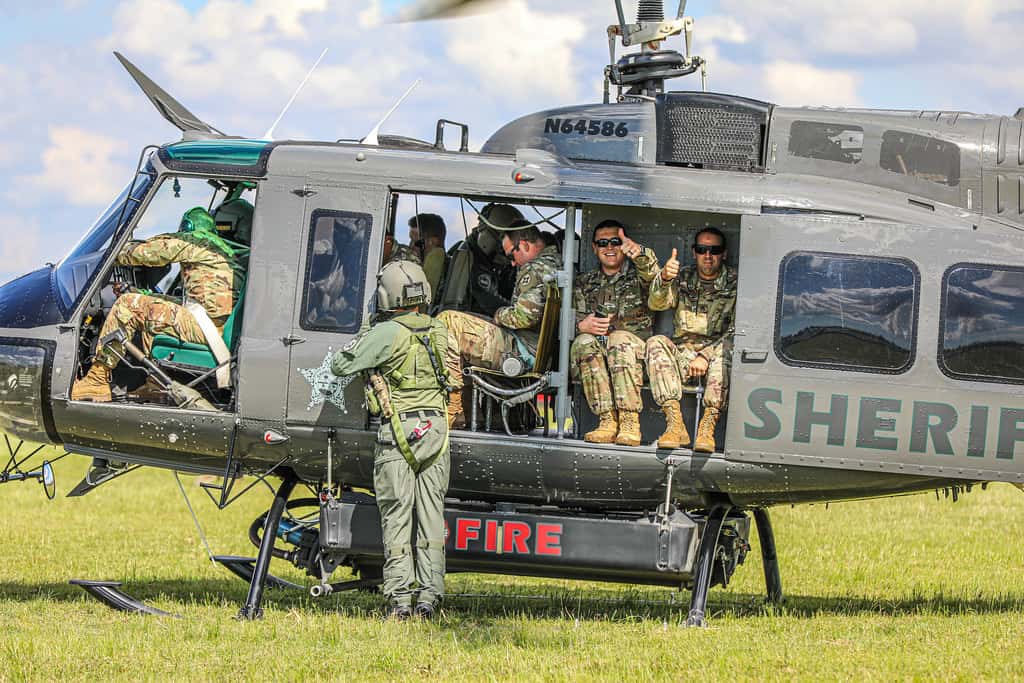
With the Atlantic hurricane season officially underway as of June 1, 2026, the Federal Emergency Management Agency says it stands ready to support states and is pre-positioning personnel and supplies ahead of forecasted storms. For Florida, the most hurricane-exposed state in the nation, that readiness is more than a routine seasonal announcement. It signals the level of federal support the state can expect to draw on if and when storms make landfall along its long and vulnerable coastline.
The stakes for Florida are difficult to overstate. No state faces hurricanes as frequently or as severely, and the capacity of the federal government to respond quickly is central to how Florida recovers from the storms that strike it. FEMA's posture heading into the season, including the supplies it has staged and the personnel it has ready to deploy, bears directly on the state's ability to weather and rebound from disaster.
Beyond readiness for the season ahead, federal dollars have already been flowing to Florida in substantial volume. Since January 2025, more than 2 billion dollars has been provided to the state for infrastructure repair and rebuilding, according to the agency. That funding reflects the ongoing work of recovering from past storms even as Florida braces for whatever the new season may bring.
What FEMA has ready to deploy
FEMA has assembled a sizable stockpile of supplies for rapid deployment as the season opens. According to the agency, those resources include more than 300,000 generators, more than 7 million meals, and 3 million liters of water. The stockpile also contains blankets along with supplies for infants and toddlers, reflecting an effort to meet a range of needs in the aftermath of a storm.
The scale of those numbers speaks to the magnitude of the response a major hurricane can require. Generators in the hundreds of thousands point to the prospect of widespread power outages, while millions of meals and liters of water anticipate the disruption of food and water supplies that storms routinely cause. Staging these resources in advance is intended to shorten the time between a storm's impact and the arrival of relief.
The inclusion of blankets and supplies for the youngest survivors underscores the human dimension of disaster response. Beyond power and sustenance, displaced families need basic comforts and provisions for children, and the agency's stockpile reflects attention to those needs. For Florida families who may find themselves displaced by a storm, such supplies can make a meaningful difference in the difficult days after landfall.
Pre-positioning these resources before storms arrive is the core of the readiness posture the agency has described. By staging generators, meals, water, and other supplies ahead of forecasted storms, FEMA aims to be in a position to support states quickly rather than scrambling to assemble resources after disaster strikes. For the most hurricane-exposed state, that advance preparation is especially consequential.
Training the responders
Readiness is not only a matter of supplies. Over the past year, FEMA says it trained more than a million state, local, tribal, and territorial responders and emergency managers. That investment in human capacity complements the stockpiled resources, building the network of trained personnel who carry out response and recovery on the ground when storms hit.
The breadth of that training, spanning state, local, tribal, and territorial levels, reflects the layered nature of disaster response in the United States. Emergencies are managed across multiple levels of government, and equipping responders and managers across all of them strengthens the overall system. For Florida, with its many counties and municipalities exposed to hurricane risk, a well-trained corps of responders is a critical asset.
Training more than a million people in a single year represents a substantial undertaking aimed at ensuring that, when a storm arrives, the people responsible for responding are prepared. Equipment and supplies are only as useful as the personnel who deploy and manage them, and the emphasis on training acknowledges that readiness depends as much on people as on provisions.
For a state that experiences hurricanes regularly, the depth of the trained workforce can shape the quality and speed of the response. Florida's emergency managers and responders, working alongside their federal counterparts, form the front line of the state's recovery capacity, and the federal training effort feeds directly into that capacity.
Billions already flowing to Florida
The federal commitment to Florida extends well beyond seasonal readiness. Since January 2025, more than 2 billion dollars has been provided to the state for infrastructure repair and rebuilding, according to the agency. That sum reflects the ongoing recovery from storms that have already struck and the work of restoring the systems and structures they damaged.
Infrastructure repair and rebuilding lie at the heart of long-term recovery. Roads, public facilities, and other infrastructure damaged by hurricanes must be restored for communities to return to normal, and the more than 2 billion dollars directed to Florida supports that restoration. The figure illustrates the scale of the recovery effort the state has been undertaking.
That federal funding underscores how central outside support is to Florida's recovery capacity. A state facing repeated and severe storms relies on federal dollars to rebuild what those storms destroy, and the volume of funding provided since January 2025 reflects the magnitude of the need. For Florida, federal disaster funding is not a peripheral consideration but a core element of how it recovers.
The flow of these dollars also sets the stage for the season ahead. Even as Florida continues to rebuild from past storms with federal help, it prepares for new ones, and the federal support already provided demonstrates the kind of assistance the state may again need. The recovery and the readiness run in parallel, both dependent on the federal partnership.
Mitigation grants build resilience
Alongside repair funding, recent mitigation grants aim to reduce the damage future storms can cause. About 41.5 million dollars has been directed across Florida, Georgia, and South Carolina for resilience projects, investments designed to make communities better able to withstand hurricanes rather than simply recover after them. Mitigation represents a forward-looking complement to the work of rebuilding.
Within that regional total, specific Florida projects illustrate what mitigation looks like in practice. About 10.5 million dollars has been directed to Cape Coral for wind protection and backup power for city hall, along with the design of a hurricane safe room for the emergency operations center. These measures are intended to keep essential government functions running through a storm and to provide protection where it is most needed.
Charlotte County is set to receive about 7.4 million dollars for hurricane safe rooms and backup power for a leachate waste plant and a landfill. Protecting such facilities matters because critical infrastructure must continue operating during and after a storm, and ensuring backup power and safe spaces at these sites helps maintain essential services when a hurricane disrupts the region.
These mitigation investments reflect a strategy of strengthening communities before storms arrive. By funding wind protection, backup power, and safe rooms, the grants seek to limit the damage and disruption future hurricanes cause, reducing the scale of recovery that will later be required. For Florida communities in the path of repeated storms, such resilience projects can pay dividends each time a hurricane threatens.
How federal disaster aid works
Much of the federal support that flows to Florida moves through established programs designed to help governments recover from declared disasters. FEMA's Public Assistance Grant Program helps governments and certain nonprofit organizations respond to and recover from disasters that have been formally declared. The program forms a key channel through which federal recovery funding reaches the communities that need it.
The Public Assistance Grant Program is structured to support the entities responsible for restoring public services and infrastructure after a disaster. By assisting governments and eligible nonprofits, the program helps fund the response and recovery work that follows a declared disaster, from emergency measures to the rebuilding of damaged facilities. It is a central mechanism in the federal disaster response framework.
For Florida, where declared disasters recur with regularity, programs like Public Assistance are essential to recovery. The state's frequent exposure to hurricanes means it draws on these federal channels often, and the program's role in helping governments and nonprofits respond and recover makes it a foundational part of how Florida rebuilds. Understanding the program clarifies how the billions in federal aid reach the ground.
The existence of such programs also explains the scale of funding Florida has received. The more than 2 billion dollars provided since January 2025 flows through federal frameworks built to support disaster recovery, and the Public Assistance Grant Program exemplifies the kind of structured assistance that channels federal resources to the state's recovery efforts.
Why readiness matters most in Florida
No state stands to gain more from federal hurricane readiness than Florida, the most hurricane-exposed state in the country. Its geography places it directly in the path of storms forming in the Atlantic and the Gulf, and its long coastline and dense coastal population magnify the risk. For Florida, the federal posture heading into the season is a matter of immediate practical importance.
The combination of pre-positioned supplies, trained responders, recovery funding, and mitigation grants forms a comprehensive picture of the federal support Florida can draw on. From the generators and meals staged for rapid deployment to the billions directed toward rebuilding and the grants strengthening communities against future storms, these elements together shape the state's capacity to respond and recover.
That capacity will be tested as the season unfolds. The agency has said it stands ready to support states and is pre-positioning resources ahead of forecasted storms, a readiness that Florida is more likely than any other state to call upon. How well that preparation translates into effective response will become clear if and when storms strike the state in the months ahead.
For Florida residents, the season that opened on June 1 brings the familiar mix of risk and preparation that defines life in a hurricane-prone state. The federal readiness described by FEMA, paired with the funding already flowing to the state, offers a measure of reassurance even as the uncertainty of the season looms. In Florida, where hurricanes are a recurring fact of life, federal disaster readiness and funding remain central to the state's ability to endure and rebuild.
Spotted an issue with this article?
Have something to say about this story?
Write us a letterComments
No comments yet. Be the first to weigh in.
Related Coverage

Monroe County Elections Chief Investigating Video of Apparent Armed Federal Agents Outside Keys Early Voting Site
1h ago

Frost and Lee File Bipartisan SLOTHS Act to Ban Sloth Imports After Orlando's Sloth World Deaths
2h ago
Democrat Nicole Locklin Challenges Longtime Rep. Mario Díaz-Balart in Redrawn 26th Congressional District
4h ago

SpaceX Launches Bandwagon-5 Rideshare From Cape Canaveral, Lighting Up a Brief Space Jellyfish Over Florida
21h ago