Florida Bans Cell Phones 'Bell to Bell' in K-8 Classrooms
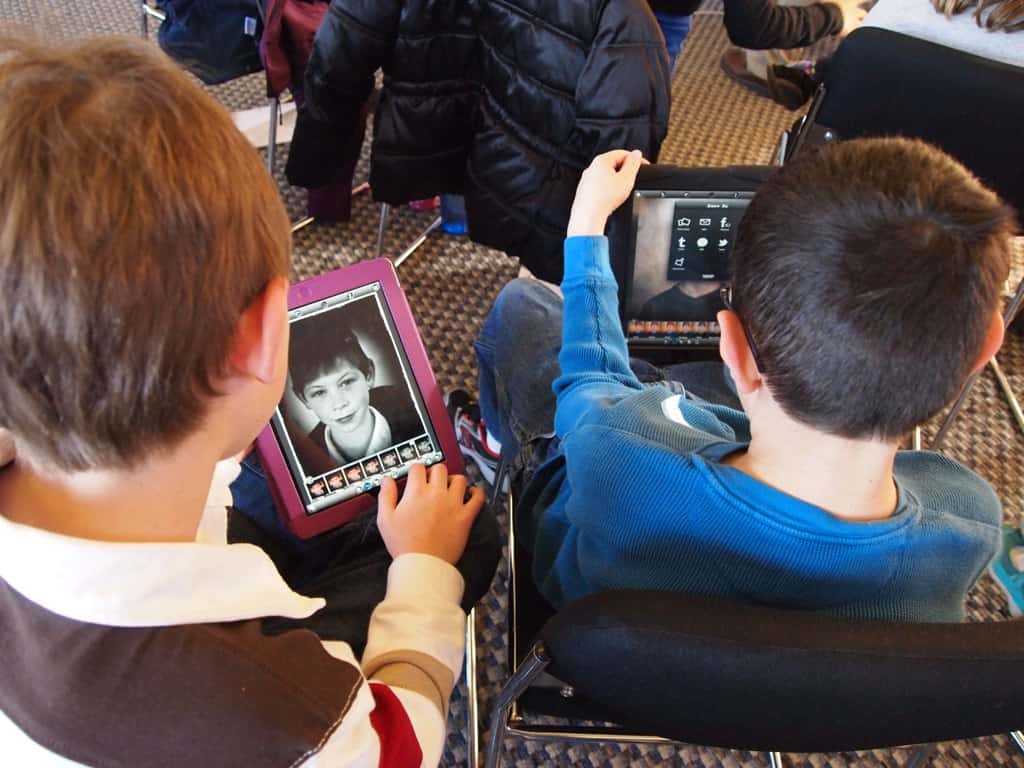
Florida students in kindergarten through eighth grade will spend the entire school day without their cell phones under a law Gov. Ron DeSantis signed on July 1, 2026. The measure expands the state's existing restrictions and takes hold as districts finalize policies ahead of the August back-to-school period, reshaping the daily routine in classrooms from Pensacola to Key West. For families across Florida, the change means phones stay put away from the first bell to the last, a shift supporters say will sharpen focus and protect young students' mental health.
The law builds on a 2023 statute that first pushed devices out of instruction time, and it arrives as a growing number of states move to curb phones in schools. Florida was an early adopter of classroom phone limits, and the new expansion positions the state among the most restrictive in the nation for its youngest learners. The rules apply statewide, meaning no district can opt out of the core requirement for elementary and middle school grades.
What the New Law Requires
The centerpiece of the legislation is a full-day, or bell-to-bell, ban on cell phone use for all students in grades K-8. That standard covers the entire school day, including lunch periods, hallway transitions and other time outside of formal instruction. In practice, students at those grade levels are expected to keep phones silenced and stored away for the duration of the day rather than only during lessons.
High school students face a different set of rules. They are not subject to the full-day ban across most of the state, but they remain barred from using phones during instructional time unless a teacher grants permission for a specific classroom activity. Outside the classroom, such as during lunch or between classes, high schoolers may generally use their devices. The tiered approach reflects lawmakers' view that older students may have legitimate reasons to check phones during breaks while younger children benefit from a cleaner separation.
The statute also spells out exceptions for students who need devices for documented medical or educational reasons. A student who monitors a health condition through a phone-connected device, for example, or who relies on a device as part of an individualized education plan, is intended to keep that access. Districts are responsible for writing local policies that honor those carve-outs while enforcing the broader restriction.
How Florida Got Here
The 2026 law does not start from scratch. It expands on House Bill 379, the 2023 measure that made Florida one of the first states to require public schools to prohibit phone use during instruction and to block access to social media on district internet networks. That earlier law left the door open for use outside of lessons and gave districts room to set their own approaches, producing a patchwork of policies across the state's 67 county school systems.
Lawmakers returned to the issue after districts and educators reported mixed results and, in some cases, continued distraction when phones remained accessible between classes. The new full-day standard for K-8 is meant to close those gaps and create a more uniform expectation. By moving from an instruction-time rule to a bell-to-bell rule for younger grades, the state is testing whether a stricter, more consistent approach yields clearer benefits.
The timing spans two school years. Some provisions began taking shape during the 2025-26 year as districts adjusted, and the expanded requirements are set to be fully in place for the 2026-27 year. That gives administrators, teachers and families a window to prepare storage systems, communication plans and enforcement procedures before students return in August.
The High School Pilot Program
One of the law's most closely watched features is a pilot program that will test a full-day phone ban at the high school level. Six Florida counties are slated to participate, extending the bell-to-bell standard to their high schools so state officials can evaluate the effects on older students. The pilot is designed to gather evidence before any decision about whether to broaden the full-day rule to high schools statewide.
Supporters of the pilot argue that high school is where phone habits are most entrenched and where the academic and social stakes are high. By limiting the experiment to a set of counties, the state can compare outcomes such as attendance, disciplinary incidents, academic performance and student well-being against schools that keep the more permissive rules. The results are likely to shape future legislative debates.
Critics and cautious observers note that high schoolers often coordinate rides, jobs and family logistics through their phones, and that a full-day ban raises practical questions about emergencies and communication with parents. The pilot structure allows those concerns to be studied in a controlled way rather than imposed everywhere at once, and participating districts will need to address how families reach students during the day.
Why Supporters Back the Change
Backers of the expanded restrictions point to three main rationales: reducing classroom distraction, improving learning outcomes and supporting student mental health. Educators have long complained that phones pull attention away from lessons, and research cited in the national debate has linked heavy phone and social media use among adolescents to rising rates of anxiety and depression. Proponents frame the bell-to-bell rule for younger students as a way to protect developing minds during formative years.
Advocates also argue that clear, consistent rules are easier for teachers to enforce than piecemeal policies that vary by classroom or period. When every student knows phones are off-limits for the full day, they contend, the burden on individual teachers to police devices lessens and instructional time is preserved. That consistency is a recurring theme in states adopting similar measures.
The mental health argument has gained particular traction. Public discussion nationally has increasingly centered on the effects of constant connectivity on children, and Florida officials have echoed those concerns in justifying the law. The state's approach treats reduced phone access not only as an academic tool but as a wellness measure for students who may struggle to disconnect on their own.
A National Movement
Florida's action fits within a broader wave of state-level phone restrictions in public schools. Across the country, lawmakers of both parties have advanced measures to limit or ban phones during the school day, driven by similar concerns about distraction and adolescent mental health. What began as scattered district-level policies has increasingly become a matter of statewide law.
By moving early and then expanding, Florida has been at the forefront of that trend. The state's shift from instruction-time limits in 2023 to a full-day K-8 ban in 2026 mirrors a national trajectory in which initial, narrower rules give way to stricter standards as officials assess results. Other states weighing their own expansions are likely to watch Florida's experience, including the outcome of its high school pilot.
The national momentum also means Florida families moving from other states may find comparable rules in their new districts, and educators can draw on a growing body of shared experience. As more states adopt bell-to-bell approaches, comparisons across systems will help clarify which policies deliver on their promises and which fall short.
How Districts Are Preparing
With the law signed in July and classes resuming in August, Florida districts have a compressed window to put procedures in place. Administrators must decide how students will store phones during the day, how to handle violations and how to communicate the new expectations to families. Some schools may use pouches, lockers or classroom storage, while others rely on the simple expectation that phones stay in bags.
Communication with parents is a central task. Districts need to explain the medical and educational exceptions, describe how families can reach students in an emergency and set out the consequences for repeated violations. Clear messaging before the first day can reduce confusion and help build support among parents who may have relied on midday contact with their children.
Enforcement remains the practical test. Teachers and staff will be responsible for ensuring compliance, and the success of the policy will depend in part on consistent application. Districts that establish clear routines early are likely to face fewer disputes than those that leave the rules vague, and the state's guidance aims to help schools standardize their approach.
Questions From Families and Teachers
The expanded rules have prompted practical questions from parents and educators across Florida. Families accustomed to texting their children during the day want to understand how they will reach students in an emergency, and many are looking to district communication plans for answers. Schools generally direct parents to call the front office when they need to contact a child, a return to the pre-smartphone practice that predates widespread student device use.
Teachers, for their part, have raised questions about how to handle the practical mechanics of enforcement without turning every class into a policing exercise. Some educators welcome the clearer standard because it removes ambiguity, while others worry about confrontations with students who resist giving up their phones. District training and consistent administrative backing are seen as key to making the rules workable in the classroom.
There are also questions about how the exceptions for medical and educational needs will function day to day. Parents of students who rely on phone-connected health devices or who have accommodations written into an education plan want assurance that the carve-outs will be honored smoothly. Districts are expected to document those exceptions clearly so that individual teachers can apply them without confusion.
What's Next
As the 2026-27 school year begins, attention will turn to how the bell-to-bell rule plays out in practice and what the six-county high school pilot reveals. State officials and lawmakers are expected to track measures such as academic performance, disciplinary trends and student well-being to gauge whether the stricter standard delivers the intended benefits. Those findings could inform whether Florida extends the full-day ban to high schools everywhere.
For now, Florida families and educators are adjusting to a school day in which phones largely disappear for the youngest students and stay out of high school classrooms during lessons. The coming year will serve as a real-world test of an approach that Florida helped pioneer and that a growing number of states are adopting. Whether the results validate the state's bet on stricter limits will shape the next round of debate in Tallahassee and beyond.
Spotted an issue with this article?
Have something to say about this story?
Write us a letterComments
No comments yet. Be the first to weigh in.
Related Coverage

Lt. Gov. Jay Collins Says Florida Will Cover School Funding Lost as Immigration Crackdown Shrinks Enrollment
1d ago

Broward School Board Weighs Next Round of Closures as Empty Seats Reach 61,000
1d ago

Boy dies after 120-pound display board falls on him at Palm Bay's Riviera Elementary
3d ago
Pinellas pulls Sexton Elementary from closure list as six schools face Oct. 13 vote
3d ago